
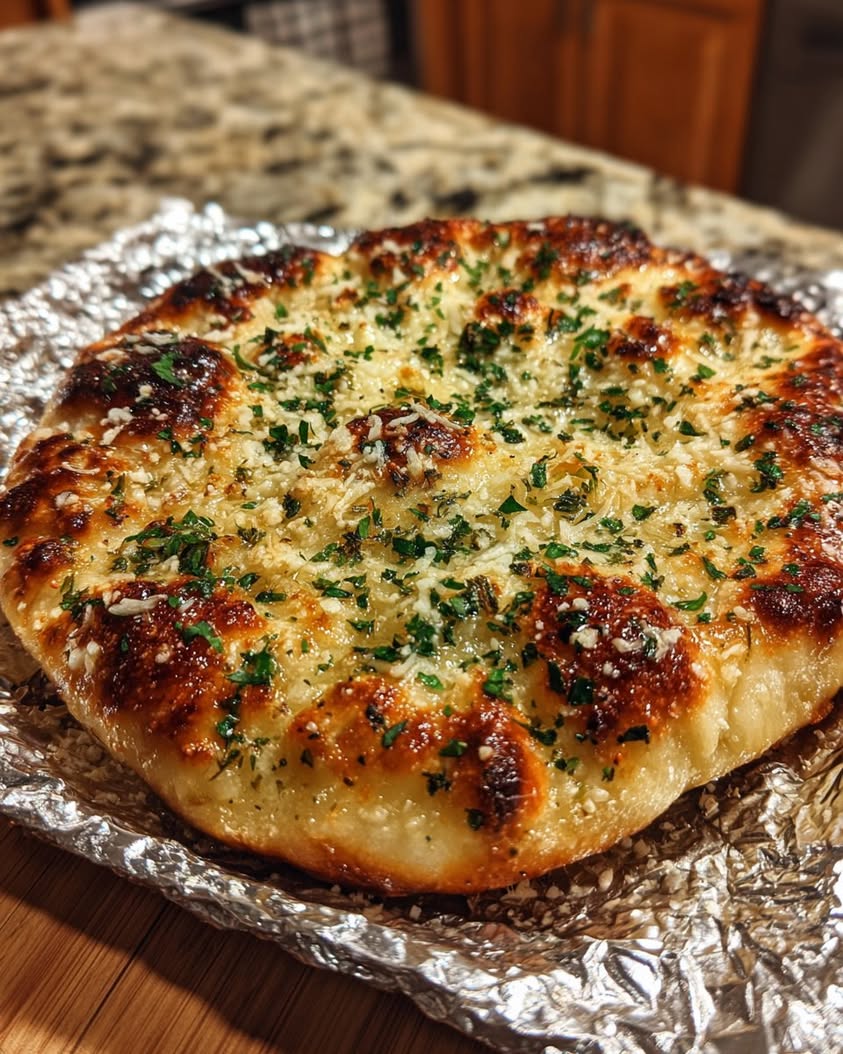
Roasted Garlic and Herb Flatbread with Parmesan: The Ultimate Crowd-Pleasing Appetizer
Imagine the warm, comforting aroma of roasted garlic and fresh herbs filling your kitchen. Now, picture that incredible scent coming from a golden, crispy flatbread fresh from your oven. This roasted garlic and herb flatbread with Parmesan is that exact dream come true. It is a simple yet spectacular dish that transforms basic pantry staples into a gourmet experience. Furthermore, it serves as the perfect bridge between a casual snack and an elegant appetizer.
This particular flatbread recipe delivers a symphony of textures and flavors in every single bite. You get the sweet, mellow depth of roasted garlic, the bright freshness of chopped herbs, and the rich, salty punch of grated Parmesan cheese. All these elements rest atop a base that is wonderfully crisp yet tender. Consequently, it becomes impossible to eat just one piece. Whether you are hosting a party or simply treating your family, this dish promises to be the star of the table.
Best of all, this roasted garlic and herb flatbread requires minimal effort for maximum reward. You do not need any special baking skills or obscure ingredients. In fact, the process is straightforward and forgiving. Ultimately, this recipe is about celebrating bold, honest flavors in the most delightful and shareable form. Let us dive into how you can create this culinary masterpiece in your own home.
Quick Recipe Highlights
- Flavor Profile: This flatbread masterfully balances sweet, savory, and herbal notes. The roasted garlic provides a deep, caramelized sweetness that perfectly complements the sharp, salty Parmesan. Meanwhile, fresh herbs like rosemary and thyme add a fragrant, earthy complexity that elevates the entire dish.
- Texture: The texture is a key component of its appeal. The base bakes up to a satisfying crispness on the edges and bottom, while remaining slightly chewy and tender in the center. Additionally, the creamy garlic spread and grated cheese create delightful pockets of melt-in-your-mouth richness against the crisp crust.
- Aroma: As it bakes, the aroma is absolutely intoxicating. First, the scent of roasting garlic and onions fills the air with a sweet, nutty fragrance. Then, the herbal notes from the rosemary and thyme bloom, creating a warm and inviting scent that promises delicious results.
- Visual Appeal: This flatbread is a feast for the eyes. It emerges from the oven with a beautifully golden-brown, blistered crust. The vibrant green herbs and white Parmesan cheese create a stunning contrast against the backdrop of the creamy garlic spread. It looks rustic, artisanal, and incredibly appetizing.
- Skill Level Needed: This is a beginner-friendly recipe designed for home cooks of all levels. Importantly, it uses store-bought pizza dough or naan as a base, eliminating the need for complicated dough-making. The techniques involved—spreading, sprinkling, and baking—are fundamental and easy to master.
- Special Equipment: You need only basic kitchen tools. A baking sheet, a small bowl for mixing, a sharp knife, and a cutting board are sufficient. A microplane or box grater for the Parmesan is helpful but not strictly necessary. No stand mixers, pizza stones, or other specialty gear are required.
Recipe Overview
- Difficulty Level: This recipe is confidently rated as easy. The steps are sequential and simple: prepare the garlic-herb oil, spread it on the dough, add toppings, and bake. There is no kneading, proofing, or advanced culinary technique required. Consequently, it is an excellent recipe for novice cooks or for anyone seeking a stress-free, impressive dish.
- Category: This versatile dish fits multiple categories beautifully. Primarily, it functions as a phenomenal appetizer or party snack. Alternatively, it can be served as a side dish alongside soups, salads, or pasta. It even makes for a fantastic light main course when paired with a simple green salad.
- Cuisine: While flatbreads have roots in countless global cuisines, this recipe leans into Mediterranean and Italian-American flavors. The use of olive oil, garlic, Parmesan, and herbs like rosemary and thyme is classic to that region. However, it is a modern, adaptable recipe that welcomes personal interpretation and ingredient swaps.
- Cost: This is an incredibly cost-effective dish to prepare. The main ingredients—pre-made dough, a head of garlic, fresh herbs, and Parmesan—are all relatively inexpensive, especially when considered per serving. You can easily feed a group for a fraction of the cost of ordering similar appetizers from a restaurant.
- Season: This roasted garlic and herb flatbread is truly a recipe for all seasons. It is cozy and warming in the fall and winter, perfect with a hearty soup. Conversely, in the spring and summer, it pairs wonderfully with light salads and grilled proteins, making it a year-round staple.
- Occasion: Its versatility shines through in the variety of occasions it suits. It is ideal for game day gatherings, holiday parties, potlucks, or book club meetings. Simultaneously, it is simple enough for a weeknight family dinner or a casual Friday night pizza-and-movie tradition at home.
Why You’ll Love This Recipe
First and foremost, the taste and texture of this roasted garlic and herb flatbread are utterly irresistible. Each component plays a crucial role. The roasted garlic loses its sharp bite and transforms into a sweet, spreadable paste that forms the flavor foundation. The fresh herbs provide a burst of aromatic freshness that cuts through the richness. Finally, the Parmesan cheese adds a savory, umami depth and a slight crispness as it melts and browns. Together, they create a harmonious blend that is both sophisticated and deeply satisfying. You will find the combination of crispy edges and a tender, flavorful center completely addictive.
From a practical standpoint, the convenience of this recipe is a major win. Since it starts with a pre-made dough base, you skip the most time-consuming part of traditional flatbread making. The active prep time is remarkably short, involving mostly mixing and assembling. This means you can have a hot, impressive appetizer ready in well under an hour, even with the roasting time for the garlic. It is the perfect solution for last-minute guests or when you need a delicious dish without spending all day in the kitchen. The simplicity is truly its superpower.
Nutritionally, this flatbread offers some definite advantages when enjoyed in moderation. Garlic is renowned for its potential health benefits, including supporting immune function. Olive oil provides heart-healthy monounsaturated fats. Using a whole-wheat dough base can increase the fiber content. Moreover, because you control the ingredients, you can adjust the salt and cheese to suit your dietary preferences. It is a far healthier and more wholesome option than many processed snacks or frozen appetizers.
The social and entertaining value of this dish cannot be overstated. Food meant for sharing naturally brings people together, and this flatbread is designed exactly for that purpose. Placing a warm, fragrant board in the center of a table encourages conversation and interaction. It is a universally appealing dish that caters to a wide range of tastes, making it a safe and crowd-pleasing choice for any gathering. It sets a welcoming, generous tone for any meal or party.
Finally, the cost-effectiveness and accessibility of the ingredients make this a recipe you will return to again and again. You likely have many of the components—olive oil, salt, pepper—already in your pantry. The remaining items are affordable and readily available at any standard grocery store. This accessibility means you can create a restaurant-quality appetizer without the restaurant price tag. It democratizes good food, proving that delicious, impressive cooking is within everyone’s reach.
Historical Background and Cultural Significance
The story of flatbread is as old as civilization itself, representing one of humanity’s earliest and most fundamental prepared foods. Archaeologists have found evidence of flatbreads being made over 14,000 years ago, long before the advent of agriculture as we know it. These primitive breads were simple mixtures of wild grain flour and water cooked on hot stones. The flatbread concept spread with human migration, becoming a staple across continents from Asia to Africa to the Americas. Every culture developed its own version, from Indian naan and roti to Mexican tortillas and Middle Eastern pita. Our roasted garlic and herb flatbread is a modern descendant of this ancient, global culinary tradition.
Culturally, flatbreads hold immense significance as a symbol of sustenance, community, and sharing. In many traditions, the act of breaking bread together is a sacred gesture of hospitality and peace. Flatbreads, often cooked quickly and shared directly from the fire, epitomize this communal dining experience. They are the original “fast food” and “shareable plate.” The addition of toppings like herbs, oil, and cheese is a practice seen in various forms, such as Italian focaccia or Turkish lahmacun. Our recipe taps into this deep-seated cultural practice of adorning a simple bread base with locally available, flavorful ingredients to create a meal that brings people together.
The evolution of the flatbread recipe is a tale of adaptation and ingredient availability. Early flatbreads were purely functional—a way to consume and preserve grains. As trade routes expanded, new ingredients like olive oil from the Mediterranean, garlic from Central Asia, and hard cheeses like Parmesan from Italy became more widely available. Cooks began experimenting, leading to the enriched, flavored flatbreads we enjoy today. The specific combination of roasted garlic and Parmesan reflects a more modern, fusion-style approach that prioritizes depth of flavor and gourmet appeal, showcasing how ancient food forms continuously evolve with contemporary tastes and available ingredients.
Regional variations of herbed and garlic flatbreads are abundant. In Italy, focaccia al rosmarino is a direct relative, featuring olive oil, rosemary, and coarse salt. In France, pissaladière from Nice offers a similar concept with a onion-anchovy topping. Across the Balkans, varieties of lepinja or somun are often brushed with garlic oil after baking. Our recipe does not strictly belong to one region but rather synthesizes these beloved elements—the sweet garlic of slow roasting, the fragrance of fresh herbs, the savoriness of hard cheese—into a universally appealing format. It is a celebration of the best parts of several culinary traditions, unified on one delicious, crispy canvas.
Ingredient Deep Dive
Roasted Garlic: Garlic has a storied history, cultivated for over 5,000 years and valued by ancient Egyptians, Greeks, and Romans for both culinary and purported medicinal properties. Roasting transforms it completely, taming the pungent, spicy raw flavor and converting it into a sweet, nutty, and spreadable paste. This process caramelizes the natural sugars, creating immense depth. Nutritionally, garlic contains allicin, a compound with antioxidant properties, along with vitamins C and B6, and manganese. When selecting garlic, choose firm, plump heads with tight, unbroken papery skin. Store in a cool, dark, dry place with good air circulation. If you lack time to roast a whole head, a tablespoon of high-quality garlic confit or even a gentle sauté of minced garlic in olive oil can work in a pinch, though the flavor profile will be different.
Fresh Herbs (Rosemary & Thyme): Rosemary and thyme are classic Mediterranean herbs with ancient lineages, symbolizing remembrance, courage, and purification in various cultures. Their robust, piney (rosemary) and earthy, slightly minty (thyme) flavors are essential to the aromatic profile of this flatbread. Fresh herbs provide a brighter, more vibrant taste than dried, which can be dusty and concentrated. They offer vitamins A and C, and various antioxidants. Choose herbs with vibrant color and firm leaves, avoiding any that are wilted or blackened. Store them loosely wrapped in a damp paper towel in a plastic bag in the refrigerator. For substitutions, oregano or marjoram can stand in for thyme, while sage can partially replace rosemary, though it is much more potent.
Parmesan Cheese: True Parmigiano-Reggiano, from a specific region of Italy, is a cheese with a protected designation of origin (PDO) and a history dating back to the Middle Ages. Its granular texture and complex, umami-rich flavor come from a long aging process (a minimum of 12 months). It provides a salty, savory punch that is irreplaceable. Nutritionally, it is a good source of protein and calcium, and because its flavor is so intense, a little goes a long way. Always buy a block and grate it yourself; pre-grated cheese contains anti-caking agents that prevent proper melting and lack fresh flavor. Store tightly wrapped in the refrigerator. For a dairy-free version, a sprinkle of nutritional yeast mixed with a pinch of salt can mimic some of the savory notes, though the texture will differ.
Pizza Dough or Naan: The base is the foundation. Store-bought pizza dough offers convenience and a blank canvas that you can shape and crisp to your liking. Opt for a whole-wheat version for added fiber and nuttiness. Naan, an Indian leavened flatbread, is another excellent shortcut, often already soft and pliable with a slight char. Historically, naan is baked in a tandoor oven, but store-bought versions work perfectly here. The choice influences the final texture: pizza dough becomes crisper, while naan stays softer. Look for dough with simple ingredients and no unnecessary additives. Allow refrigerated dough to come to room temperature for easier stretching. For a gluten-free adaptation, many brands now offer excellent gluten-free pizza dough or flatbreads.
Extra Virgin Olive Oil: More than just a cooking fat, olive oil is a cornerstone of Mediterranean cuisine and culture, often referred to as “liquid gold.” It carries the flavor of the herbs and garlic and helps achieve a golden, crisp crust. High-quality extra virgin olive oil (EVOO) has a fruity, peppery flavor that adds its own character to the dish. It is rich in monounsaturated fats and antioxidants. Choose a bottle labeled “extra virgin” and preferably within its harvest date for the best flavor. Store in a cool, dark place to prevent rancidity. While other oils can be used, they will not impart the same distinctive flavor. For a different nuance, a garlic-infused olive oil can amplify the garlic theme.
Common Mistakes to Avoid
- Using Raw Garlic Instead of Roasted: Spreading raw minced garlic directly on the dough will result in a harsh, bitter, and overpowering flavor that can burn in the oven. Roasting is non-negotiable for achieving the sweet, mellow, foundational paste that defines this recipe. Always take the time to roast your garlic until it is deeply golden and completely soft.
- Overloading the Flatbread with Toppings: The desire to add more cheese or oil is tempting, but an overloaded flatbread will steam rather than bake, resulting in a soggy, greasy center instead of a crisp crust. Practice restraint. A thin, even layer of the garlic-herb oil and a moderate sprinkle of cheese is the key to perfect texture.
- Not Preheating the Baking Sheet or Oven: Placing the flatbread on a cold sheet pan in a cold oven is a recipe for disaster. The dough will start to sweat and stick, and it will not achieve the initial blast of heat needed for a good rise and crisp bottom. Always preheat your oven and consider placing the empty sheet pan inside to get it screaming hot.
- Stretching the Dough Too Thin or Too Thick: If the dough is rolled too thin, it can become cracker-like and burn easily, especially at the edges. If it is too thick, the center may remain doughy and undercooked while the top browns. Aim for an even thickness of about 1/4-inch for the ideal balance of crispness and chew.
- Using Dried Herbs Interchangeably with Fresh: While dried herbs have their place, they will not provide the same bright, aromatic quality as fresh in this application. Dried herbs are more concentrated and can taste dusty if not rehydrated. If you must substitute, use only one-third the amount of dried herbs and consider mixing them into the oil to soften them slightly.
- Neglecting to Score or Dock the Dough: Forgetting to lightly score the surface of the dough with a knife or prick it with a fork (a process called docking) allows large air bubbles to form during baking. These bubbles can create uneven cooking and make the flatbread difficult to top or cut. A few strategic scores prevent ballooning.
- Slicing Immediately After Baking: Cutting into the flatbread the moment it comes out of the oven causes the steam trapped inside to escape rapidly, which can make it soggy. Let it rest on a wire rack for 3-5 minutes. This allows the crust to set firmly and the cheese to settle, ensuring clean cuts and maintained crispness.
- Using Low-Quality or Pre-Grated Parmesan: The cheese is a top note, so its quality matters immensely. Pre-grated cheese contains cellulose to prevent clumping, which inhibits melting and offers a bland, woody taste. Always grate a block of real Parmigiano-Reggiano or a good-quality domestic Parmesan yourself for superior flavor and texture.
Essential Techniques
Roasting Garlic: This technique is fundamental to unlocking deep, sweet flavor without bitterness. To roast garlic correctly, slice the top off a whole head to expose the cloves. Drizzle with olive oil, wrap tightly in foil, and bake at 400°F (200°C) for 35-40 minutes until the cloves are golden brown and butter-soft. The key is low-and-slow roasting in a sealed environment, which steams and caramelizes the garlic simultaneously. A common pitfall is under-roasting, which leaves the garlic firm and sharp. Success is visually obvious: the cloves should easily squeeze out of their papers like paste. This transformed garlic becomes the flavorful “glue” for your herb oil.
Stretching or Rolling Dough: Achieving an even thickness is critical for uniform baking. If using pizza dough, let it come to room temperature so it is pliable. On a lightly floured surface, use your fingertips to gently press and stretch the dough from the center outward, rotating it as you go. Avoid using a rolling pin aggressively, as it can push out all the gas and make the dough tough. The goal is to preserve some air bubbles for texture. For naan, simply place it directly on the pan. The visual cue for success is a round or oval shape with a consistent thickness, free of paper-thin spots or thick, doughy mounds.
Creating an Herb-Infused Oil: This is not just mixing; it is about extracting and melding flavors. Combine the roasted garlic paste, chopped fresh herbs, olive oil, salt, and pepper in a bowl. Let this mixture sit for at least 10 minutes before using. This resting time allows the oil to absorb the aromatic compounds from the herbs and garlic, creating a more cohesive and potent flavor base. Rushing this step means the flavors remain separate. The mixture should look emulsified and fragrant. Brush or spread it evenly to the very edges of the dough for maximum flavor in every bite.
Blind Baking (Optional but Recommended): For an extra-crispy crust, consider a short “blind bake” before adding toppings. After stretching the dough, place it on your hot sheet pan and bake for 5-7 minutes until the surface is just set and starting to puff. This step partially sets the structure, preventing a soggy middle once the moist toppings are added. It is a pro move borrowed from pie-making. The pitfall is over-baking at this stage, which can lead to a too-hard final crust. The perfect visual cue is a loss of raw dough sheen and the very beginning of golden spots.
Pro Tips for Perfect Roasted Garlic and Herb Flatbread
First, for the most flavorful base, infuse your olive oil ahead of time. Gently warm the oil with the herbs and a smashed garlic clove, then let it cool completely. This creates a deeply flavored oil that you can use for brushing and mixing.
Second, always use a wire rack for cooling. Transferring the baked flatbread directly to a wire rack instead of letting it sit on the hot pan prevents steam from softening the prized crispy bottom.
Third, add a final flourish after baking. A light drizzle of high-quality extra virgin olive oil or a sprinkle of flaky sea salt and fresh herb leaves added right when it comes out of the oven elevates the freshness and appearance instantly.
Fourth, experiment with different cheeses. While Parmesan is classic, adding a few crumbles of creamy goat cheese or shreds of mozzarella in combination with the Parmesan can create wonderful pockets of meltiness and tang.
Fifth, do not forget the edges. When brushing on the garlic-herb oil, make sure to get it all the way to the crust. This seasons the entire flatbread and helps the edges turn a beautiful, flavorful golden brown.
Sixth, if your flatbread is browning too quickly on top but the bottom is not crisp, move it to a lower oven rack. Conversely, if the bottom is done but the top is pale, finish it under the broiler for 60-90 seconds, watching carefully.
Seventh, for easy cleanup and guaranteed non-stick performance, line your baking sheet with parchment paper. This also makes transferring the finished flatbread to a cutting board a breeze.
Eighth, let your personal taste guide the herb selection. While rosemary and thyme are suggested, equal parts oregano and basil, or even some chopped fresh sage, can create a completely different but equally delicious profile.
Variations and Adaptations
Regional Variations: Travel the world through your flatbread. For a Greek twist, swap Parmesan for crumbled feta and add kalamata olives and chopped oregano after baking. Channel Italy by adding thinly sliced prosciutto and arugula post-oven. For a Middle Eastern flair, use za’atar spice blend in place of the fresh herbs and finish with a drizzle of tahini. A French-inspired version could include caramelized onions and Gruyère cheese. Each variation respects the core technique while celebrating distinct regional palates, allowing you to customize the journey.
Seasonal Adaptations: Let the calendar inspire your toppings. In spring, top with fresh peas, lemon zest, and ricotta after baking. Summer calls for cherry tomato halves and fresh basil. Autumn is perfect for roasted mushrooms and a sprinkle of thyme. Winter variations can include a layer of butternut squash puree under the cheese or a topping of crispy pancetta. Using seasonal produce not only peaks in flavor but also connects your cooking to the rhythm of the year, making the flatbread a versatile canvas for nature’s bounty.
Dietary Modifications: This recipe is wonderfully adaptable. For a gluten-free version, use a certified gluten-free pizza dough or a pre-made gluten-free flatbread. To make it vegan, omit the Parmesan and use a plant-based Parmesan alternative or a sprinkle of nutritional yeast with breadcrumbs for crunch. For a dairy-free option, follow the vegan cheese substitution. A keto adaptation would use a fathead dough or a low-carb tortilla as the base, increasing the fat content from the oil and focusing on the garlic and herb toppings for flavor without the carbs.
Flavor Variations: Beyond the classic profile, the flavor possibilities are endless. Add heat with red pepper flakes mixed into the oil or sliced fresh jalapeños. Introduce sweetness with a balsamic glaze drizzle after baking. Incorporate umami with a thin layer of sun-dried tomato pesto or black olive tapenade under the cheese. For a smoky note, use smoked paprika in the oil or a smoked cheese. A truffle variation involves adding a few drops of truffle oil to the garlic-herb mix. These tweaks can completely reinvent the dish while keeping the satisfying flatbread format.
Texture Modifications: Play with texture for a different experience. For extra crunch, sprinkle sesame seeds or everything bagel seasoning on the edges before baking. For a softer, more focaccia-like result, let the topped dough proof for 20 minutes before baking, creating a lighter, airier crumb. For a cracker-thin crispbread, roll the dough extremely thin, blind bake it fully, then add a very light sprinkle of toppings and finish briefly. Adding chopped nuts like pine nuts or walnuts after baking introduces a contrasting crunch against the creamy garlic and melted cheese.
Presentation Alternatives: Break from the traditional large round. Cut the dough into individual-sized portions before topping and baking, creating personal flatbreads that are easy to serve. Alternatively, shape the dough into a long, narrow “strudel” or a braid for a centerpiece effect. For a party, cut uncooked, topped dough into bite-sized strips or squares before baking, creating instant pull-apart flatbread bites. Changing the shape not only alters the visual appeal but can also affect the crust-to-topping ratio and the overall eating experience.
Serving and Presentation Guide
Plating Techniques: Presentation begins with the cut. For a rustic, family-style feel, place the whole flatbread on a large wooden cutting board or a slate platter. Use a pizza wheel or sharp chef’s knife to cut it into irregular, generous slices or squares. For a more elegant appetizer presentation, pre-cut the flatbread into uniform, bite-sized pieces and arrange them neatly on a serving tray, perhaps staggered or in a circular pattern. Leaving a small bowl of extra herb oil or marinara sauce for dipping in the center of the platter adds functionality and visual interest.
Garnishing Ideas: A final garnish transforms the flatbread from homemade to restaurant-quality. Immediately after baking, while still hot, add a sprinkle of fresh, delicate herb leaves like parsley, basil, or chives for a pop of color and fresh aroma. A light drizzle of high-quality extra virgin olive oil or a balsamic reduction adds shine and flavor. A dusting of grated lemon zest can brighten the rich flavors. For texture and visual appeal, add a few pinches of flaky sea salt (like Maldon) or red pepper flakes. Edible flowers make a stunning garnish for special occasions.
Traditional Accompaniments: In its simplest form, this flatbread stands gloriously alone. However, traditional pairings include a side of marinara sauce or a creamy garlic aioli for dipping. A small bowl of mixed olives or marinated artichoke hearts complements the Mediterranean flavors. For a more substantial offering, it pairs classically with a bowl of tomato soup or a hearty minestrone, serving as the perfect tool for scooping and soaking. A simple, crisp green salad with a lemony vinaigrette balances the richness of the bread.
Modern Serving Suggestions: For contemporary entertaining, integrate the flatbread into a larger grazing board or charcuterie spread. Place it alongside cured meats, a variety of cheeses, nuts, and fresh fruit. It can also be sliced and used as a base for canapés; top small pieces with a dollop of ricotta, a slice of prosciutto, and a honey drizzle. For a fun interactive meal, serve the whole flatbread with small bowls of additional toppings—like arugula, extra cheese, roasted peppers—and let guests create their own perfect bite.
Temperature Considerations: This flatbread is best served warm, when the cheese is still slightly melty and the crust is at its crispiest. If it must sit before serving, keep it in a single layer on a wire rack (not stacked) in a warm oven (around 200°F or 95°C) for up to 30 minutes. Avoid covering it with foil, as this traps steam and causes sogginess. If serving at room temperature is necessary, note that the texture will soften but the flavors will remain excellent. It is not recommended to serve it cold from the refrigerator, as the fats will solidify and the bread will become tough.
Portion Control Tips: While it is tempting to devour the entire flatbread, a standard recipe serving is roughly one-sixth of a full-sized round, which is a satisfying portion as an appetizer or side. When serving as part of a larger spread with other dips and snacks, you can cut the pieces smaller. If it is the main event alongside a salad, a quarter of the flatbread per person is appropriate. Remember, the rich flavors and satisfying crispness are very moreish, so planning your cuts ahead of time can help manage portions gracefully.
Wine and Beverage Pairing
Wine Pairings: The rich, savory, and herbal notes of this flatbread call for wines that can complement without overpowering. A crisp, unoaked white wine like Sauvignon Blanc or Pinot Grigio cuts through the richness of the cheese and oil with its bright acidity. For red wine lovers, a light-bodied, low-tannin red such as a Chianti or a Beaujolais works beautifully, as it won’t clash with the garlic. Rosé, particularly a dry Provençal style, is a fantastic middle-ground option, offering berry notes and acidity that bridge all the flavors. Ultimately, the best pairing is a wine you enjoy that has enough acidity to cleanse the palate between bites.
Non-Alcoholic Alternatives: For a sophisticated non-alcoholic pairing, consider sparkling options. A dry sparkling water with a twist of lemon or lime cleanses the palate effectively. Craft sodas like a blood orange or lemon-ginger variety can stand up to the bold flavors. Iced herbal teas, such as mint or rosemary-infused tea, echo the herbal notes in the flatbread. A tart, homemade lemonade or a cucumber-mint cooler also provides a refreshing contrast to the savory, garlicky elements, making for a very satisfying combination.
Coffee/Tea Pairings: While not a traditional pairing for an appetizer, this flatbread could accompany a late-afternoon or casual brunch gathering. A medium-roast coffee with low acidity won’t compete with the garlic. For tea, a robust black tea like English Breakfast or Earl Grey can hold its own, especially if served with a slice of lemon. More interestingly, a smoky Lapsang Souchong tea can create an intriguing flavor dialogue with the roasted garlic and herbs. These are best considered for informal, cozy occasions rather than a formal dinner party setting.
Temperature Considerations: Serve white wines and rosés well-chilled, between 45-55°F (7-13°C). Light reds like Beaujolais are best served slightly cool, around 55°F (13°C). Sparkling non-alcoholic drinks should be ice-cold. The contrast between the warm, freshly baked flatbread and a cool, refreshing beverage is part of the pleasure. Avoid serving any beverage too warm, as it will feel flabby against the vibrant flavors of the food. Always have plenty of cool water available as well, as the saltiness of the cheese and the richness of the oil will naturally make guests thirsty.
Serving Suggestions: Presentation matters for drinks too. Serve wine in appropriate glassware to enhance the aroma. For non-alcoholic sparklers, use champagne flutes or nice tumblers with ice. If serving iced tea or lemonade, use a clear pitcher with slices of citrus or herb sprigs for visual appeal. Place beverage stations conveniently near where the flatbread is being served to encourage easy pairing. For larger gatherings, offering one clear white and one light red wine option, plus a signature non-alcoholic sparkler, covers all bases beautifully and simply.
Storage and Shelf Life
Storage Methods: Proper storage is key to preserving texture. Once completely cooled to room temperature, place leftover flatbread in a single layer in an airtight container. You can separate layers with parchment paper if stacking is unavoidable, but this will compromise crispness. Do not store it while still warm, as the trapped steam will create condensation, resulting in a soggy disaster. For the best results, store it uncovered on a plate at room temperature for a few hours if you plan to eat it the same day; for longer storage, the airtight container method is necessary.
Temperature Requirements: For short-term storage (up to 2 days), room temperature in a cool, dry place is acceptable but will lead to softening. For better texture retention, refrigeration is recommended. The cold environment will firm up the fats and slow staling, though it will also dry out the bread slightly. The flatbread should never be stored in a humid environment or left out covered, as this promotes mold growth. The ideal scenario is to consume it fresh, but if you must store it, the refrigerator is the safer bet for preventing spoilage.
Container Recommendations: The best container is a rigid, airtight container that is large enough to hold the flatbread without needing to bend or fold it. A pizza delivery box is not airtight. Glass containers with locking lids or high-quality plastic storage boxes work well. If using a container that is not perfectly sized, you can carefully break the flatbread into pieces that fit snugly to minimize air exposure. Avoid using plastic bags, as they crush the crust and trap any residual moisture, guaranteeing a limp result.
Signs of Spoilage: Always inspect leftovers before consuming. Visible mold growth, which can appear as fuzzy spots in white, green, or blue, is an absolute discard signal. An off or sour smell, different from the original garlic and herb aroma, indicates bacterial growth. If the texture becomes excessively hard, dry, or unpleasantly chewy beyond simple staleness, it is best to throw it out. If the flatbread was left at room temperature for more than 4 hours (or 2 hours in a hot environment), food safety guidelines recommend discarding it due to the risk of bacterial growth.
Reheating Instructions: To resurrect the crisp texture, reheating is essential. The oven or toaster oven is vastly superior to the microwave. Preheat your oven or toaster oven to 350°F (175°C). Place the flatbread directly on the oven rack or on a baking sheet for 5-8 minutes until warmed through and crisp. For a quick fix, a skillet over medium heat can re-crisp the bottom effectively in 2-3 minutes per side. The microwave should only be used as a last resort and will result in a soft, rubbery texture; if you must, place a cup of water in the microwave with it to mitigate some sogginess.
Roasted Garlic and Herb Flatbread with Parmesan
Description
A crispy, aromatic flatbread topped with roasted garlic, fresh herbs, and melted Parmesan cheese, perfect as an appetizer or side dish.
Ingredients
For the Crust:
- 1 large head of garlic
- 2 tablespoons olive oil
- 1 pound pizza dough (store-bought or homemade)
- 1/4 cup grated Parmesan cheese
- 2 tablespoons chopped fresh rosemary
- 2 tablespoons chopped fresh thyme
- 1 teaspoon sea salt
- 1/2 teaspoon black pepper
- Extra olive oil for drizzling
Instructions
1. Prepare the Crust:
- Preheat the oven to 400°F (200°C). Slice the top off the garlic head, drizzle with 1 tablespoon olive oil, wrap in foil, and roast for 30 minutes until soft.
- Roll out the pizza dough on a floured surface into a thin, rectangular shape and place on a baking sheet lined with parchment paper.
- Squeeze the roasted garlic cloves into a small bowl, mash with a fork, and mix with the remaining olive oil, rosemary, thyme, salt, and pepper. Spread evenly over the dough.
- Sprinkle the Parmesan cheese over the garlic-herb mixture, then drizzle lightly with extra olive oil.
- Bake in the preheated oven for 15-20 minutes until the edges are golden and crispy. Slice and serve warm.
Notes
You can customize the seasonings to taste.

I’m Shaykee—born in Morocco, seasoned across continents. From airplane galleys to home kitchens, I share the flavors and stories that shaped my journey.