
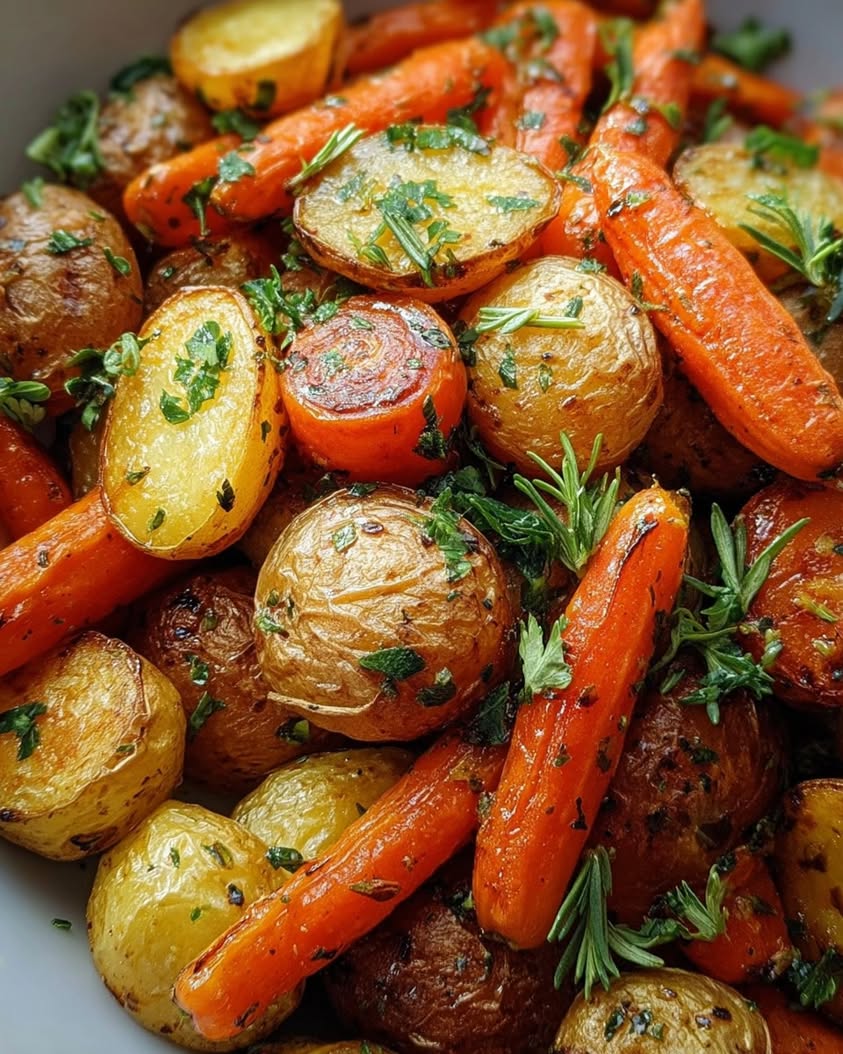
Rustic Oven-Roasted Potatoes and Carrots with Garden Herbs: An Easy, Healthy, and Delicious Side Dish Perfect for Any Meal
Imagine pulling a sheet pan from the oven filled with crispy, golden oven-roasted potatoes and carrots tossed with fresh garden herbs. The aroma alone is enough to gather everyone to the dinner table. This easy, healthy, and delicious side dish perfect for any meal is a testament to how simple ingredients can transform into something extraordinary. Moreover, it requires minimal hands-on effort, allowing you to focus on the main course or simply enjoy the process.
The magic of this recipe lies in the high-heat oven roasting technique. Consequently, it coaxes out the natural sugars in the vegetables, creating caramelized edges and tender, fluffy interiors. The fresh herbs add a final burst of fragrance and flavor that dried herbs simply cannot match. Ultimately, this dish is a versatile cornerstone for your culinary repertoire, pairing beautifully with everything from a weeknight roast chicken to a holiday feast.
Furthermore, this recipe celebrates the humble root vegetable. Potatoes and carrots, often pantry staples, become the star of the show. Their earthy sweetness, enhanced by roasting and herbs, provides a comforting and satisfying element to your plate. This rustic oven-roasted potatoes and carrots with garden herbs recipe is your new go-to for reliable, crowd-pleasing results every single time.
Quick Recipe Highlights
- Flavor Profile: This dish delivers a beautiful balance of savory, sweet, and herbal notes. The potatoes become wonderfully savory and crisp, while the carrots caramelize and sweeten in the oven’s heat. Fresh rosemary and thyme provide a piney, aromatic backbone that elevates the entire dish.
- Texture: You get the perfect textural contrast in every bite. The exteriors of the vegetables turn delightfully crispy and golden brown. Meanwhile, the interiors remain tender, fluffy for the potatoes, and soft yet substantial for the carrots.
- Aroma: As the vegetables roast, your kitchen will fill with an irresistible fragrance. Initially, you’ll smell the earthy notes of the vegetables roasting. Then, the essential oils from the fresh garden herbs release, creating a warm, inviting, and complex scent.
- Visual Appeal: The finished dish is a feast for the eyes with its vibrant color contrast. The golden-brown potatoes nestle alongside the bright orange, caramelized carrots. Finally, the flecks of green fresh herbs provide a beautiful and fresh garnish.
- Skill Level Needed: This is a fantastic recipe for beginners and seasoned cooks alike. It requires only basic knife skills for chopping and the ability to toss ingredients on a pan. There are no complicated techniques, making it an accessible and foolproof method.
- Special Equipment: You need only a few standard kitchen tools. A large baking sheet is essential for allowing space for the vegetables to roast, not steam. Additionally, a good chef’s knife and a mixing bowl for tossing the vegetables with oil and herbs are all you need.
Recipe Overview
- Difficulty Level: We rate this recipe as “Easy” for several compelling reasons. The steps are straightforward, involving chopping, tossing, and roasting. There is no intricate timing or advanced culinary skill required. Furthermore, the margin for error is small, as roasting is a forgiving cooking method. Even if you leave them in a few minutes longer, the results are still delicious.
- Category: This dish falls squarely into the side dish category, but it’s incredibly versatile. It can accompany proteins like chicken, beef, pork, or fish with equal success. Additionally, it can be part of a vegetarian or vegan spread, perhaps alongside a hearty lentil loaf or stuffed peppers.
- Cuisine: While roasted vegetables are a global tradition, this particular preparation leans into a rustic, farm-to-table American or European style. The use of fresh rosemary and thyme is classic in Mediterranean and French country cooking. Ultimately, it’s a celebration of simple, honest ingredients prepared well, a philosophy found in many culinary traditions.
- Cost: This is an exceptionally cost-effective recipe to prepare. Potatoes and carrots are among the most affordable vegetables year-round. Fresh herbs can be sourced from a garden, a windowsill pot, or purchased in small quantities. Therefore, you can create an impressive side dish for a family of four for just a few dollars.
- Season: This recipe truly shines in the fall and winter when root vegetables are at their peak sweetness and heartiness. However, it is a fantastic year-round option because the ingredients are always available. During spring and summer, consider using baby carrots or new potatoes for a seasonal twist.
- Occasion: Its versatility makes it suitable for any occasion, from casual to formal. It’s a perfect easy weeknight side to get dinner on the table fast. Conversely, it is elegant enough for holiday dinners like Thanksgiving or Christmas, where it complements richer dishes beautifully.
Why You’ll Love This Recipe
First and foremost, the taste and texture are utterly irresistible. The combination of crispy, golden oven-roasted potatoes and sweet, tender carrots is a classic for a reason. Each bite offers a satisfying crunch followed by a soft, flavorful interior. The fresh garden herbs are not just a garnish; they infuse the oil and coat each vegetable piece, ensuring every mouthful is fragrant and delicious. This harmonious blend of savory, sweet, and herbal notes makes it a side dish that often steals the show.
From a practical standpoint, the convenience is a major win. This easy, healthy, and delicious side dish perfect for any meal comes together with about 15 minutes of active prep. After that, the oven does the majority of the work. This hands-off time is perfect for preparing your main course, setting the table, or simply relaxing. Furthermore, it uses a single sheet pan, meaning cleanup is incredibly quick and simple. You will appreciate this streamlined process on busy evenings.
Nutritionally, this dish is a powerhouse of vitamins and fiber. Carrots are famously rich in beta-carotene, which supports eye health. Potatoes provide vitamin C, potassium, and resistant starch, especially when cooled. Cooking with heart-healthy olive oil and fresh herbs adds antioxidants without excessive calories or unhealthy fats. Consequently, you can feel good about serving this to your family, knowing it contributes to a balanced and wholesome diet.
For entertaining, this recipe offers tremendous social value. It scales up effortlessly to feed a crowd, requiring only additional sheet pans. The rustic, colorful presentation is always appealing on a buffet or family-style table. Moreover, its familiar yet elevated flavors please a wide range of palates, from picky children to discerning guests. It is a reliably delicious choice that removes stress from meal planning for gatherings.
Finally, the cost-effectiveness and accessibility cannot be overstated. The core ingredients are pantry staples that are affordable and available in every grocery store. You do not need any specialty items or expensive equipment. This accessibility ensures that anyone can create a restaurant-quality side dish at home on a modest budget. It proves that eating well does not have to be complicated or expensive.
Historical Background and Cultural Significance
The practice of roasting vegetables over fire is as old as cooking itself. However, the specific combination of potatoes and carrots roasted with herbs has its roots in European peasant cuisine. Historically, root vegetables like potatoes, carrots, turnips, and parsnips were reliable storage crops that lasted through harsh winters. Families would roast them in the embers of a hearth, often with wild herbs foraged from the countryside. This method of cooking was both practical and resourceful, transforming hardy staples into a warm, nourishing meal.
Culturally, roasted vegetables represent a connection to the land and seasonal eating. In many agrarian societies, the autumn harvest of root vegetables was a celebrated time. Roasting them was a common way to enjoy the bounty. This tradition carried over into modern home cooking and restaurant cuisine, especially with the rise of the “farm-to-table” movement. The dish symbolizes simplicity, sustainability, and a focus on ingredient quality over complicated technique.
The recipe has evolved significantly with the advent of modern kitchen technology. The transition from hearths to controlled-temperature ovens allowed for more consistent and easier roasting. The availability of fresh herbs year-round in supermarkets, not just seasonal gardens, changed the flavor profile. Today’s versions often include a wider variety of root vegetables, different fat choices like avocado oil, and global spice influences. Nevertheless, the core principle remains: high heat, good oil, salt, and herbs create magic.
Regional variations of this concept are found worldwide. In North America, it is a classic Sunday supper or holiday side. In the United Kingdom, a “roast dinner” is incomplete without roasted potatoes and parsnips. Mediterranean countries might use oregano and lemon, while French “roti” techniques emphasize butter and shallots. This global embrace highlights the universal appeal of caramelized, crispy vegetables. Each culture adds its own signature, but the foundational love for this cooking method is shared.
Ingredient Deep Dive
Potatoes are the undisputed king of comfort food, with a history spanning over 7,000 years from the Andes to global dominance. They are nutritional powerhouses, providing vitamin C, potassium, vitamin B6, and fiber, particularly with the skin on. For roasting, choose starchy varieties like Russets or Yukon Golds; they become fluffy inside and crisp up beautifully. Store them in a cool, dark, well-ventilated place—never in the refrigerator, as cold temperatures convert starch to sugar. If you need a substitution, sweet potatoes or parsnips offer a different but equally delicious sweet and earthy profile.
Carrots have evolved from their thin, purple ancestors in Persia to the sweet, orange roots we know today, largely due to Dutch cultivation. They are famously rich in beta-carotene, which the body converts to vitamin A, crucial for vision, immunity, and skin health. Look for firm, smooth carrots with vibrant color and fresh, green tops if possible. Store them in the crisper drawer of your refrigerator in a plastic bag. For a variation, try using multi-colored heirloom carrots or substitute with chopped winter squash or golden beets for a similar roasting texture and sweetness.
Fresh Rosemary is a woody, aromatic herb native to the Mediterranean, symbolizing remembrance and loyalty. It contains antioxidants like rosmarinic acid and has been linked to improved digestion and concentration. Select sprigs that are bright green and resilient, not dry or brittle. Store rosemary loosely wrapped in a damp paper towel inside a plastic bag in the fridge. If you must substitute, dried rosemary works but use one-third the amount; alternatively, fresh thyme or savory can provide a similar earthy, piney note.
Fresh Thyme offers a subtle, earthy flavor with mint and lemon undertones, used since ancient Egypt for embalming and in medieval Europe for courage. It possesses antibacterial properties and is a good source of vitamin C and iron. Choose bunches with small, perky leaves on flexible stems, avoiding any that look black or soggy. Store thyme similarly to rosemary. Dried thyme is a acceptable substitute, though less vibrant; marjoram or a small amount of herbes de Provence can also work in a pinch.
High-Quality Olive Oil is the liquid gold of the Mediterranean, central to its cuisine and culture for millennia. It is rich in monounsaturated fats and antioxidants, which are beneficial for heart health. For roasting, a good extra virgin olive oil adds flavor, but a pure olive oil has a higher smoke point. Store it in a cool, dark place to prevent rancidity. If substituting, avocado oil or grape seed oil are excellent neutral options with high smoke points, while melted coconut oil will add a subtle sweet flavor.
Common Mistakes to Avoid
- Overcrowding the Pan: This is the most common error. When vegetables are piled on top of each other, they steam instead of roast. Consequently, you will get soggy, pale vegetables instead of crispy, golden oven-roasted potatoes and carrots. Always use a large enough pan and spread them in a single layer.
- Using Wet Vegetables: If you wash your potatoes and carrots and do not dry them thoroughly, the excess water will inhibit browning. The water creates steam, which prevents the Maillard reaction (caramelization) from occurring properly. Always pat vegetables completely dry with a clean kitchen towel before tossing with oil.
- Neglecting to Preheat the Oven: A properly preheated oven is non-negotiable for good roasting. Putting vegetables into a cold oven causes them to cook unevenly and become mushy. Always allow your oven to reach the full specified temperature before inserting your baking sheet.
- Skimping on Oil or Salt: Oil conducts heat and helps achieve crispiness, while salt draws out moisture and seasons from within. Using too little oil can lead to dry, tough vegetables. Similarly, underseasoning at the start results in bland food. Be generous but not excessive with both.
- Cutting Vegetables Unevenly: If your potato and carrot pieces are different sizes, they will cook at different rates. Smaller pieces will burn before larger ones are tender. Aim for uniform, bite-sized chunks to ensure everything finishes roasting at the same time.
- Stirring Too Frequently: It is tempting to open the oven and move the vegetables around, but resist. Leaving them undisturbed allows the surfaces in contact with the hot pan to develop a proper crust. Stir only once, halfway through the cooking time, to promote even browning.
- Using Dried Herbs from the Start: Dried herbs burn easily in a hot oven, becoming bitter. If using dried herbs instead of fresh, add them in the last 5-10 minutes of cooking. Better yet, use fresh garden herbs for their resilient and bright flavor.
- Not Testing for Doneness: Relying solely on timer can lead to under or overcooked vegetables. Always test a piece of potato and carrot with a fork towards the end of cooking. They should be easily pierced and tender inside with a crispy exterior.
Essential Techniques
Uniform Chopping is the foundational technique for success. Cutting your potatoes and carrots into consistently sized pieces ensures they roast evenly. If pieces are different sizes, you will end up with some burnt and some undercooked vegetables. Aim for 1-inch chunks or wedges. Use a sharp chef’s knife and take your time. The visual cue for success is a baking sheet filled with pieces that all look roughly the same size, which guarantees they will finish cooking simultaneously.
Thorough Drying is critical for achieving caramelization. After washing your vegetables, any residual water on the surface will steam during roasting. This steam creates a barrier that prevents the intense, dry heat from crisping the exterior. Pat each piece diligently with a clean kitchen towel or paper towels until the surfaces are completely dry to the touch. This simple step is the difference between steamed and truly roasted vegetables.
The Single Layer Spread is the golden rule for crispy results. Overcrowding forces the vegetables to release their steam into a crowded space, which then stews them. Giving each piece ample space allows moisture to evaporate quickly, enabling browning. Use a large, rimmed baking sheet and resist the urge to pile on extra vegetables. If necessary, use two sheets. The visual cue is seeing the pan’s surface between the vegetable pieces, which allows for proper air circulation and heat contact.
High-Heat Roasting is the engine of flavor development. An oven temperature of 400-425°F (200-220°C) is ideal. This high heat rapidly caramelizes the natural sugars on the exterior of the vegetables while cooking the interior. A common pitfall is roasting at too low a temperature, which dries out the vegetables without browning them. Trust the process and let the hot oven work its magic, transforming simple ingredients into a deeply flavorful dish.
Pro Tips for Perfect Rustic Oven-Roasted Potatoes and Carrots
For extra crispiness, soak your chopped potatoes in cold water for 30 minutes before drying and roasting. This removes excess surface starch, which can cause gumminess and prevents crisp edges. Meanwhile, simply scrub the carrots well; soaking is not necessary for them.
Preheat your baking sheet in the oven. Placing the oiled vegetables onto a hot pan gives them an instant sear, jumpstarting the crisping process and preventing sticking. This is a professional chef’s trick for superior texture.
Toss your vegetables with oil, salt, and herbs in a large bowl, not directly on the pan. This ensures every piece gets an even, light coating. Consequently, the seasoning is distributed perfectly, and the herbs begin to release their oils.
Use the convection setting on your oven if you have it. The fan circulates the hot air, promoting more even browning and crisping all around each vegetable piece. If using convection, you may need to reduce the temperature by 25°F.
Add a splash of acidity after roasting. A quick drizzle of balsamic glaze, a squeeze of lemon juice, or a sprinkle of flavored vinegar just before serving can brighten all the flavors and cut through the richness.
Finish with fresh herbs a second time. While roasting with herbs is essential, adding a second handful of freshly chopped herbs after the vegetables come out of the oven provides a burst of vibrant color and fresh aroma.
Do not cover the vegetables after roasting. If you need to hold them before serving, leave them uncovered on the sheet pan. Covering them traps steam and immediately softens that hard-earned crispy exterior.
Variations and Adaptations
For regional variations, explore different global flavor profiles. A Mediterranean version might include lemon zest, oregano, and Kalamata olives tossed in after roasting. An Indian-inspired twist could use curry powder, turmeric, and garam masala with the oil. Alternatively, a Spanish “patatas bravas” style would feature smoked paprika and a garlic aioli for dipping. These adaptations show how the basic technique can travel across culinary borders with simple seasoning changes.
Seasonal adaptations keep this recipe exciting all year. In spring, use new potatoes and baby carrots with tender herbs like dill and chives. Summer calls for a lighter touch with zucchini and cherry tomatoes added in the last 15 minutes. Autumn is perfect for adding cubed sweet potato or parsnips to the mix. In winter, hearty roots like turnips and rutabaga make a robust and comforting combination. Let the farmer’s market guide your choices.
Dietary modifications are straightforward. For a vegan dish, ensure your oil is plant-based—it already is with olive oil. To make it Whole30 or Paleo, simply confirm your seasonings are compliant. A low-FODMAP version would use garlic-infused oil instead of fresh garlic and limit the serving size of certain vegetables. The recipe’s simplicity makes it a fantastic canvas for nearly any dietary need without sacrificing flavor.
Flavor variations can come from your spice cabinet or condiment shelf. Toss the vegetables with harissa paste or sriracha mixed into the oil for heat. Add a tablespoon of tomato paste or miso to the oil for umami depth. Sprinkle with grated Parmesan or nutritional yeast in the last five minutes of cooking for a cheesy crust. A spoonful of honey or maple syrup in the oil can enhance the caramelization on the carrots beautifully.
Serving and Presentation Guide
Plating techniques can elevate this rustic dish. For a family-style presentation, simply transfer the roasted vegetables to a warm, large serving platter. Scatter extra fresh herbs over the top. For individual plating, use a ring mold to create a neat stack in the center of the plate, or arrange the potatoes and carrots in alternating lines for a modern look. Always consider color; the vibrant orange carrots against golden potatoes is naturally appealing.
Garnishing adds the final touch of freshness and flavor. Beyond extra chopped herbs, consider toasted nuts like pine nuts or slivered almonds for crunch. A sprinkle of flaky sea salt, such as Maldon, just before serving enhances texture and taste. For richness, add small dollops of herb-infused butter or a drizzle of high-quality olive oil. Pomegranate arils or dried cranberries can provide a sweet, tart pop of color in the fall and winter.
Traditional accompaniments include roasted or grilled meats like chicken, steak, or pork chops. It is also a classic side for a holiday roast turkey or ham. For a vegetarian meal, pair it with a hearty lentil stew, a vegetable pot pie, or a large portobello mushroom. The earthy flavors complement proteins that are not overly sauced, allowing the vegetables to shine.
Modern serving suggestions might include using the roasted vegetables as a base for a grain bowl, topped with a fried egg and avocado. They can be chopped and folded into morning scrambled eggs or breakfast hash. Alternatively, let them cool and add them to a leafy green salad with a tangy vinaigrette for a hearty lunch option. Their versatility extends far beyond the dinner plate.
Wine and Beverage Pairing
Wine pairings for this dish should complement its earthy, herbal, and slightly sweet notes. A crisp, unoaked white wine like a Sauvignon Blanc or Pinot Grigio cuts through the richness and echoes the herbal flavors. For red wine lovers, a light to medium-bodied red such as Pinot Noir or Grenache works well, as it won’t overpower the vegetables. If your main course is a rich meat, match the wine to the protein first, as these versatile vegetables will likely pair nicely alongside.
Non-alcoholic alternatives offer wonderful pairing opportunities. A sparkling water with a squeeze of lemon or lime provides cleansing bubbles. Herbal iced teas, like mint or rosemary-infused tea, can mirror the garden herbs in the dish. For something richer, a creamy butternut squash soup or a tomato-based drink can complement the roasted flavors. The goal is to choose a beverage that refreshes the palate between bites.
Coffee and tea pairings might seem unconventional but can work, especially for a brunch setting. A medium-roast coffee with low acidity won’t clash with the savory notes. A black tea like Earl Grey, with its bergamot citrus notes, can be a surprising and pleasant contrast to the earthy vegetables. Generally, these pairings are best considered when the roasted vegetables are part of a larger breakfast or brunch spread.
Storage and Shelf Life
Storage methods are simple but important for maintaining quality. Allow the roasted vegetables to cool completely to room temperature after cooking. Then, transfer them to an airtight container. Do not leave them at room temperature for more than two hours to prevent bacterial growth. You can store them in the refrigerator for up to 4 days. For best texture, store potatoes and carrots separately if possible, as carrots release more moisture.
Reheating instructions are crucial for restoring crispiness. The oven or toaster oven is always superior to the microwave. Spread the leftovers in a single layer on a baking sheet and reheat at 375°F for 10-15 minutes, until hot and re-crisped. The microwave will steam them, making them soft. If you must use a microwave, do so briefly and then finish in a hot skillet with a little oil to regain some texture.
Freezing guidelines are possible but with caveats. The texture of the potatoes will change upon thawing, becoming grainier and less crisp. If you choose to freeze, spread the cooled vegetables on a parchment-lined sheet and freeze solid first (flash freeze), then transfer to a freezer bag. They will keep for 2-3 months. Reheat from frozen on a baking sheet in a hot oven; do not thaw first, as this will make them soggy. They are best used in soups, stews, or casseroles after freezing.
Make Ahead Strategies
A prep timeline can make weeknight dinners effortless. The day before, wash, peel (if desired), and chop your potatoes and carrots. Store them submerged in cold water in the refrigerator to prevent browning. Drain and pat thoroughly dry before using. You can also mix your oil and herbs in a small container. Then, when ready to cook, simply toss the dry vegetables with the herbed oil and roast. This cuts active prep time to just 5 minutes.
Storage between steps is key for quality. If you pre-cut vegetables, the water storage method is essential to prevent oxidation, especially for potatoes. Keep the herb-oil mixture separate until the last moment. Do not combine wet vegetables with oil and salt hours ahead, as the salt will draw out moisture and make them steam. Keeping components separate until roasting time preserves the ideal texture and chemical reactions for browning.
Assembly tips for a make-ahead approach are straightforward. Use the “mise en place” method: have all your prepped ingredients (dried vegetables, oil mixture, sheet pan) ready to go. You can even arrange the vegetables on the sheet pan, cover with plastic wrap, and refrigerate for a few hours before roasting. Just let the pan sit out for 10-15 minutes to take the chill off before putting it in the hot oven to ensure even cooking.
Scaling Instructions
Halving the recipe is simple for smaller households. Simply divide all ingredient quantities by two. Use a standard quarter-sheet pan or a smaller baking dish. The cook time may be slightly reduced by 5-10 minutes, so start checking for doneness earlier. The key is to still ensure the vegetables are in a single, uncrowded layer, even on the smaller pan. This maintains the proper roasting environment.
Doubling or tripling for a crowd requires more planning. Multiply all ingredients proportionally. You must use multiple baking sheets—do not pile all the vegetables onto one. Rotate the sheets top-to-bottom and front-to-back halfway through cooking for even browning. You may also need to extend the cooking time by 5-10 minutes, as a fuller oven can reduce air circulation. Consider roasting in batches if oven space is limited, keeping the first batch warm in a low oven.
Equipment adjustments are necessary when scaling. For large batches, heavy-duty, rimmed half-sheet pans are your best investment. Ensure you have enough oven racks to accommodate multiple pans with space between them for air flow. If using disposable aluminum pans, note they conduct heat differently and may require a lower temperature to prevent burning on the bottom. Always keep the single-layer rule sacred, regardless of batch size.
Nutritional Deep Dive
The macro breakdown of this dish is favorable for balanced eating. It is primarily a source of complex carbohydrates from the potatoes and carrots, providing sustained energy. The olive oil contributes healthy monounsaturated fats, which support heart health and help absorb fat-soluble vitamins from the vegetables. The dish is naturally low in protein, making it the perfect side to pair with a protein source like chicken, fish, or legumes for a complete meal.
A micronutrient analysis reveals a wealth of vitamins and minerals. Carrots are famously rich in beta-carotene (vitamin A), vital for vision and immune function. Potatoes provide a significant amount of vitamin C and potassium, an electrolyte important for blood pressure regulation. The fresh herbs, while used in small quantities, contribute antioxidants like rosmarinic acid and various phytonutrients that combat inflammation.
Health benefits extend beyond basic nutrition. The fiber content from the vegetable skins and flesh promotes digestive health and satiety. The cooking method—roasting with healthy fat—increases the bioavailability of certain nutrients compared to boiling. Furthermore, this is a whole-food, minimally processed dish free from added sugars or artificial ingredients. Incorporating such vegetable-centric sides into your diet is linked to overall better health outcomes.
Dietary Adaptations
For a gluten-free adaptation, this recipe is naturally perfect. Potatoes, carrots, herbs, oil, and salt are all inherently gluten-free. Always double-check that any pre-made spice blends or broths you might consider adding are certified gluten-free, but the base recipe requires no changes.
A dairy-free version is also the standard preparation. The recipe uses olive oil, not butter. To keep it dairy-free, simply avoid garnishes like Parmesan cheese or herbed butter at the end. For a creamy element without dairy, consider a drizzle of tahini sauce or a dollop of dairy-free pesto after roasting.
Creating a vegan dish is automatic, as the core recipe contains no animal products. It is a staple vegan side dish. To add richness, use a vegan butter alternative in the oil mix or finish with a sprinkle of nutritional yeast for a “cheesy” flavor. It pairs wonderfully with vegan mains like tofu, tempeh, or bean burgers.
For a low-carb or keto adaptation, focus on the carrots and reduce or omit the potatoes. Increase the quantity of carrots, and consider adding other low-carb roasting vegetables like cauliflower florets, broccoli, or radishes. The herbs and oil remain perfectly suitable. Be mindful of the natural sugars in carrots, but in moderate portions, they can fit into a low-carb plan.
Troubleshooting Guide
If your vegetables are soggy and not crispy, the issue is almost always overcrowding or excess moisture. Next time, ensure they are spread in a single layer with space between pieces and are thoroughly dried before oiling. Also, verify your oven temperature with an independent thermometer; an oven that runs cool will steam vegetables instead of roasting them. Finally, do not cover the pan during or immediately after cooking.
If the vegetables are burning on the bottom but not cooked inside, your oven’s heat source may be too intense at the bottom, or the pan is too thin. Use a heavy-gauge, rimmed baking sheet for even heat distribution. Placing a second empty sheet pan on the rack below can act as a heat shield. Also, ensure you are cutting the vegetables to the recommended uniform size so the interiors cook at the same rate the exteriors brown.
If the flavor is bland, you likely underseasoned. Remember, vegetables need a fair amount of salt. Season generously with kosher salt before roasting. Additionally, the fat (olive oil) carries flavor; using a robust, flavorful oil makes a difference. Finally, do not underestimate the power of finishing salt and fresh herbs after roasting to brighten and intensify the final taste.
Recipe Success Stories
Community feedback on this recipe consistently highlights its reliability and crowd-pleasing nature. Many home cooks report that it has become their default side dish for company because it always turns out well. Parents often share that it’s a successful way to get kids to eat more vegetables, especially when the carrots caramelize and become sweet. The simplicity is repeatedly praised, with beginners expressing joy at creating something that tastes “fancy” with minimal effort.
Variation successes from readers are inspiring. One cook added a sprinkle of smoked paprika and served it with grilled sausages for a Oktoberfest-themed dinner. Another roasted the vegetables with whole garlic cloves and finished with lemon zest for a Greek twist. A third reader, following a Whole30 plan, used the recipe as a base for breakfast bowls with eggs and avocado. These stories show how a basic template can spark creativity and adapt to personal tastes and dietary journeys.
Frequently Asked Questions
Can I use other vegetables with the potatoes and carrots? Absolutely. This method works for many hearty vegetables. Try adding parsnips, sweet potatoes, turnips, or whole garlic cloves. Just ensure they are cut to a similar size for even cooking. More delicate veggies like broccoli or zucchini should be added in the last 15-20 minutes of roasting.
Do I need to peel the potatoes and carrots? It is not necessary but is a matter of preference. Leaving the skins on adds fiber, nutrients, and a more rustic texture. Just be sure to scrub them very well under running water to remove any dirt. If using organic vegetables, peeling is even less critical.
Why are my roasted vegetables not crispy? The most common reasons are overcrowding the pan, not drying the vegetables before oiling, or an oven temperature that is too low. Ensure you follow the single-layer rule, pat everything dry, and preheat your oven fully. Using the convection setting can also help achieve crispier results.
Can I use dried herbs instead of fresh? You can, but the flavor will be different and less vibrant. If using dried herbs, add them in the last 5-10 minutes of cooking to prevent burning. Use about one-third the amount of dried herbs compared to fresh (e.g., 1 tsp dried instead of 1 tbsp fresh).
What is the best oil for roasting vegetables? Olive oil is excellent for flavor and has a sufficient smoke point for 425°F roasting. Avocado oil and grape seed oil are great neutral alternatives with even higher smoke points. Avoid extra virgin olive oil if your oven runs very hot, as it can smoke; pure olive oil is a safer bet.
How do I prevent the vegetables from sticking to the pan? Ensure your baking sheet is well-coated with oil. Lining the pan with parchment paper or a silicone baking mat guarantees no sticking and makes cleanup easier. Avoid wax paper, as it can burn in a hot oven.
Can I make this recipe ahead of time? You can prep the vegetables and herb-oil mixture ahead, but for best texture, roast them just before serving. If you must roast ahead, reheat them in a hot oven (not the microwave) to restore crispiness. They will still taste good but are best fresh from the oven.
Are these roasted vegetables healthy? Yes, they are a very healthy side dish. They are made from whole vegetables, cooked with healthy fat, and are rich in vitamins, fiber, and antioxidants. They are much healthier than fried alternatives or sides loaded with cream and butter.
What main dishes pair well with this? They are incredibly versatile. Pair them with roasted chicken, grilled steak, baked fish, pork chops, meatloaf, or vegetarian options like lentil loaf or stuffed peppers. They are also a classic holiday side for turkey or ham.
Can I freeze the leftovers? You can, but
Print
Rustic Oven-Roasted Potatoes and Carrots with Garden Herbs
Description
A simple, hearty side dish featuring crispy potatoes and tender carrots roasted with fresh herbs and olive oil.
Ingredients
For the Crust:
- 2 lbs baby potatoes, halved
- 1 lb carrots, peeled and cut into 2-inch pieces
- 3 tbsp olive oil
- 4 cloves garlic, minced
- 2 tbsp fresh rosemary, chopped
- 2 tbsp fresh thyme leaves
- 1 tsp salt
- 1/2 tsp black pepper
Instructions
1. Prepare the Crust:
- Preheat oven to 425°F (220°C). Line a baking sheet with parchment paper.
- In a large bowl, toss potatoes and carrots with olive oil, garlic, rosemary, thyme, salt, and pepper until evenly coated.
- Spread vegetables in a single layer on the baking sheet. Roast for 25-30 minutes, flipping halfway, until golden and tender.
Notes
You can customize the seasonings to taste.

I’m Shaykee—born in Morocco, seasoned across continents. From airplane galleys to home kitchens, I share the flavors and stories that shaped my journey.