
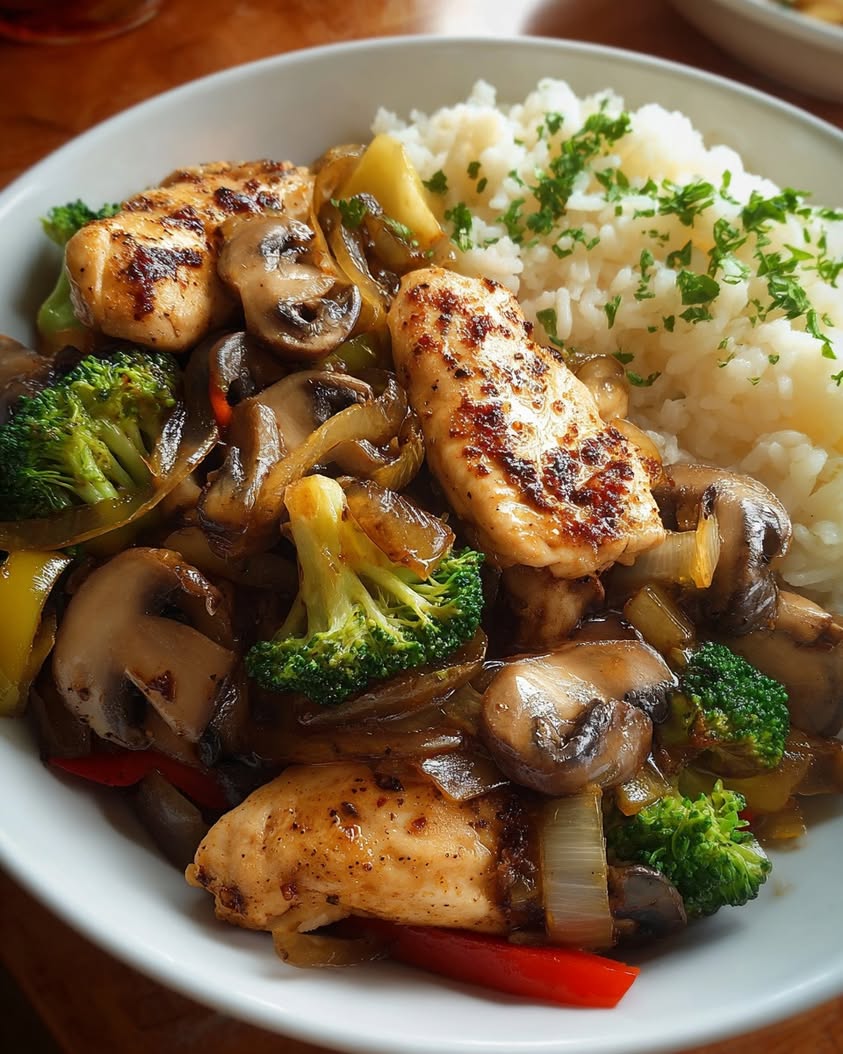
Savory Garlic Chicken with Veggie Medley & Creamy Mashed Potatoes: A Complete, Comforting Dinner Plate
Imagine a dinner plate that delivers pure, unadulterated comfort. This recipe for savory garlic chicken with veggie medley & creamy mashed potatoes is exactly that. It is a complete meal that brings together juicy, herb-rubbed chicken, a rainbow of tender-crisp roasted vegetables, and a cloud-like mound of buttery potatoes. Consequently, every element is designed to harmonize, creating a symphony of flavors and textures that feels both indulgent and wholesome. Ultimately, this dish is the answer to the perennial question of what to make for a satisfying weeknight dinner that will please the entire family.
The magic of this savory garlic chicken recipe lies in its beautiful simplicity and robust flavors. Firstly, the chicken breasts are seasoned with a generous amount of garlic, paprika, and herbs, then pan-seared to golden perfection. Meanwhile, a colorful medley of zucchini, bell peppers, and carrots roasts in the oven, caramelizing at the edges and becoming wonderfully sweet. Simultaneously, Yukon Gold potatoes boil until fork-tender, ready to be transformed into the creamiest, dreamiest mashed potatoes. As a result, you get a restaurant-quality plate that is surprisingly straightforward to prepare at home.
This meal is more than just food; it is an experience. The aroma of garlic and herbs sizzling in the pan will draw everyone into the kitchen. Furthermore, the visual appeal of the golden chicken alongside the vibrant veggies and creamy white potatoes makes for a stunning presentation. Whether you are cooking for a busy Tuesday or a relaxed Sunday supper, this savory garlic chicken with veggie medley & creamy mashed potatoes promises to be a crowd-pleaser that delivers comfort and flavor in every single bite.
Quick Recipe Highlights
- Flavor Profile: This dish is a masterclass in balanced tastes. The savory garlic chicken offers a deep, umami-rich and slightly smoky flavor from the paprika and sear. In contrast, the roasted veggie medley brings natural sweetness and a hint of char, while the creamy mashed potatoes provide a rich, buttery, and smooth base that ties everything together.
- Texture: You will enjoy a delightful contrast in every mouthful. The chicken has a beautifully seared, slightly crisp exterior giving way to a tender and juicy interior. Meanwhile, the vegetables offer a tender-crisp bite with caramelized edges. Finally, the velvety smoothness of the mashed potatoes creates a perfect, comforting counterpoint to the other components.
- Aroma: The cooking process fills your kitchen with an irresistible fragrance. Initially, you will smell the earthy, pungent notes of minced garlic and dried herbs hitting the hot oil. Subsequently, the scent of roasting vegetables, with their natural sugars caramelizing, adds a sweet depth. Ultimately, the final plate delivers a warm, savory, and deeply comforting aroma.
- Visual Appeal: This plate is a feast for the eyes with its vibrant color palette. The golden-brown sear on the chicken breasts looks incredibly appetizing. Additionally, the veggie medley pops with bright greens, reds, and oranges from the zucchini, bell peppers, and carrots. Against this, the snowy white mound of creamy mashed potatoes creates a beautiful and inviting canvas.
- Skill Level Needed: This is an accessible recipe perfect for novice cooks and weeknight warriors. The techniques involved—seasoning, pan-searing, roasting, and boiling—are fundamental. Therefore, with clear instructions and a bit of organization, anyone can achieve excellent results and build confidence in the kitchen.
- Special Equipment: You only need basic kitchen tools. A reliable large skillet or cast-iron pan is essential for searing the chicken. Furthermore, a sturdy baking sheet is needed for roasting the vegetables, and a large pot for boiling the potatoes. Finally, a potato masher or ricer will ensure your mashed potatoes are perfectly creamy.
Recipe Overview
- Difficulty Level: We classify this savory garlic chicken recipe as “Easy.” The steps are sequential and logical, requiring no advanced culinary skills. You simply prepare components in stages: chop veggies, season chicken, start the potatoes, then manage the cooking times. Consequently, even a first-time cook can follow along and produce an impressive, complete meal.
- Category: This recipe firmly belongs in the “Main Course” and “Comfort Food” categories. It is a hearty, protein-centered dish designed to be the star of the dinner table. Moreover, it fits perfectly into “Family Dinners” and “Weeknight Meals” due to its straightforward preparation and universal appeal.
- Cuisine: While not tied to one specific tradition, this dish draws inspiration from American home cooking and bistro-style fare. The use of pan-seared chicken and roasted vegetables is a classic Western technique. Meanwhile, the emphasis on garlic and herbs gives it a rustic, Mediterranean flair, making it a versatile and globally-inspired plate.
- Cost: This is a very cost-effective meal, utilizing affordable, whole ingredients. Chicken breasts, potatoes, and seasonal vegetables like zucchini and carrots are typically budget-friendly. Additionally, pantry staples like garlic, oil, and dried herbs form the flavor base, ensuring you get maximum taste without a hefty grocery bill.
- Season: This savory garlic chicken dinner is truly a year-round recipe. In colder months, it provides hearty, warming comfort. Conversely, in spring and summer, you can adapt the veggie medley to include asparagus, cherry tomatoes, or summer squash, making it a bright and seasonal dish whenever you prepare it.
- Occasion: It is incredibly versatile for different events. Primarily, it is an ideal weeknight family dinner. Furthermore, it is impressive enough for casual weekend entertaining or a comforting date night at home. Basically, it suits any occasion where delicious, satisfying food is the goal.
Why You’ll Love This Recipe
First and foremost, the taste and texture appeal of this dish is undeniable. Each component is thoughtfully seasoned and cooked to highlight its best qualities. The savory garlic chicken is juicy and packed with flavor, the vegetables are sweet and slightly charred, and the mashed potatoes are luxuriously smooth. Together, they create a perfect bite that is both familiar and exciting. Every forkful delivers a satisfying contrast that keeps you coming back for more, ensuring this recipe becomes a regular in your dinner rotation.
From a convenience standpoint, this recipe is a weeknight hero. While it is a complete meal from scratch, the steps are efficient and can often be done concurrently. You can chop vegetables while the potatoes boil, and the chicken sears while the veggies roast. This parallel prep makes the one-hour total time fly by. Moreover, the ingredients are easy to find and the cleanup is manageable, especially if you use parchment paper on your baking sheet. Ultimately, it proves that a wholesome, homemade dinner doesn’t require hours of slaving in the kitchen.
Nutritionally, this plate offers a wonderful balance. The chicken provides lean protein essential for muscle repair and satiety. The colorful vegetable medley delivers a wide array of vitamins, minerals, and fiber, supporting overall health and digestion. Using Yukon Gold potatoes with their skin on adds extra fiber and nutrients to the creamy mashed potatoes. By controlling the amount of butter and cream, you can easily adjust the dish to fit your dietary needs, making it a meal you can feel good about serving.
For social and entertaining value, this dish is a true winner. It presents beautifully on the plate, giving the impression of a chef-crafted meal. It is universally liked, avoiding common allergens or overly adventurous flavors that might put off guests. You can easily double or triple the recipe to feed a crowd without significantly increasing your active kitchen time. Serving this savory garlic chicken dinner says you care enough to prepare something special, yet you are relaxed enough to enjoy the company.
Finally, its cost-effectiveness and accessibility cannot be overstated. It transforms inexpensive, foundational ingredients into something extraordinary. A single package of chicken breasts, a bag of potatoes, and a few fresh vegetables yield a meal that would cost significantly more at a restaurant. The recipe is also highly adaptable; if bell peppers are expensive, use broccoli. If you have no fresh herbs, dried ones work perfectly. This flexibility ensures you can make a delicious, comforting meal regardless of what is in your fridge or your budget.
Historical Background and Cultural Significance
The concept of pairing a protein with vegetables and a starch is a culinary tradition found in countless cultures worldwide. This specific combination of savory garlic chicken, roasted vegetables, and creamy mashed potatoes is a modern evolution of the classic “meat and potatoes” dinner that forms the backbone of much North American and European home cooking. Its origin is not tied to a single chef or region but rather emerged from a universal desire for hearty, balanced, and flavorful meals that can be prepared with relative ease. It represents the practical, comforting cuisine of home kitchens rather than haute cuisine.
Culturally, this plate speaks to the idea of a “complete dinner.” In many Western households, a proper meal historically consisted of these three elements: a central protein, a supporting vegetable side, and a filling starch. This structure ensured nutritional balance and satiety for families, especially those engaged in physical labor. The garlic chicken element reflects a broader 20th-century trend of using garlic more liberally in everyday cooking, moving beyond its traditional role in specific ethnic cuisines to become a global pantry staple for adding depth and savoriness.
The evolution of this recipe is directly linked to changes in home cooking technology and ingredient availability. The method of pan-searing chicken to create a flavorful crust became more accessible with the widespread use of reliable stovetops and durable cookware like cast iron. Similarly, oven-roasting vegetables to enhance their natural sweetness gained popularity as home ovens became more standardized and accurate. The creamy mashed potatoes, a dish with roots in 18th-century Europe, were perfected with the introduction of varieties like Yukon Golds, which offer a naturally buttery flavor and creamy texture when mashed.
Regional variations of this concept are endless. In the American South, the chicken might be seasoned with Cajun or blackening spices, and the potatoes could be cheesy grits. In Mediterranean regions, the herbs would shift to oregano and rosemary, with the vegetables including eggplant and tomatoes. A French bistro might serve a similar plate with a pan-seared chicken breast (supreme), ratatouille, and pommes purée. This adaptability is the recipe’s true strength, allowing it to absorb local flavors and ingredients while maintaining its core, comforting structure.
Ingredient Deep Dive
Chicken Breasts: Boneless, skinless chicken breasts are the lean canvas for our flavorful garlic herb rub. A staple in modern kitchens due to their convenience and quick cooking time, they are an excellent source of high-quality protein and B vitamins. For the best results, select breasts that are similar in size and thickness to ensure even cooking. To prevent dryness, avoid overcooking; they are done at an internal temperature of 165°F. For a juicier result, you can brine them briefly in saltwater before cooking. If preferred, chicken thighs can be substituted for a richer, more forgiving cut.
Yukon Gold Potatoes: These potatoes are the gold standard for creamy mashed potatoes. They have a naturally buttery flavor and a waxy, moist texture that mashes into smooth perfection without becoming gluey. Historically, they are a relatively modern cultivar, developed in Canada in the 1960s. They are rich in vitamin C, potassium, and fiber, especially if you leave the thin skins on. Choose firm potatoes without green spots or sprouts. Store them in a cool, dark, well-ventilated place—not in the refrigerator. Russet potatoes can be used as a substitute but will yield a fluffier, less creamy mash.
Fresh Garlic: Garlic is the aromatic heart of this dish, providing the signature “savory” note. Cultivated for over 5,000 years, it has been used both as food and medicine across ancient Egypt, China, and Rome. It contains allicin, a compound with noted antimicrobial and potential cardiovascular benefits. Select firm, plump heads with tight, papery skin. Avoid heads that are sprouting or feel light. Store at room temperature in a dry place. For the most potent flavor, mince it fresh just before using. In a pinch, 1/8 teaspoon of garlic powder can substitute for one fresh clove, though the flavor profile will be less complex.
Paprika & Dried Herbs: Paprika, made from dried and ground peppers, adds a subtle sweetness, vibrant color, and mild smokiness to the chicken rub. Meanwhile, dried herbs like thyme and oregano offer earthy, aromatic notes that withstand the heat of cooking. These dried spices were crucial historically for preserving summer harvests to flavor winter meals. For the best flavor, ensure your dried herbs and spices are not older than a year, as they lose potency over time. Store them away from heat and light. Fresh herbs can be used as a garnish or added at the end of cooking for a brighter, though different, flavor profile.
Vegetable Medley (Zucchini, Bell Pepper, Carrot): This trio provides color, texture, vitamins, and fiber. Zucchini, a summer squash, is mild and tender. Bell peppers, technically fruits, offer a crisp sweetness and are packed with vitamin C. Carrots add earthy sweetness and beta-carotene. Roasting them concentrates their flavors and caramelizes their natural sugars. Select vegetables that are firm, brightly colored, and heavy for their size. Store them in the refrigerator’s crisper drawer. This medley is highly adaptable: broccoli, asparagus, red onion, or cherry tomatoes would all be excellent additions or substitutions based on seasonality and preference.
Common Mistakes to Avoid
- Overcrowding the Pan: When searing the chicken, do not overcrowd the skillet. If the pieces are too close together, they will steam instead of developing a beautiful golden-brown crust. Consequently, you lose that crucial textural contrast and deep flavor. Always cook in batches if necessary to give each piece ample space.
- Underseasoning the Chicken: Chicken breasts need generous seasoning to be flavorful throughout. Do not be shy with the garlic, herbs, salt, and pepper. Make sure to season both sides evenly and press the seasoning into the flesh. This step is foundational for creating that savory garlic chicken profile.
- Boiling Potatoes in Huge Chunks: Cutting the potatoes into uniform, 1-inch pieces ensures they cook evenly and at the same rate. If you leave them in large chunks, the exteriors will become waterlogged and mushy before the interiors are tender, leading to lumpy and uneven mashed potatoes.
- Using Cold Dairy for Mashed Potatoes: Adding cold milk or cream directly to hot potatoes can shock them and make the mash gluey. Always warm your dairy gently before incorporating it. This helps the potatoes absorb the liquid smoothly, resulting in a creamier, more cohesive texture.
- Overcooking the Vegetables: Roasted vegetables should be tender-crisp, not mushy. Keep an eye on them and check for doneness with a fork. They should pierce easily but still offer slight resistance. Remember, they will carryover cook a bit after being removed from the oven.
- Not Letting the Chicken Rest: Slicing into the chicken immediately after cooking causes all the precious juices to run out onto the cutting board, leaving the meat dry. Always let it rest for 5-10 minutes tented with foil. This allows the juices to redistribute, guaranteeing a moist and juicy bite.
- Mashing Potatoes with a Food Processor: This is a critical error. A food processor or blender will overwork the potato starches, creating a gummy, elastic texture reminiscent of paste. Instead, use a potato masher, ricer, or even a sturdy fork for the perfect creamy mashed potatoes.
- Forgetting to Preheat the Baking Sheet: For the best roasted vegetables, preheat your empty baking sheet in the oven. When you add the veggies, they immediately start sizzling and caramelizing, which prevents steaming and promotes those delicious, flavorful browned edges.
Essential Techniques
Pan-Searing for a Flavorful Crust: Pan-searing is the technique of cooking food in a hot pan with a small amount of fat to create a browned, flavorful exterior. It is crucial for the savory garlic chicken because the Maillard reaction—a chemical process—occurs, developing complex, umami-rich flavors and an appealing color that you cannot achieve through boiling or steaming. To master it, ensure your pan is properly preheated before adding the oil and chicken. The chicken should sizzle loudly upon contact. Avoid moving it constantly; let it develop a crust before flipping. A common pitfall is using a pan that is not hot enough, leading to pale, steamed chicken. Visual cues for success include a deep golden-brown color and the chicken releasing easily from the pan when the crust has formed.
Oven-Roasting Vegetables: Roasting is a dry-heat cooking method that uses hot air to cook food evenly and caramelize its natural sugars. This technique is essential for the veggie medley as it concentrates flavors, adds sweetness, and creates a desirable tender-crisp texture with slightly charred edges. To master it, cut vegetables into uniform sizes for even cooking, toss them thoroughly in oil and seasoning, and spread them in a single layer on a preheated sheet pan. Overcrowding is the main pitfall, as it causes steaming. Visual cues include softened texture, shrunken appearance, and browned, caramelized spots on the edges of the vegetables.
Creating Creamy Mashed Potatoes: The goal is to mash cooked potatoes into a smooth, creamy, lump-free consistency while avoiding a gummy texture. The technique is important because it transforms a simple starch into a luxurious component that balances the entire plate. Mastery starts with using the right potato variety, like Yukon Golds. Cook them until very tender, drain thoroughly, and return them to the hot pot for a minute to evaporate excess moisture. Mash them before adding warm, not cold, dairy. The key pitfall is over-mashing or using aggressive tools like a food processor, which breaks down starch cells too much and creates glueiness. Perfect creamy mashed potatoes should be smooth, hold soft peaks, and have a rich, buttery flavor.
Pro Tips for Perfect Savory Garlic Chicken Dinner
First, bring your chicken breasts to room temperature for about 15 minutes before cooking. This simple step promotes even cooking from edge to center, preventing the outside from overcooking while the inside remains underdone.
For an extra flavor boost in your mashed potatoes, simmer the garlic cloves with the potatoes as they boil. They will become soft and sweet, and you can mash them right into the potatoes for a subtle, infused garlic flavor throughout.
Elevate your veggie medley by adding a final flourish after roasting. A drizzle of balsamic glaze, a sprinkle of fresh lemon zest, or a handful of chopped fresh herbs like parsley or basil will add a bright, fresh layer of flavor.
To guarantee juicy chicken every time, use an instant-read thermometer. Remove the chicken from the pan when it reaches 160°F; the residual heat will carry it to the safe temperature of 165°F as it rests, preventing overcooking.
If your mashed potatoes seem too loose or wet, place the pot back over low heat and stir constantly for a few minutes. This will help evaporate any excess moisture and thicken them to the perfect creamy consistency.
For a restaurant-style presentation, use a round cookie cutter or a small bowl to create a neat, circular mound of mashed potatoes in the center of each plate. Lean the sliced chicken against it and artfully arrange the roasted vegetables around the perimeter.
To save on cleanup and prevent sticking, line your baking sheet with parchment paper or a silicone baking mat before roasting the vegetables. This also makes tossing the veggies in oil and seasoning much easier.
If you want a richer sauce, after removing the cooked chicken from the skillet, deglaze the pan with a splash of chicken broth or white wine. Scrape up the browned bits (fond), let it reduce slightly, and drizzle this simple pan sauce over the plated chicken.
Variations and Adaptations
Regional Variations: Take this savory garlic chicken dinner on a world tour with simple tweaks. For an Italian twist, use rosemary and sun-dried tomatoes in the veggie mix, and stir Parmesan into the mashed potatoes. For a Spanish flair, season the chicken with smoked paprika and add chorizo to the roasting vegetables. An Asian-inspired version could use a ginger-soy marinade for the chicken and swap the potatoes for jasmine rice.
Seasonal Adaptations: Embrace produce at its peak. In spring, use asparagus, peas, and new potatoes. Summer calls for cherry tomatoes, yellow squash, and corn. Autumn is perfect for sweet potatoes, Brussels sprouts, and parsnips. In winter, hearty roots like turnips and rutabaga work wonderfully. This approach keeps the meal exciting and aligned with the freshest, most affordable ingredients.
Dietary Modifications: This recipe is highly adaptable. For a gluten-free meal, ensure all spices are certified GF—it is naturally compliant. For dairy-free creamy mashed potatoes, use olive oil or vegan butter and unsweetened almond or oat milk. To make it low-carb or keto, replace the potatoes with mashed cauliflower. For a paleo version, use ghee or avocado oil and serve with mashed sweet potato.
Flavor Variations: Experiment with the seasoning profile. Swap the paprika for Cajun seasoning for a spicy kick. Use a lemon-herb rub with fresh dill and lemon zest on the chicken. Incorporate different fats like duck fat for roasting the vegetables or truffle oil in the mashed potatoes for a gourmet touch. The basic framework is perfect for culinary experimentation.
Texture Modifications: Play with textures to suit your preference. Leave the skins on the potatoes for a rustic mash with more fiber. Cut the vegetables into different shapes—julienne the carrots, slice the zucchini into rounds, or chop the peppers into large chunks for varied mouthfeel. You could even bread the chicken with panko for a crispy exterior instead of a simple sear.
Presentation Alternatives: Move away from the traditional plate. Serve the creamy mashed potatoes as a base in a wide, shallow bowl, topped with sliced chicken and veggies, drizzled with a pan sauce. For a family-style feast, present the chicken whole on a platter surrounded by the vegetables, with the mashed potatoes in a separate serving bowl. For individual portions, use ring molds for a sleek, stacked presentation.
Serving and Presentation Guide
Plating Techniques: Start with a warm plate to keep the food at an ideal temperature. Place a generous scoop of creamy mashed potatoes slightly off-center. Against the potatoes, fan out the sliced savory garlic chicken. Then, artfully scatter the roasted veggie medley around, allowing the colors to show. This creates height and visual interest. Alternatively, for a casual family dinner, serve each component in its own section of the plate for a classic, comforting look.
Garnishing Ideas: A simple garnish transforms the plate from home-cooked to restaurant-worthy. A sprinkle of finely chopped fresh parsley or chives adds a pop of green and fresh flavor. A light dusting of paprika or cracked black pepper over the chicken enhances its appearance. A small pat of butter melting on top of the mashed potatoes is always inviting. For a special touch, a few microgreens or edible flowers elevate the dish instantly.
Traditional Accompaniments: While this is a complete meal, a simple side salad with a light vinaigrette can provide a refreshing, acidic contrast to the rich, savory elements. A warm, crusty bread roll is perfect for sopping up any juices or leftover mashed potatoes. For a heartier spread, consider adding a small bowl of gravy or a tangy cranberry sauce on the side, especially during the holidays.
Modern Serving Suggestions: For a contemporary twist, deconstruct the elements. Serve the mashed potatoes in a small cast-iron skillet, top with the veggies, and place the sliced chicken over the top. Alternatively, serve the components in separate small bowls or on a large wooden board for a “family-style tapas” experience where everyone can build their own perfect bite.
Temperature Considerations: Temperature is key to enjoyment. The chicken and vegetables should be served hot, straight from the oven and pan. The mashed potatoes are best served very warm. To keep everything hot if cooking in batches, you can hold the chicken and vegetables in a warm (200°F) oven while you finish the potatoes. Always warm your serving platters and plates.
Portion Control Tips: A standard serving is one chicken breast half, about one cup of vegetables, and roughly ¾ to 1 cup of mashed potatoes per person. To manage portions easily, use a large ice cream scoop for the potatoes to ensure consistent sizing. When slicing the chicken, cut on a bias for wider, more elegant slices that make the portion appear generous and well-presented.
Wine and Beverage Pairing
Wine Pairings: The savory garlic chicken and creamy elements call for wines with good acidity to cut through the richness. A classic Chardonnay, especially one with a touch of oak, complements the buttery mashed potatoes and roasted veggies beautifully. For red wine lovers, a medium-bodied Pinot Noir with its red fruit notes and earthy undertones pairs excellently with the chicken and herbs without overpowering the dish. A dry Rosé is also a fantastic, versatile choice that bridges the gap between the white and red profiles.
Non-Alcoholic Alternatives: Sparkling water with a twist of lemon or lime provides a clean, palate-cleansing effervescence. For something more substantial, a tart cherry juice or pomegranate spritzer (mixed with soda water) offers sweetness and acidity that mirrors the function of wine. Iced herbal tea, like rosemary or mint, can also be a refreshing and aromatic companion to this savory meal.
Coffee/Tea Pairings: While not a traditional pairing for the meal itself, a cup of coffee or tea afterwards can be lovely. A medium-roast coffee with low acidity would be a comforting finish. Alternatively, a cup of herbal tea such as chamomile or peppermint can aid digestion after a hearty meal. For a more adventurous pairing, a smoky Lapsang Souchong tea could echo the subtle smokiness of the paprika.
Temperature Considerations: White and rosé wines should be served chilled, between 45-55°F. Red wines like Pinot Noir are best served slightly cooler than room temperature, around 55-60°F. Non-alcoholic sparkling drinks should be well-chilled. Serving beverages at their proper temperature ensures they taste their best and perform their role of complementing or contrasting the food effectively.
Serving Suggestions: Always offer water on the table alongside any other beverage. If serving wine, consider decanting the red wine for 30 minutes before serving to allow it to open up and breathe. For a dinner party, you might offer both a white and a red option to cater to different guest preferences, as this dish is versatile enough to pair with either.
Storage and Shelf Life
Storage Methods: Store all components separately in airtight containers in the refrigerator for best results. The savory garlic chicken, veggie medley, and creamy mashed potatoes will keep for 3-4 days. Do not leave the assembled meal at room temperature for more than two hours. For the mashed potatoes, press a piece of plastic wrap directly onto the surface before sealing the container to prevent a skin from forming.
Temperature Requirements: Refrigerate promptly at 40°F or below. If you need to cool the components quickly before storing, spread them out on a baking sheet for a short time before transferring to containers. This prevents the residual heat from raising the temperature inside your refrigerator and affecting other foods.
Container Recommendations: Use glass or BPA-free plastic containers with tight-fitting lids. For the mashed potatoes, a shallow container is better than a deep one, as it allows for faster, more even cooling and reheating. Mason jars work well for individual portions if you are meal prepping.
Signs of Spoilage: Discard any component if you notice an off or sour smell, significant discoloration (like grayish potatoes or slimy vegetables), or mold growth. If the chicken develops a tacky or sticky surface, it is no longer safe to eat. When in doubt, throw it out.
Reheating Instructions: Reheat gently to preserve texture. For the chicken, slice it and warm it in a covered skillet with a splash of broth or water over low heat to prevent drying. Vegetables can be reheated in a 350°F oven for 10-15 minutes or in a skillet. Mashed potatoes reheat best on the stovetop over low heat with a splash of milk, stirred frequently. You can also reheat potatoes in the microwave in 30-second intervals, stirring between each.
Freezing Guidelines: The chicken and veggie medley freeze reasonably well for up to 2-3 months. Blanched vegetables freeze better than roasted. Mashed potatoes can be frozen, but their texture may become slightly grainy upon thawing due to moisture separation. If freezing, store in freezer-safe bags or containers, removing as much air as possible. Thaw in the refrigerator overnight before reheating.
Make Ahead Strategies
Prep Timeline: You can prep this entire meal 1-2 days in advance. Chop all vegetables and store them in separate bags or containers in the fridge. Mix the dry seasoning rub for the chicken. Peel and cut the potatoes, submerge them in water in a pot, and store them in the refrigerator. This “mise en place” turns cooking day into a simple assembly and cooking process.
Storage Between Steps: Keep prepped ingredients in clearly labeled containers. The cut potatoes must be kept submerged in water to prevent oxidation (browning). The seasoned chicken can be placed on a plate, covered, and refrigerated. The chopped veggies can be tossed with oil and stored in a bowl, ready to be spread on a sheet pan.
Quality Impact Assessment: Prepping vegetables ahead has minimal impact on quality. Pre-seasoning the chicken can actually enhance flavor as the salt penetrates the meat. The potatoes may lose a small amount of starch into the water, but this can result in even fluffier mashed potatoes. Overall, make-ahead prep saves significant time with a negligible effect on the final delicious result.
Assembly Tips: On cooking day, drain and rinse the potatoes before boiling. Pat the chicken dry if any moisture has accumulated. Give the veggies a final toss before roasting. Having everything pre-measured and ready allows you to focus on the cooking techniques—searing, roasting, and mashing—without the pressure of chopping and measuring.
Reheating Guidelines: If you fully cook all components ahead, follow the reheating instructions in the storage section. To refresh the vegetables, a quick toss in a hot pan can revive their texture better than the microwave. Adding a fresh garnish like chopped herbs after reheating will bring back a bright, just-cooked appearance and flavor.
Fresh Element Additions: Even with make-ahead prep, plan to add a fresh element just before serving. This could be a final sprinkle of flaky sea salt, a drizzle of high-quality olive oil, a squeeze of lemon juice over the veggies, or a garnish of freshly chopped parsley or chives. This simple step elevates the dish and makes it taste freshly made.
Scaling Instructions
Halving the Recipe: Halving this savory garlic chicken dinner for two people is straightforward. Simply divide all ingredient quantities by two. Use a medium skillet for the chicken and a quarter sheet pan for the vegetables to maintain proper cooking surface coverage. Cooking times may be slightly reduced, so rely on visual and temperature cues (165°F for chicken, fork-tender potatoes) rather than the timer alone.
Doubling or Tripling: To feed a crowd, multiply the ingredients consistently. The key adjustment is equipment: you will need multiple skillets or to cook the chicken in batches. Use two large baking sheets for the vegetables, rotating them in the oven halfway through for even roasting. For the mashed potatoes, use a very large pot and consider using a stand mixer with a paddle attachment (on low speed) to mash large batches efficiently.
Equipment Adjustments: Scaling up requires planning. Ensure you have enough sheet pans, pots, and serving platters. If oven space is limited, you may need to roast vegetables in consecutive batches, keeping the first batch warm in a low oven. For very large groups, consider using an electric roasting pan or a commercial-style chafing dish to keep components hot during service.
Timing Modifications: While prep time scales linearly, active cooking time may not. Searing chicken will take longer if done in multiple batches. Potato boiling time may increase slightly with a larger volume of water and potatoes. Build in extra buffer time when cooking for a party. Start with the potatoes, as mashed potatoes hold their heat well when kept covered.
Storage Considerations: If you have scaled up and have leftovers, ensure you have enough appropriate-sized containers for storage. Cool large batches of food quickly by dividing them into smaller, shallow containers before refrigerating. This is a critical food safety step to prevent bacterial growth.
Nutritional Deep Dive
Macro Breakdown: A typical serving provides a balanced macronutrient profile. The chicken breast is an excellent source of lean protein, essential for muscle maintenance and satiety. The potatoes and vegetables contribute complex carbohydrates, offering sustained energy. The olive oil, butter, and any cream in the mashed potatoes provide healthy fats, which aid in nutrient absorption and add richness. This balance helps keep you full and satisfied for hours after the meal.
Micronutrient Analysis: This plate is a micronutrient powerhouse. The colorful veggie medley
Print
Savory Garlic Chicken with Veggie Medley & Creamy Mashed Potatoes
Description
A comforting and flavorful one-pan meal featuring tender garlic-seasoned chicken, a colorful mix of roasted vegetables, and creamy mashed potatoes.
Ingredients
For the Crust:
- 4 boneless, skinless chicken breasts
- 6 cloves garlic, minced
- 2 tablespoons olive oil
- 1 teaspoon dried thyme
- 1 teaspoon paprika
- Salt and black pepper to taste
- 1 pound Yukon Gold potatoes, peeled and cubed
- 1/4 cup milk
- 2 tablespoons butter
- 2 cups mixed vegetables (such as carrots, broccoli, and bell peppers), chopped
- 1 tablespoon fresh parsley, chopped
Instructions
1. Prepare the Crust:
- Preheat oven to 400°F (200°C). In a bowl, mix chicken breasts with minced garlic, olive oil, thyme, paprika, salt, and pepper until evenly coated.
- Place chicken on a baking sheet and arrange mixed vegetables around it. Roast in the oven for 25-30 minutes, or until chicken is cooked through and vegetables are tender.
- While chicken roasts, boil potatoes in salted water for 15-20 minutes until soft. Drain, then mash with milk, butter, salt, and pepper until creamy.
- Serve chicken and vegetables alongside mashed potatoes, garnished with fresh parsley.
Notes
You can customize the seasonings to taste.

I’m Shaykee—born in Morocco, seasoned across continents. From airplane galleys to home kitchens, I share the flavors and stories that shaped my journey.