
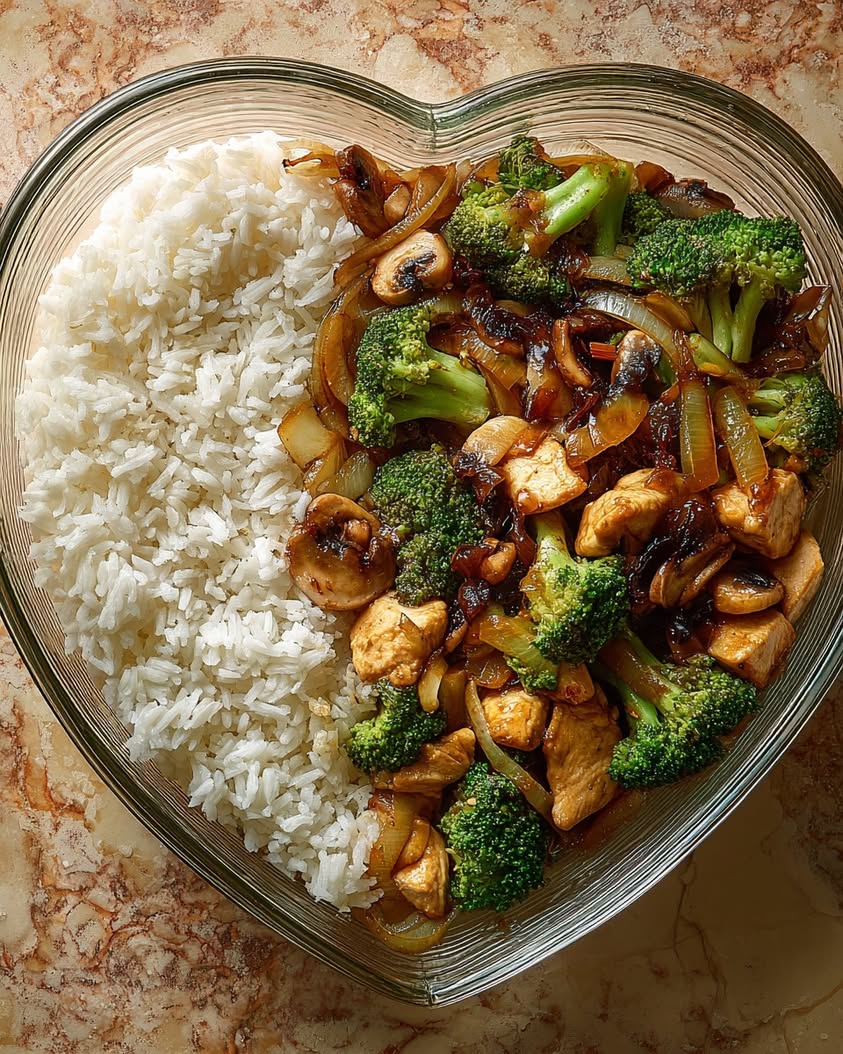
Savory Teriyaki Chicken Stir-Fry with Crisp Broccoli & Mushrooms: A Quick, Easy, and Healthy Dinner Served Over Rice!
This savory teriyaki chicken stir-fry recipe delivers a perfect weeknight dinner that is both nourishing and incredibly flavorful. Imagine tender chunks of chicken breast glazed in a glossy, sweet, and salty sauce, paired with crisp-tender broccoli and earthy mushrooms. Furthermore, this dish comes together in one pan, making cleanup an absolute breeze. Consequently, you can have a restaurant-quality meal on your table in well under an hour, proving that healthy eating does not require complicated techniques or hard-to-find ingredients.
The magic of this teriyaki chicken stir-fry lies in its beautiful balance of textures and flavors. Each bite offers the satisfying chew of the chicken, the slight crunch of the broccoli, and the meaty softness of the mushrooms, all coated in that iconic sticky sauce. Moreover, serving it over a bed of fluffy white rice creates a complete, comforting meal that appeals to both adults and children alike. This recipe is a fantastic gateway into Asian-inspired cooking for beginners, yet it remains a favorite for seasoned home cooks looking for a reliable, delicious, and quick dinner solution.
Quick Recipe Highlights
- Flavor Profile: This savory teriyaki chicken stir-fry features a classic sweet and savory sauce with a hint of garlic and ginger. The flavor is deeply umami, with a perfect balance that is not overly sugary, making it a crowd-pleasing easy dinner.
- Texture: You will experience a wonderful contrast of textures, from the tender, juicy chicken to the crisp-tender broccoli florets and the soft, succulent mushrooms. The sticky sauce clings to every ingredient, creating a cohesive and satisfying mouthfeel.
- Aroma: As the dish cooks, your kitchen will fill with the irresistible scent of sautéing garlic and fresh ginger, followed by the rich, caramelized notes of the teriyaki sauce. This aromatic experience is a key part of the meal’s appeal.
- Visual Appeal: The final dish is a vibrant mosaic of colors, featuring the deep brown of the glazed chicken, the bright green broccoli, and the earthy tones of the mushrooms. It is a visually stunning meal that looks fantastic on any dinner table.
- Skill Level Needed: This is a beginner-friendly recipe that requires only basic knife skills and the ability to manage high-heat cooking. If you can chop vegetables and stir ingredients in a hot pan, you can successfully master this healthy recipe.
- Special Equipment: You only need a large skillet or wok and a good stirring utensil. A wok is ideal for achieving the classic stir-fry sear, but a large, heavy-bottomed frying pan works perfectly well for this easy dinner.
Recipe Overview
- Difficulty Level: This savory teriyaki chicken stir-fry is rated easy because it involves straightforward techniques like chopping, sautéing, and simmering a sauce. The steps are sequential and logical, with minimal room for error, making it an excellent choice for a novice cook’s first foray into stir-frying. Consequently, anyone can achieve fantastic results with minimal culinary experience.
- Category: This dish falls squarely into the main course category for a quick and healthy dinner. It is a complete protein and vegetable meal, especially when served over rice, and it fits perfectly into weekly meal prep routines for busy individuals and families.
- Cuisine: The recipe is inspired by Japanese-American cuisine, featuring the iconic teriyaki sauce that has become a global favorite. While it incorporates classic flavors, it is adapted for the modern home kitchen, using accessible ingredients to create an authentic-tasting experience without a trip to a specialty market.
- Cost: This is a very cost-effective meal, as chicken, broccoli, and mushrooms are all affordable, readily available ingredients. The sauce components are pantry staples like soy sauce and brown sugar, making the overall cost per serving quite low for such a flavorful and healthy recipe.
- Season: This teriyaki chicken stir-fry is truly a year-round dish. It feels light and fresh enough for spring and summer, yet it is also warm and comforting during the fall and winter months. The use of evergreen vegetables makes it a versatile option for any season.
- Occasion: It is perfect for busy weeknights, casual family dinners, or even for entertaining guests in a relaxed setting. Additionally, it packs well for lunches, making it a fantastic option for next-day meals, which enhances its value as a practical and easy dinner solution.
Why You’ll Love This Recipe
First and foremost, the taste of this savory teriyaki chicken stir-fry is absolutely phenomenal. The homemade teriyaki sauce, with its perfect blend of soy, ginger, and sweetness, coats every piece of chicken and vegetable, creating a symphony of flavor in every single bite. Unlike takeout, you control the sodium and sugar levels, allowing you to create a healthier version that doesn’t sacrifice any of the satisfaction. The combination of textures from the crisp broccoli and tender mushrooms ensures that your palate remains engaged and delighted from the first forkful to the last.
From a convenience standpoint, this recipe is a true lifesaver on hectic evenings. It requires only one pan for cooking, which means you spend less time washing dishes and more time enjoying your meal with family. The prep work is minimal and can even be done ahead of time; you can chop the vegetables and mix the sauce in the morning for an ultra-fast assembly at dinnertime. Consequently, this teriyaki chicken stir-fry transforms the concept of a home-cooked meal from a time-consuming chore into a simple, achievable, and incredibly rewarding daily ritual.
Nutritionally, this dish is a powerhouse. Chicken breast provides lean protein to keep you full and support muscle maintenance, while broccoli and mushrooms deliver a significant dose of fiber, vitamins, and antioxidants. By making the sauce from scratch, you avoid the preservatives and excessive corn syrup often found in bottled versions. This results in a healthy recipe that supports your wellness goals without feeling like a “diet” food. It is a meal you can feel genuinely good about serving to your loved ones.
This teriyaki chicken stir-fry also holds tremendous value for social and entertaining purposes. It is a universally appealing dish that pleases a crowd, making it ideal for casual dinner parties or potlucks. The vibrant, colorful presentation looks impressive with very little effort, and the entire meal can be doubled or tripled easily to feed more people. Furthermore, it is a fantastic introduction to cooking for those who may be hesitant in the kitchen, building confidence and inspiring further culinary exploration.
Finally, the cost-effectiveness and accessibility of this easy dinner cannot be overstated. The ingredients are budget-friendly and available at any standard grocery store. You get a restaurant-quality meal for a fraction of the price of takeout, and you likely have many of the sauce ingredients already in your pantry. This recipe demonstrates that eating well does not have to be expensive or complicated, making it a sustainable choice for your regular meal rotation.
Historical Background and Cultural Significance
The story of teriyaki begins in Japan, with the name itself providing a clue to its preparation. The word “teriyaki” is a combination of “teri,” meaning luster or shine, and “yaki,” meaning grilling or broiling. Traditionally, this cooking method involved grilling or broiling fish or meat with a glaze of soy sauce, mirin, and sugar. This glaze would caramelize under the high heat, creating the characteristic glossy, shiny coating that gives the technique its name. The technique was designed to both flavor and preserve the food, showcasing a beautiful balance of practicality and artistry in Japanese cuisine.
Teriyaki’s journey to global popularity, however, is deeply intertwined with Japanese immigration to the United States, particularly to Hawaii and the West Coast. As Japanese communities established themselves, they adapted their traditional recipes using locally available ingredients. For instance, mirin was sometimes substituted with more accessible sweeteners like sugar or honey. This adaptation led to the sweeter, thicker sauce that many Americans now recognize as teriyaki. Consequently, the teriyaki chicken stir-fry, as we know it today, is a quintessential example of fusion cuisine, born from cultural exchange and innovation.
The evolution of the recipe continued as it entered the mainstream American food scene. The stir-fry cooking method, which is more Chinese in origin, was incorporated as a quick and efficient way to cook the dish in a single pan, aligning perfectly with the modern demand for fast, one-pan meals. The addition of Western vegetables like broccoli, which is not a traditional staple in Japanese cooking, further cemented its status as an Americanized classic. This evolution demonstrates how recipes are living entities that change and adapt to new environments and tastes.
Today, regional variations of teriyaki chicken stir-fry abound. In the Pacific Northwest, particularly in Seattle, teriyaki joints have become a cultural institution, serving their own distinct versions of the dish. Some regions might add pineapple for a touch of tropical sweetness, while others might incorporate different vegetables like bell peppers or snap peas. This versatility is a testament to the recipe’s foundational strength; the core teriyaki flavor profile is so appealing that it can successfully carry a wide array of ingredients, making it a endlessly customizable and beloved easy dinner around the world.
Ingredient Deep Dive
Chicken breast is the protein star of this savory teriyaki chicken stir-fry. Culturally, chicken is a versatile meat used globally, but in this context, its mild flavor makes it the perfect canvas for the robust teriyaki sauce. Nutritionally, it is an excellent source of lean protein, essential for muscle repair and satiety, and it provides important B vitamins. For the best results, select plump, uniformly-sized breasts for even cooking. You can store raw chicken in the coldest part of your refrigerator for 1-2 days before use. For a variation, boneless, skinless chicken thighs offer a richer, more forgiving option due to their higher fat content.
Broccoli brings a vital crunch and vibrant color to this healthy recipe. This cruciferous vegetable has its origins in Italy but was embraced and popularized worldwide for its health benefits. It is packed with vitamins C and K, fiber, and potent antioxidants that support overall wellness. Look for firm stalks with tightly closed, dark green florets and avoid any yellowing. Store it unwashed in your refrigerator’s crisper drawer. If you need a substitute, cauliflower or broccolini would work well, though they will slightly alter the final texture and cooking time of your stir-fry.
Mushrooms contribute a deep, savory, umami quality that enhances the meaty feel of the dish. Commonly used in Asian cuisines, mushrooms like cremini or shiitake are valued for their earthy flavors and health-promoting properties, including being a source of B vitamins and selenium. Choose mushrooms that are firm, dry, and smooth, avoiding any that are slimy or shriveled. Store them in a paper bag in the refrigerator. For a more intense flavor, try using shiitake mushrooms, or for a different texture, sliced portobellos make a great addition to this easy dinner.
The teriyaki sauce is the soul of the dish, and making it from scratch is simple. Soy sauce provides the salty, umami base. Brown sugar adds molasses-like depth and caramelization, while fresh garlic and ginger deliver aromatic warmth and a slight kick. A cornstarch slurry is the key to achieving that glossy, restaurant-style thickness that clings perfectly to the chicken and vegetables. Using low-sodium soy sauce allows you to better control the salt level. For a gluten-free version, tamari is an excellent substitute. Freshly grated ginger will always provide a brighter, more vibrant flavor than the powdered alternative.
Common Mistakes to Avoid
- Overcrowding the Pan: Adding all the ingredients at once steams them instead of searing them. This results in soggy vegetables and pale, boiled chicken instead of achieving the desirable caramelized, slightly charred edges that define a good stir-fry. Always cook in batches if your pan is not large enough to hold everything in a single layer.
- Using Bottled Teriyaki Sauce: Many store-bought versions are overly sweet, salty, and contain preservatives. Furthermore, they often lack the fresh, vibrant flavor of a homemade sauce. Making your own sauce is surprisingly quick and allows you to customize the balance of sweet and savory to your personal preference for a superior healthy recipe.
- Underseasoning the Chicken: Forgetting to season the chicken pieces with a little salt and pepper before cooking is a missed opportunity to build foundational flavor. Even though the sauce is powerful, seasoning the protein at the beginning ensures that every component of the dish is perfectly seasoned from the inside out.
- Overcooking the Broccoli: Adding the broccoli too early leads to mushy, dull-green florets. The key is to add it at a point where it will cook just until crisp-tender, retaining its vibrant color and satisfying crunch. This provides a necessary textural contrast to the tender chicken and mushrooms in your easy dinner.
- Not Prepping Ingredients Beforehand: Stir-frying is a fast-paced cooking method. If you are chopping vegetables or mixing the sauce while the chicken is already in the pan, something will inevitably burn. Mise en place, or having all your ingredients prepped and within reach, is absolutely critical for a smooth and successful cooking process.
- Ignoring the Cornstarch Slurry: Simply mixing cornstarch directly into the cold sauce ingredients will prevent lumps. If you add dry cornstarch to the hot pan, it will immediately clump up and create a grainy, uneven sauce. Taking this simple preparatory step guarantees a smooth, glossy, and professional-looking glaze for your teriyaki chicken stir-fry.
- Using a Cold Pan or Incorrect Heat: A stir-fry requires high, consistent heat to properly sear the ingredients. Starting with a cold pan or using medium heat will cause the food to release its liquids and stew. Always ensure your pan is properly preheated over medium-high to high heat before you add the first ingredient.
- Skipping the Ginger and Garlic: These aromatics are non-negotiable for an authentic flavor profile. They form the aromatic base of the dish. Using powdered versions as a substitute will result in a flat, one-dimensional sauce that lacks the fresh, pungent kick that makes this savory teriyaki chicken stir-fry so irresistible.
Essential Techniques
The stir-fry technique itself is the cornerstone of this recipe. This high-heat cooking method is essential because it quickly sears the exterior of the food, locking in juices and creating complex, caramelized flavors through the Maillard reaction. To master it, ensure your pan is screaming hot before adding oil, and then keep the ingredients moving constantly with a tossing motion. A common pitfall is overcrowding the pan, which drops the temperature and causes steaming. You will know you are successful when your chicken has a golden-brown sear and your vegetables are brightly colored and crisp-tender, not soggy.
Creating the cornstarch slurry is a simple but vital technique for achieving the perfect sauce consistency. This process, known as slurry-thickening, is important because it prevents the cornstarch from clumping when introduced to heat, ensuring a silky-smooth glaze. To do it correctly, always mix the cornstarch with a cold liquid, such as water or a portion of the sauce, until it forms a thin, lump-free paste before stirring it into the simmering liquid. The key visual cue for success is watching the sauce transform from thin and watery to thick and glossy within just a minute or two of stirring.
Properly cooking the chicken to achieve a golden sear is another critical skill. This initial sear is not just for color; it develops a deep, savory flavor that forms the foundation of the entire dish. To master it, pat your chicken pieces completely dry with paper towels before seasoning them. Then, add them to the hot oil in a single layer, resisting the urge to move them for a minute or two to allow a crust to form. The common mistake is moving the chicken too soon, which causes it to stick and tear. You will know it is ready to flip when the edges are opaque and the bottom releases easily from the pan.
Pro Tips for Perfect Savory Teriyaki Chicken Stir-Fry
First, pat your chicken pieces completely dry with paper towels before cooking. This simple step ensures a beautiful, golden-brown sear instead of steaming, which is crucial for texture and flavor development in your stir-fry.
For the most vibrant and crisp broccoli, consider blanching it briefly in boiling water before adding it to the stir-fry. This technique locks in the bright green color and ensures it cooks evenly and quickly in the pan alongside the other ingredients.
Toast your sesame seeds in a dry pan for a minute or two until fragrant. This amplifies their nutty flavor exponentially, providing a superior garnish that adds a new dimension of taste and texture to your finished dish.
Let your cooked chicken rest for a minute after searing and before slicing or saucing. This allows the juices to redistribute throughout the meat, resulting in a more tender and juicy bite in every mouthful of your teriyaki chicken.
Use a microplane to grate your garlic and ginger. This creates a fine paste that disperses evenly throughout the sauce, preventing large chunks and ensuring every component is infused with their aromatic essence.
If you prefer a thicker sauce, mix an additional half-teaspoon of cornstarch with a tablespoon of cold water and stir it into the simmering sauce. Conversely, if the sauce becomes too thick, simply thin it out with a tablespoon or two of water or chicken broth.
For an extra layer of flavor, add a teaspoon of toasted sesame oil to the sauce just before serving. The heat will diminish its flavor, so adding it at the end preserves its distinctive, nutty aroma.
Variations and Adaptations
For regional variations, you can easily take this basic teriyaki chicken stir-fry in new directions. A Hawaiian-inspired version might include chunks of fresh pineapple and sliced bell peppers for a sweet and colorful twist. Alternatively, a Korean-fusion approach could incorporate a spoonful of gochujang (Korean chili paste) into the sauce for a spicy kick. You can also experiment with different mushroom varieties, such as shiitake or oyster mushrooms, to explore more complex, earthy flavors while keeping the core cooking technique the same.
Seasonal adaptations make this recipe a year-round staple. In the spring, try adding crisp asparagus spears and snap peas. During the summer, yellow squash and zucchini make wonderful additions. For a hearty winter version, incorporate thick slices of carrot and chunks of sweet potato, remembering to adjust their cooking time accordingly by starting them a few minutes before the other vegetables. This flexibility ensures your easy dinner never feels boring or repetitive.
Dietary modifications are straightforward and highly effective. For a gluten-free teriyaki chicken stir-fry, simply replace the soy sauce with tamari or a certified gluten-free soy sauce. To make it vegan, substitute the chicken with extra-firm tofu or a plant-based chicken alternative, and use a vegan sweetener like maple syrup instead of honey if your recipe calls for it. For a lower-carb option, serve the stir-fry over cauliflower rice or zucchini noodles instead of traditional white rice.
Serving and Presentation Guide
Plating this dish beautifully enhances the entire dining experience. Start by creating a bed of fluffy white or brown rice in a shallow bowl. Then, carefully spoon the hot teriyaki chicken stir-fry over the rice, allowing some of the components to spill over the sides for a casual, appetizing look. Avoid simply dumping it in the center; instead, arrange the chicken, broccoli, and mushrooms thoughtfully so that each element is visible. This approach showcases the variety and quality of your ingredients, making the meal look as good as it tastes.
Garnishing is the final touch that elevates your dish from home-cooked to restaurant-quality. A generous sprinkle of toasted sesame seeds adds a nutty flavor and a pleasing visual texture. Then, a scattering of thinly sliced green onions provides a fresh, sharp contrast and a pop of vibrant green color. For an extra touch, a light drizzle of sriracha or chili oil around the edge of the bowl not only adds a hint of heat but also creates a stunning visual effect against the dark sauce.
Wine and Beverage Pairing
Selecting the right wine can complement the sweet and savory notes of your teriyaki chicken stir-fry beautifully. An off-dry Riesling or Gewürztraminer is an excellent choice because their slight sweetness and floral notes harmonize with the sauce without overpowering it. Alternatively, a crisp and fruity Pinot Noir with low tannins can also pair well, as its red fruit characteristics can stand up to the umami flavors. The key is to choose a wine that has enough acidity to cut through the richness of the dish, creating a balanced and refreshing palate experience.
For non-alcoholic alternatives, the options are just as exciting. A chilled, slightly sweet jasmine or green tea provides a traditional and cleansing accompaniment. Ginger beer or a homemade ginger ale offers a spicy, effervescent counterpoint that highlights the ginger in the sauce. Even a simple sparkling water with a squeeze of lime can be incredibly refreshing, as the bubbles and acidity help to reset your taste buds between bites of this flavorful and easy dinner.
Storage and Shelf Life
Proper storage is key to enjoying your teriyaki chicken stir-fry leftovers. Allow the dish to cool completely to room temperature before transferring it to an airtight container. You can then store it in the refrigerator for up to 3-4 days. It is best to store the stir-fry and rice separately if possible, as this prevents the rice from becoming overly soft and mushy from the sauce. Always use glass or BPA-free plastic containers to maintain the best quality and flavor of your healthy recipe.
Reheating instructions are simple but important for preserving texture. The best method is to reheat the stir-fry in a skillet or wok over medium heat, adding a tablespoon or two of water or broth to loosen the sauce and prevent it from scorching. You can also use a microwave, but be sure to cover the dish and reheat it in 30-second intervals, stirring in between to ensure even heating. Avoid overcooking during reheating, as this can make the chicken dry and the broccoli mushy. The goal is simply to warm it through while maintaining the integrity of the ingredients.
Make Ahead Strategies
This savory teriyaki chicken stir-fry is a meal-prepper’s dream. You can chop the broccoli and mushrooms, and cut the chicken into bite-sized pieces up to two days in advance. Store each component separately in airtight containers in the refrigerator. The homemade teriyaki sauce can be mixed and stored in a jar in the fridge for up to a week. This advanced preparation means that when dinnertime arrives, you are merely minutes away from a freshly cooked meal. The quality remains high because the actual cooking process is still done just before serving, preserving the desirable textures.
For full make-ahead meals, cook the entire stir-fry and then portion it into meal prep containers. While the vegetables may soften slightly upon reheating, the flavor will still be excellent. To combat sogginess, you can slightly undercook the broccoli during the initial stir-fry. When you are ready to eat, reheating it gently on the stovetop with a splash of water will bring it back to life better than a microwave. This strategy turns your easy dinner into the ultimate convenient lunch or busy-weeknight solution.
Scaling Instructions
Doubling or even tripling this recipe is straightforward, making it perfect for feeding a crowd or for weekly meal prep. When scaling up, the most important consideration is your cooking vessel. You must use a very large wok or skillet, or better yet, cook the protein and vegetables in separate batches to avoid overcrowding. Overcrowding is the enemy of a good sear and will steam your ingredients. The sauce ingredients can be simply multiplied, but taste it before adding the final cornstarch slurry to ensure the balance of sweet and salty is to your liking.
If you need to halve the recipe for one or two people, you can do so without any issues. Simply use half of all the ingredients. The cooking times will remain largely the same, though you may find the process goes even faster due to the smaller quantity of food in the pan. This scalability makes the teriyaki chicken stir-fry an incredibly flexible recipe that adapts to your needs, whether you are cooking a solo dinner or a family feast.
Nutritional Deep Dive
This savory teriyaki chicken stir-fry is a nutritionally balanced meal. The chicken breast provides a high-quality, lean source of protein, essential for muscle repair, immune function, and keeping you feeling full and satisfied. The broccoli is a superstar vegetable, loaded with vitamins C and K, fiber, and compounds like sulforaphane that have been linked to health benefits. The mushrooms contribute additional B vitamins and selenium, an important antioxidant. By making the sauce at home, you control the sodium and sugar content, transforming this from a potential calorie bomb into a genuinely healthy recipe that supports your wellness goals.
From a macronutrient perspective, a typical serving provides a good balance of protein from the chicken, complex carbohydrates from the vegetables and rice, and a small amount of healthy fats from the cooking oil. To make it even lighter, you can reduce the amount of brown sugar in the sauce or use a sugar substitute, and you can serve it with brown rice for added fiber. This dish demonstrates that healthy eating does not mean sacrificing flavor; it is about making smart, intentional choices with wholesome ingredients.
Dietary Adaptations
For a gluten-free teriyaki chicken stir-fry, the adaptation is incredibly simple. The only ingredient that typically contains gluten is the soy sauce. Simply replace it with an equal amount of tamari or a certified gluten-free soy sauce. All other core ingredients—chicken, broccoli, mushrooms, garlic, ginger, and brown sugar—are naturally gluten-free. This small swap allows anyone with celiac disease or a gluten sensitivity to enjoy this flavorful and easy dinner without any compromise on taste or texture.
Creating a vegan version of this dish is also very achievable. Replace the chicken with a plant-based protein like extra-firm tofu, tempeh, or a store-bought vegan chicken alternative. Press the tofu well to remove excess water, then cube and pan-fry it until golden to achieve a satisfying texture. For the sauce, ensure you are using a vegan sweetener; while most brown sugar is vegan, some are processed with bone char, so you can substitute it with maple syrup or agave nectar if preferred. This adaptation proves the recipe’s core flavors are versatile enough to shine with a variety of protein sources.
Troubleshooting Guide
If your sauce is too thin, the issue is likely that the cornstarch slurry was not activated properly or you did not use enough. Create another small slurry with one teaspoon of cornstarch and one tablespoon of cold water. Ensure your sauce is at a simmer, then slowly whisk in the new slurry. The sauce should thicken within a minute. Conversely, if your sauce is too thick, it means it has over-reduced or too much cornstarch was used. Simply thin it out by stirring in a few tablespoons of water, chicken broth, or even pineapple juice until it reaches your desired consistency.
If your vegetables are turning out soggy, the primary cause is usually overcrowding the pan or adding them too early. Overcrowding lowers the pan temperature dramatically, causing the vegetables to steam in their own released liquid instead of quickly searing. For a crisp-tender result, always ensure your pan is large enough and preheated properly. Cook the vegetables in batches if necessary, and add the broccoli at the very end, just long enough to heat through and remain vibrant and crisp. This attention to cooking order and pan management is the secret to perfect texture in your stir-fry.
Recipe Success Stories
We love hearing how this recipe becomes a staple in your home kitchens. One reader, Sarah from Ohio, shared that this savory teriyaki chicken stir-fry was the first meal her teenage son learned to cook confidently, and he now makes it for the family every Sunday. Another home cook, Mark, reported that by doubling the recipe, he and his wife had healthy lunches prepared for their entire workweek, saving them both time and money. These stories highlight the recipe’s role not just as a meal, but as a tool for building confidence, fostering family connection, and supporting a healthy lifestyle.
Many readers have also shared their creative adaptations. A common success involves adding a tablespoon of smooth peanut butter to the sauce for a satay-like twist, which has been met with rave reviews. Others have successfully incorporated different vegetables like water chestnuts for extra crunch or baby corn for a fun, classic takeout feel. One photographer noted that serving the stir-fry in a dark-colored bowl really makes the colors of the broccoli and the glossy sauce pop, creating a stunning image. This community feedback enriches the recipe and inspires new variations for everyone to try.
Frequently Asked Questions
Can I use frozen vegetables? Yes, you can use a frozen stir-fry vegetable mix, but be aware that frozen vegetables release more water when cooking. To combat sogginess, do not thaw them first, and consider adding them directly from the freezer to the hot pan. You may also need to increase the heat slightly to evaporate the excess moisture quickly and achieve a better sear on your other ingredients.
What can I use instead of brown sugar? Several substitutes work well. Honey, maple syrup, or agave nectar can be used in a 1:1 ratio. For a sugar-free option, a liquid sweetener like monk fruit or stevia designed for cooking can be used, but you should follow the package instructions for equivalence, as they are often much sweeter than sugar. The flavor profile will change slightly, but the sauce will still be delicious.
How can I make the dish spicier? Incorporating heat is easy. You can add a teaspoon of sriracha or chili garlic sauce directly to the teriyaki sauce mixture. Alternatively, garnish the finished dish with sliced fresh red chilies or a drizzle of chili oil. For a more infused heat, add a dried red chili pepper to the oil when you sauté the garlic and ginger at the beginning of the cooking process.
Is it necessary to use a wok? While a wok is the traditional tool and is excellent for stir-frying, it is not strictly necessary. A large, heavy-bottomed skillet or frying pan with high sides works perfectly well. The key is that the pan has a large surface area to allow for quick evaporation and to prevent overcrowding the ingredients, which is crucial for achieving the right texture.
Can I use chicken thighs instead of breasts? Absolutely. Chicken thighs are a fantastic substitute. They are more forgiving and tend to stay juicier during the high-heat cooking process due to their higher fat content. The cooking time may be slightly longer, so ensure the thighs are cooked through to an internal temperature of 165°F (74°C). The richer flavor of the thighs pairs wonderfully with the sweet and savory teriyaki sauce.
Why is my sauce not thickening? If your sauce remains thin, the cornstarch may not have been activated. Cornstarch requires a simmering liquid to thicken properly. Ensure your sauce is bubbling when you add the slurry, and continue to stir for a full minute or two as it thickens. If it still does not work, create another small slurry and try again, making sure the liquid is hot enough this time.
How do I prevent the chicken from being tough? Tough chicken is usually a result of overcooking. Be vigilant about the cooking time. Chicken breast cooks quickly, especially when cut into small, uniform pieces. Cook it just until it is no longer pink in the center, which typically takes only 5-7 minutes total. Using a meat thermometer to check for an internal temperature of 165°F (74°C) is the most reliable method to avoid overcooking.
Additional Resources
If you loved this savory teriyaki chicken stir-fry, you might enjoy exploring other Asian-inspired dishes on the blog. Our Honey Garlic Shrimp Stir-fry uses a similar quick-cooking technique with a different flavor profile. For a vegetarian option, our Crispy Tofu and Vegetable Stir-fry is a reader favorite. If you are interested in mastering the art of stir-frying, check out our comprehensive guide “The Secrets to a Perfect Stir-Fry Every Time,” which covers everything from knife skills to heat management. These resources will help you build a repertoire of quick, healthy, and delicious meals for your easy dinner rotation.
For those looking to invest in their kitchen tools, a high-quality carbon steel wok is a game-changer for stir-fry enthusiasts. It heats up quickly and evenly, creating the ideal environment for the classic “wok hei” flavor. Additionally, a good chef’s knife will make the prep work for this and countless other recipes faster and more enjoyable. Remember, the best tools are the ones you feel comfortable using regularly, so choose equipment that fits your budget and cooking style as you continue your culinary journey with healthy recipes like this one.
PrintTeriyaki Chicken Stir-Fry with Broccoli, Mushrooms & Rice
Description
A quick and flavorful stir-fry featuring tender chicken, crisp broccoli, and earthy mushrooms in a savory teriyaki sauce, served over fluffy rice.
Ingredients
For the Crust:
- 1 lb boneless, skinless chicken breast, cut into bite-sized pieces
- 2 cups broccoli florets
- 1 cup sliced mushrooms
- 1 cup cooked white rice
- 1/4 cup soy sauce
- 2 tbsp honey
- 1 tbsp rice vinegar
- 1 tsp minced garlic
- 1 tsp grated ginger
- 1 tbsp vegetable oil
- 2 green onions, sliced
Instructions
1. Prepare the Crust:
- Heat oil in a large skillet or wok over medium-high heat. Add chicken and cook until browned and cooked through, about 5-7 minutes.
- Add broccoli and mushrooms to the skillet. Stir-fry for 4-5 minutes until vegetables are tender-crisp.
- In a small bowl, whisk together soy sauce, honey, rice vinegar, garlic, and ginger. Pour the sauce over the chicken and vegetables.
- Simmer for 2-3 minutes until the sauce thickens slightly and coats the ingredients.
- Serve the stir-fry over cooked rice, garnished with sliced green onions.
Notes
You can customize the seasonings to taste.

I’m Shaykee—born in Morocco, seasoned across continents. From airplane galleys to home kitchens, I share the flavors and stories that shaped my journey.