
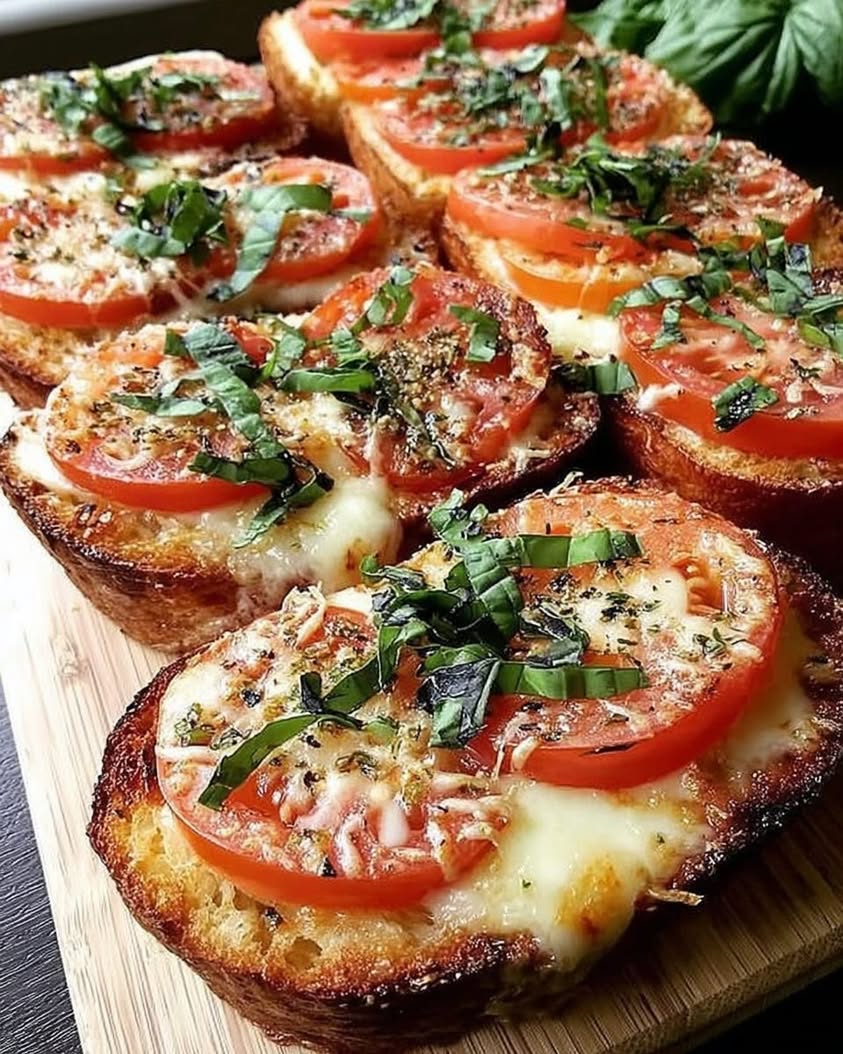
Crispy Tomato Basil Garlic Bread: The Ultimate Cheesy Appetizer
Imagine pulling a tray of golden, bubbling bread from your oven. The air fills with the intoxicating aroma of roasted garlic and toasted cheese. Juicy cherry tomatoes burst with sweetness against a backdrop of fresh, peppery basil. This is not just any side dish; this is an experience. Our crispy tomato basil garlic bread transforms simple ingredients into a show-stopping appetizer that will have everyone asking for the recipe.
Furthermore, this recipe delivers maximum flavor with minimal effort. You achieve restaurant-quality results right in your own kitchen. The combination of textures creates pure magic in every bite. You get a satisfying crunch from the toasted bread, a creamy richness from the melted cheese, and a bright freshness from the tomato and basil topping. Consequently, this dish becomes the star of any meal, whether you are serving it with pasta, soup, or enjoying it all on its own.
This easy cheesy appetizer is perfect for busy weeknights yet impressive enough for weekend entertaining. The process is straightforward and forgiving. Moreover, you can easily customize it with your favorite herbs and cheeses. Ultimately, this tomato basil garlic bread recipe will become a trusted favorite in your culinary repertoire, guaranteed to please crowds and satisfy cravings.
Quick Recipe Highlights
- Flavor Profile: This garlic bread offers a robust garlic punch balanced by the natural sweetness of roasted cherry tomatoes. The fresh basil adds an herbal, slightly peppery note that cuts through the richness of the cheese. Additionally, the butter and olive oil base provides a savory, luxurious foundation that ties all the flavors together.
- Texture: You experience an incredible textural journey starting with a shatteringly crisp crust. The interior remains wonderfully soft and chewy. Meanwhile, the melted cheese creates a gooey, stretchy layer, and the tomatoes offer juicy bursts that contrast beautifully with the crisp bread.
- Aroma: As it bakes, the scent of toasting garlic and onions will fill your kitchen. The herbal fragrance of fresh basil emerges when you add it after baking. Finally, the nutty, savory aroma of browning cheese and butter creates an irresistible olfactory promise of the deliciousness to come.
- Visual Appeal: This dish is a feast for the eyes with its vibrant red tomatoes and green basil scattered over a golden-brown canvas. The cheese forms a beautifully blistered, bubbly topping that looks incredibly inviting. Consequently, it brings a rustic, colorful element to your table that is perfect for photographing and sharing.
- Skill Level Needed: This is a beginner-friendly recipe requiring no advanced culinary techniques. You only need basic knife skills for chopping and the ability to use an oven. Therefore, even novice cooks can achieve spectacular results with confidence and ease.
- Special Equipment: You require a standard baking sheet and parchment paper for easy cleanup. A good chef’s knife for mincing garlic and halving tomatoes is helpful. Otherwise, no special tools are needed, making this an accessible recipe for any home kitchen.
Recipe Overview
- Difficulty Level: We rate this recipe as easy because it involves simple assembly rather than complex cooking techniques. The steps are straightforward: you mix, spread, top, and bake. There is no yeast or dough-rising involved. Consequently, even those with very limited cooking experience can successfully create this impressive dish.
- Category: This versatile dish fits into multiple categories beautifully. It serves as a perfect appetizer or side dish for Italian-themed meals. Moreover, it can be a satisfying snack on its own or part of a larger antipasto platter. Its flexibility makes it suitable for various dining occasions.
- Cuisine: This recipe draws clear inspiration from Italian culinary traditions, specifically bruschetta and focaccia. However, it incorporates elements from American comfort food, particularly in its generous use of cheese. The result is a fusion dish that honors its Mediterranean roots while delivering the indulgent qualities people love.
- Cost: This is an incredibly budget-friendly recipe, especially when tomatoes and basil are in season. A single loaf can feed six people generously for just a few dollars. The ingredients are pantry staples and fresh produce that are affordable year-round. Therefore, it offers fantastic value for the impressive result it delivers.
- Season: This dish shines brightest in summer when tomatoes and basil are at their peak flavor. However, it works wonderfully year-round thanks to the availability of cherry tomatoes and greenhouse basil. During colder months, it brings a welcome taste of summer to your table and pairs beautifully with hearty soups and stews.
- Occasion: This garlic bread is perfect for casual family dinners, game day gatherings, and potluck events. It also elevates dinner parties and holiday meals as a special side dish. Furthermore, it makes a fantastic quick lunch or satisfying snack any day of the week.
Why You’ll Love This Recipe
The taste and texture appeal of this tomato basil garlic bread is truly exceptional. Your first bite delivers an immediate crunch that gives way to a soft, chewy interior. The roasted tomatoes burst with sweet, concentrated flavor that perfectly complements the savory garlic and rich cheese. Meanwhile, the fresh basil adds a bright, herbal note that cleanses the palate. Every component works in harmony to create a multi-sensory eating experience that is both comforting and exciting. The contrast between the hot, melted cheese and the cool, fresh basil added after baking creates a dynamic temperature contrast that makes each bite interesting.
Convenience is another major benefit of this easy cheesy appetizer. You can assemble the entire dish in about ten minutes with minimal cleanup. The ingredients are simple and readily available at any grocery store. Moreover, the baking time is short enough that you can prepare it while your main course cooks. This makes it an ideal last-minute addition to any meal. The recipe is also very forgiving; you can adjust ingredient quantities based on what you have available without compromising the final result. Consequently, it reduces mealtime stress while delivering impressive flavors.
Nutritional advantages make this a smarter choice than many other appetizers. Tomatoes provide valuable lycopene and vitamin C, while garlic offers allicin with its potential health benefits. Using whole grain bread increases the fiber content, and olive oil provides heart-healthy monounsaturated fats. You control the quality of ingredients, avoiding the excessive sodium and preservatives often found in store-bought versions. By balancing indulgent elements with fresh produce, this recipe allows you to enjoy comfort food with better nutritional profile than many alternatives.
The social and entertaining value of this dish cannot be overstated. It arrives at the table looking spectacular with its vibrant colors and bubbling cheese. The sharing nature of tear-and-share bread encourages conversation and interaction among guests. It serves as a fantastic conversation starter and sets a welcoming, generous tone for any meal. Whether you are hosting a formal dinner party or a casual get-together, this garlic bread makes everyone feel cared for and creates a warm, communal dining experience that people remember.
Cost-effectiveness and accessibility make this recipe a practical choice for any budget. You can feed a crowd for a fraction of the cost of restaurant appetizers. The ingredients are affordable and available everywhere, with numerous substitution options if needed. Compared to ordering similar dishes at restaurants or buying pre-made versions, homemade tomato basil garlic bread offers superior quality at a significantly lower price point. This accessibility means you can enjoy gourmet-quality food regularly without straining your food budget, making special meals more achievable anytime.
Historical Background and Cultural Significance
The origin story of garlic bread traces back to Italian immigrants in the United States who adapted their traditional bruschetta. Bruschetta itself has ancient Roman roots as a way to test and salvage stale bread by rubbing it with garlic and moistening it with olive oil. The addition of cheese and baking method represents an American innovation that created what we now recognize as garlic bread. This particular version with tomatoes and basil further bridges the gap between bruschetta and garlic bread, combining elements of both traditions into one delicious hybrid that honors its heritage while embracing modern tastes.
Cultural importance of garlic bread in America developed alongside the popularity of Italian-American cuisine in the mid-20th century. It became a staple in pizzerias and Italian restaurants as an affordable, crowd-pleasing starter. The dish symbolizes comfort and generosity in many households, often served at family gatherings and celebrations. Its evolution from simple bruschetta to the cheesy, baked version we know today reflects the American tendency toward more indulgent variations on traditional foods. Consequently, it has become embedded in American food culture as a beloved side dish that promises satisfaction and nostalgia.
Evolution of the recipe shows how simple dishes transform across generations and cultures. The basic concept of flavoring bread with garlic and oil appears in multiple Mediterranean cultures. The American addition of cheese likely emerged from the abundance of dairy and the popularity of melted cheese in mid-century American cooking. The incorporation of tomatoes and basil in this version represents a more recent trend toward fresher, vegetable-forward adaptations of classic comfort foods. This continuous evolution demonstrates how recipes remain vibrant and relevant by adapting to changing tastes and available ingredients while maintaining their essential character.
Regional variations of garlic bread exist throughout Italy and its diaspora. In some parts of Italy, bruschetta remains simple with just garlic, oil, and salt. Other regions add ingredients like chopped tomatoes, beans, or cured meats. American-style garlic bread typically features butter instead of olive oil and almost always includes cheese. The tomato basil version represents a California-inspired twist that emphasizes fresh, local produce. These regional differences highlight how local ingredients and culinary traditions shape even the simplest dishes, creating delightful variations that reflect their specific time and place of creation.
Ingredient Deep Dive
Garlic forms the foundational flavor of this dish with its pungent, aromatic qualities. Historically, garlic has been cultivated for over 5,000 years and was prized by ancient civilizations for both culinary and medicinal properties. Nutritionally, it contains allicin, which has been studied for potential cardiovascular benefits, along with manganese, vitamin B6, and vitamin C. When selecting garlic, choose firm, plump bulbs with tight, unbroken skin avoiding any with green sprouts or soft spots. Store garlic in a cool, dark, well-ventilated place where it will keep for several months. If you need a substitution, garlic powder can work in a pinch, though fresh garlic provides superior flavor and aroma.
Fresh basil brings a distinctive aromatic quality that defines this recipe’s character. This herb has a rich history in Mediterranean and Asian cuisines and carries cultural significance in many traditions, often associated with love and protection. Nutritionally, basil provides vitamin K, manganese, and antioxidants like beta-carotene. When selecting basil, look for vibrant green leaves without dark spots or wilting. Store basil stems in water at room temperature or wrap in damp paper towels in the refrigerator. If fresh basil is unavailable, you can substitute pesto or, in cooked applications, dried basil, though the flavor profile will change significantly.
Cherry tomatoes contribute sweetness and juicy texture that balance the savory elements. Tomatoes originated in South America and were brought to Europe in the 16th century, initially grown as ornamental plants before becoming kitchen staples. They are nutritional powerhouses rich in lycopene, vitamin C, potassium, and folate. Choose cherry tomatoes that are firm, deeply colored, and fragrant without wrinkles or soft spots. Store them at room temperature until fully ripe, then refrigerate to prolong freshness. You can substitute grape tomatoes, diced Roma tomatoes, or even sun-dried tomatoes for a more intense flavor, adjusting quantities based on their concentration.
Mozzarella cheese provides the stretchy, creamy element that makes this dish so indulgent. Traditional mozzarella dates back to 12th century Italy where it was made from water buffalo milk. Today, most commercial mozzarella uses cow’s milk, making it accessible worldwide. Nutritionally, it provides protein, calcium, and phosphorus while being lower in fat than many other cheeses. Select fresh mozzarella for superior melt and flavor, though low-moisture block mozzarella works well too. Store cheese in its original packaging in the refrigerator. For substitutions, provolone, fontina, or a Italian cheese blend can create different but equally delicious results.
French bread serves as the perfect canvas for our toppings with its crisp crust and soft interior. Bread baking dates back to ancient civilizations, with French bread specifically evolving its distinctive characteristics in the 19th century. From a nutritional standpoint, bread provides carbohydrates for energy, along with some protein and B vitamins. Choose a loaf with a crisp, golden crust that sounds hollow when tapped. Store bread at room temperature in a paper bag for short-term use. For substitutions, Italian bread, ciabatta, or a baguette all work beautifully, while whole grain versions add nutritional benefits with their higher fiber content.
Common Mistakes to Avoid
- Using raw garlic instead of sautéing it first can result in an overly harsh, pungent flavor that overwhelms the other ingredients. Always cook your garlic briefly in butter or oil to mellow its bite and develop its sweetness. This simple step transforms the garlic from sharp and aggressive to aromatic and complex.
- Overloading the bread with toppings makes it soggy and prevents proper crisping. Apply toppings in a moderate, even layer that allows the bread surface to still be visible in places. The bread needs direct contact with the hot baking sheet to achieve that desirable crisp texture that supports the toppings.
- Baking at too low a temperature fails to properly melt the cheese and crisp the bread. Ensure your oven is fully preheated to the specified temperature before inserting the baking sheet. A properly hot oven creates the necessary environment for simultaneous crisping and melting without drying out the bread.
- Adding fresh basil before baking causes it to wilt, turn brown, and lose its vibrant flavor. Always reserve fresh herbs like basil to sprinkle over the finished dish after it comes out of the oven. This preserves their bright color, fresh aroma, and delicate texture that contrasts with the warm ingredients.
- Using stale or low-quality bread compromises the entire dish’s texture. Begin with fresh, high-quality bread that has a crisp crust and soft, airy interior. The bread serves as your foundation, so its quality directly impacts the final result more than any other single ingredient.
- Neglecting to season each component results in a flat-tasting final product. Remember to season your garlic butter, taste your tomatoes, and adjust seasoning before assembling. Each layer should be properly seasoned so they work together harmoniously rather than relying on one element to carry all the flavor.
- Cutting the bread all the way through before baking makes serving messy and causes toppings to fall off. Score the bread deeply but leave the bottom crust intact so it holds together while baking. This technique creates easy-to-pull portions while keeping all the delicious toppings in place.
- Rushing the baking process by placing the bread too close to the heating element causes uneven cooking. Position your baking sheet in the center of the oven for balanced heat distribution that properly toasts the bread while melting the cheese evenly without burning.
Essential Techniques
Properly sautéing garlic forms the foundation of flavor for your tomato basil garlic bread. This technique transforms raw garlic’s sharp, pungent quality into something sweeter and more complex. To master this, heat your butter or oil over medium heat until it shimmers but doesn’t smoke. Add minced garlic and cook for just 30-60 seconds, stirring constantly, until it becomes fragrant and barely golden. The common pitfall is overcooking, which makes garlic bitter and acrid. Watch for visual cues like slight color change and the moment the aroma blossoms in your kitchen. Perfectly sautéed garlic should smell irresistible but not show significant browning.
Scoring the bread correctly ensures even cooking and easy serving. This technique involves making deep cuts across the loaf without slicing completely through the bottom crust. Use a serrated bread knife and apply firm, confident pressure to create clean cuts about 1-inch apart. The importance lies in creating surface area for toppings while maintaining structural integrity. Common mistakes include cutting too shallow, which limits topping penetration, or cutting completely through, which makes serving messy. Master this by positioning the loaf on its side and using a sawing motion rather than pressing straight down. Proper scoring creates the classic pull-apart presentation that makes garlic bread so appealing to share.
Even topping distribution guarantees every bite contains balanced flavors. This technique involves systematically applying each component in thin, consistent layers. Start with the garlic butter, using a pastry brush or spoon to reach into the scored crevices. Next, sprinkle cheese evenly, paying attention to the edges. Finally, distribute tomatoes uniformly across the surface. The importance of this technique lies in preventing some sections from becoming soggy while others remain dry. Common pitfalls include clumping ingredients in the center or overloading certain areas. Master this by working methodically from one end to the other and using your fingers to spread small ingredients like tomatoes for precise placement.
Knowing when the bread is perfectly baked requires understanding visual and aromatic cues. The technique involves monitoring color, cheese melt, and aroma development during the final minutes of baking. Perfect garlic bread emerges golden brown with bubbly, slightly blistered cheese and fragrant, toasted edges. The importance of proper doneness lies in achieving the ideal textural contrast between crisp exterior and soft interior. Common mistakes include underbaking, which leaves the bread pale and the cheese unmelted, or overbaking, which makes the bread tough and the cheese rubbery. Master this by beginning to check at the minimum bake time and looking for evenly golden coloration and fully melted cheese that pulls away in strings when tested.
Pro Tips for Perfect Tomato Basil Garlic Bread
Combine softened butter with minced fresh herbs like parsley or chives along with the garlic for an extra flavor dimension. This compound butter approach infuses every bite with herbal notes that complement the primary flavors. Additionally, let this flavored butter sit for at least 30 minutes before using to allow the flavors to meld together properly.
Lightly toast your bread before adding toppings for an exceptionally crisp final result. This extra step prevents sogginess by creating a moisture barrier between the bread and juicy tomatoes. Simply bake the scored bread alone for 5-7 minutes until lightly golden before proceeding with the recipe as directed.
Add a sprinkle of grated Parmesan cheese to your mozzarella for enhanced savory depth. The Parmesan contributes saltiness and umami that elevates the milder mozzarella. Furthermore, the combination of cheeses creates more complex flavor and better browning characteristics than using either cheese alone.
Pat your halved cherry tomatoes dry with paper towels before assembling. This removes excess moisture that would otherwise steam the bread during baking. Consequently, you maintain maximum crispness while still enjoying the juicy burst of tomato flavor in each bite.
Create a flavor boost by tossing your tomato halves with a pinch of salt and a drizzle of olive oil before assembling. This simple step seasons the tomatoes throughout and helps concentrate their natural sweetness during baking. The result is more balanced, developed tomato flavor in the finished dish.
For extra crisp edges, place your baking sheet on the lowest oven rack during the final 2-3 minutes of baking. This direct bottom heat creates an exceptionally crunchy crust that contrasts beautifully with the soft interior. Watch carefully during this final stage to prevent burning.
Let the baked bread rest for 2-3 minutes before slicing and serving. This brief cooling period allows the cheese to set slightly, making cleaner cuts possible. Additionally, this rest time allows the flavors to settle and integrate more completely throughout the dish.
Add a final drizzle of high-quality extra virgin olive oil and a sprinkle of flaky sea salt after baking. This finishing touch adds richness, shine, and a professional touch that elevates both flavor and presentation. The flaky salt provides delightful bursts of salinity that enhance all the other components.
Variations and Adaptations
Regional variations allow you to explore different culinary traditions through this adaptable recipe. For a Provençal twist, incorporate herbes de Provence and swap mozzarella for goat cheese. Mexican-inspired versions might include cotija cheese, chili powder, and cilantro instead of basil. Greek adaptation could feature feta cheese, Kalamata olives, and oregano. These regional interpretations demonstrate how the basic formula adapts beautifully to different flavor profiles while maintaining the essential appeal of baked, topped bread. Exploring these variations expands your culinary repertoire without learning entirely new techniques.
Seasonal adaptations ensure your tomato basil garlic bread remains exciting year-round. Spring versions might feature asparagus tips and fresh chives alongside early cherry tomatoes. Summer obviously showcases peak tomato and basil season at its finest. Autumn adaptations could include roasted pumpkin or squash with sage instead of basil. Winter variations might use sun-dried tomatoes and rosemary when fresh tomatoes lack flavor. These seasonal adjustments honor the principle of cooking with what is freshest and most flavorful at any given time, keeping the dish relevant and delicious throughout the changing seasons.
Dietary modifications make this recipe accessible to various eating preferences and restrictions. For gluten-free needs, use your favorite gluten-free bread or baguette. Vegan adaptations replace butter with olive oil and use plant-based cheese alternatives. Dairy-free versions simply omit cheese entirely and increase other flavorful toppings. Low-carb options can be created using fathead dough or low-carb bread alternatives. These modifications ensure everyone can enjoy this delicious dish regardless of dietary needs, proving that great flavor transcends specific ingredients.
Flavor variations let you customize this recipe to suit different taste preferences. Spicy versions might include red pepper flakes in the garlic butter or sliced jalapeños with the tomatoes. Mediterranean-inspired variations could add chopped artichoke hearts and kalamata olives. Meat lovers might appreciate cooked crumbled bacon or diced prosciutto scattered over the cheese. Seafood versions could include anchovy fillets mashed into the butter or small shrimp. These flavor explorations allow you to tailor the dish to specific occasions or preferences while maintaining the satisfying textural contrast that makes the original so appealing.
Texture modifications create different eating experiences using the same basic method. For extra crunch, add toasted pine nuts or breadcrumbs over the cheese before baking. Softer, more focaccia-like results come from using a thicker, airier bread like ciabatta. For maximum crispness, choose a thinner baguette and bake until deeply golden. These textural adjustments let you customize the mouthfeel to match your menu or personal preference, demonstrating how small changes can significantly alter the eating experience while keeping the fundamental concept intact.
Presentation alternatives offer creative ways to serve this dish for different occasions. Individual portions can be created using slider buns or small baguette sections. For parties, cut the bread into bite-sized pieces before baking for easy finger food. Elegant presentations might involve slicing the baked bread and fanning it on a platter with fresh basil sprigs. Rustic family-style service means bringing the whole loaf to the table for everyone to tear apart themselves. These presentation options make the dish suitable for everything from casual family dinners to formal entertaining.
Serving and Presentation Guide
Plating techniques significantly impact how your tomato basil garlic bread is perceived and enjoyed. For family-style serving, present the whole loaf on a wooden cutting board or rustic ceramic platter. If pre-slicing, arrange the pieces in an overlapping pattern that showcases the colorful toppings. Consider using parchment paper underneath for easy cleanup and a professional bakery-style presentation. For individual plating, position one or two slices at an angle alongside the main course, perhaps leaning against it for visual interest. Always wipe the plate edges clean before serving for a polished final appearance.
Garnishing ideas elevate your presentation from simple to spectacular. Fresh basil leaves scattered over the top provide color contrast and reinforce the herbal aroma. A light dusting of grated Parmesan cheese adds visual texture and salty flavor. For special occasions, edible flowers like nasturtiums or borage flowers introduce unexpected color. Microgreens offer a delicate, modern garnish that adds freshness. A final drizzle of high-quality olive oil or balsamic glaze in artistic patterns creates restaurant-worthy presentation. Remember that garnishes should be edible and complement the existing flavors rather than introducing discordant elements.
Traditional accompaniments complete the Italian dining experience. This garlic bread naturally pairs with pasta dishes, particularly those with tomato-based sauces like marinara or arrabbiata. It also complements soup beautifully, especially minestrone, tomato basil, or pasta e fagioli. As part of an antipasto platter, it stands alongside cured meats, olives, and marinated vegetables. In traditional Italian-American meals, it often precedes the main course alongside a simple green salad. Understanding these classic pairings helps you create authentic meal experiences that honor the dish’s culinary heritage.
Modern serving suggestions adapt this classic for contemporary dining trends. For brunch, serve it alongside eggs Benedict or a frittata. As part of a grazing table or charcuterie board, it adds a warm element among cold items. For cocktail parties, cut it into small squares for easy one-bite consumption. As bar food, pair it with craft beers or Italian wines. These modern applications demonstrate the versatility of this dish beyond traditional Italian meals, making it relevant for various contemporary dining occasions from casual gatherings to sophisticated events.
Temperature considerations ensure optimal enjoyment of your tomato basil garlic bread. Serve it immediately after baking while the cheese is still stretchy and the bread maintains its crispness. If you must hold it, keep it in a warm oven on the baking sheet rather than covering it, which would steam the crust soft. For make-ahead situations, consider serving components separately—warm bread with room-temperature tomato basil salad to spoon over top. Understanding how temperature affects texture and flavor helps you time your meal preparation for the best possible eating experience.
Portion control tips help balance this indulgent dish within a meal. As an appetizer, plan for one to two slices per person before the main course. As a side dish, one generous slice typically suffices alongside pasta or protein. For party finger food, cutting the loaf into one-inch pieces creates perfect bite-sized portions. If serving as part of a larger bread basket, smaller pieces allow guests to sample multiple options. These portion guidelines ensure satisfaction without overwhelming appetites before the main course, especially important when serving rich, flavorful dishes like this garlic bread.
Wine and Beverage Pairing
Wine pairings should complement both the richness of the cheese and the acidity of the tomatoes. A crisp, medium-bodied white wine like Sauvignon Blanc stands up well to the garlic and basil while cleansing the palate between bites. For red wine lovers, a Chianti or Sangiovese with bright acidity cuts through the richness without overwhelming the dish. Rosé offers a versatile option that bridges the gap between red and white, particularly those from Provence with their dry, mineral character. Sparkling options like Prosecco provide effervescence that cleanses the palate beautifully. Ultimately, the best wine pairing depends on the context of the full meal rather than the garlic bread alone.
Non-alcoholic alternatives provide sophisticated options for those avoiding alcohol. Sparkling water with a squeeze of lemon or lime cleanses the palate effectively between bites. Herbal teas like rosemary or thyme-infused iced tea complement the Mediterranean flavors. Craft sodas with natural ingredients, particularly those featuring citrus or berry notes, provide sweetness that contrasts the savory elements. For a more complex non-alcoholic pairing, try a shrub (drinking vinegar) mixed with soda water, which offers acidity that mirrors wine’s palate-cleansing properties. These options ensure everyone enjoys thoughtful beverage pairings regardless of alcohol preference.
Coffee and tea pairings work surprisingly well with tomato basil garlic bread, particularly for brunch or lunch servings. Medium-roast coffee with low acidity complements rather than conflicts with the garlic and tomato flavors. For tea, English Breakfast or Earl Grey provide robust flavor that stands up to the dish’s intensity. Herbal teas like lemon verbena or mint offer refreshing contrast to the rich cheese. If serving as part of an Italian-themed breakfast, cappuccino or espresso provide authentic accompaniment. These warm beverage pairings expand serving opportunities beyond traditional lunch and dinner contexts.
Temperature considerations for beverages ensure they enhance rather than detract from the eating experience. Chilled beverages provide refreshing contrast to the warm, rich bread. However, extremely cold drinks can numb the palate and diminish flavor perception. For wines, serve whites and rosés chilled but not ice-cold. For non-alcoholic options, moderate cooling allows flavors to emerge fully. Warm beverages should be served hot enough to provide temperature contrast but not so hot they overwhelm the palate. These temperature guidelines help beverages complement the food rather than competing with it.
Serving suggestions for beverages complete the dining experience. Always offer water as a neutral palate cleanser alongside any other beverages. When serving multiple options, progress from lighter to heavier beverages throughout the meal. Consider the visual presentation of beverages—a beautiful carafe of infused water or wine in appropriate glassware enhances the overall table setting. For parties, create a self-serve beverage station that allows guests to choose according to their preferences. These serving considerations ensure beverages integrate seamlessly into the meal rather than feeling like an afterthought.
Storage and Shelf Life
Storage methods vary depending on how long you plan to keep your tomato basil garlic bread. For short-term storage of up to two days, place completely cooled leftovers in an airtight container at room temperature. Refrigeration extends shelf life to 4-5 days but will compromise texture, making the bread softer. For best results, store components separately when possible—keep the baked plain bread in one container and tomato basil mixture in another, combining just before serving. Understanding these storage options helps you plan meal preparation according to your schedule while maintaining quality.
Temperature requirements depend on storage duration and method. Room temperature storage works well for short periods in cool, dry environments. Refrigeration becomes necessary in warm climates or for longer storage. Freezing requires consistent sub-zero temperatures to maintain quality. Never store garlic bread at room temperature for more than two hours after baking due to food safety concerns with dairy products. Following these temperature guidelines ensures both safety and quality, preventing spoilage while preserving the desirable characteristics of your baked bread.
Container recommendations protect your garlic bread while stored. Airtight containers prevent staleness and protect from refrigerator odors. For freezing, heavy-duty freezer bags with all air pressed out prevent freezer burn. For room temperature storage, paper bags maintain crispness better than plastic, which can create condensation. Glass containers with tight-fitting lids offer the best protection against flavor transfer. Choosing appropriate storage vessels based on your specific method significantly impacts how well the bread maintains its quality during storage.
Signs of spoilage help you determine when to discard stored garlic bread. Visible mold growth, however small, means the entire loaf should be discarded. Off odors, particularly sour or alcoholic smells, indicate spoilage. Significant texture changes like excessive hardness or sogginess can indicate staleness or moisture issues. When in doubt, follow the principle that dairy-based products like cheese and butter have limited shelf lives even when baked. Recognizing these spoilage indicators ensures food safety while preventing disappointment from eating compromised products.
Reheating instructions restore previously baked garlic bread to near-fresh quality. The oven method works best—place bread on a baking sheet at 350°F for 5-10 minutes until warmed through and re-crisped. The toaster oven provides a convenient small-batch alternative. Avoid microwaving, which makes the bread rubbery and the cheese greasy. For frozen bread, reheat directly from frozen, adding a few extra minutes to the heating time. These reheating methods maximize quality restoration while accommodating different kitchen setups and time constraints.
Freezing guidelines preserve garlic bread for longer-term storage. Cool the baked bread completely before freezing to prevent condensation and ice crystals. Wrap tightly in plastic wrap followed by aluminum foil or place in freezer bags. Label with the date and use within 2-3 months for best quality. Consider freezing before baking—assemble the bread but don’t bake it, then freeze solid before wrapping. This approach often yields superior results since the bread bakes fresh when needed. These freezing techniques extend enjoyment of your homemade garlic bread while maintaining reasonable quality.
Make Ahead Strategies
Prep timeline planning helps you incorporate this recipe into busy schedules efficiently. You can prepare the garlic butter mixture up to 3 days in advance and store it covered in the refrigerator. The bread can be scored a day ahead and kept wrapped at room temperature. Tomatoes can be washed, dried, and halved several hours before assembling. Cheese can be grated up to 2 days ahead and refrigerated. These advance preparation steps significantly reduce active cooking time when you are ready to assemble and bake, making the recipe more accessible for weeknight meals or entertaining.
Storage between steps maintains ingredient quality during make-ahead preparation. Garlic butter should be stored in an airtight container in the refrigerator, brought to spreadable consistency before using. Pre-scored bread should be wrapped tightly in its original packaging or foil to prevent drying. Pre-cut tomatoes benefit from storage in a single layer on paper towels to absorb excess moisture. Grated cheese stays freshest in sealed bags or containers with minimal air exposure. Proper interim storage ensures that advance preparation actually saves time without compromising the final dish’s quality.
Quality impact assessment helps determine which steps work best for advance preparation. The garlic butter actually improves with time as flavors meld. Pre-scoring bread has minimal impact if properly wrapped. Pre-cutting tomatoes may cause slight moisture loss but doesn’t significantly affect the baked result. Pre-grating cheese may dry slightly but melts fine. Assembly itself should happen just before baking to prevent sogginess. Understanding how each advance step affects the final product helps you decide which preparations truly save time versus those that compromise quality.
Assembly tips for make-ahead scenarios maximize efficiency and quality. For same-day assembly, have all pre-prepped ingredients measured and ready near your work station. For partial assembly, you can spread the garlic butter on the scored bread a few hours ahead, but wait to add cheese and tomatoes until just before baking. For freezer assembly, completely assemble the bread on a parchment-lined baking sheet, freeze until solid, then wrap tightly for
Print
Tomato Basil Garlic Bread
Description
A savory and aromatic garlic bread topped with fresh tomatoes and basil, perfect as an appetizer or side dish.
Ingredients
For the Crust:
- 1 loaf French bread or baguette
- 4 cloves garlic, minced
- 1/4 cup unsalted butter, softened
- 2 tablespoons olive oil
- 2 medium tomatoes, thinly sliced
- 1/4 cup fresh basil leaves, chopped
- 1/2 teaspoon salt
- 1/4 teaspoon black pepper
- 1/2 cup shredded mozzarella cheese (optional)
Instructions
1. Prepare the Crust:
- Preheat oven to 375°F (190°C). Line a baking sheet with parchment paper.
- In a small bowl, mix together softened butter, olive oil, minced garlic, salt, and pepper.
- Slice the bread in half lengthwise and spread the garlic butter mixture evenly over the cut sides.
- Arrange the tomato slices on top of the buttered bread and sprinkle with chopped basil and mozzarella cheese if using.
- Bake for 12-15 minutes, or until the bread is crispy and the cheese is melted and bubbly.
- Remove from oven, let cool for a few minutes, then slice and serve warm.
Notes
You can customize the seasonings to taste.

I’m Shaykee—born in Morocco, seasoned across continents. From airplane galleys to home kitchens, I share the flavors and stories that shaped my journey.