
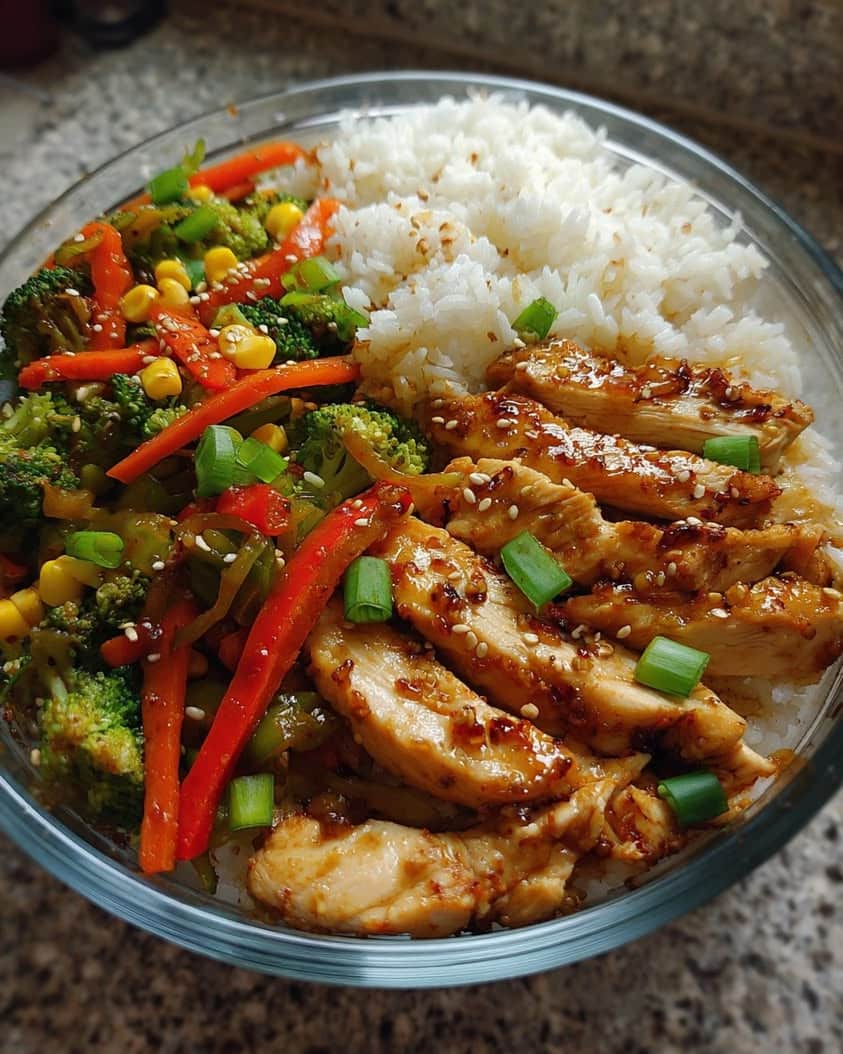
Ultimate Teriyaki Chicken Rice Bowl with Veggie Stir-Fry: A 30-Minute Flavor Explosion
Imagine a sizzling homemade teriyaki chicken & veggie stir-fry over fluffy rice. A quick, flavorful, & healthy dinner ready in 30 minutes! This ultimate teriyaki chicken rice bowl recipe delivers exactly that. It is a perfect harmony of savory, sweet, and umami flavors packed into one satisfying meal. Moreover, it transforms simple ingredients into a restaurant-quality dish right in your own kitchen. The aroma alone will have your family gathered around the table before you even finish plating.
This recipe is your answer to busy weeknights when you crave something delicious and wholesome without spending hours cooking. The magic lies in a simple, glossy teriyaki sauce that clings to tender chicken and crisp-tender vegetables. Consequently, every bite is a burst of flavor and texture. Ultimately, this teriyaki chicken rice bowl is more than just a meal. It is a reliable, crowd-pleasing solution that proves healthy eating can be incredibly exciting and convenient.
Quick Recipe Highlights
- Flavor Profile: This dish masterfully balances sweet and savory notes. The homemade teriyaki sauce provides a rich, glossy coating with depth from soy sauce and mirin. Additionally, a hint of ginger and garlic adds a warm, aromatic complexity that elevates the entire bowl.
- Texture: You will experience a delightful contrast in every forkful. Tender, juicy chicken pieces meet crisp broccoli florets and bell peppers. Meanwhile, the fluffy rice serves as the perfect soft base to soak up the delicious sauce, creating a wonderfully satisfying mouthfeel.
- Aroma: As the chicken and vegetables stir-fry, the kitchen fills with an irresistible scent. The savory notes of searing meat blend with the sweet, caramelizing teriyaki sauce. Furthermore, the fresh ginger and garlic release their fragrant oils, promising a deeply flavorful meal.
- Visual Appeal: This bowl is a feast for the eyes with its vibrant color palette. The glossy, brown teriyaki sauce coats the chicken beautifully. Meanwhile, the green broccoli and red bell peppers add bright pops of color against the white rice, making it incredibly Instagram-worthy.
- Skill Level Needed: This is a fantastic recipe for cooks of all levels. It requires basic knife skills for chopping and fundamental stir-frying technique. Therefore, even beginners can achieve fantastic results by following the clear, step-by-step instructions provided.
- Special Equipment: You need only a large skillet or wok and a good chef’s knife. A wok is ideal for high-heat stir-frying, but a large, heavy-bottomed skillet works perfectly. Additionally, having a microplane for ginger and a garlic press can speed up prep, but they are not essential.
Recipe Overview
- Difficulty Level: We rate this recipe as easy because it uses straightforward techniques. The steps are sequential and logical, from prepping ingredients to the final stir-fry. Importantly, the sauce comes together quickly in the same pan, minimizing cleanup. Consequently, it is an accessible project for a weeknight cook.
- Category: This dish fits perfectly into multiple meal categories. It is a complete, balanced dinner featuring protein, vegetables, and carbohydrates. Furthermore, it excels as a meal prep option, as the components reheat beautifully. It also serves as a fantastic healthy lunch or a quick family supper.
- Cuisine: This recipe is inspired by Japanese-American cuisine, focusing on the beloved teriyaki flavor profile. While teriyaki has roots in Japan, this version adapts to a home kitchen with accessible ingredients. The stir-fry method is a cornerstone of many Asian cuisines, making this a fusion of technique and flavor.
- Cost: This is a very cost-effective meal, especially when compared to takeout. Chicken thighs are an affordable protein, and the vegetables are common and inexpensive. The sauce ingredients are pantry staples that last for many recipes. Overall, you can feed a family for a fraction of the cost of restaurant teriyaki.
- Season: This recipe is truly versatile year-round. In colder months, it provides a warm, comforting, and hearty meal. During summer, it is light enough not to weigh you down and can feature seasonal vegetables like zucchini or snap peas. Therefore, it is an excellent staple for any season.
- Occasion: It is ideal for casual weeknight dinners, busy weekends, or even informal gatherings. Because it cooks quickly and serves a crowd, it is perfect for feeding friends without stress. Additionally, it makes excellent next-day leftovers, so it is a smart choice for meal prepping for the workweek.
Why You’ll Love This Recipe
First and foremost, the taste and texture are absolutely phenomenal. The homemade teriyaki sauce is far superior to any store-bought bottle, offering a perfect balance of sweetness and saltiness. Each component plays a role: the savory chicken, the sweet sauce, and the fresh, crisp vegetables. Ultimately, the combination creates a symphony of flavors that is deeply satisfying and keeps you coming back for another bite. The contrast between the tender meat and the crunchy veggies ensures every mouthful is interesting and delightful.
Secondly, the convenience factor is a major win. This sizzling homemade teriyaki chicken & veggie stir-fry over fluffy rice truly is a quick, flavorful, & healthy dinner ready in 30 minutes! The prep is simple, and the cooking process is fast and efficient. Because everything comes together in one pan, cleanup is a breeze. This makes it an ideal solution for those nights when you are short on time but still want a wholesome, cooked-from-scratch meal for your family.
From a nutritional standpoint, this bowl is a powerhouse. It provides lean protein from the chicken, a wide array of vitamins and fiber from the colorful vegetables, and energy-sustaining complex carbohydrates from the rice. You control the sodium and sugar levels by making the sauce yourself, unlike many takeout options. Therefore, you can enjoy a delicious meal that fuels your body properly and aligns with your health goals.
This dish also holds tremendous social and entertaining value. It is visually impressive and universally appealing, making it a safe bet for guests. You can easily double or triple the recipe to feed a larger group. Furthermore, the interactive nature of a bowl meal allows everyone to customize their portion, which is always a hit. Serving this feels special and thoughtful, yet it does not trap you in the kitchen all evening.
Finally, its cost-effectiveness and accessibility cannot be overstated. The ingredients are common, affordable, and available at any standard grocery store. You create a restaurant-quality teriyaki chicken rice bowl for a fraction of the price of dining out or ordering delivery. This recipe empowers you to make a fantastic meal without breaking the bank, proving that eating well does not have to be expensive or complicated.
Historical Background and Cultural Significance
The story of teriyaki begins in Japan, with the term itself revealing its cooking method. “Teri” refers to the luster or shine of the sauce, while “yaki” means grilled or broiled. Traditionally, teriyaki involved grilling or broiling fish or meat that was glazed with a mixture of soy sauce, mirin, and sugar. This technique created a characteristic glossy, caramelized coating that was both flavorful and visually appealing. The method was a cornerstone of Japanese cuisine long before it traveled across the Pacific.
Teriyaki’s journey to global popularity, however, is deeply tied to Japanese-American innovation. In the mid-20th century, Japanese immigrants in Hawaii and the West Coast adapted their culinary traditions using locally available ingredients. They began applying the sweet-soy glaze to more affordable proteins like chicken and beef, often cooking them in a pan rather than grilling. This adaptation made the dish more accessible and eventually led to its iconic status in Americanized Asian cuisine. The teriyaki chicken rice bowl, as we know it today, is a product of this cultural fusion.
The evolution of the recipe continued with the rise of fast-casual dining. Teriyaki joints became immensely popular, particularly in the Pacific Northwest, serving heaping bowls of rice topped with grilled teriyaki meat and a simple side of vegetables. This format emphasized convenience, value, and bold flavor. Consequently, the home cook’s version evolved to mimic these qualities, prioritizing quick stir-frying as the primary method to achieve similar results on a busy weeknight. The dish became a symbol of fast, satisfying, and flavorful home cooking.
Regional variations abound, showcasing the recipe’s adaptability. In Japan, you might find teriyaki salmon or yellowtail. In Hawaii, teriyaki beef is often served with macaroni salad. The home kitchen version frequently incorporates a vibrant stir-fried vegetable medley, adding nutrition and color. This flexibility is a testament to the teriyaki sauce’s versatility as a flavor base. From its traditional roots to its modern, veggie-packed bowl iteration, teriyaki remains a beloved example of how food traditions adapt and thrive in new contexts.
Ingredient Deep Dive
Let us start with the chicken. Boneless, skinless chicken thighs are recommended for their superior flavor and juiciness compared to breasts. Thighs have a higher fat content, which keeps them moist during high-heat stir-frying and allows them to absorb the teriyaki sauce beautifully. For the best results, pat the chicken pieces very dry before cooking to ensure a good sear. If you prefer white meat, chicken breast can be used, but be vigilant to avoid overcooking. Always store raw chicken in the coldest part of your refrigerator and use it within 1-2 days of purchase.
Soy sauce is the salty, umami backbone of the teriyaki sauce. This fermented condiment has been a staple in East Asian cuisine for over 2,500 years. It provides deep, complex flavor that forms the foundation of the dish. For a richer taste, consider using tamari, which is often gluten-free and has a slightly smoother flavor. Low-sodium soy sauce is an excellent option if you are monitoring salt intake. Store soy sauce in a cool, dark pantry; it has a very long shelf life due to its high sodium content.
Mirin, a sweet Japanese rice wine, is crucial for authentic flavor. It adds a mild sweetness and helps create the signature glossy finish of the sauce. If you cannot find mirin, a common substitute is a mixture of dry sherry or white wine with a pinch of sugar. Do not confuse it with rice vinegar, which is acidic. Mirin’s sweetness balances the saltiness of the soy sauce perfectly. Keep an opened bottle refrigerated to preserve its quality.
Fresh ginger and garlic are the aromatic powerhouses. Ginger adds a warm, slightly spicy note that cuts through the sweetness, while garlic provides a pungent, savory depth. For the most potent flavor, grate the ginger and mince the garlic just before using. The volatile oils are at their peak then. You can store fresh ginger root in the freezer and grate it frozen, which is incredibly convenient. Always use fresh rather than dried for this recipe to achieve the bright, vibrant aroma that defines a great stir-fry.
Common Mistakes to Avoid
- Crowding the Pan: Adding all the chicken at once will steam it instead of searing it. You must cook in batches if necessary to ensure each piece has contact with the hot surface. This step is essential for developing flavorful browning and texture.
- Using Bottled Teriyaki Sauce: Most store-bought versions are overly thick, sweet, and contain preservatives. Your homemade sauce, with just a few simple ingredients, will have a fresher, more balanced flavor and a superior glossy texture.
- Overcooking the Vegetables: Broccoli and bell peppers should remain crisp-tender, not mushy. Stir-fry them just until their color brightens and they are heated through. They will continue to cook slightly from residual heat after you remove them from the pan.
- Not Prepping Everything First: Stir-frying happens fast. You must have all ingredients chopped, measured, and lined up next to the stove before you turn on the heat. This “mise en place” prevents burning and ensures a smooth cooking process.
- Adding Sauce Too Early: If you pour the teriyaki sauce over the chicken and vegetables too soon, it can burn or become overly sticky. Typically, you add the sauce at the end, letting it simmer briefly to thicken and coat everything evenly.
- Skipping the Cornstarch Slurry: A small mixture of cornstarch and water is what gives the sauce its luxurious, clingy consistency. Without it, the sauce will be thin and runny, failing to coat the ingredients properly.
- Using Cold Rice: For the best texture, use freshly cooked, hot rice or thoroughly reheated leftover rice. Cold, clumpy rice from the fridge will not blend well with the hot stir-fry and can cool the dish down.
- Neglecting to Taste and Adjust: Before serving, always taste your sauce. You may want to add a splash more soy sauce for saltiness, a drizzle of honey for sweetness, or a squeeze of lime for brightness. Final seasoning is key.
Essential Techniques
The stir-fry technique is the heart of this recipe. It involves cooking small, uniformly sized pieces of food over very high heat while constantly stirring. This method seals in juices, creates flavorful browning, and preserves the vibrant color and crunch of vegetables. To master it, ensure your pan is screaming hot before adding oil. Furthermore, keep the ingredients moving almost constantly with a spatula. The common pitfall is adding too much at once, which lowers the pan temperature and leads to steaming. Success is visible when ingredients have slight charring and are cooked quickly.
Creating the teriyaki sauce emulsion is another critical skill. After deglazing the pan with the sauce liquids, you will add a cornstarch slurry. You must whisk this in continuously as the sauce comes to a simmer. The starch molecules swell and thicken the liquid, transforming it from a watery mixture into a glossy, coating sauce. The key is to add the slurry to a simmering liquid, not a boiling one, to avoid lumps. A perfectly thickened sauce will coat the back of a spoon and cling to the chicken and vegetables without being gloppy.
Pro Tips for Perfect Teriyaki Chicken Rice Bowl
First, slice the chicken against the grain. This shortens the muscle fibers, making each bite remarkably tender and easy to chew. Second, for deeper flavor, marinate the chicken pieces in a tablespoon of the teriyaki sauce for 15-20 minutes before cooking. Third, toast your sesame seeds in a dry pan for a minute until fragrant; this intensifies their nutty flavor for garnish. Fourth, add a teaspoon of toasted sesame oil to the finished stir-fry off the heat for an incredible aromatic finish. Fifth, if your sauce thickens too much, simply thin it with a tablespoon or two of water or chicken broth. Sixth, for extra veggie power, toss in a handful of spinach or snap peas during the last 30 seconds of cooking. Finally, let the cooked chicken rest for a couple of minutes after browning before adding it back to the sauce; this helps it retain its juices.
Variations and Adaptations
For regional variations, try a Hawaiian-inspired version by adding a side of macaroni salad or using pineapple chunks in the stir-fry. A Korean twist might include a spoonful of gochujang (Korean chili paste) in the sauce for heat and depth. Seasonally, in spring, use asparagus and peas. In summer, zucchini and cherry tomatoes work wonderfully. For autumn, try sweet potatoes and Brussels sprouts. Dietary modifications are straightforward. Use tamari for gluten-free, and swap chicken for extra-firm tofu or tempeh for a vegan teriyaki bowl. For a low-carb option, serve the stir-fry over cauliflower rice or zucchini noodles.
Experiment with flavor variations by adding a tablespoon of orange juice for a citrus-teriyaki blend or a spoonful of smooth peanut butter for a satay-like sauce. Texture modifications could include adding water chestnuts for crunch or using shredded cabbage as a base instead of rice. For presentation alternatives, serve the components separately in a bento-box style or layer them in a large glass bowl to showcase the colorful strata. The versatility of this teriyaki chicken rice bowl framework allows for endless creativity based on your preferences and what is in your fridge.
Serving and Presentation Guide
Plating is simple but impactful. Start with a generous bed of fluffy white or brown rice in a shallow bowl. Then, carefully spoon the hot teriyaki chicken and vegetable stir-fry over one side of the rice, allowing some rice to peek through. This creates visual interest and texture contrast. For garnishing, a sprinkle of toasted sesame seeds and thinly sliced green onions is classic and adds color and flavor. A final tiny drizzle of leftover sauce around the edge of the bowl looks professional. Traditional accompaniments are minimal, but a small side of miso soup or a simple cucumber salad complements the meal beautifully.
For modern serving suggestions, consider setting up a “bowl bar” where guests can build their own with various toppings like avocado slices, kimchi, pickled ginger, or a soft-boiled egg. Temperature is crucial; serve immediately while the stir-fry is sizzling hot and the rice is warm. For portion control, a standard serving is about one cup of rice topped with one to one and a half cups of the chicken and veggie mixture. Using a kitchen scale to divide the chicken evenly before cooking ensures fair portions for everyone at the table.
Wine and Beverage Pairing
For wine pairings, look for bottles that can handle the sweet and savory profile. An off-dry Riesling or Gewürztraminer is a classic choice, as their slight sweetness mirrors the teriyaki and their acidity cuts through the richness. A light-bodied Pinot Noir with low tannins can also work well if you prefer red wine. For non-alcoholic alternatives, chilled green tea is perfect, cleansing the palate between bites. Sparkling water with a wedge of lime or a ginger-based mocktail also pairs wonderfully. The key is to choose beverages that refresh the palate rather than compete with the dish’s bold flavors. Serve white wines and non-alcoholic drinks well-chilled.
Storage and Shelf Life
Store leftovers in an airtight container in the refrigerator for up to 3-4 days. It is best to keep the rice and stir-fry components separate if possible to prevent the rice from becoming soggy. Signs of spoilage include an off smell, slimy texture on the chicken or vegetables, or visible mold. For reheating, the microwave is convenient: sprinkle a teaspoon of water over the rice and stir-fry to reintroduce moisture, then cover and heat in 60-second intervals, stirring in between. Alternatively, reheat in a skillet over medium heat, stirring frequently, until piping hot. This method helps revive the texture better than the microwave.
Freezing is possible but with caveats. The stir-fry (chicken and vegetables in sauce) can be frozen for up to 2 months. However, the vegetables will lose their crisp-tender texture and become softer upon thawing. Rice can also be frozen separately. Thaw overnight in the refrigerator before reheating. When reheating from frozen, do so slowly on the stovetop with a splash of water or broth to prevent drying out. Note that the overall quality after freezing and reheating will be good for a quick meal but not as perfect as when freshly made.
Make Ahead Strategies
You can prep this meal efficiently over a timeline. The day before, cook the rice and let it cool completely before refrigerating. Chop all vegetables and store them in a sealed container or bag. You can also mix the sauce ingredients (except the cornstarch slurry) in a jar. Slice the chicken and store it separately. This advanced prep turns active cooking time into a mere 10-15 minutes. When ready to cook, have your cornstarch slurry ready and your skillet hot. The quality impact is minimal if components are stored properly; the vegetables retain their crunch, and the sauce tastes fresh. Reheat the rice while you stir-fry. Add any fresh garnishes like green onions after reheating for maximum vibrancy.
Scaling Instructions
Halving the recipe is straightforward for one or two people. Simply divide all ingredient quantities by two. Use a medium skillet instead of a large one. The cooking times will be slightly shorter, so keep a close eye on the chicken and vegetables to avoid overcooking. For doubling or tripling to feed a crowd, multiply the ingredients accordingly. The key adjustment is to cook the chicken in more batches to avoid crowding. You may need to prepare the sauce in a separate saucepan if your skillet is not large enough to accommodate the increased volume of ingredients and liquid. Timing modifications are minimal, but allow extra time for batching the protein. Storage considerations remain the same per container.
Nutritional Deep Dive
This teriyaki chicken rice bowl offers a balanced macro profile. A typical serving provides a substantial amount of lean protein from the chicken, essential for muscle repair and satiety. The complex carbohydrates from the rice supply sustained energy, while the vegetables contribute fiber, vitamins, and minerals. The sauce adds some sugars, but the homemade version allows you to control the amount. Micronutrient-wise, broccoli is rich in Vitamin C and K, bell peppers are high in Vitamin A, and garlic offers beneficial compounds like allicin. The dish supports a healthy diet by combining multiple food groups. For weight management, be mindful of portion size, particularly with rice, and consider using brown rice for extra fiber. You can also slightly reduce the honey or sugar in the sauce.
Dietary Adaptations
For a gluten-free teriyaki chicken rice bowl, simply replace regular soy sauce with tamari or a certified gluten-free soy sauce. Ensure your mirin is gluten-free as well, or use the dry sherry and sugar substitute. For dairy-free, the recipe is naturally compliant, as it contains no dairy products. To make it vegan, substitute the chicken with cubed extra-firm tofu, tempeh, or a plant-based chicken alternative. Press the tofu well to remove moisture before cooking. Use the same sauce, but consider using a vegan sweetener like agave if you are strict about refined sugar.
For low-carb or keto diets, replace the rice with cauliflower rice. Significantly reduce or omit the honey/sugar in the sauce, relying on a keto-friendly sweetener like erythritol or allulose. Thicken the sauce with a xanthan gum slurry instead of cornstarch. For a Paleo version, use coconut aminos instead of soy sauce, and sweeten with pure maple syrup or honey. Omit the cornstarch or use arrowroot powder as a thickener. Serve over cauliflower rice or a bed of greens. For Low-FODMAP, use garlic-infused oil instead of fresh garlic, omit the onion, and use a green-only part of the scallions. Ensure the soy sauce is gluten-free, and use maple syrup as the sweetener.
Troubleshooting Guide
If your sauce is too thin, create a little more cornstarch slurry (1 tsp cornstarch + 1 tbsp water) and whisk it into the simmering sauce. Let it cook for another minute to thicken. Conversely, if the sauce is too thick or gloppy, thin it out by stirring in a splash of water, chicken broth, or even pineapple juice until it reaches a silky, pourable consistency. If your vegetables are releasing too much water and making the sauce watery, your heat might be too low. Crank up the heat to encourage rapid evaporation, or consider removing the veggies after stir-frying, reducing the liquid in the pan, then adding them back with the sauce.
If the chicken is tough, it was likely overcooked. Chicken thighs are forgiving, but breasts dry out quickly. Next time, reduce the cooking time slightly and ensure you are slicing against the grain. If the flavor is bland, you probably need more salt (soy sauce) or a balance of acidity. Try adding a splash of rice vinegar or a squeeze of lime juice at the end. If you lack a wok or large skillet, cook in even smaller batches to maintain high heat. The key to troubleshooting is understanding the role of heat, timing, and ingredient ratios in this quick-cooking method.
Recipe Success Stories
Community feedback on this teriyaki chicken rice bowl has been overwhelmingly positive. Many home cooks report that it has become a weekly staple, with children and adults alike asking for seconds. A common success story involves customizing the vegetable mix based on what is in the crisper drawer, proving the recipe’s fantastic adaptability. One reader shared that doubling the sauce recipe to have extra for drizzling over the bowl was a game-changer for flavor. Another found that using a mix of white and black sesame seeds for garnish added a beautiful visual contrast in their food photography.
Adaptation stories are also inspiring. A vegetarian reader successfully used king oyster mushrooms sliced into “scallop” shapes, achieving a meaty texture that soaked up the sauce perfectly. Several people have made this for meal prep Sunday, dividing it into four containers for easy lunches. Their tip is to add a separate, small container of extra sauce for reheating to keep everything moist. The consensus is that this recipe demystifies takeout favorites and empowers people to create healthier, tastier versions at home. The simplicity of the technique combined with the impressive result is what keeps everyone coming back to it.
Frequently Asked Questions
Can I use chicken breasts instead of thighs? Yes, you can. Chicken breasts are leaner, so they cook faster and can dry out if overcooked. Slice them thinly and cook for a slightly shorter time, just until no longer pink in the center, to keep them juicy.
What can I use if I don’t have mirin? A good substitute is 2 tablespoons of dry sherry or white wine mixed with 1 teaspoon of sugar. Alternatively, you can use a bit more rice vinegar with an extra pinch of sugar, though the flavor profile will shift slightly.
How do I prevent my broccoli from being raw or mushy? The key is uniform size and quick cooking. Cut florets into similar, bite-sized pieces. Stir-fry them over high heat just until they turn bright green and are tender to your liking, usually 3-4 minutes.
Can I make this sauce ahead of time? Absolutely. Mix all sauce ingredients except the cornstarch slurry in a jar and refrigerate for up to a week. When ready to cook, give it a shake, then add it to the pan and proceed with the cornstarch slurry to thicken.
Is this recipe freezer-friendly? The stir-fry component freezes reasonably well for up to 2 months, though the vegetables will soften. Rice freezes separately. Thaw in the fridge overnight and reheat gently on the stovetop with a splash of water.
What’s the best rice to use? Short-grain white rice or jasmine rice are excellent choices for their sticky, fluffy texture that holds the sauce well. Brown rice is a great whole-grain alternative but will require a longer cooking time separately.
My sauce isn’t getting glossy. What did I do wrong? Glossiness comes from the sugar caramelizing and the starch thickening properly. Ensure your sauce comes to a simmer after adding the cornstarch slurry and cooks for a full minute to activate the starch.
Can I add pineapple to this stir-fry? Yes, pineapple is a classic addition. Add canned pineapple chunks (drained) or fresh chunks during the last 1-2 minutes of cooking just to heat them through. They add a wonderful sweet-tart flavor.
How can I make this spicier? Add red pepper flakes to the oil with the garlic and ginger, or stir in a tablespoon of sriracha or a teaspoon of chili-garlic sauce when you add the teriyaki sauce to the pan.
Why is my chicken sticking to the pan? The pan may not be hot enough, or the chicken was not patted dry. Ensure the oil is shimmering before adding dry chicken pieces. Also, let the chicken sear for a minute before trying to move it; it will release naturally when a crust forms.
Additional Resources
If you loved this teriyaki chicken rice bowl, explore other Asian-inspired bowl recipes like a Korean Bibimbap, a Vietnamese Rice Noodle Bowl (Bun), or a Thai Basil Chicken stir-fry. For mastering fundamental techniques, our guides on “How to Cook Perfect Fluffy Rice Every Time” and “The Art of the Stir-Fry: High Heat Cooking” are invaluable. To learn more about key ingredients, deep dives into soy sauce varieties, the world of rice vinegar, and how to select and store fresh ginger can elevate your cooking. For equipment, a carbon steel wok, a good rice cooker, and a set of sharp Japanese-style knives are worthy investments for this cuisine style. Finally, consider seasonal variations: a spring bowl with peas and asparagus, or a fall version with roasted squash and kale.
PrintUltimate Teriyaki Chicken Rice Bowl with Veggie Stir-Fry
Description
A savory and satisfying bowl featuring tender teriyaki-glazed chicken, fluffy rice, and a colorful medley of stir-fried vegetables.
Ingredients
For the Crust:
- 1 lb boneless, skinless chicken thighs, cut into bite-sized pieces
- 1 cup jasmine rice, cooked according to package directions
- 2 cups broccoli florets
- 1 red bell pepper, sliced
- 1 carrot, julienned
- 3 tbsp soy sauce
- 2 tbsp honey
- 1 tbsp rice vinegar
- 1 tsp grated ginger
- 2 cloves garlic, minced
- 1 tbsp vegetable oil
- 1 green onion, sliced for garnish
- 1 tsp sesame seeds
Instructions
1. Prepare the Crust:
- In a small bowl, whisk together soy sauce, honey, rice vinegar, ginger, and garlic to make the teriyaki sauce.
- Heat oil in a large skillet over medium-high heat. Add chicken and cook until browned, about 5-7 minutes.
- Pour half of the teriyaki sauce over the chicken, stirring to coat. Simmer for 2-3 minutes until sauce thickens slightly, then remove chicken from skillet.
- In the same skillet, add broccoli, bell pepper, and carrot. Stir-fry for 4-5 minutes until crisp-tender.
- Return chicken to skillet with remaining teriyaki sauce, tossing to combine and heat through.
- Serve chicken and vegetables over cooked rice, garnished with green onion and sesame seeds.
Notes
You can customize the seasonings to taste.

I’m Shaykee—born in Morocco, seasoned across continents. From airplane galleys to home kitchens, I share the flavors and stories that shaped my journey.