
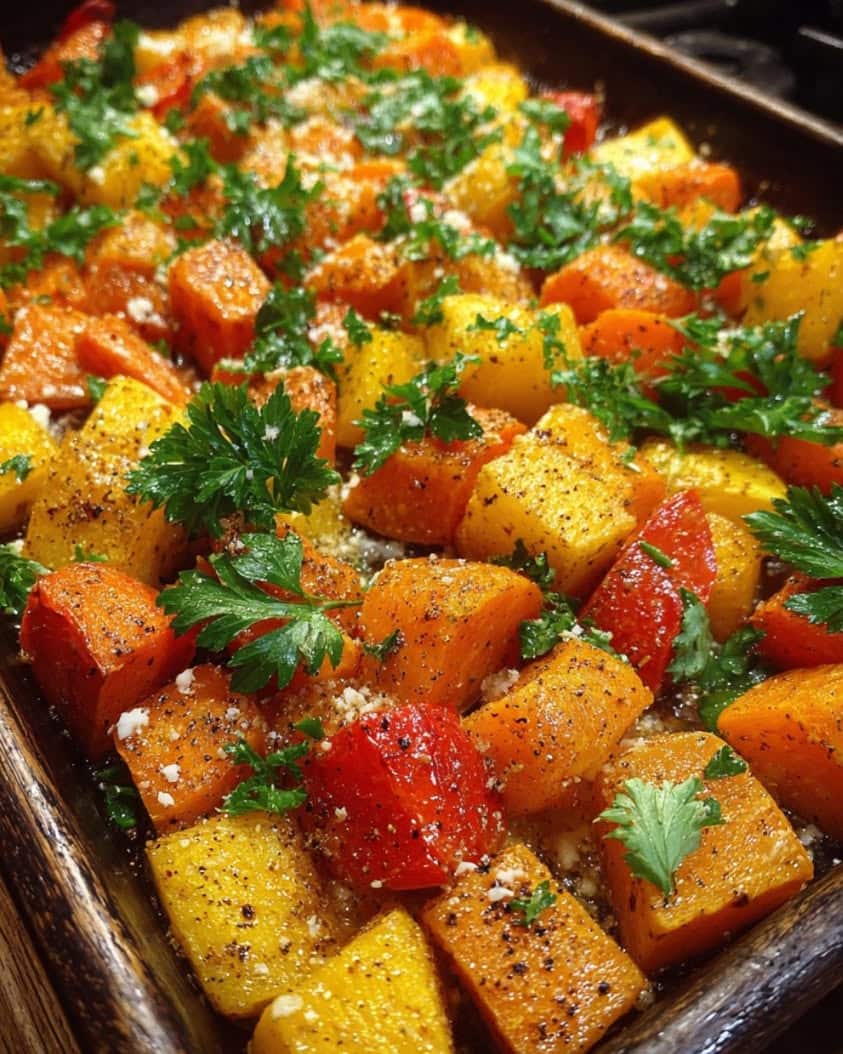
Sweet Potato, Butternut Squash, Carrot Sheet-Pan Cottage Cheese Bake: A Vibrant, Easy Sheet-Pan Meal
Imagine a dinner that fills your kitchen with the warm, earthy aroma of roasting vegetables and bubbling cheese. This Sweet Potato, Butternut Squash, Carrot Sheet-Pan Cottage Cheese Bake is exactly that kind of magical, comforting dish. Furthermore, it transforms simple, wholesome ingredients into a stunningly colorful and deeply satisfying meal with minimal effort. Consequently, you get a vibrant, easy sheet-pan meal that simplifies your evening routine while delivering incredible flavor and nutrition.
The beauty of this recipe lies in its brilliant simplicity and its powerful nutritional profile. Creamy, protein-packed cottage cheese bakes into a golden, flavorful crust that complements the natural sweetness of the roasted root vegetables. Meanwhile, the combination of sweet potatoes, carrots, and butternut squash creates a gorgeous mosaic of orange and yellow hues on your pan. Ultimately, this dish is a testament to how a healthy dinner can be both incredibly delicious and visually appealing, making it a perfect choice for busy weeknights or casual entertaining.
Additionally, this vegetarian sheet-pan meal is a fantastic solution for meal prep, as it reheats beautifully and tastes just as good the next day. The textures are a delightful contrast, with tender, caramelized vegetables and a rich, cheesy topping that is surprisingly light. Importantly, it’s a crowd-pleaser that will satisfy even the most dedicated carnivores at your table, proving that a plant-forward dish can be the star of the show.
Quick Recipe Highlights
- Flavor Profile: This dish offers a harmonious balance of sweet and savory notes. The natural sugars in the sweet potato and butternut squash caramelize beautifully in the oven, creating a deep, rich sweetness. Meanwhile, the savory herbs and creamy, protein-packed cottage cheese provide a delicious counterpoint, resulting in a complex and satisfying taste experience.
- Texture: You will enjoy a wonderful contrast of textures in every bite. The roasted vegetables become meltingly tender and slightly caramelized on the edges. Conversely, the cottage cheese topping bakes into a creamy, almost custard-like layer with a lightly golden surface, adding a luxurious mouthfeel to the hearty vegetables.
- Aroma: As this vibrant, easy sheet-pan meal bakes, your kitchen will fill with an irresistible fragrance. The primary aromatic notes are earthy and sweet from the roasting root vegetables, complemented by the warm, herbal scent of thyme and rosemary. Finally, the savory aroma of baking cheese ties everything together, creating a truly comforting olfactory experience.
- Visual Appeal: This bake is a feast for the eyes, boasting a stunning color palette. The bright orange sweet potatoes, sunny butternut squash, and deep orange carrots create a vibrant base. Subsequently, the white and golden-brown cottage cheese topping adds a beautiful visual contrast, making the dish look as impressive as it tastes.
- Skill Level Needed: This recipe is perfectly suited for beginner cooks or anyone seeking a straightforward, healthy dinner. The techniques involved are basic, primarily chopping and tossing. Therefore, no advanced culinary skills are required to achieve a perfectly cooked and flavorful result.
- Special Equipment: The only essential tool for this easy sheet-pan meal is a standard half-sheet pan. Additionally, a good chef’s knife and cutting board will make prepping the vegetables safe and efficient. A set of measuring spoons is also helpful for accurately portioning the oil and seasonings.
Recipe Overview
- Difficulty Level: We have classified this recipe as easy because it involves fundamental cooking techniques that most home cooks already possess. The steps are straightforward, primarily consisting of chopping vegetables, tossing them with oil and spices, and spreading them on a pan. Furthermore, the baking process is largely hands-off, requiring no complicated steps or precise temperature adjustments, making it a very accessible healthy dinner for all skill levels.
- Category: This versatile dish fits perfectly into several meal categories. It serves as a fantastic vegetarian main course for a light yet satisfying healthy dinner. Alternatively, it can act as a substantial side dish alongside roasted chicken or fish. It is also an excellent candidate for weekly meal prep, as it holds up well in the refrigerator.
- Cuisine: This recipe draws inspiration from modern American home cooking, with a focus on whole, nutritious ingredients and convenient preparation methods. While it doesn’t belong to a specific traditional cuisine, it embodies a contemporary, health-conscious approach to eating. The use of roasted vegetables and dairy is common across many European and North American culinary traditions, making it a familiar yet innovative dish.
- Cost: This is an incredibly cost-effective healthy dinner. Root vegetables like sweet potatoes, carrots, and butternut squash are typically affordable, especially when in season. Cottage cheese is also a budget-friendly source of high-quality protein. Overall, you can create this entire vibrant, easy sheet-pan meal for a family of four for a fraction of the cost of takeout, making it both economical and wholesome.
- Season: This bake is particularly wonderful in the fall and winter months when its core ingredients are at their peak of flavor and affordability. The warm, roasted flavors provide comfort during cooler weather. However, it can be enjoyed year-round as a reliable and nutritious sheet-pan meal, especially since these vegetables are often available in supermarkets throughout the year.
- Occasion: This dish is incredibly versatile for various occasions. It’s a perfect, no-fuss weeknight dinner after a long day. It’s also elegant enough to serve for a casual weekend brunch or a relaxed dinner with friends. For a simple yet impressive vegetarian option at a potluck or holiday gathering, this bake is always a welcome addition.
Why You’ll Love This Recipe
First and foremost, the taste and texture of this bake are truly exceptional. The roasting process intensifies the natural sweetness of the root vegetables, creating deep, caramelized flavors that are simply irresistible. Meanwhile, the creamy, protein-packed cottage cheese layer adds a savory, rich element that perfectly balances the sweetness. Every forkful delivers a comforting blend of soft, tender vegetables and a luxuriously creamy topping, making it a dish you will crave again and again. The combination of flavors is both sophisticated and homey, satisfying your palate with its complex simplicity.
From a convenience standpoint, this vibrant, easy sheet-pan meal is a true lifesaver. The preparation is remarkably simple, involving little more than chopping and mixing. Consequently, you can have everything ready for the oven in about twenty minutes. The real magic, however, happens when the single pan goes into the oven, freeing you from any stovetop monitoring or complicated steps. This one-pan approach not only makes cooking effortless but also minimizes cleanup, which is a significant benefit for any busy home cook seeking a reliable healthy dinner solution.
Nutritionally, this dish is a powerhouse. It is packed with vitamins A and C from the colorful vegetables, which are essential for immune function and vision. The cottage cheese provides a massive protein boost, promoting satiety and supporting muscle maintenance. Furthermore, the ingredients are rich in dietary fiber, which aids digestion and helps maintain steady blood sugar levels. This combination makes the bake an ideal choice for anyone looking to enjoy a fulfilling meal that supports their overall health and wellness goals without sacrificing flavor.
For social and entertaining value, this bake is a fantastic option. Its stunning visual appeal, with vibrant orange and yellow vegetables topped with a golden cheese crust, makes it look like you spent hours in the kitchen. It is a wonderful dish for serving a crowd because it is easy to scale up and can be prepared largely in advance. Moreover, it caters to a wide range of dietary preferences, being naturally vegetarian and easily adaptable for other needs, ensuring all your guests can enjoy this delicious healthy dinner together.
Finally, the cost-effectiveness and accessibility of this recipe are undeniable. The ingredients are humble, affordable, and readily available at any standard grocery store. You can create a generous, nutritious meal for a family without straining your budget. This accessibility makes it a perfect staple recipe for students, families, and anyone looking to eat well without spending a lot. It demonstrates that a gourmet-tasting, healthy dinner does not require expensive or hard-to-find ingredients, just a smart and flavorful combination of simple, whole foods.
Historical Background and Cultural Significance
The origin story of sheet-pan dinners is deeply rooted in the mid-20th century American post-war era, a time marked by a desire for convenience and efficiency in the kitchen. The widespread adoption of standardized baking sheets and reliable home ovens made this cooking method possible. While the specific combination of sweet potato, butternut squash, and carrot with cottage cheese is a modern invention, it builds upon a long tradition of rustic, oven-baked casseroles and gratins found in various cultures. This particular recipe represents an evolution towards healthier, protein-forward vegetarian meals that cater to contemporary nutritional awareness.
Culturally, the dish signifies a shift in how we perceive a healthy dinner. It moves away from heavy, cream-laden casseroles and towards meals that highlight the natural flavors and colors of vegetables. The use of cottage cheese as a primary protein source, rather than meat or processed alternatives, reflects a growing interest in whole-food nutrition. This vibrant, easy sheet-pan meal is a product of the modern wellness movement, where ease of preparation, visual appeal, and nutritional density are all valued equally. It embodies a practical yet joyful approach to home cooking.
The evolution of this recipe is a fascinating study in ingredient availability and dietary trends. Sweet potatoes and butternut squash, once considered somewhat exotic, have become supermarket staples in many parts of the world. Their rise in popularity is linked to increased recognition of their nutritional benefits. Cottage cheese, a staple of diet plans in the 1970s, is experiencing a renaissance as a versatile, high-protein ingredient. This bake brings these elements together in a novel way, creating a dish that feels both nostalgic and completely current, a perfect example of how classic ingredients find new life.
Regarding regional variations, the concept of a sheet-pan meal is wonderfully adaptable. In the Mediterranean, one might find a similar dish with zucchini, eggplant, and tomatoes, topped with feta cheese. A Middle Eastern version could feature spices like cumin and coriander, with a topping of labneh or a tahini sauce. The specific vegetable combination in this recipe has a distinctly North American feel, utilizing crops that are native or have been successfully cultivated there for centuries. This adaptability is the true beauty of the sheet-pan meal format, allowing cooks everywhere to incorporate local flavors and ingredients into a convenient and healthy cooking framework.
Ingredient Deep Dive
Sweet potatoes have a rich history, originating in Central or South America over 5,000 years ago and later spreading across the globe through exploration. They are a nutritional powerhouse, packed with beta-carotene (which converts to Vitamin A), Vitamin C, and fiber. When selecting sweet potatoes, look for firm specimens with smooth, unbruised skin; avoid any with soft spots or signs of sprouting. Store them in a cool, dark, well-ventilated place, but not in the refrigerator. For a substitution, regular potatoes or pumpkin can be used, though the flavor profile will be less sweet.
Butternut squash, a type of winter squash, is native to the Americas and was a staple food for many Indigenous peoples. It is an excellent source of Vitamin A, Vitamin C, and potassium, supporting eye health and immune function. Choose a squash that feels heavy for its size with a hard, matte rind and a solid, dry stem. Store whole butternut squash in a cool, dark place for up to a month. If you need a substitute, acorn squash or even sweet potato can work well, though the texture and cooking time may vary slightly.
Carrots have been cultivated for centuries, originally for their aromatic leaves and seeds rather than their roots. The orange carrot we know today was developed in the Netherlands in the 17th century. They are famously rich in beta-carotene and are also a good source of fiber, Vitamin K1, and antioxidants. Select firm, smooth carrots with a bright orange color; if they come with tops, the greens should be fresh and not wilted. Store them in the refrigerator’s crisper drawer in a plastic bag. Parsnips would be the closest substitute, offering a similar texture with a slightly sweeter, nuttier flavor.
Cottage cheese is a fresh cheese curd product with a mild flavor, whose origins likely lie in Eastern Europe or the Middle East. It is celebrated for its high protein content, particularly casein, which is slow-digesting and great for satiety. It also provides calcium and B vitamins. For the best results in this bake, use a small-curd, 4% milkfat variety for optimal creaminess and flavor. Low-fat versions can work but may result in a less rich topping. Store cottage cheese in the refrigerator and use it by the date on the container. For a dairy-free version, blended firm tofu or a thick, unsweetened plant-based yogurt can be used as a substitute.
Common Mistakes to Avoid
- Cutting Vegetables Unevenly: This is a critical error that leads to inconsistent cooking. If some vegetable pieces are large and others are small, the smaller ones will burn before the larger ones are tender. Consequently, always aim for a uniform, ¾-inch dice to ensure everything roasts evenly and becomes perfectly caramelized.
- Overcrowding the Pan: Cramming too many vegetables onto the sheet pan will cause them to steam rather than roast. Steaming prevents the caramelization that gives this healthy dinner its deep, sweet flavor. Therefore, spread the vegetables in a single, even layer with a little space between them to allow for proper air circulation and browning.
- Skipping the Oil Toss: Failing to coat the vegetables thoroughly in oil and seasonings will result in bland, dry spots. The oil is essential for conducting heat and helping the spices adhere. Make sure every piece of sweet potato, squash, and carrot is glistening before the pan goes into the oven for the most flavorful outcome.
- Using the Wrong Type of Cottage Cheese: Using a non-fat or dry cottage cheese can lead to a less creamy, more grainy topping. For the best texture in your creamy, protein-packed cottage cheese bake, opt for a 4% milkfat variety. The extra fat content helps the cheese melt into a smoother, more luxurious layer as it bakes.
- Not Preheating the Oven: Placing the sheet pan into a cold oven will throw off the entire cooking timeline and prevent proper roasting. The vegetables need an immediate blast of high heat to start the caramelization process. Always ensure your oven is fully preheated to the specified temperature before you add your vibrant, easy sheet-pan meal.
- Forgetting to Season the Cottage Cheese: The vegetable layer gets seasoned, but the cottage cheese topping needs flavor too. Simply spreading plain cottage cheese on top can result in a bland contrast to the sweet vegetables. Always mix your herbs, salt, and pepper directly into the cottage cheese before dolloping it over the roasted veggies.
- Undercooking the Vegetables: Removing the pan from the oven before the vegetables are fork-tender will leave you with an unpleasantly crunchy texture. The sweet potatoes and squash should be easily pierced with a fork. If they aren’t done after the initial roast, give them a few more minutes before adding the cheese topping.
- Using a Dark-Colored Pan Without Adjustment: Dark sheet pans absorb more heat and can cause the bottom of the vegetables to burn faster. If you only have a dark pan, consider reducing the oven temperature by 25 degrees Fahrenheit and keeping a close eye on the bake to prevent over-browning.
Essential Techniques
Uniform Vegetable Dicing is the most crucial technique for this recipe. Achieving consistently sized ¾-inch cubes ensures that every piece of sweet potato, butternut squash, and carrot cooks at the same rate. This prevents the frustrating scenario where some pieces are mushy and overcooked while others are still hard. To master this, use a sharp chef’s knife and take your time. A common pitfall is rushing and creating uneven chunks. The visual cue for success is a sheet pan filled with vegetables that all look the same size, which will lead to a perfectly cooked, vibrant, easy sheet-pan meal.
Proper Sheet Pan Roasting is what transforms simple vegetables into a caramelized, flavorful base. This technique relies on high heat and adequate space between the vegetable pieces. The high heat causes the natural sugars in the vegetables to caramelize, creating a deep, sweet flavor and a slightly crispy exterior. To master it, always preheat your oven and avoid overcrowding the pan. A common mistake is piling the vegetables on, which steams them instead of roasting them. The visual cue for success is seeing golden-brown, slightly shrunken edges on your vegetables, indicating that concentration of flavor has occurred.
Creating the Creamy Cottage Cheese Topping is a simple but important technique for the final texture. The goal is to have a layer that bakes into a cohesive, creamy blanket over the vegetables. The key is to use a cottage cheese with adequate fat content and to mix it well with its seasonings. Simply dolloping it without mixing can lead to uneven seasoning. A common pitfall is over-mixing until it becomes too liquid. The visual cue for success is a well-combined, speckled cheese mixture that you can spread gently over the hot vegetables, where it will then melt and set beautifully in the oven.
Pro Tips for Perfect Sweet Potato, Butternut Squash, Carrot Sheet-Pan Cottage Cheese Bake
For the ultimate caramelization, give the vegetables a quick toss with the oil and spices in a large bowl instead of on the pan. This ensures a more even coating, which leads to better browning and flavor distribution across every single piece of sweet potato, squash, and carrot.
Consider par-cooking denser vegetables like the sweet potatoes and carrots for a few minutes in the microwave before tossing them with the squash and oil. This small step guarantees that all the vegetables will be perfectly tender at the same time, preventing any undercooked bits in your final healthy dinner.
Elevate your creamy, protein-packed cottage cheese bake by adding a tablespoon of nutritional yeast or a sprinkle of grated Parmesan to the cottage cheese mixture. This introduces a subtle, savory, umami depth that complements the sweetness of the roasted vegetables incredibly well.
After removing the bake from the oven, let it rest for 5-10 minutes before serving. This allows the cheesy topping to set slightly, making it easier to cut and serve neat portions. Furthermore, this rest period allows the intense flavors to meld together perfectly.
For a beautiful finishing touch and a burst of fresh flavor, garnish your baked dish with a handful of chopped fresh herbs like parsley or chives right before serving. The green color provides a stunning contrast to the orange vegetables, enhancing the visual appeal of your vibrant, easy sheet-pan meal.
If you notice the vegetables are not browning to your liking, switch your oven to a high broil for the last 1-2 minutes of cooking. Watch it closely during this time to achieve a beautifully golden, spotty top on the cottage cheese without burning the entire dish.
Variations and Adaptations
For regional variations, you can easily take this basic formula and give it an international twist. A Mediterranean version could include cherry tomatoes, Kalamata olives, and red onion, with the cottage cheese swapped for a crumbled feta topping. For a Southwestern flair, toss the vegetables with chili powder and cumin, and use a pepper jack cheese mixed into the cottage cheese. An Italian-inspired bake might feature zucchini and eggplant with oregano and basil, finished with a sprinkle of mozzarella. These adaptations show the incredible flexibility of the sheet-pan meal concept.
Seasonal adaptations make this recipe a year-round staple. In the spring, try using asparagus tips and new potatoes alongside the carrots. During summer, zucchini, bell peppers, and corn would be wonderful additions. The autumn version is the classic one presented here. For a deep winter variation, consider using parsnips, turnips, and Brussels sprouts. Each season offers a different palette of vegetables that can be roasted to perfection, ensuring your healthy dinner never gets boring.
Dietary modifications are straightforward with this forgiving recipe. For a vegan adaptation, replace the cottage cheese with a layer of creamy, seasoned hummus or a cashew cream sauce. To make it gluten-free, simply ensure that any added spices or condiments are certified gluten-free, though the core recipe naturally is. For a higher-protein version, mix an egg into the cottage cheese before spreading it, which will help it set into a firmer, quiche-like topping. A keto or low-carb version would focus on lower-carb vegetables like cauliflower and broccoli instead of the sweet potatoes and squash.
Flavor variations can completely transform the character of the dish. For a smoky profile, use smoked paprika and a touch of chipotle powder in your spice mix. An herby, fresh version could rely on generous amounts of dill, chives, and tarragon. For an umami bomb, add a dash of soy sauce or Worcestershire sauce to the oil mixture before tossing the vegetables. A spicy kick can be achieved by adding red pepper flakes or a diced jalapeño to the vegetable mix before roasting.
Serving and Presentation Guide
Plating this dish beautifully enhances the dining experience. For individual servings, use a wide, shallow bowl or a plate with a slight lip. Scoop a generous portion with a large spatula or serving spoon, ensuring you get some of the golden topping and the colorful vegetables beneath. To create a more refined presentation, you can carefully stack the vegetable pieces and drape the creamy cottage cheese over them. Alternatively, for a family-style meal, serve the bake directly from the sheet pan at the table, allowing guests to admire its vibrant colors before diving in.
Garnishing is the final touch that elevates your healthy dinner from homely to restaurant-worthy. A sprinkle of fresh, finely chopped herbs like parsley, chives, or dill adds a pop of green color and a fresh flavor contrast. A drizzle of high-quality extra virgin olive oil or a balsamic glaze just before serving adds shine and a touch of acidity. For a bit of crunch, toasted pumpkin seeds or sunflower seeds scattered over the top provide a wonderful textural counterpoint to the soft vegetables and creamy cheese.
Traditional accompaniments for a hearty vegetable bake are simple and wholesome. A crisp green salad with a sharp vinaigrette helps cut through the richness of the dish. A slice of crusty, whole-grain bread or a warm dinner roll is perfect for soaking up any delicious juices left on the plate. For a more substantial meal, consider serving it alongside a simple roasted chicken breast or a piece of pan-seared fish, making the bake a stellar side dish.
Wine and Beverage Pairing
Selecting the right wine can complement the sweet and savory notes of this bake beautifully. A crisp, unoaked Chardonnay is an excellent choice, as its bright acidity and notes of apple and citrus balance the sweetness of the roasted vegetables. Alternatively, a dry Riesling offers a fantastic pairing; its slight minerality and stone fruit flavors harmonize with the dish without overpowering it. For red wine lovers, a light-bodied Pinot Noir with its red fruit characteristics and earthy undertones can stand up to the earthy vegetables and creamy cheese without dominating the palate.
Non-alcoholic alternatives provide just as much pleasure and complexity. A sparkling water with a squeeze of lemon or lime cleanses the palate between bites of the rich, creamy topping. For a more substantial option, a chilled ginger beer offers a spicy kick that contrasts wonderfully with the sweet vegetables. An herbal iced tea, such as one with mint or rosemary, can mirror the herbal notes in the bake itself, creating a cohesive flavor experience for your vibrant, easy sheet-pan meal.
If you prefer coffee or tea with your meal, opt for lighter varieties that won’t overwhelm the delicate flavors. A medium-roast coffee with low acidity can be a comforting companion, especially if enjoying the bake for brunch. A cup of green tea, with its grassy, slightly astringent notes, can provide a refreshing counterpoint to the creamy, rich elements of the dish. Ultimately, serving these beverages at their ideal temperatures—hot coffee and tea, cold iced tea—ensures they provide the intended refreshing or warming effect.
Storage and Shelf Life
Proper storage is key to maintaining the quality of your leftovers. Allow the bake to cool completely to room temperature before storing, but do not leave it out for more than two hours to prevent bacterial growth. Transfer the leftovers to an airtight container. You can use a glass container with a lid or a BPA-free plastic container. This method will keep your healthy dinner fresh in the refrigerator for up to 3-4 days. The vegetables may soften slightly upon reheating, but the flavors will remain delicious.
For longer-term storage, this creamy, protein-packed cottage cheese bake freezes reasonably well. Portion it into individual servings and wrap each portion tightly in plastic wrap, then place them in a freezer-safe bag or container. This prevents freezer burn and makes it easy to thaw only what you need. The baked dish can be frozen for up to 2 months. Note that the texture of the cottage cheese topping may become slightly grainy upon thawing, but the overall taste will still be very good.
Reheating instructions depend on the storage method. For refrigerated portions, reheat in a microwave until steaming hot throughout, usually 2-3 minutes. Alternatively, for a crisper top, reheat in a 350°F (175°C) oven for 10-15 minutes, covered with foil to prevent over-browning. For frozen portions, it is best to thaw them in the refrigerator overnight before reheating using one of the methods above. Reheating from frozen is possible but can lead to uneven heating, with some parts becoming overcooked while the center remains cold.
Make Ahead Strategies
A fantastic make-ahead strategy is to prep all the vegetables a day in advance. You can peel and dice the sweet potatoes, butternut squash, and carrots, then store them submerged in cold water in airtight containers in the refrigerator. This prevents them from oxidizing and drying out. When you’re ready to cook, simply drain the vegetables and pat them very dry with a clean kitchen towel or paper towels. This step is crucial because any excess water will steam the vegetables instead of allowing them to roast properly, affecting the texture of your final healthy dinner.
You can also fully assemble the bake up to the point of putting it in the oven. Spread the seasoned vegetables on the sheet pan, cover it tightly with plastic wrap, and refrigerate for up to 12 hours. Similarly, mix the cottage cheese with the herbs and seasonings in a separate container and refrigerate it. When ready to cook, remove the pan from the refrigerator, discard the plastic wrap, and let it sit at room temperature for about 20 minutes while the oven preheats. Then, bake as directed, adding the cottage cheese topping at the appropriate time. This approach has minimal impact on quality and makes for an incredibly easy weeknight meal.
Scaling Instructions
Halving this recipe is simple and ideal for couples or smaller households. Reduce all ingredients by half and use a quarter-sheet pan or a smaller baking dish to maintain the appropriate depth of the vegetable layer. The cooking time may need to be reduced by 5-10 minutes, so start checking for doneness a little earlier. Keep a close eye on the cottage cheese topping, as a smaller volume will brown more quickly. This scaling down ensures you can still enjoy this vibrant, easy sheet-pan meal without having excessive leftovers.
Doubling or tripling the recipe is perfect for meal prep or feeding a crowd. Simply multiply all ingredient quantities by two or three. The key here is to use multiple sheet pans rather than overfilling a single one. Overcrowding is the enemy of roasting, as it leads to steaming. Rotate the pans halfway through the cooking time to ensure even browning and cooking. You may also need to add 5-10 minutes to the total cooking time. This approach allows you to efficiently prepare a large batch of this healthy dinner for the week or for a gathering.
Nutritional Deep Dive
This dish offers a well-balanced macronutrient profile, making it a satisfying and nutritious healthy dinner. The complex carbohydrates from the sweet potatoes, squash, and carrots provide sustained energy release. The cottage cheese is the star for protein, delivering a high-quality, complete protein that promotes muscle repair and satiety. The fats come primarily from the olive oil and the cottage cheese, providing healthy monounsaturated fats and some saturated fat, which are essential for nutrient absorption and hormone production. This balance helps keep you full and energized for hours after eating.
The micronutrient analysis reveals a wealth of vitamins and minerals. The orange vegetables are bursting with beta-carotene, which the body converts to Vitamin A, crucial for vision, immune function, and skin health. They are also excellent sources of Vitamin C, an antioxidant that supports the immune system and collagen production. The cottage cheese contributes significant amounts of calcium and phosphorus, which are vital for bone health. Additionally, you’ll find B vitamins, potassium, and magnesium in this meal, supporting everything from energy metabolism to nerve function.
Dietary Adaptations
For a gluten-free version, this recipe is naturally compliant, as it contains no grains or gluten-containing ingredients. Simply ensure that any pre-packaged spices or herb blends you use are certified gluten-free, as cross-contamination can sometimes be an issue. This makes the bake a safe and delicious option for those with celiac disease or gluten sensitivity.
Creating a dairy-free or vegan adaptation is straightforward. Replace the cottage cheese with a thick, seasoned plant-based alternative. A mixture of blended silken tofu with nutritional yeast, lemon juice, and salt can mimic the tangy, creamy quality of cottage cheese. Alternatively, a thick, unsweetened coconut or soy yogurt can work, though the texture will be softer. This adaptation allows everyone to enjoy the core concept of this vibrant, easy sheet-pan meal.
For a keto or low-carb version, the main adjustment involves replacing the high-carb root vegetables. Use low-carb alternatives like cauliflower florets, broccoli, zucchini, and bell peppers. The cottage cheese can remain, but be mindful of its carb content; you could also substitute it with a mixture of cream cheese and sour cream for an even richer, lower-carb topping. The seasonings and cooking method remain the same, resulting in a dish that fits within a strict carbohydrate budget.
Troubleshooting Guide
If your vegetables are not tender, the most common cause is undercooking or uneven dicing. First, ensure all pieces are uniformly sized. If they are still firm after the recommended cooking time, simply return the pan to the oven for additional 5-minute increments until they are easily pierced with a fork. Cover the pan with foil if the cottage cheese topping is already sufficiently browned to prevent it from burning. Patience is key; root vegetables can vary in density and moisture content, affecting their cooking time.
If the cottage cheese topping is too watery or hasn’t set, it could be due to using a brand with high moisture content or not baking it long enough. For next time, you can drain the cottage cheese in a fine-mesh strainer for 15 minutes before using it. If it’s currently in the oven and seems too loose, extend the baking time by 5-10 minutes. The topping should look set and have golden-brown spots on the surface when it’s ready. It will continue to firm up slightly as it cools.
Recipe Success Stories
We have received wonderful feedback from our community of home cooks who have tried this recipe. One reader, Sarah from Colorado, shared that this bake has become her family’s favorite “Meatless Monday” staple. Her children, who are typically picky eaters, love the sweet flavor of the roasted vegetables and the creamy cheese topping. She appreciated how the recipe helped her introduce more vegetables into their diet in a fun and delicious way. Her tip was to use cookie cutters to create fun shapes from the baked vegetables for her younger kids, making the healthy dinner an even bigger hit.
Another success story comes from Mark, a busy professional who relies on meal prep. He reported that this recipe scales perfectly and reheats beautifully for lunches throughout the week. He experimented by adding a sprinkle of smoked paprika to the cottage cheese mixture and found it took the flavor to a new level. His adaptation demonstrates the recipe’s fantastic flexibility. He also noted that photographing the bake in natural light, with a simple white plate and a sprig of fresh rosemary, made his meal look as incredible as it tasted.
Frequently Asked Questions
Can I use frozen vegetables for this bake?
We do not recommend using frozen vegetables for this specific recipe. Frozen vegetables release a significant amount of water as they thaw and cook, which will steam the vegetables instead of allowing them to roast and caramelize properly. This results in a soggy texture and less developed flavor. For the best outcome with this vibrant, easy sheet-pan meal, always use fresh, firm sweet potatoes, butternut squash, and carrots.
What can I use instead of cottage cheese?
If you need a substitute for cottage cheese, there are several good options. For a similar creamy texture, you can use ricotta cheese, which will yield a slightly richer result. For a dairy-free version, a thick, unsweetened plant-based yogurt or a blended silken tofu with nutritional yeast works well. Greek yogurt is another alternative, though it may make the topping a bit tangier. The key is to maintain a spreadable, creamy consistency for the topping of your healthy dinner.
How do I know when the vegetables are perfectly cooked?
You will know the vegetables are perfectly cooked when you can easily pierce them with a fork with little to no resistance. The edges of the vegetable pieces should be slightly caramelized and golden brown, which indicates that the natural sugars have concentrated and developed a deep, sweet flavor. The vegetables will also have shrunk slightly in size. If you are unsure, it is better to cook for a few extra minutes to ensure tenderness.
Can I add meat to this recipe?
Absolutely, you can easily add meat to make it a heartier meal. Diced chicken breast or Italian sausage are excellent additions. Toss the raw meat with the vegetables, oil, and seasonings before roasting. Ensure the meat is cut into small, bite-sized pieces so that it cooks through in the same amount of time as the vegetables. Always check that the chicken is
Print
Sweet Potato, Butternut Squash, Carrot Sheet-Pan Cottage Cheese Bake
Description
A comforting, nutrient-packed sheet-pan bake featuring roasted sweet potatoes, butternut squash, and carrots, topped with creamy cottage cheese and savory herbs.
Ingredients
For the Crust:
- 2 medium sweet potatoes, peeled and cubed
- 1 small butternut squash, peeled and cubed
- 3 large carrots, peeled and sliced
- 2 tablespoons olive oil
- 1 teaspoon garlic powder
- 1 teaspoon dried thyme
- 1/2 teaspoon smoked paprika
- Salt and black pepper to taste
- 1 1/2 cups cottage cheese
- 1/4 cup grated Parmesan cheese
- Fresh parsley for garnish
Instructions
1. Prepare the Crust:
- Preheat oven to 400°F (200°C) and line a large sheet pan with parchment paper.
- In a large bowl, toss sweet potatoes, butternut squash, and carrots with olive oil, garlic powder, thyme, smoked paprika, salt, and pepper until evenly coated.
- Spread vegetables in a single layer on the prepared sheet pan and roast for 25-30 minutes, or until tender and lightly browned.
- Remove sheet pan from oven and dollop cottage cheese over the roasted vegetables. Sprinkle with Parmesan cheese.
- Return to oven and bake for an additional 5-7 minutes, until cheese is warmed and slightly melted.
- Garnish with fresh parsley and serve warm.
Notes
You can customize the seasonings to taste.

I’m Shaykee—born in Morocco, seasoned across continents. From airplane galleys to home kitchens, I share the flavors and stories that shaped my journey.