
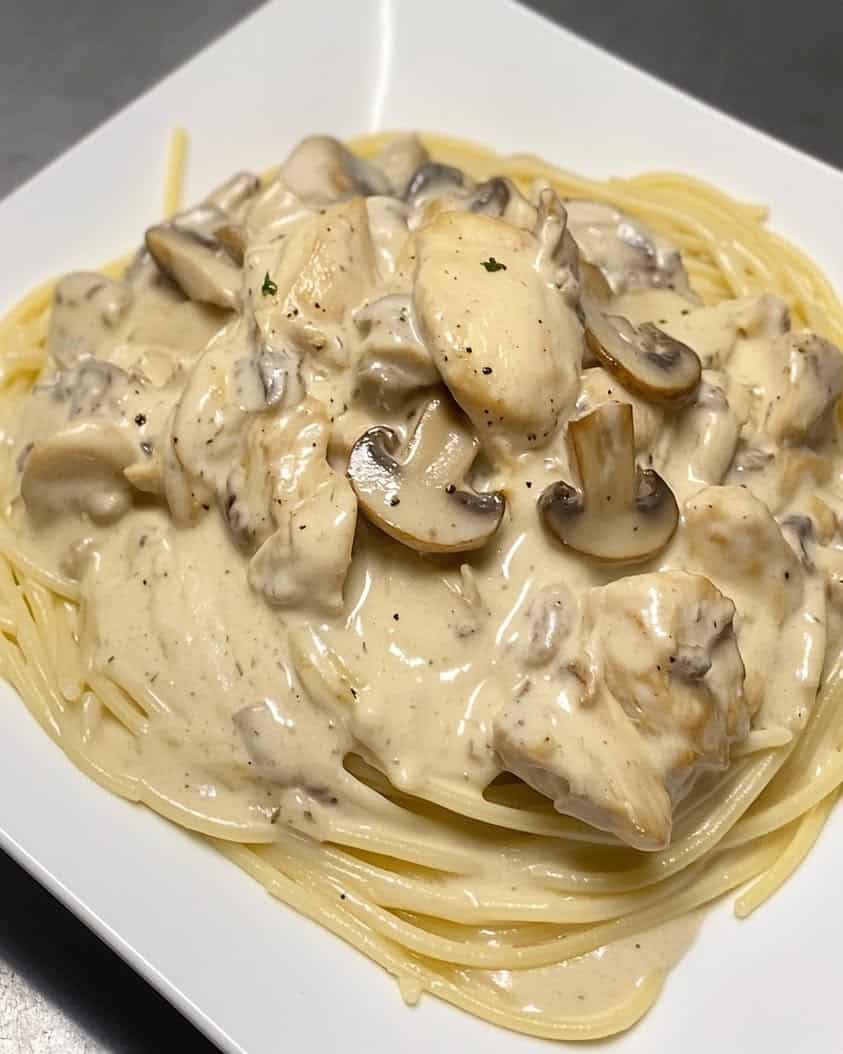
Creamy Garlic Chicken & Mushroom Spaghetti: A Rich, One-Pan Pasta Dish That’s Ready in 30 Minutes
Imagine a steaming plate of perfectly al dente spaghetti, each strand coated in a velvety, luxurious sauce. Now picture tender bites of golden-brown chicken and savory, earthy mushrooms nestled throughout. This is the magic of creamy garlic chicken & mushroom spaghetti, a dish that promises restaurant-quality flavor with minimal kitchen effort. Consequently, it has become a beloved staple for home cooks seeking both comfort and sophistication on a busy weeknight. The aroma alone, a heady blend of toasted garlic, seared protein, and fresh herbs, is enough to gather the whole family to the table.
This recipe stands out because it cleverly builds layers of flavor in a single pan. You start by searing the chicken to create a flavorful fond, then sauté the mushrooms to release their deep, umami-rich juices. After that, you deglaze the pan to capture every bit of that savory goodness, creating the base for an incredibly rich cream sauce. Ultimately, the pasta cooks right in that same sauce, absorbing all the flavors and thickening it to a perfect, clingy consistency. The result is a cohesive, deeply satisfying meal where every component is infused with the same delicious essence.
Furthermore, this creamy garlic chicken & mushroom spaghetti is incredibly versatile. You can easily adapt it to suit what you have on hand or to meet different dietary preferences. For instance, you might use different mushroom varieties, swap in a plant-based protein, or adjust the creaminess to your liking. Regardless of your tweaks, the core principle remains: a quick, one-pan wonder that delivers maximum taste and comfort. This dish proves that you don’t need hours or a pile of dirty dishes to create something truly special for dinner.
Quick Recipe Highlights
- Flavor Profile: This dish delivers a masterful balance of savory, creamy, and aromatic notes. The garlic provides a pungent, fragrant base, while the mushrooms contribute a deep, earthy umami. Meanwhile, the Parmesan cheese and cream add a salty, rich complexity that ties everything together beautifully.
- Texture: You experience a wonderful contrast in every bite. The spaghetti offers a satisfying, slightly firm chew, while the chicken is tender and juicy. Simultaneously, the mushrooms provide a meaty bite, and the sauce coats everything in a smooth, velvety layer that is neither too thick nor too thin.
- Aroma: As the dish cooks, your kitchen will fill with an irresistible scent. Initially, you’ll smell the sweet, nutty fragrance of garlic sautéing in butter. Subsequently, the savory scent of browning chicken and the earthy, woodsy aroma of mushrooms will join in, creating a mouthwatering preview of the meal to come.
- Visual Appeal: This pasta is a feast for the eyes with its creamy, pale sauce speckled with golden chicken pieces and brown mushrooms. A final garnish of fresh, green parsley or basil adds a vibrant pop of color, making the plate look as inviting as it tastes.
- Skill Level Needed: This is a fantastic recipe for cooks of all levels. It requires basic techniques like searing, sautéing, and simmering. Therefore, even a beginner can achieve impressive results by following the clear, sequential steps outlined below.
- Special Equipment: You need only a large, deep skillet or sauté pan with a lid. A sturdy pair of tongs is helpful for tossing the pasta. Otherwise, standard kitchen tools like a cutting board, knife, and measuring cups are all you’ll require.
Recipe Overview
- Difficulty Level: We classify this creamy garlic chicken & mushroom spaghetti as “Easy.” The steps are straightforward and logical, building the dish in one pan. While there is some multitasking involved, such as managing the chicken while the pasta cooks, the process is forgiving and well-suited for a confident home cook’s weeknight rotation. The techniques are fundamental, making success highly achievable.
- Category: This recipe falls squarely into the category of comforting main dishes and one-pan meals. It’s a complete, protein-packed dinner that requires minimal side dishes. Often, it’s also considered a quick family dinner or a date-night-in recipe due to its elegant yet approachable nature.
- Cuisine: While not strictly authentic to one region, this dish draws heavily from Italian-American and French culinary traditions. The technique of cooking pasta in its sauce is Italian-inspired, while the creamy, pan-deglazed sauce has roots in French cookery. Ultimately, it’s a modern fusion favorite designed for contemporary home kitchens.
- Cost: This is a very cost-effective meal. Chicken thighs or breasts, spaghetti, and common mushrooms are budget-friendly staples. Ingredients like garlic, broth, and cream are pantry essentials for many. Overall, you can create a restaurant-style meal for a family of four at a fraction of the cost of dining out.
- Season: This creamy garlic chicken & mushroom spaghetti is truly a year-round dish. However, it shines in the cooler fall and winter months when its rich, warming qualities are most desired. Conversely, it’s also perfect for a quick spring or summer meal when you crave comfort food without spending hours over a hot stove.
- Occasion: It’s incredibly versatile for different occasions. Primarily, it’s an ideal busy weeknight dinner solution. Additionally, it’s impressive enough for casual weekend entertaining or a cozy date night at home. It’s a reliable “crowd-pleaser” that suits both family meals and friendly gatherings.
Why You’ll Love This Recipe
First and foremost, the taste and texture of this creamy garlic chicken & mushroom spaghetti are utterly irresistible. Each forkful delivers a symphony of flavors: the savory depth of seared chicken, the earthy richness of mushrooms, and the sharp, aromatic punch of garlic, all harmonized by a luscious, creamy sauce. The textures are equally compelling, featuring tender chicken, meaty mushrooms, and perfectly cooked pasta that holds the sauce beautifully. Consequently, every bite is a satisfying and complete experience that feels both indulgent and wholesome.
From a practical standpoint, the convenience of this recipe is a major win. As a true one-pan meal, it dramatically reduces cleanup time, which is a gift on any busy evening. The entire cooking process is streamlined and sequential, meaning you can have a gourmet-tasting dinner on the table in about thirty minutes. Furthermore, the ingredient list is composed of simple, accessible items you likely already have or can easily find at any grocery store. This eliminates the stress of hunting for obscure components.
Nutritionally, this dish offers a well-rounded balance. Chicken provides a lean source of high-quality protein essential for muscle repair and satiety. Mushrooms are a fantastic source of B vitamins, selenium, and antioxidants. Using a moderate amount of cream and cheese creates richness without overdoing it, and you can always adjust these amounts to your dietary needs. When served with a simple side salad, it becomes a complete and satisfying meal that fuels your body while delighting your taste buds.
For social and entertaining value, this creamy garlic chicken & mushroom spaghetti is a superstar. It’s universally appealing, making it a safe yet impressive choice for guests. You can prepare most of it ahead of time or simply cook it while chatting with friends in the kitchen. The presentation is elegant enough to feel special, yet the recipe is straightforward enough that you won’t be stressed. It fosters a warm, comforting atmosphere that is perfect for sharing good food and conversation.
Finally, the cost-effectiveness and accessibility of this recipe cannot be overstated. It transforms affordable, everyday ingredients into a meal that rivals what you’d order at a casual Italian restaurant. You can feed a family generously for less than the price of two restaurant entrees. Additionally, its adaptability means you can use what’s on sale or in season, making it a budget-friendly staple. This dish proves that eating well doesn’t require expensive ingredients or complicated techniques.
Historical Background and Cultural Significance
The concept of pasta with chicken and mushrooms in a creamy sauce doesn’t trace back to a single, ancient recipe. Instead, it’s a modern creation born from the fusion of several culinary traditions. Its origin story lies in the mid-to-late 20th century, particularly within Italian-American cuisine and the broader trend of “casual gourmet” cooking that became popular for home cooks. Chefs and home cooks began combining the Italian love for pasta with French techniques for pan sauces, utilizing readily available proteins like chicken breast to create hearty, restaurant-style plates that felt both familiar and sophisticated.
Culturally, this dish signifies the globalization and adaptation of food traditions. It takes the Italian framework of a pasta primo piatto and merges it with the French technique of making a roux-less cream sauce (a quick pan sauce using cream instead of a flour-thickened béchamel). The inclusion of mushrooms, a beloved ingredient across European cuisines, adds a layer of earthy depth that bridges these traditions. In many ways, creamy garlic chicken & mushroom spaghetti represents the creative, practical spirit of contemporary home cooking, where rules are guidelines and flavor is the ultimate goal.
The evolution of this recipe is directly tied to the availability of ingredients and changes in cooking trends. Originally, a similar dish might have used heavy cream more liberally. Today, versions often incorporate lighter creams, broth, or even a splash of white wine to balance richness. The move towards one-pan cooking for convenience has also solidified its method, where the pasta cooks directly in the sauce. This evolution reflects a desire for deep flavor, minimal cleanup, and meals that can be prepared quickly after a long workday.
Regional variations of this concept are plentiful. In the American South, you might find a version with a splash of sherry. In a more Italian-inspired take, the cream might be replaced with a touch of mascarpone or ricotta. Some cooks add sun-dried tomatoes for sweetness and color, while others incorporate spinach for a nutritional boost. The garlic and mushroom base remains constant, but the supporting cast can change based on local tastes and pantry staples, demonstrating the recipe’s wonderful flexibility.
Ingredient Deep Dive
Chicken breast or thighs are the protein cornerstone. Chicken thighs, in particular, are a fantastic choice for this creamy garlic chicken & mushroom spaghetti because their higher fat content keeps them juicy and flavorful during the quick cooking process. Culturally, chicken is a globally accepted, versatile protein. Nutritionally, it’s an excellent source of lean protein, niacin, and selenium. For selection, look for plump, pink flesh without any gray discoloration. You can store raw chicken in the coldest part of your fridge for 1-2 days or freeze it for months. For a substitution, boneless pork chops or even large shrimp work beautifully with adjusted cooking times.
Cremini or white button mushrooms provide the essential earthy umami. Cremini mushrooms are simply more mature white buttons, offering a slightly deeper flavor. Historically, mushrooms have been foraged and cherished for millennia across cultures for their unique, savory taste. They are a great source of B vitamins, potassium, and antioxidants. Select mushrooms that are firm, dry, and smooth, avoiding any that are slimy or wrinkled. Store them in a paper bag in the refrigerator. For a deeper flavor, try shiitake or portobello mushrooms. If you need a substitute, consider well-drained, canned artichoke hearts for a different but satisfying texture and flavor.
Fresh garlic is the non-negotiable aromatic heart of the dish. Garlic has a storied history, used for both culinary and medicinal purposes since ancient times. It contains allicin, a compound with noted health benefits. For the best flavor, always use fresh garlic cloves, not pre-minced jarred garlic. Look for firm, plump heads with tight, papery skin. Store garlic in a cool, dark, dry place. There is no true substitute for fresh garlic in this recipe, as its pungent, sweet flavor when sautéed is irreplaceable. However, in a pinch, a teaspoon of high-quality garlic powder added with the broth can work.
Heavy cream or half-and-half creates the luxurious sauce base. Heavy cream (with 36% milk fat) will yield a richer, thicker sauce, while half-and-half creates a lighter version. Dairy-based sauces have roots in French and Northern Italian cooking. Cream adds fat, which carries flavor and creates a satisfying mouthfeel. Always check the expiration date and give the carton a sniff to ensure freshness. For storage, keep it tightly sealed in the coldest part of your refrigerator. For a dairy-free version, full-fat canned coconut milk or a plain, unsweetened cashew cream are excellent substitutes that still provide richness.
Parmesan cheese is the flavor amplifier. Authentic Parmigiano-Reggiano, aged for over 24 months, brings a complex, nutty, salty punch that elevates the entire dish. It’s a hard cheese with a long history from the Parma region of Italy. It’s a good source of calcium and protein. Always buy a block and grate it yourself for the best flavor and meltability; pre-grated cheese contains anti-caking agents that can make sauces grainy. Wrap the block in parchment and foil and store it in the fridge. For substitutions, a similar hard, aged cheese like Pecorino Romano (which is saltier and sharper) or Asiago can be used.
Common Mistakes to Avoid
- Overcrowding the Pan with Chicken: Adding all the chicken at once will steam it instead of searing it. You need a hot pan and space between pieces to achieve a golden-brown crust, which builds foundational flavor for the entire sauce.
- Using Pre-Minced Jarred Garlic: This garlic often has a harsh, acidic flavor and can burn quickly. Freshly minced garlic provides a sweeter, more aromatic taste that is essential for a balanced creamy garlic chicken & mushroom spaghetti.
- Not Deglazing the Pan Properly: After cooking the chicken and mushrooms, those browned bits (fond) stuck to the pan are pure flavor. If you don’t adequately scrape them up with the broth, you’re leaving the best part behind.
- Overcooking the Pasta in the Sauce: The spaghetti will continue to absorb liquid and soften as it sits. Therefore, you should cook it just to al dente in the sauce, as it will reach perfect tenderness by serving time.
- Adding Cold Cream to a Hot Pan: Adding cold dairy directly to very high heat can cause it to separate or curdle. To prevent this, temper the cream by letting it sit out for 10-15 minutes before adding it, or add it off the heat and stir vigorously.
- Using Pre-Grated Parmesan Cheese: As mentioned, pre-grated cheese contains cellulose, which prevents clumping but also prevents smooth melting. This can result in a grainy, unpleasant sauce texture.
- Skipping the Resting Time for the Chicken: Slicing the chicken immediately after cooking causes all the juices to run out, leaving it dry. Let it rest for 5 minutes before slicing to allow the juices to redistribute.
- Underseasoning the Sauce: Pasta and cream require generous seasoning. Remember to taste and adjust the salt and pepper at the end, just before serving. The Parmesan adds saltiness, so factor that in.
- Using a Pan That’s Too Small: A crowded pan makes it difficult to sear properly and toss the pasta with the sauce. A large, deep skillet or Dutch oven is the ideal tool for this one-pan method.
- Neglecting to Reserve Pasta Water: The starchy pasta water is a magical ingredient for adjusting sauce consistency at the end. Always save at least a cup before draining your pasta, just in case you need to loosen the sauce.
Essential Techniques
Pan Searing for Flavor: This technique involves cooking the chicken in a hot pan with minimal oil to create a caramelized, brown crust. It’s important because the Maillard reaction that occurs during searing creates hundreds of new flavor compounds, forming the flavor foundation for your entire sauce. To master it, ensure your chicken is dry, your pan is hot, and you don’t move the pieces until they release easily. A common pitfall is a pan that’s not hot enough, leading to gray, steamed meat. Visual success is a uniform, deep golden-brown color on each piece.
Deglazing the Pan: After removing the seared protein, you add a liquid (like broth or wine) to the hot pan and use a wooden spoon to scrape up all the browned bits stuck to the bottom. This is crucial because it dissolves those concentrated flavor particles (the fond) into your sauce, adding incredible depth. The key is to use a liquid that will simmer and reduce slightly. The pitfall is using too much liquid or not scraping thoroughly. Success is evident when the bottom of the pan is clean and the liquid has become a dark, flavorful base.
Simmering Pasta in Sauce: Instead of boiling pasta in a giant pot of water, you cook it directly in the simmering sauce with added liquid. This technique is important because the pasta starches release directly into the sauce, thickening it naturally and helping the sauce cling to every strand. To do it well, ensure you have enough liquid (usually broth) for the pasta to absorb, and stir frequently to prevent sticking. The pitfall is running out of liquid before the pasta is cooked; you can always add more hot broth or water. Success is pasta cooked to al dente and a sauce that has thickened to a creamy consistency.
Pro Tips for Perfect Creamy Garlic Chicken & Mushroom Spaghetti
First, pat your chicken pieces completely dry with paper towels before seasoning. Any surface moisture will create steam and prevent that essential golden sear you need for maximum flavor.
Use a mix of mushrooms for a more complex flavor profile. Combining cremini with a few shiitake or oyster mushrooms adds different layers of earthy and woodsy notes to the dish.
Let your cream and grated Parmesan cheese come closer to room temperature before adding them to the hot pan. This simple step helps prevent the dairy from seizing or breaking, ensuring a silky-smooth sauce.
Season in layers. Don’t just add all your salt at the end. Season the chicken before searing, then taste and adjust the seasoning of the sauce after the pasta has cooked and again just before serving.
If your sauce seems too thick after combining everything, don’t panic. Use the reserved pasta water, a tablespoon at a time, to loosen it to the perfect consistency. The starch in the water will help maintain the sauce’s body.
For an extra flavor boost, add a tablespoon of tomato paste when you sauté the mushrooms. Let it cook for a minute until it darkens slightly; this adds a subtle sweetness and rich color to the sauce.
Finish the dish with a final drizzle of high-quality extra virgin olive oil and a fresh squeeze of lemon juice off the heat. The oil adds richness, and the lemon brightens all the flavors beautifully.
Always garnish with fresh herbs. Flat-leaf parsley is classic, but fresh thyme, chives, or basil can add a different aromatic dimension that makes the dish feel restaurant-fresh.
Variations and Adaptations
For regional variations, consider a Tuscan-inspired twist by adding a handful of chopped sun-dried tomatoes and a bunch of fresh spinach at the end of cooking. Alternatively, a French-style adaptation might include a splash of brandy or dry white wine for deglazing and a finish of fresh tarragon. An American Midwest version could incorporate a creamy mushroom soup base for ultimate comfort, though our from-scratch sauce is far superior in flavor.
Seasonal adaptations are easy. In spring, add fresh peas and asparagus tips with the mushrooms. For summer, incorporate fresh, sweet cherry tomatoes and basil. In autumn, use wild mushrooms like chanterelles and a pinch of nutmeg. Winter calls for heartier additions like cubes of butternut squash or kale stirred in at the end to wilt.
Dietary modifications are straightforward. For gluten-free, use your favorite gluten-free spaghetti and ensure your broth is certified GF. For dairy-free, substitute the cream with full-fat coconut milk and use a vegan Parmesan alternative or nutritional yeast. For a keto or low-carb version, serve the creamy garlic chicken and mushroom sauce over spiralized zucchini noodles (zoodles) or shirataki noodles.
Flavor variations can take this dish in new directions. Add heat with red pepper flakes or a diced jalapeño when cooking the garlic. For a smoky note, use smoked paprika on the chicken. Incorporate different cheeses: try Gouda for sweetness, blue cheese for boldness, or goat cheese for tanginess stirred in at the very end.
Texture modifications can cater to personal preference. For a chunkier sauce, dice the chicken instead of slicing it. For an ultra-smooth sauce, you can blend a portion of the cooked mushrooms with the broth before adding it back to the pan. To add crunch, top the finished pasta with toasted breadcrumbs or pine nuts.
Presentation alternatives include serving the pasta family-style in a large, warm bowl for a casual feel. For individual plating, use tongs to twirl portions into nests. You can also deconstruct it for a modern look: place a mound of pasta in the center, fan the sliced chicken around it, and artfully arrange the mushrooms on top before drizzling with sauce.
Serving and Presentation Guide
Plating techniques matter for visual appeal. For a rustic, family-style presentation, transfer the entire creamy garlic chicken & mushroom spaghetti to a large, shallow serving bowl or a pre-warmed skillet. Use tongs to give it a gentle lift and twist as you serve to create height. For individual plates, twirl a portion of pasta against a large spoon to form a neat nest in the center of the plate, then artfully arrange the sliced chicken and mushrooms around and on top.
Garnishing is the final touch that adds color and freshness. A generous sprinkle of chopped fresh parsley is classic. Alternatively, fresh basil leaves, chive blossoms, or microgreens add elegance. A final dusting of freshly grated Parmesan cheese and a crack of black pepper are essential. For a touch of luxury, a very light drizzle of white truffle oil just before serving is transformative.
Traditional accompaniments are simple to let the pasta shine. A crisp, green side salad with a sharp vinaigrette (like lemon or red wine vinegar) cuts through the richness perfectly. Garlic bread or a crusty baguette is non-negotiable for sopping up every last bit of sauce. For a vegetable side, roasted broccoli or Brussels sprouts complement the earthy flavors well.
Modern serving suggestions might include pairing it with a kale Caesar salad or grilled asparagus. For a wine pairing station at a dinner party, you could set out small cards suggesting different wines that go with the dish. Serving it in individual, pre-portioned cast iron skillets can also create a charming and memorable tablescape.
Temperature considerations are key. Pasta dishes like this are best served immediately, piping hot. Warm your serving bowls or plates by rinsing them with hot water and drying them just before plating. If you must hold the dish for a few minutes, keep it covered in the pan over the lowest possible heat with a splash of reserved pasta water to keep it from drying out.
Portion control tips are helpful for meal planning. A standard serving is about 1.5 to 2 cups of the finished pasta dish. Using a kitchen scale to portion the dry pasta (about 2 ounces per person) is the most accurate method. Remember, the dish is rich, so smaller portions can be very satisfying when paired with a salad and bread.
Wine and Beverage Pairing
Wine pairings should complement the rich, creamy, and earthy notes of the dish. A classic choice is a medium-bodied white wine like Chardonnay, especially one with a touch of oak, which mirrors the creaminess and stands up to the garlic. Alternatively, a Pinot Gris or a rich Chenin Blanc works beautifully. For red wine lovers, opt for a lighter, low-tannin red like Pinot Noir or a Barbera, which won’t clash with the dairy but will complement the mushrooms and chicken. The key is to avoid highly tannic reds (like Cabernet Sauvignon) which can taste bitter with the cream.
Non-alcoholic alternatives can be just as thoughtful. Sparkling water with a twist of lemon or lime cleanses the palate. For something more substantial, a rich, creamy tomato soup or a virgin Bloody Mary mocktail with its savory notes can be a fun pairing. Iced herbal teas, like rosemary or lemon verbena, offer a refreshing and aromatic counterpoint to the dish’s richness.
While not a traditional pairing for pasta, a cup of coffee or tea after the meal can be lovely. A medium-roast coffee with low acidity won’t compete with the lingering flavors. For tea, an Earl Grey with its bergamot notes can be a surprisingly elegant finish, or a simple peppermint tea can aid digestion after a rich meal.
Temperature considerations are standard: white wines and non-alcoholic sparklers should be well-chilled, while light reds are best served slightly below room temperature (around 55-60°F). Iced beverages should be cold but not so icy that they numb the palate to the food’s flavors.
Serving suggestions include offering both a white and a red wine option if you’re entertaining. Always provide a water glass for each guest. For non-alcoholic options, consider serving them in elegant glassware to make the experience feel just as special as having wine.
Storage and Shelf Life
Storage methods are straightforward but important for food safety. Allow any leftover creamy garlic chicken & mushroom spaghetti to cool to room temperature within two hours of cooking. Then, transfer it to an airtight container. You can store the entire dish combined, but for best texture, some prefer to store the pasta and sauce separately if they have a significant amount left over.
Temperature requirements are strict for dairy-based dishes. The leftovers must be refrigerated promptly and kept at 40°F or below. Do not leave the pasta sitting out on the counter for extended periods, as this allows bacteria to grow rapidly in the moist, protein-rich environment.
Container recommendations include glass or BPA-free plastic containers with tight-fitting lids. These prevent odor transfer and keep the pasta from drying out. For single servings, portioning it out into individual containers makes reheating for lunches quick and easy.
Signs of spoilage include an off or sour smell, visible mold (often fuzzy spots in white, green, or blue), or a slimy texture on the pasta or chicken. If you see any of these signs, discard the entire portion immediately. When in doubt, throw it out.
Reheating instructions are best done gently to prevent the sauce from breaking. The preferred method is on the stovetop. Add the pasta to a skillet with a splash of broth, milk, or water. Heat over medium-low, stirring frequently, until warmed through. You can also use a microwave: place in a microwave-safe dish, cover loosely, and heat in 30-second intervals, stirring in between, until hot.
Freezing guidelines are possible but with caveats. Cream-based sauces can sometimes separate or become grainy when thawed. If you choose to freeze, do so in an airtight container for up to 2 months. Thaw overnight in the refrigerator and reheat gently on the stovetop, whisking vigorously to re-emulsify the sauce. Adding a fresh splash of cream while reheating can help restore texture.
Make Ahead Strategies
You can create a helpful prep timeline. The day before, you can slice the chicken, season it, and store it in a sealed container in the fridge. You can also clean and slice the mushrooms, mince the garlic, and grate the Parmesan cheese. Store each component separately. This reduces your active cooking time to just about 20 minutes on the day you plan to serve.
Storage between steps is simple with proper planning. Keep prepped vegetables in airtight containers or zip-top bags in the refrigerator. Keep dairy products like cream and cheese in the fridge until the moment you need them. Having everything measured and ready to go (mise en place) makes the cooking process smooth and enjoyable.
Assessing the quality impact is important. Pre-cutting the chicken is fine, but don’t pre-cook it, as it will overcook when reheated in the sauce. Pre-minced garlic is not recommended, but you can do it a few hours ahead. Grated Parmesan stored properly will be fine. The mushrooms may darken slightly overnight but will cook up just fine.
Assembly tips for a make-ahead approach: you could fully cook the sauce (through the simmering stage) a day ahead. Cool it completely and refrigerate. When ready to serve, reheat the sauce, cook fresh pasta separately, and combine. This ensures the pasta has the perfect texture, though you lose the benefit of the starch-thickened one-pan sauce.
Reheating guidelines for pre-made components are gentle. If you made the sauce ahead, reheat it slowly in a saucepan over medium-low heat, stirring often. If it seems too thick, thin it with a little broth or milk. Then proceed with adding the cooked pasta and chicken to warm through.
Fresh element additions are key to reviving a make-ahead dish. Always add a final garnish of fresh herbs after reheating. A fresh squeeze of lemon juice or a drizzle of good olive oil just before serving will wake up all the flavors and make the dish taste freshly made.
Scaling Instructions
Halving the recipe is simple for smaller households. Use half of all ingredients. The cook times will remain roughly the same, though you may need slightly less liquid for the sauce to simmer the pasta. Use a medium-sized skillet to ensure the sauce reduces properly. The total yield will be about two generous servings.
Doubling or tripling the recipe for a crowd requires some adjustments. You will likely need to brown the chicken in batches to avoid overcrowding. Use a very large Dutch oven or stockpot to accommodate all the ingredients. You may need to increase the simmering time for the pasta by a few minutes, as a larger volume of liquid will take longer to reduce and cook the pasta. Stir more frequently to prevent sticking on the bottom.
Equipment adjustments are necessary when scaling. For a double batch, your standard 12-inch skillet may be too small. A 5-7 quart Dutch oven is ideal. Ensure you have a large enough serving vessel. For a half batch, a 10-inch skillet works perfectly.
Timing modifications are minimal when scaling up or down. The searing time for the chicken may increase slightly if you’re cooking in batches for a large batch. The simmering time for the pasta might increase by 2-4 minutes for a double batch, as it takes longer for the liquid to come back to a boil and be absorbed. Always rely on the al dente texture test rather than a strict timer.
Storage considerations for large batches: if you don’t plan to serve it all immediately, consider storing portions before adding the pasta, as pasta doesn’t hold up as well in the fridge. You can freeze the creamy garlic chicken and mushroom sauce separately and cook fresh pasta when ready to serve for the best quality.
Nutritional Deep Dive
A macro breakdown for one serving (approximately 1.5 cups) provides a balance of macronutrients. You can expect a good amount of protein from the chicken (roughly 25-30 grams), which supports muscle maintenance. Carbohydrates come primarily from the pasta, providing energy (about 45-55 grams). Fats from the cream, cheese, and cooking oil contribute to satiety and flavor absorption (approximately 20-25 grams). The exact numbers vary based on specific ingredients used, such as the type of pasta or the cut of chicken.
The micronutrient analysis reveals several benefits. Chicken is a source of B vitamins, particularly B6 and niacin, which are crucial for energy metabolism. Mushrooms provide selenium, potassium, and B vitamins like riboflavin. Garlic contains manganese, vitamin B6, and vitamin C, along with the beneficial compound allicin. Dairy contributes calcium and vitamin D if fortified. Using whole-grain pasta would further increase the fiber, magnesium, and iron content significantly.
Health benefits of this meal include supporting muscle health through complete protein, providing sustained energy from carbohydrates, and offering antioxidants from garlic and mushrooms. The dish is also quite satiating, which can help with portion control and prevent overeating later. Using herbs and garlic adds flavor without excess sodium, allowing you to control the salt level.
Dietary considerations are important to note. This standard version contains gluten (from wheat pasta) and dairy. It is not suitable for vegetarian or vegan diets. However, as discussed, it can be adapted for many dietary needs with simple substitutions, such as gluten-free pasta, dairy-free cream, or plant-based protein.
Portion analysis shows that a standard serving is quite filling. Because the dish is rich and balanced, you may find you are satisfied with a slightly smaller portion than you might eat of a less substantial meal. Pairing it with a large side salad increases volume and nutrients without adding many calories, helping you feel full and nourished.
Weight management tips include measuring your dry pasta to control carbohydrate portions, using half-and-half instead of heavy cream to reduce fat, and loading up on the mushrooms and chicken to increase protein and volume. Focusing on eating slowly and savoring each bite can also enhance satisfaction and help prevent overconsumption of this delicious but calorie-dense dish.
Dietary Adaptations
For a gluten-free version, the adaptation is simple. Substitute regular spaghetti with a high-quality gluten-free pasta made from brown rice, quinoa, or a legume blend. Ensure your chicken broth is certified gluten-free. The rest of the recipe remains unchanged, resulting in an equally delicious creamy garlic chicken & mushroom spaghetti that everyone can enjoy.
A dairy-free adaptation requires replacing two key ingredients. For the cream, use full-fat canned coconut milk (the solid cream part works best) or a store-bought unsweetened cashew or almond cream. For the Parmesan, use a vegan Parmesan alternative or about 2 tablespoons of nutritional yeast, which will provide a cheesy, umami flavor. The sauce will have a different but still delightful flavor profile.
Creating a vegan version involves more significant changes. Replace the chicken with hearty plant-based options like seitan chunks, thick-sliced king oyster mushrooms, or canned
Print
Creamy Garlic Chicken & Mushroom Spaghetti
Description
A comforting pasta dish featuring tender chicken and mushrooms in a rich, creamy garlic sauce, tossed with spaghetti for a satisfying meal.
Ingredients
For the Crust:
- 8 oz spaghetti
- 2 boneless, skinless chicken breasts, cubed
- 8 oz cremini mushrooms, sliced
- 4 cloves garlic, minced
- 1 cup heavy cream
- 1/2 cup chicken broth
- 1/2 cup grated Parmesan cheese
- 2 tbsp olive oil
- 1 tsp dried thyme
- Salt and black pepper to taste
- Fresh parsley, chopped for garnish
Instructions
1. Prepare the Crust:
- Bring a large pot of salted water to a boil and cook spaghetti according to package directions until al dente. Drain and set aside.
- In a large skillet, heat olive oil over medium-high heat. Add cubed chicken, season with salt, pepper, and thyme, and cook until browned and cooked through, about 6-8 minutes. Remove chicken and set aside.
- In the same skillet, add sliced mushrooms and cook until softened and browned, about 5 minutes. Add minced garlic and cook for 1 minute until fragrant.
- Pour in chicken broth and heavy cream, stirring to combine. Bring to a simmer and let cook for 3-4 minutes until slightly thickened.
- Stir in grated Parmesan cheese until melted and smooth. Return cooked chicken to the skillet and add the cooked spaghetti, tossing to coat evenly in the sauce.
- Garnish with fresh parsley and serve immediately.
Notes
You can customize the seasonings to taste.

I’m Shaykee—born in Morocco, seasoned across continents. From airplane galleys to home kitchens, I share the flavors and stories that shaped my journey.