
Creamy Beef Stroganoff: A Classic Comfort Food Dinner in 30 Minutes
Imagine a dinner that delivers the ultimate comfort food experience without keeping you in the kitchen for hours. This creamy beef stroganoff recipe does exactly that. It transforms simple ingredients into a luxurious meal in just thirty minutes. The result is a rich sour cream sauce that perfectly coats tender strips of beef and earthy mushrooms. Each bite is a warm, savory hug, making it an ideal weeknight meal for busy families.
Furthermore, this recipe simplifies the classic dish while preserving its soul-satisfying essence. You get the same deep flavors and creamy texture associated with traditional recipes, but the streamlined process makes it incredibly accessible. The aroma of searing beef and sautéing onions and mushrooms will fill your kitchen with an irresistible promise of a delicious dinner. Ultimately, this version proves that a gourmet-tasting meal doesn’t require complex techniques or a long list of hard-to-find ingredients.
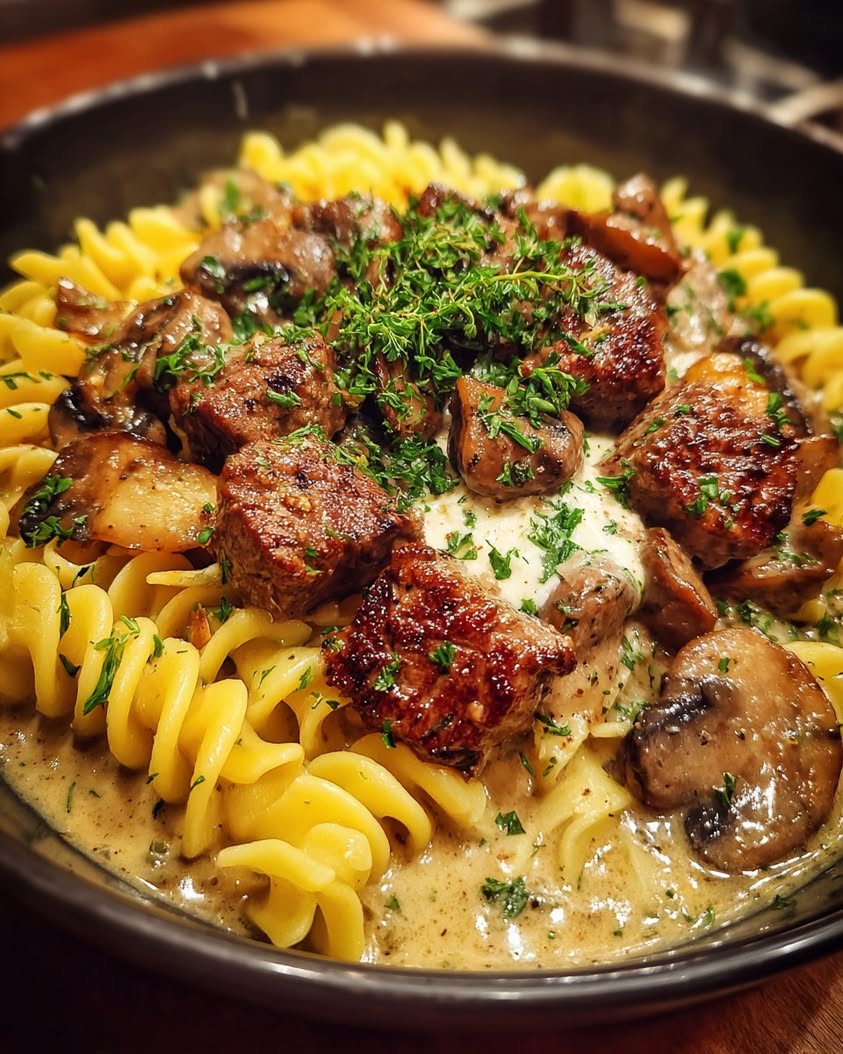
Additionally, the visual appeal of this dish is undeniable. The creamy, pale sauce provides a beautiful backdrop for the golden-brown beef and dark mushrooms. Typically served over a bed of egg noodles, the contrast of colors and textures is simply inviting. This creamy beef stroganoff is more than just food; it’s a centerpiece for family gatherings and a reliable solution for last-minute entertaining. It’s a timeless recipe that consistently earns its place as a beloved dinner favorite.
Quick Recipe Highlights
- Flavor Profile: This creamy beef stroganoff masterfully balances savory, earthy, and tangy notes. The rich sour cream sauce provides a delightful tang that cuts through the deep umami of the beef and mushrooms. A hint of Dijon mustard and a splash of white wine add subtle complexity, creating a sophisticated yet comforting taste.
- Texture: The dish offers a wonderful contrast in textures. You get incredibly tender strips of beef that practically melt in your mouth, paired with meaty, sautéed mushrooms. The sauce itself is luxuriously smooth and creamy, clinging perfectly to every noodle and piece of meat for a cohesive and satisfying mouthfeel.
- Aroma: Cooking this stroganoff fills your kitchen with an intoxicating scent. First, you’ll smell the savory sear of the beef, followed by the sweet, pungent aroma of onions and garlic hitting the pan. Finally, the earthy fragrance of mushrooms and the sharp note of white wine create a layered olfactory experience that builds anticipation.
- Visual Appeal: This dish is a feast for the eyes with its appealing color palette. The creamy, ivory sauce contrasts beautifully with the deep brown sear on the beef and the dark, golden mushrooms. Served over pale egg noodles and garnished with fresh green parsley, it’s a rustic yet elegant presentation.
- Skill Level Needed: This is a fantastic recipe for cooks of all levels. Beginner cooks will appreciate the straightforward steps and clear visual cues, such as browning meat and reducing a sauce. Meanwhile, experienced cooks can enjoy the quick, efficient process and focus on perfecting their sear and sauce consistency.
- Special Equipment: You need only basic kitchen tools. A large skillet or sauté pan is essential for proper browning and sauce reduction. Additionally, a sharp knife for slicing the beef and vegetables, a wooden spoon for stirring, and a measuring cup for liquids are all you need to create this easy dinner.
Recipe Overview
- Difficulty Level: We rate this creamy beef stroganoff as an easy recipe. The techniques involved—slicing, searing, and simmering—are fundamental cooking skills. The process is linear and forgiving; for instance, if the sauce seems too thin, you can simply let it reduce a bit longer. Consequently, even novice cooks can achieve excellent results on their first attempt.
- Category: This dish firmly belongs in the comfort food and main course categories. It’s a hearty, protein-rich meal centered around beef. Often categorized as a one-pan recipe, it minimizes cleanup while maximizing flavor. It’s the perfect centerpiece for a family dinner or a casual weekend meal.
- Cuisine: Beef stroganoff is a classic of Russian cuisine, with its origins in 19th-century Russia. The dish has since been adopted and adapted worldwide, becoming a staple in American home cooking. This version stays true to the core elements—beef, mushrooms, and sour cream—while streamlining the method for the modern kitchen.
- Cost: This is a moderately priced meal that feels luxurious. The primary cost comes from the beef, specifically sirloin or tenderloin. However, using mushrooms stretches the protein, making the meal more economical. Overall, it’s far more cost-effective than dining out and delivers restaurant-quality flavor at a fraction of the price.
- Season: While truly a year-round dish, beef stroganoff shines as a fall and winter comfort food. Its warm, rich, and hearty nature is ideal for cold evenings. That said, it’s also a fantastic option for rainy spring days or even light summer dinners when served with a crisp salad on the side.
- Occasion: This recipe is incredibly versatile for different occasions. It’s a flawless weeknight meal due to its 30-minute timeline. Simultaneously, it’s impressive enough for casual dinner parties or family celebrations. It’s the kind of reliable, crowd-pleasing dish that suits almost any gathering.
Why You’ll Love This Recipe
First and foremost, the taste and texture of this creamy beef stroganoff are utterly irresistible. The tender beef strips soak up the rich, tangy sour cream sauce, while the mushrooms add an earthy depth that grounds the dish. Each forkful, especially when twirled with buttery egg noodles, delivers a perfect harmony of savory, creamy, and satisfying elements. It’s a flavor profile that appeals to both adults and children, making it a true family-friendly dinner.
Beyond taste, the convenience factor is a major win. This recipe is designed as a quick, one-pan meal that comes together in thirty minutes from start to finish. The preparation is simple, involving mostly slicing and sautéing. Consequently, you can have a gourmet-tasting dinner on the table faster than you could get takeout. This makes it an invaluable addition to your repertoire of easy dinner solutions for busy weeknights.
Nutritionally, this dish offers a good balance. It provides a substantial amount of high-quality protein from the beef, which is essential for muscle repair and satiety. The mushrooms contribute valuable nutrients like B vitamins and selenium. By using a moderate amount of sour cream and controlling the added salt, you can enjoy this comfort food as part of a balanced diet. Pairing it with a side of steamed vegetables completes the meal.
From a social perspective, this creamy beef stroganoff has tremendous entertaining value. It’s a universally loved dish that feels special without being fussy. You can easily double the recipe to feed a crowd, and it holds well on a buffet. The act of serving a steaming plate of homemade stroganoff conveys care and hospitality, making your guests feel welcomed and well-fed.
Finally, this recipe is remarkably cost-effective and accessible. The ingredients are common and available at any standard grocery store. You don’t need expensive cuts of meat or rare imported items. By using a few pantry staples and fresh basics, you create a meal that feels indulgent without straining your budget. It’s a classic example of how simple, quality ingredients can transform into something extraordinary.
Historical Background and Cultural Significance
The origin story of beef stroganoff is steeped in Russian aristocracy. Most food historians agree the dish is named after the prominent Stroganov family in the mid-19th century. Interestingly, the first known recipe appeared in a Russian cookbook in 1871. Originally, it likely involved lightly floured beef cubes sautéed and served with a mustard and bouillon sauce, finished with a small amount of sour cream. The addition of mushrooms and onions became standard in later adaptations.
Culturally, beef stroganoff became a symbol of refined Russian cuisine before the Revolution. It was a dish served in wealthy households, showcasing the ability to tenderize and prepare beef elegantly. After the Russian Revolution, the recipe traveled with emigrants and found new life abroad. Consequently, it evolved from an aristocratic specialty into a beloved international comfort food, adapted to local tastes and ingredients across the globe.
The evolution of the recipe is a fascinating study in culinary adaptation. The classic French influence on Russian cooking is evident in the use of mustard and sour cream. As it moved to America and Europe in the mid-20th century, canned cream of mushroom soup became a popular shortcut. However, modern recipes, like this one, often return to the from-scratch ethos, emphasizing fresh mushrooms and a homemade creamy sauce for superior flavor and texture.
Regional variations of stroganoff are plentiful today. In Brazil, “Estrogonofe” is a hugely popular party dish, often made with tomato paste or ketchup for a rosier sauce. In Sweden, it’s common to use pickled cucumbers or beetroot as a garnish. Some American versions incorporate cream cheese for extra richness, while others use yogurt as a lighter alternative to sour cream. This global journey highlights the recipe’s incredible versatility and enduring appeal.
Ingredient Deep Dive
Starting with the beef, choosing the right cut is crucial for tender results. Sirloin or tenderloin are ideal because they are naturally tender and cook quickly. These cuts have a rich history as prized meats across many cultures. Nutritionally, beef is an excellent source of complete protein, iron, and B12. For the best selection, look for meat with a bright red color and fine marbling. Slice it against the grain while it’s still slightly frozen for easier, thinner strips.
Mushrooms are the second star, providing essential umami depth. Commonly used white button or cremini mushrooms have a mild, earthy flavor that intensifies when sautéed. Cultivated for centuries, mushrooms are valued for their meaty texture. They offer nutritional benefits like being low in calories and a source of antioxidants and potassium. Select mushrooms that are firm with closed caps. Store them in a paper bag in the fridge and wipe clean with a damp cloth instead of washing them.
The sour cream is what creates the signature creamy, tangy sauce. This fermented dairy product has roots in Eastern European cuisine. It introduces a pleasant acidity that balances the richness of the beef and butter. From a culinary science perspective, you must add it at the end over low heat to prevent curdling. Full-fat sour cream yields the best texture and flavor. For substitutions, crème fraîche or plain Greek yogurt can work, but add yogurt off the heat to avoid separation.
Beef broth forms the liquid base of the sauce, building a deep savory foundation. Using a high-quality, low-sodium broth allows you to control the salt level. You can use homemade stock for unparalleled flavor or a good store-bought brand. The broth deglazes the pan, incorporating all the flavorful browned bits from searing the meat. For a richer sauce, you could substitute a portion of the broth with a splash of red or white wine, which adds another layer of complexity.
Common Mistakes to Avoid
- Overcrowding the Pan: Adding all the beef strips at once is a critical error. The meat will steam instead of sear, resulting in gray, tough beef rather than flavorful, browned pieces. Always cook in batches to ensure each piece has contact with the hot surface for a proper Maillard reaction.
- Using the Wrong Cut of Beef: Choosing a tough, lean cut like round steak will lead to chewy stroganoff. These cuts require long, slow cooking to become tender. For a quick-cooking recipe, you must use a naturally tender cut such as sirloin, tenderloin, or even good-quality ribeye.
- Skipping the Deglazing Step: After sautéing the vegetables and mushrooms, those browned bits stuck to the pan are pure flavor. Failing to pour in the broth and scrape them up means leaving that delicious fond behind. This step is essential for building a deeply flavorful sauce base.
- Adding Sour Cream to Boiling Liquid: Introducing cold sour cream directly into a violently bubbling sauce will cause it to curdle and separate. You must always remove the pan from the heat or turn it to very low before stirring in the sour cream to maintain a smooth, creamy texture.
- Overcooking the Beef: Since the beef is sliced thinly, it cooks in just minutes. Returning the seared beef to the sauce and letting it simmer for too long will make it tough and rubbery. Add it back at the very end, just to warm through.
- Underseasoning the Sauce: This rich dish needs adequate seasoning to make the flavors pop. Be sure to taste and adjust the salt and pepper at the end. The Dijon mustard and Worcestershire sauce provide seasoning, but you will almost always need a pinch more salt to balance the creaminess.
- Using Low-Fat Sour Cream: While it may seem healthier, low-fat or fat-free sour cream lacks body and stability. When heated, it is much more likely to break and become watery. Full-fat sour cream is essential for a luxuriously thick and stable sauce.
- Not Letting the Sauce Reduce: If your sauce seems too thin after adding the broth, it needs more time to simmer and reduce. A properly thickened sauce should coat the back of a spoon. Rushing this step results in a watery stroganoff that won’t cling to the noodles.
Essential Techniques
Slicing Meat Against the Grain: This is the single most important technique for ensuring tender beef. First, identify the direction of the muscle fibers in the meat. Then, slice perpendicular to those fibers. This shortens the long, tough muscle strands, making them much easier to chew. For even easier slicing, partially freeze the beef for 20-30 minutes until firm but not solid.
The Maillard Reaction (Searing): Searing is not just about color; it’s about creating complex flavors. When beef hits a hot pan, a chemical reaction between amino acids and sugars creates hundreds of new flavor compounds. To achieve this, pat your beef strips very dry, ensure your pan is hot, and don’t move the meat for a minute or two to allow a proper crust to form.
Deglazing: This technique unlocks the flavor stuck to the bottom of your pan. After removing the beef and vegetables, you’ll see dark, caramelized bits. Adding a liquid like broth or wine and using a wooden spoon to scrape vigorously dissolves these bits into your sauce. This process is fundamental for building a sauce with deep, layered flavor from the very beginning of the cooking process.
Tempering the Sour Cream: To prevent the sour cream from curdling in the hot sauce, you need to temper it. First, take a spoonful of the hot sauce and whisk it into the sour cream in a separate bowl. This gently raises the temperature of the dairy. Then, you can safely stir this mixture back into the main pan over low heat, ensuring a smooth, creamy result.
Pro Tips for Perfect Creamy Beef Stroganoff
For the most tender beef, place your steak in the freezer for 20-30 minutes before slicing. This firms it up just enough to allow you to cut paper-thin slices easily, which is key for quick, even cooking.
Don’t discard the mushroom stems. They are full of flavor. Simply chop them finely and sauté them along with the onion to extract every bit of their earthy taste into your sauce.
After searing the beef, let it rest on a plate. The juices will redistribute, and when you add it back at the end, it will be incredibly juicy and tender rather than dry.
If your sauce seems too thin, create a quick slurry. Mix a teaspoon of cornstarch with a tablespoon of cold water and stir it into the simmering sauce. It will thicken up in just a minute.
For an extra flavor boost, use a combination of mushrooms. Try cremini for earthiness, shiitake for a meaty texture, and a few wild mushrooms like chanterelles for a gourmet touch.
Always cook your egg noodles in well-salted water. This is your only chance to season the noodles themselves, and it makes a significant difference in the final dish.
Finish the dish with a fresh element. A sprinkle of chopped parsley, dill, or chives right before serving adds a pop of color and a bright note that cuts through the richness.
Let the stroganoff sit for 5 minutes off the heat before serving. This allows the sauce to thicken slightly and the flavors to meld together perfectly.
Variations and Adaptations
For regional variations, explore global takes on this classic. A Swedish version might include pickled cucumbers and a dash of allspice. The Brazilian “Estrogonofe” often features tomato sauce or paste for a sweeter, redder sauce and is served with potato sticks on top. An American Midwest adaptation might use ground beef and canned soup for ultimate weeknight ease.
Seasonal adaptations are simple and effective. In spring, add fresh peas or asparagus tips during the last minute of cooking. For summer, serve the stroganoff over zucchini noodles or with a lighter side salad. In autumn, incorporate wild mushrooms like porcini for a deeper, woodsier flavor. A winter version could include a splash of brandy for extra warmth.
Dietary modifications are straightforward. For a gluten-free creamy beef stroganoff, use cornstarch as a thickener and serve over gluten-free pasta or rice. To make it dairy-free, replace the sour cream with a plain, unsweetened coconut cream or a cashew cream blended with lemon juice for tang. For a lower-carb option, serve over cauliflower rice or shirataki noodles.
Flavor variations can personalize the dish. Add a tablespoon of tomato paste with the onions for a richer, slightly sweet note. Stir in a teaspoon of smoked paprika for a subtle smoky depth. For a touch of heat, include a pinch of red pepper flakes when sautéing the garlic.
Texture modifications can cater to different preferences. For a chunkier stroganoff, use beef cut into small cubes instead of strips. For an ultra-smooth sauce, you can blend the sautéed mushrooms and onions with the broth before returning it to the pan, creating a velvety texture.
Presentation alternatives keep the meal exciting. Instead of mixing the noodles into the sauce, serve the creamy beef stroganoff over mashed potatoes, polenta, or even crispy roasted potatoes. For individual servings, present it in a hollowed-out bread bowl for a fun, rustic presentation.
Serving and Presentation Guide
Plating techniques matter for visual appeal. For a family-style meal, serve the creamy beef stroganoff in a large, shallow bowl or deep platter with the egg noodles piled underneath or to the side. For individual plates, twist a nest of noodles with a fork and place it in the center, then ladle the stroganoff over and around it, allowing some noodles to peek through.
Garnishing adds the final professional touch. A classic garnish is a generous sprinkle of freshly chopped parsley or dill. For color and flavor, add a light dusting of paprika. A small dollop of extra sour cream in the center looks beautiful. For texture, try crispy fried shallots or a few crumbles of cooked, chopped bacon on top.
Traditional accompaniments are simple and effective. Buttered egg noodles are the classic and perfect choice, as they cradle the sauce beautifully. In Russia, it might be served with fried potato straws or rice. Always include a simple, crisp vegetable side like steamed green beans, a buttered pea and carrot mix, or a refreshing cucumber salad to balance the richness.
Modern serving suggestions can update the dish. Consider serving it in smaller portions as a hearty appetizer or a pasta course. For a brunch twist, serve it over toasted, buttered sourdough bread. You can also deconstruct it for a stylish presentation, serving the components separately for guests to assemble.
Temperature considerations are key. The stroganoff and the noodles must be served piping hot. Warm your serving bowls or platter beforehand to keep the food hot longer at the table. Conversely, any accompanying salad or vegetable crudité should be served chilled to provide a refreshing contrast.
Portion control tips help manage servings. A good rule of thumb is about 4-6 ounces of beef and one cup of cooked noodles per person. Remember, this is a rich dish, so portions don’t need to be enormous. Serving it with a large side of vegetables naturally helps balance the plate and control overall portion size.
Wine and Beverage Pairing
Wine pairings should complement the rich, creamy, and savory notes. A medium-bodied red wine with good acidity, like a Pinot Noir or a Grenache, cuts through the richness beautifully. If you prefer white wine, choose a full-bodied white like an oaked Chardonnay or a Viognier, which can stand up to the robust flavors. The key is to avoid wines with high tannins, as they can clash with the creamy sauce.
Non-alcoholic alternatives can be just as sophisticated. A tart cherry juice or a sparkling pomegranate beverage provides a fruity acidity that balances the dish. For a creamy pairing, try a chilled glass of buttermilk or a kefir smoothie. Iced tea, particularly a brisk black tea with a slice of lemon, is also a refreshing and classic choice.
While not traditional, coffee or tea pairings can work well after the meal. A dark roast coffee with low acidity complements the earthy mushroom flavors. For tea, consider an earthy Pu-erh or a smoky Lapsang Souchong, which can mirror the savory depth of the stroganoff in a warm, comforting way.
Temperature considerations for beverages are straightforward. Red wines should be served slightly below room temperature, around 60-65°F. White wines and all non-alcoholic drinks should be well-chilled. The contrast between a cool, crisp drink and the hot, rich food is part of the enjoyable experience.
Serving suggestions include offering a choice. When entertaining, set out both a red and a white wine option to cater to different preferences. For non-alcoholic options, present a carafe of infused water with citrus and herbs alongside the other choices. Always ensure water is abundantly available on the table to cleanse the palate.
Storage and Shelf Life
Storage methods are crucial for food safety and quality. Allow the creamy beef stroganoff to cool completely before storing. Transfer it to an airtight container, separating it from any noodles if possible. The sauce will thicken considerably when chilled, which is normal. Always store the beef mixture and noodles in separate containers to prevent the noodles from becoming mushy.
Temperature requirements are non-negotiable. The stroganoff must be refrigerated within two hours of cooking. Keep it in the main body of your refrigerator, not in the door, at a consistent temperature of 40°F or below. Do not leave it out on the counter for extended periods, as the dairy and meat create a perfect environment for bacterial growth.
Container recommendations include glass or BPA-free plastic containers with tight-fitting lids. Glass is ideal because it doesn’t absorb odors and is easy to see into. If using a large batch, consider dividing it into smaller containers. This allows for quicker cooling and means you only need to reheat one portion at a time, maintaining the quality of the rest.
Signs of spoilage are important to recognize. Discard the stroganoff if you notice an off or sour smell that differs from the normal tang of sour cream. Look for any visible mold, which may appear as fuzzy spots. If the sauce has separated irreversibly into watery liquid and grainy solids, it’s likely past its prime. When in doubt, throw it out.
Reheating instructions must be gentle to preserve texture. Reheat the stroganoff sauce in a saucepan over low heat, stirring frequently. If it seems too thick, add a splash of broth or water to loosen it. You can reheat it in the microwave using 50% power in short intervals, stirring between each. Never boil the sauce when reheating, as this can cause the sour cream to curdle.
Freezing guidelines come with a caveat. You can freeze creamy beef stroganoff, but the dairy-based sauce may separate or become grainy upon thawing. For best results, freeze it without the sour cream. Prepare the beef and mushroom base with the broth, then freeze. When ready to eat, thaw, reheat the base, and then stir in fresh sour cream off the heat.
Make Ahead Strategies
A prep timeline can turn this 30-minute meal into a 10-minute assembly. The day before, slice your beef against the grain and store it in a sealed bag in the fridge. Chop your onions and mushrooms and keep them in a separate container. Measure out your broth, sour cream, and seasonings. This “mise en place” approach makes the actual cooking process incredibly fast and stress-free.
Storage between steps is simple with proper planning. The pre-sliced beef can be refrigerated for up to 24 hours. The chopped vegetables will keep for a day or two. If you want to go further, you can fully cook the beef and mushroom base (through the deglazing step), let it cool, and refrigerate it for up to two days. Then, simply reheat the base and finish with the sour cream.
Quality impact assessment is important. Pre-slicing the beef has no negative impact. Pre-chopping vegetables is fine, though mushrooms may darken slightly—this is purely visual. Fully cooking the base ahead of time actually allows the flavors to meld and deepen, often improving the final dish. The only element that must be added fresh is the sour cream, added at the very end to prevent curdling.
Assembly tips for make-ahead meals ensure everything comes together smoothly. When ready to cook, take your pre-prepped ingredients from the fridge to take the chill off slightly. Have your pan hot and your tools ready. If using a fully pre-cooked base, reheat it gently before proceeding with the final step of adding the sour cream and beef back to warm through.
Reheating guidelines for pre-cooked components are gentle. Reheat the beef and mushroom base in a skillet over medium-low heat, stirring occasionally. If it was frozen, thaw it overnight in the refrigerator first. Once the base is hot, turn the heat to low, stir in the sour cream, and then add the pre-cooked beef just to warm. This preserves the texture of the beef.
Fresh element additions are the final touch. Even with extensive make-ahead prep, always add a fresh garnish. Chop some parsley or chives right before serving. This adds a burst of color and a bright, fresh flavor that makes the whole dish taste freshly made, elevating it from a simple leftover reheat to a deliberate, planned meal.
Scaling Instructions
Halving the recipe is straightforward for smaller households. Simply divide all ingredient quantities by two. Use a medium skillet instead of a large one. The cooking times will remain roughly the same, as the surface area for searing and reducing is similar. Keep a close eye on the sauce reduction, as a smaller volume may thicken slightly faster.
Doubling or tripling the recipe for a crowd requires some adjustments. Use the largest skillet or Dutch oven you have, or cook the beef in batches to avoid overcrowding. You may need to extend the simmering time for the sauce to reduce and thicken properly when working with a larger volume. Taste and adjust seasoning carefully, as scaling spices isn’t always linear.
Equipment adjustments are necessary when scaling. For a double batch, a large Dutch oven or a wide braiser is ideal. For tripling, consider using two large skillets simultaneously or cooking in sequential batches. Ensure you have a large enough bowl to hold the seared beef batches and a whisk that can comfortably stir the increased volume of sauce.
Timing modifications are minimal when scaling up. The searing time will increase because you must cook the beef in more batches to avoid steaming. The sauce simmering time may increase by a few minutes to reach the proper thickened consistency due to the greater liquid volume. Plan for these small extensions to your total cook time.
Storage considerations change with batch size. A larger batch means more leftovers. Plan your storage containers in advance. Dividing the finished stroganoff into meal-sized portions before refrigerating or freezing is highly recommended. This makes reheating easier and prevents you from having to thaw and refreeze the entire batch multiple times.
Nutritional Deep Dive
A macro breakdown for a typical serving reveals a balanced profile. This creamy beef stroganoff is rich in high-quality protein from the beef, essential for muscle maintenance and satiety. The carbohydrates come primarily from the egg noodles, providing energy. The fats are a mix from the beef, butter, and sour cream, contributing to the rich mouthfeel and helping absorb fat-soluble vitamins from the mushrooms and onions.
The micronutrient analysis shows valuable contributions. Beef is an excellent source of heme iron, which is easily absorbed, and Vitamin B12, crucial for nerve function. Mushrooms provide selenium, an antioxidant, and B vitamins like riboflavin and niacin. Onions and garlic offer flavonoids with anti-inflammatory properties. Using a low-sodium broth helps manage the overall sodium content of the dish.
Health benefits extend beyond basic nutrition. The protein and fat content promote a feeling of fullness, which can aid in portion control and prevent overeating. The compounds in garlic and onions support immune health. Furthermore, cooking at home allows you to control ingredients, avoiding the excessive sodium and preservatives often found in restaurant or packaged versions of this dish.
Dietary considerations are important for specific needs. For those monitoring sodium, use a no-salt-added broth and limit added salt. For heart health, choose a lean cut of sirloin and consider using a light sour cream. The dish is naturally nut-free and can be adapted to be gluten-free with simple substitutions, as mentioned earlier.
Portion analysis helps with mindful eating. A standard serving is about 1.5 cups of the beef mixture over 1 cup of cooked noodles. This provides a satisfying meal without being excessive. Remember, the richness of the sauce means you may feel satisfied with slightly less than you would of a plainer dish. Listening to your body’s fullness cues is key.
Weight management tips focus on balance. Enjoy this as a occasional comfort meal within a balanced diet. Pair your portion with a large side of non-starchy vegetables like a big green salad or steamed broccoli to increase volume and fiber without many calories. You can also use a smaller portion of noodles and add spiralized vegetables to your plate to bulk it up healthily.
Dietary Adaptations
For a gluten-free creamy beef stroganoff, replace the all-purpose flour (if used) with cornstarch, arrowroot powder, or a gluten-free flour blend for thickening. Ensure your beef broth is certified gluten-free, as some brands contain wheat. Serve the dish over gluten-free pasta, rice, quinoa, or mashed potatoes for a completely safe and delicious meal.
A dairy-free version requires replacing the sour cream and butter. For the butter, use a high-heat oil like avocado oil or a vegan butter alternative. For the creamy element, blend raw cashews with water and lemon juice until smooth to create a rich, tangy cashew cream. Alternatively, use a plain, unsweetened coconut cream, though it will impart a slight coconut flavor.
Creating a vegan stroganoff involves multiple substitutions. Replace the beef with hearty, meaty mushrooms like portobello or king oyster slices, or use a plant-based beef alternative. Use vegetable broth instead of beef broth. For the creamy sauce, a cashew cream or a silken tofu blend with nutritional yeast and lemon juice works wonderfully. The result is a deeply savory, plant-based comfort food.
For a low-carb or keto adaptation, omit the flour thickener entirely and let the sauce reduce naturally. Replace the egg noodles with zucchini noodles (zoodles), shirataki noodles, or serve the stroganoff over a bed of cauliflower rice. Double-check that your sour cream has no added sugars or starches, which are sometimes used as stabilizers in lower-fat versions.
A Paleo version focuses on whole, unprocessed foods. Use ghee or avocado oil for cooking. Thicken the sauce by letting it reduce or with a sprinkle of arrowroot powder. Omit any dairy by using a coconut milk and lemon juice combination for tang. Serve over spiralized vegetables, mashed cauliflower, or simply in a bowl as a stew.
For a Low-FODMAP adaptation, which is helpful for those with IBS, use garlic-infused oil instead of fresh garlic to impart flavor without the fructans. Use the green tops of scallions instead of onion. Ensure your broth is onion and garlic-free. Use lactose-free sour cream or a suitable alternative. Portion control of the mushrooms is also advised, as they contain polyols.
Troubleshooting Guide
If your sauce is too thin, the most common issue is insufficient reduction. Simply continue to simmer the sauce over medium heat, stirring occasionally, until it thickens to your liking. Alternatively, you can create a cornstarch slurry (1 tsp cornstarch mixed with 1 tbsp cold water) and stir it into the simmering sauce. It will thicken within a minute. Avoid adding flour directly to a hot sauce, as it will clump.
If your sauce is too thick, it likely reduced for too long or you added too much thickener. The fix is easy: gradually whisk in additional beef broth, water, or even a splash of milk until you reach the desired consistency. Reheat it gently after adding the liquid. Remember, the sauce will also thicken slightly as it cools on the plate.
If your beef turned out tough, the culprit is usually the cut of meat or overcooking. For quick-cooking stroganoff, you must use a tender cut like sirloin. If you used the right cut but it’s still tough, you likely cooked it for too long. Thin slices cook in just 1-2 minutes per batch. Next time, sear it quickly and add it back only at the end to warm through.
If your sour cream curdled, the sauce was too hot when you added it. Unfortunately, you cannot fully reverse curdling, but you can minimize it. Immediately remove the pan from heat and stir vigorously. Sometimes this can re-emulsify
Print
Classic Beef Stroganoff
Description
A rich and creamy Russian-inspired dish featuring tender strips of beef in a savory mushroom and sour cream sauce, served over egg noodles.
Ingredients
For the Crust:
- 1 lb beef sirloin, thinly sliced
- 2 tbsp olive oil
- 1 onion, finely chopped
- 8 oz mushrooms, sliced
- 2 cloves garlic, minced
- 2 tbsp all-purpose flour
- 1 cup beef broth
- 1 cup sour cream
- 1 tbsp Dijon mustard
- Salt and black pepper to taste
- 12 oz egg noodles, cooked
- Fresh parsley, chopped (for garnish)
Instructions
1. Prepare the Crust:
- Heat olive oil in a large skillet over medium-high heat. Add beef slices and cook until browned, about 3-4 minutes. Remove beef and set aside.
- In the same skillet, add onion and mushrooms. Cook until softened, about 5-7 minutes. Stir in garlic and cook for 1 minute more.
- Sprinkle flour over the vegetables and stir to coat. Gradually pour in beef broth, stirring constantly until the sauce thickens.
- Reduce heat to low. Stir in sour cream and Dijon mustard until smooth. Return beef to the skillet and simmer for 5 minutes. Season with salt and pepper.
- Serve the beef stroganoff over cooked egg noodles, garnished with fresh parsley.
Notes
You can customize the seasonings to taste.

I’m Shaykee—born in Morocco, seasoned across continents. From airplane galleys to home kitchens, I share the flavors and stories that shaped my journey.