
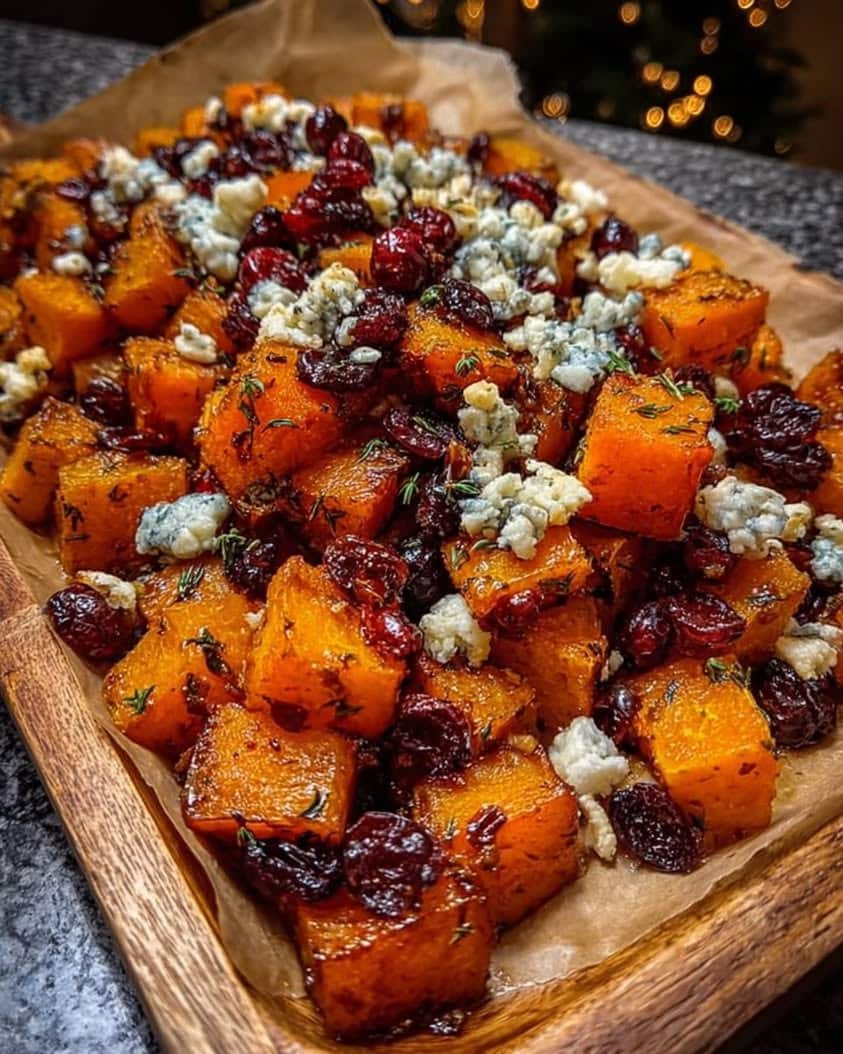
Caramelized Butternut Squash with Gorgonzola and Cranberry-Balsamic Glaze: The Ultimate Savory-Sweet Side Dish
This caramelized butternut squash recipe with Gorgonzola and cranberry-balsamic glaze creates an unforgettable side dish that will steal the show at any dinner table. Imagine tender, sweet squash cubes with beautifully browned edges, perfectly complemented by the sharp, creamy tang of Gorgonzola cheese. Furthermore, a vibrant cranberry-balsamic glaze adds a sophisticated sweet-tart finish that ties all the elements together harmoniously. This dish masterfully balances contrasting flavors and textures, making it a true culinary masterpiece that looks as stunning as it tastes.
Seasonal cooking reaches its peak with this incredible caramelized butternut squash, which celebrates the best of autumn and winter produce. The natural sweetness of the squash intensifies during roasting, creating a caramelized exterior that gives way to a soft, creamy interior. Meanwhile, the cranberry-balsamic glaze introduces a festive touch that makes this recipe particularly perfect for holiday menus. Additionally, the bold Gorgonzola cheese provides a sophisticated counterpoint that elevates the entire dish from simple roasted vegetables to gourmet fare.
Creating this caramelized butternut squash with Gorgonzola and cranberry-balsamic glaze requires surprisingly little effort for such an impressive result. The process involves simple techniques that home cooks of all levels can master with confidence. Moreover, the components can be prepared in advance, making this an ideal make-ahead dish for entertaining. Consequently, you can spend less time in the kitchen and more time enjoying the company of your guests while serving a side dish that genuinely wows everyone at the table.
Quick Recipe Highlights
- Flavor Profile: This caramelized butternut squash delivers a sophisticated balance of sweet, savory, and tangy notes. The natural sweetness of the roasted squash pairs beautifully with the sharp, salty Gorgonzola, while the cranberry-balsamic glaze adds a bright, acidic counterpoint that cuts through the richness.
- Texture: You will experience a wonderful contrast between the tender, almost creamy interior of the squash and its slightly crisp, caramelized edges. The crumbled Gorgonzola adds a creamy element that melts slightly from the heat, and the glaze provides a smooth, glossy coating that enhances every bite.
- Aroma: As this caramelized butternut squash roasts, your kitchen will fill with the warm, sweet scent of caramelizing squash and herbs. The cranberry-balsamic glaze contributes a fruity tartness, while the Gorgonzola introduces a distinctive, pleasantly pungent note that signals a sophisticated dish.
- Visual Appeal: This dish presents a stunning color palette of deep orange squash, white and blue-veined cheese, and a rich crimson glaze. The varied textures and vibrant colors create an eye-catching presentation that looks restaurant-quality on any dinner table, especially for holiday meals.
- Skill Level Needed: This recipe is accessible for cooks of all experience levels, requiring basic knife skills for cubing squash and simple mixing techniques for the glaze. The roasting process is straightforward, and the assembly requires no special culinary expertise, making it perfect for beginners and experienced cooks alike.
- Special Equipment: You need only standard kitchen tools including a sharp chef’s knife, cutting board, baking sheet, and small saucepan. Parchment paper or a silicone baking mat helps prevent sticking and makes cleanup easier, but they are not absolutely essential for success.
Recipe Overview
- Difficulty Level: This caramelized butternut squash recipe ranks as easy because it involves fundamental cooking techniques like chopping, roasting, and reducing a simple sauce. The most challenging aspect is properly cubing the squash, which becomes effortless with a sharp knife and a stable cutting surface. Additionally, the recipe includes clear visual cues for doneness, eliminating guesswork. Consequently, even novice cooks can achieve impressive results with minimal stress.
- Category: This versatile dish functions beautifully as a side dish for holiday meals, weeknight dinners, or special occasions. It also works wonderfully as a vegetarian main course when served over grains like farro or quinoa. Furthermore, it makes an elegant appetizer when presented on crostini or as part of a composed salad.
- Cuisine: This recipe draws inspiration from modern American cuisine with Italian influences, particularly through the use of Gorgonzola cheese and balsamic glaze. The combination of sweet and savory elements reflects contemporary culinary trends that prioritize flavor complexity and seasonal ingredients. Meanwhile, the roasting technique represents a fundamental cooking method found across numerous culinary traditions.
- Cost: Preparing this caramelized butternut squash remains budget-friendly, especially during autumn and winter when squash is in season and most affordable. The Gorgonzola represents the most expensive component, but a little goes a long way in terms of flavor impact. Additionally, the cranberry-balsamic glaze uses pantry staples that many cooks already have on hand.
- Season: This dish shines brightest during fall and winter when butternut squash reaches its peak sweetness and cranberries become readily available. The warm, comforting qualities of the roasted squash make it ideal for cooler weather. Meanwhile, the festive colors and flavors perfectly complement holiday menus from Thanksgiving through New Year’s celebrations.
- Occasion: This caramelized butternut squash elevates everyday dinners while being special enough for holiday feasts, dinner parties, and potluck gatherings. It makes an excellent contribution to Friendsgiving celebrations and works beautifully as part of a Christmas or Thanksgiving spread. Moreover, it serves as an impressive vegetarian option that satisfies both vegetarians and meat-eaters alike.
Why You’ll Love This Caramelized Butternut Squash Recipe
The exceptional flavor profile of this caramelized butternut squash will immediately capture your attention with its sophisticated balance of sweet, savory, and tangy elements. Each component contributes something unique while working together harmoniously. The natural sweetness of the roasted squash deepens during cooking, developing almost candy-like caramelized edges that contrast beautifully with the creamy, pungent Gorgonzola. Meanwhile, the cranberry-balsamic glaze introduces a bright acidity that cuts through the richness and cleanses the palate, ensuring each bite tastes as exciting as the first. This complex layering of flavors transforms simple ingredients into an extraordinary culinary experience that feels both comforting and elegant.
Beyond the incredible taste, you will appreciate the convenience and straightforward preparation of this caramelized butternut squash recipe. The hands-on time remains minimal, with most of the cooking happening unattended in the oven. This makes it perfect for busy days when you want to create something impressive without constant kitchen supervision. Additionally, the components can be prepared in advance, with the squash roasted ahead and reheated, and the glaze made days before serving. Consequently, this dish simplifies holiday meal planning and reduces day-of stress, allowing you to enjoy your own gatherings more fully.
Nutritionally, this caramelized butternut squash delivers substantial health benefits alongside its incredible flavor. Butternut squash provides abundant vitamin A, vitamin C, and fiber, supporting immune function and digestive health. The olive oil contributes heart-healthy monounsaturated fats, while the Gorgonzola offers calcium and protein in modest amounts. Furthermore, cranberries bring antioxidants and anti-inflammatory properties to the dish. Despite its gourmet appearance, this recipe relies on whole, nutrient-dense ingredients that nourish your body while delighting your taste buds.
The social and entertaining value of this caramelized butternut squash cannot be overstated. It makes a stunning presentation that immediately signals a special occasion, generating compliments and conversation around the table. The dish appeals to diverse palates, pleasing both adventurous eaters and those with more traditional preferences. Moreover, it serves as an excellent conversation starter about the interesting flavor combinations and cooking techniques. Whether served at an intimate dinner party or a large family gathering, this recipe creates memorable dining experiences that guests will request again and again.
Finally, the cost-effectiveness and accessibility of this caramelized butternut squash make it a practical choice for regular rotation in your meal planning. Butternut squash remains affordable throughout its season, and the other ingredients are typically available in standard grocery stores. The recipe utilizes economical ingredients in ways that maximize their impact, creating a dish that tastes far more luxurious than its actual cost. Furthermore, it adapts easily to what you have available, with numerous substitution options for nearly every component. This flexibility ensures you can create a beautiful, delicious dish regardless of your budget or shopping constraints.
Historical Background and Cultural Significance
The historical journey of butternut squash begins with indigenous cultures throughout the Americas, who cultivated various squash varieties for thousands of years. These hardy vegetables provided essential nutrition through harsh winters when other food sources became scarce. European colonists encountered squash upon arriving in the New World and eventually brought seeds back to Europe, where the vegetables gained popularity in various culinary traditions. The specific variety we know as butternut squash emerged more recently through selective breeding in the mid-20th century, developing its distinctive bell shape, sweet flavor, and relatively thin skin that makes preparation easier than many other winter squash varieties.
The cultural significance of roasted squash appears across numerous culinary traditions, from Italian tortelli di zucca to North American pumpkin pies. The combination of squash with cheese has particularly strong roots in Italian cuisine, where pumpkin or squash often pairs with ricotta or other cheeses in stuffed pastas and savory tarts. Meanwhile, the practice of combining sweet and savory elements in vegetable dishes reflects a more modern culinary approach that has gained popularity in contemporary American cooking. This caramelized butternut squash recipe represents a fusion of these traditions, honoring historical pairings while incorporating contemporary flavor combinations and presentation styles.
The evolution of this specific recipe reflects broader trends in modern home cooking that prioritize both flavor complexity and approachable techniques. The addition of a fruit-based glaze to vegetables represents a technique borrowed from restaurant kitchens that has become increasingly accessible to home cooks. Similarly, the use of Gorgonzola rather than more traditional cheese pairings demonstrates how global ingredients have become integrated into everyday American cooking. This evolution continues as cooks adapt the basic formula to their personal preferences and dietary needs, creating new variations that maintain the spirit of the original while incorporating local ingredients and cultural influences.
Regional variations of similar dishes appear throughout the world, each reflecting local ingredients and culinary traditions. In Italy, roasted squash might be paired with sage and Parmigiano-Reggiano. In France, similar preparations might feature goat cheese and herbs de Provence. Meanwhile, in various American regional cuisines, squash might be prepared with maple syrup, pecans, or other local ingredients. This particular caramelized butternut squash recipe with Gorgonzola and cranberry-balsamic glaze represents a distinctly contemporary American approach that draws inspiration from these diverse traditions while creating something uniquely its own. The continued popularity of such recipes demonstrates how culinary traditions evolve through cultural exchange and innovation.
Ingredient Deep Dive
Butternut squash serves as the foundation of this recipe, providing sweet, creamy flesh that caramelizes beautifully during roasting. This winter squash originated in the Americas and has been cultivated for thousands of years, with modern varieties developed for their uniform shape and easy preparation. Nutritionally, butternut squash delivers substantial amounts of vitamin A, vitamin C, potassium, and fiber, supporting eye health, immune function, and digestion. When selecting squash, look for specimens that feel heavy for their size with firm, unblemished skin and a matte rather than shiny surface. Store whole squash in a cool, dark place for up to three months, but once cut, wrap tightly and refrigerate for up to five days. For substitutions, consider other winter squash like acorn, delicata, or sweet potato, though cooking times may vary slightly.
Gorgonzola cheese contributes the distinctive tangy, salty counterpoint that elevates this dish from simple roasted vegetables to gourmet fare. This Italian blue cheese dates back to the early Middle Ages in the Gorgonzola region near Milan, where it was traditionally made from the milk of cows that had grazed on rich alpine pastures. Nutritionally, Gorgonzola provides protein, calcium, and phosphorus, though it should be consumed in moderation due to its sodium and saturated fat content. When selecting Gorgonzola, choose a piece that feels moist but not overly wet, with even blue veining throughout. Store wrapped in parchment or wax paper inside an airtight container in the refrigerator for up to two weeks. For those who dislike blue cheese, excellent substitutions include feta, goat cheese, or even a sharp aged cheddar, though each will create a different flavor profile.
The cranberry-balsamic glaze introduces a vibrant sweet-tart element that ties all the components together. Cranberries have a long history in North American cuisine, where Native Americans used them both fresh and dried and introduced them to European colonists. Meanwhile, traditional balsamic vinegar originates from Modena, Italy, where it has been produced for nearly a thousand years using specific grape varieties and aging processes. Nutritionally, cranberries provide vitamin C, fiber, and unique antioxidants called proanthocyanidins that support urinary tract health. When selecting cranberries, look for firm, brightly colored berries without shriveling or soft spots. Store fresh cranberries in the refrigerator for up to a month or freeze for longer storage. For the glaze, you can substitute other tart fruits like pomegranate or sour cherry, and quality balsamic vinegar is essential for the best flavor.
Supporting ingredients like olive oil, salt, pepper, and fresh herbs play crucial roles in building layers of flavor. High-quality olive oil helps the squash caramelize properly while adding fruity, peppery notes that complement the other ingredients. Meanwhile, proper seasoning with salt and pepper enhances the natural flavors without overwhelming them. Fresh thyme contributes earthy, slightly floral notes that bridge the sweet squash and tangy cheese beautifully. When selecting olive oil, choose extra virgin for its superior flavor and health benefits. Store olive oil in a cool, dark place to prevent rancidity. For herb substitutions, rosemary or sage work wonderfully, though they will create a different aromatic profile. Always taste and adjust seasoning throughout the cooking process to ensure a perfectly balanced final dish.
Common Mistakes to Avoid
- Unevenly cubed squash creates inconsistent cooking, with some pieces becoming overdone while others remain undercooked. Always take time to cut your squash into uniform pieces, approximately ¾ to 1-inch cubes, to ensure even roasting. This attention to detail guarantees that every piece achieves perfect caramelization without any hard, undercooked bits.
- Overcrowding the baking sheet prevents proper caramelization by steaming rather than roasting the squash. Arrange the squash in a single layer with space between pieces to allow hot air to circulate effectively. Using two baking sheets rather than overcrowding one ensures beautiful browning and that desirable caramelized texture.
- Insufficient oil coating leads to dry, tough squash rather than creamy interiors with crispy edges. Thoroughly toss the squash cubes with enough oil to coat every surface lightly but completely. This oil layer conducts heat efficiently and promotes the Maillard reaction that creates complex, caramelized flavors.
- Underseasoning the squash before roasting results in bland vegetables that rely too heavily on the toppings for flavor. Generously season the squash with salt and pepper before it goes into the oven, as this foundational seasoning penetrates during cooking. Remember that some salt will be lost to the baking sheet, so don’t be shy with your seasoning.
- Adding the Gorgonzola too early causes it to melt completely and lose its distinctive texture and appearance. Always wait to sprinkle the cheese until after the squash comes out of the oven, allowing residual heat to soften it slightly without making it disappear. This timing preserves those beautiful cheese crumbles that make the presentation so appealing.
- Overcooking the cranberry-balsamic glaze creates an overly thick, sticky consistency that doesn’t drizzle properly. Remove the glaze from heat when it coats the back of a spoon but still flows readily, as it will continue to thicken as it cools. The ideal glaze should be pourable but substantial enough to cling to the squash.
- Skipping the fresh herb garnish misses an opportunity to add brightness and complexity to the finished dish. The fresh thyme not only enhances visual appeal but also provides aromatic notes that complement the other flavors beautifully. Always include this final touch to elevate the dish from good to exceptional.
- Using inferior balsamic vinegar results in a harsh, overly acidic glaze that overwhelms the other components. Invest in a quality balsamic vinegar with balanced sweetness and acidity for the best results. The difference in flavor between mediocre and good balsamic vinegar is substantial and worth the investment for this recipe.
Essential Techniques
Properly cubing butternut squash represents the most technically challenging aspect of this recipe, but mastering this technique ensures even cooking and beautiful presentation. Begin by carefully cutting a thin slice off the top and bottom to create stable surfaces. Then stand the squash upright and use a sharp chef’s knife to slice downward, removing the skin in sections. Subsequently, halve the squash lengthwise and scoop out the seeds and stringy pulp with a spoon. Finally, cut the squash into uniform ¾ to 1-inch cubes, maintaining consistent size for even roasting. The key to success lies in using a sharp knife and applying steady, controlled pressure rather than forcing the cut, which can be dangerous. Visual cues for properly prepared squash include evenly sized cubes with clean edges and no remaining skin.
The roasting process transforms the squash through caramelization, developing complex flavors and appealing textures. Proper roasting requires high heat, adequate space between pieces, and sufficient oil coating to promote browning. Arrange the seasoned squash in a single layer on a preheated baking sheet if possible, as the immediate contact with hot surface encourages caramelization. Resist the urge to stir too frequently, as this disrupts the browning process; instead, turn the pieces just once or twice during cooking. Visual cues for perfectly roasted squash include golden brown edges, slightly shrunken appearance, and tender flesh that yields easily to a fork. Mastering this technique ensures your squash develops the deep, sweet flavor that makes this dish exceptional.
Creating the cranberry-balsamic glaze requires understanding reduction techniques and flavor balancing. The process involves simmering the liquid ingredients until water evaporates and the mixture thickens sufficiently to coat the back of a spoon. Maintain a gentle simmer rather than a rolling boil to prevent scorching and allow gradual concentration of flavors. Stir occasionally, particularly as the glaze thickens, to ensure even cooking and prevent sticking. The glaze is ready when it has reduced by approximately half and leaves a clear trail when you run a finger across the back of a spoon. Proper execution of this technique results in a glossy, intensely flavored sauce that clings beautifully to the squash without being overly thick or sticky.
Pro Tips for Perfect Caramelized Butternut Squash
For maximum caramelization, ensure your baking sheet is fully preheated in the oven before adding the squash. This technique creates an immediate sear on the bottom of each piece, promoting better browning and preventing sticking. Additionally, use a light-colored, heavy-gauge baking sheet rather than a dark one, which can cause excessive browning on the bottom before the squash is fully cooked through.
Consider tossing your squash cubes with a teaspoon of maple syrup or honey along with the olive oil. This small addition enhances natural sweetness and promotes more extensive caramelization during roasting. The sugars in the syrup or honey interact with the squash’s natural sugars to create deeper browning and more complex flavor development without making the dish taste overly sweet.
When preparing the cranberry-balsamic glaze, add a sprig of fresh thyme or rosemary to the saucepan during reduction. The gentle heating extracts the herbal essences that complement both the cranberry and balsamic flavors beautifully. Remember to remove the herb sprig before serving, as its flavor will have fully infused into the glaze during the cooking process.
For the creamiest texture and sweetest flavor, select a butternut squash that feels heavy for its size with a firm, matte skin. These characteristics indicate a mature squash with dense, sweet flesh that will roast to perfection. Avoid squash with shiny skin or green tinges, as these may be underripe and less flavorful when cooked.
Allow the roasted squash to rest for 5-10 minutes after removing it from the oven before adding the Gorgonzola and glaze. This brief resting period allows the squash to reabsorb some of its natural juices, resulting in a creamier texture. Additionally, the slightly lower temperature prevents the cheese from melting completely, maintaining its distinctive appearance and texture.
If preparing components in advance, store the roasted squash and glaze separately in airtight containers in the refrigerator. When ready to serve, reheat the squash in a 350°F oven until warmed through, then proceed with adding room temperature glaze and fresh Gorgonzola. This approach preserves the ideal textures of each component while allowing for convenient make-ahead preparation.
Variations and Adaptations
Regional variations of this dish might include different cheese selections that reflect local culinary traditions. In France, you might substitute Roquefort or another local blue cheese for the Gorgonzola, while in Greece, feta would provide a similarly tangy counterpoint. American Southern variations might incorporate pecans or walnuts for added crunch, while New England adaptations could feature maple syrup in the glaze instead of sugar. Mediterranean versions might include olives or sun-dried tomatoes for savory depth, and Middle Eastern interpretations could incorporate spices like cumin or sumac for aromatic complexity. These regional adaptations demonstrate how the basic formula can be customized to reflect local ingredients and flavor preferences while maintaining the essential sweet-savory balance.
Seasonal adaptations allow this recipe to shine throughout the year with appropriate ingredient substitutions. During spring, consider using delicata squash and substituting a strawberry-balsamic glaze for the cranberry version. Summer variations might feature zucchini or summer squash with a cherry-balsamic reduction and fresh goat cheese. Autumn preparations could incorporate roasted apples or pears alongside the squash, while winter versions might include roasted chestnuts or Brussels sprouts as complementary additions. These seasonal adaptations ensure the dish remains relevant and exciting regardless of the time of year, while always highlighting the best produce each season offers.
Dietary modifications make this recipe accessible to people with various nutritional needs and preferences. For vegan versions, omit the Gorgonzola or substitute with crumbled tofu marinated in nutritional yeast and miso paste. Dairy-free adaptations might use vegan cheese alternatives or simply rely on the squash and glaze for flavor. Lower-carb versions could reduce the sugar in the glaze or use a sugar substitute, while nut-free preparations eliminate potential cross-contamination concerns. Gluten-free needs are naturally met by this recipe, but always check labels on processed ingredients like vinegar to ensure compliance. These modifications demonstrate the recipe’s flexibility while accommodating diverse dietary requirements without sacrificing flavor or presentation.
Flavor variations can transform this dish to suit different menus and personal preferences. For a sweeter profile, add toasted pecans or walnuts and a drizzle of honey alongside the glaze. Savory versions might include crispy pancetta or bacon crumbles and caramelized onions. Herb-forward adaptations could feature rosemary or sage instead of thyme, while spicy variations might include a pinch of red pepper flakes or a dash of hot honey. Umami-rich versions could incorporate sautéed mushrooms or a sprinkle of Parmesan cheese alongside the Gorgonzola. These flavor variations allow cooks to customize the dish to complement specific menus or accommodate personal taste preferences while maintaining the essential structural integrity of the recipe.
Serving and Presentation Guide
Plating techniques significantly impact the visual appeal and perceived sophistication of this caramelized butternut squash. For individual servings, create a small mound of squash cubes in the center of each plate, then artfully drizzle the glaze in a circular pattern around and over the squash. Sprinkle the Gorgonzola crumbles strategically, allowing some to nestle into the squash and others to remain visible on top. For family-style presentation, arrange the squash on a warm platter rather than a bowl, which provides more surface area for attractive styling. Create visual interest by varying the orientation of the squash pieces rather than dumping them randomly, and leave some space between components to appreciate each element individually.
Garnishing ideas extend beyond the basic recipe to enhance both visual appeal and flavor complexity. Fresh herb sprigs like thyme, rosemary, or sage provide color contrast and aromatic appeal. Toasted nuts such as pecans, walnuts, or pine nuts add crunch and visual texture. Edible flowers like nasturtiums or pansies create a stunning presentation for special occasions. Microgreens or delicate salad leaves contribute freshness and color variation. Pomegranate arils scattered over the dish provide jewel-like accents that complement the cranberry glaze beautifully. These garnishing options allow you to customize the presentation based on the occasion and available ingredients while always enhancing the dish’s overall appeal.
Traditional accompaniments for this caramelized butternut squash include roasted meats like turkey, chicken, or pork, which complement the sweet and savory elements. Holiday menus might feature this squash alongside other classic sides like mashed potatoes, green bean casserole, and stuffing. Vegetarian menus could position the squash as a main course when served with grains like farro, quinoa, or wild rice. Lighter meals might pair the squash with a simple green salad dressed with a tart vinaigrette to balance the richness. These traditional pairing considerations ensure the dish integrates seamlessly into various menu structures while complementing rather than competing with other components.
Wine and Beverage Pairing
Wine pairings for this caramelized butternut squash should balance the dish’s sweet, savory, and tangy elements without overwhelming any component. Off-dry white wines like Riesling or Gewürztraminer complement the squash’s sweetness while standing up to the bold Gorgonzola. Medium-bodied reds with low tannins such as Pinot Noir or Beaujolais provide enough structure to match the dish’s complexity without clashing with the cranberry notes. Rosé wines, particularly those with some body and fruit character, bridge the gap between white and red options beautifully. For special occasions, sparkling wines like Prosecco or Cava cut through the richness while celebrating the festive nature of the dish. Always consider the broader menu when selecting wine, as the squash will likely be served alongside other dishes with their own pairing considerations.
Non-alcoholic alternatives should provide similar balancing acts between sweetness, acidity, and body to complement the dish effectively. Sparkling apple cider offers both sweetness and acidity that mirrors the flavor profile of the squash and glaze. Cranberry juice spritzers made with club soda provide a thematic connection to the glaze while refreshing the palate. Herbal teas like peppermint or chamomile served iced can provide a soothing counterpoint to the rich flavors. For more complex options, consider alcohol-free wines or sophisticated mocktails incorporating ingredients like ginger, citrus, and herbs that complement the dish’s flavor profile. These non-alcoholic options ensure all guests can enjoy thoughtful beverage pairings regardless of their drinking preferences.
Coffee and tea pairings work surprisingly well with this caramelized butternut squash, particularly when served as part of a brunch or lunch menu. Medium-roast coffees with nutty or chocolate notes complement the squash’s caramelized qualities without overwhelming the palate. Chai tea’s warm spices echo the autumnal character of the dish, while Earl Grey’s bergamot notes provide a bright contrast to the richness. Herbal teas featuring rooibos or honeybush offer naturally sweet, slightly earthy profiles that harmonize with the squash. When considering hot beverages, timing matters significantly—serve them after the meal rather than alongside to prevent temperature conflicts and palate fatigue. These pairings expand serving opportunities beyond traditional dinner settings to brunches, lunches, and holiday daytime gatherings.
Storage and Shelf Life
Storage methods for leftover caramelized butternut squash require careful attention to maintain quality and food safety. Always cool the squash completely before storage, transferring it to shallow airtight containers to promote rapid cooling. Refrigerate leftovers within two hours of cooking, with the squash, cheese, and glaze stored separately for best results. The squash alone will keep for 3-5 days refrigerated, while the glaze maintains quality for up to two weeks when stored properly. The Gorgonzola should be wrapped in parchment paper and stored in an airtight container in the refrigerator, where it will last for 1-2 weeks. Never leave the assembled dish at room temperature for extended periods, as the dairy component presents food safety concerns.
Reheating instructions vary depending on whether you’re working with components separately or the fully assembled dish. For best results, reheat the squash alone in a 350°F oven until warmed through, which helps restore some texture lost during refrigeration. Microwave reheating tends to make the squash mushy, but if using this method, arrange in a single layer and heat in short intervals. The glaze should be gently warmed on the stovetop or in the microwave with a splash of water to restore its pourable consistency. Always add the Gorgonzola fresh after reheating rather than incorporating it before storage. These reheating methods maximize quality restoration while maintaining food safety standards for leftovers.
Freezing guidelines apply primarily to the roasted squash component, as the glaze and cheese do not freeze well. To freeze roasted squash, spread cooled pieces in a single layer on a baking sheet and freeze until solid, then transfer to freezer bags or containers. This initial freezing prevents the pieces from sticking together, allowing you to remove portions as needed. Frozen roasted squash maintains quality for 2-3 months and can be reheated directly from frozen in a 375°F oven until hot throughout. The texture will be slightly softer after freezing and reheating, but still delicious for most applications. Always label frozen items with contents and date to ensure proper rotation and quality control.
Make Ahead Strategies
Prep timeline for this caramelized butternut squash can be stretched over several days to minimize day-of preparation stress. Up to three days in advance, cube the squash and store it in an airtight container in the refrigerator. The cranberry-balsamic glaze can be prepared up to one week ahead and refrigerated in a sealed container. On the day before serving, you can fully roast the squash and store it refrigerated, though fresh roasting typically yields slightly better texture. The Gorgonzola should always be crumbled just before serving to maintain its texture and appearance. This staggered preparation approach distributes the workload while ensuring optimal quality when the dish is finally served.
Storage between steps requires attention to temperature control and container selection to preserve quality. Raw cubed squash should be stored in airtight containers or resealable bags with a slightly damp paper towel to prevent drying out. The prepared glaze should be transferred to a glass jar or container with a tight-fitting lid to prevent absorption of other refrigerator odors. Roasted squash should be cooled completely before transferring to shallow containers that promote rapid, even cooling. Never store components in metal containers, as acidic ingredients like the glaze can react with the metal and develop off-flavors. These storage considerations maintain ingredient quality throughout the make-ahead process.
Assembly tips for make-ahead preparations focus on timing and temperature management for optimal results. If using prere roasted squash, reheat it in a single layer on a baking sheet at 350°F until warmed through, which typically takes 10-15 minutes. Warm the glaze gently while the squash reheats, adding a tablespoon of water if it has thickened excessively in refrigeration. Assemble the dish just before serving by transferring the warm squash to a serving platter, drizzling with the warmed glaze, and sprinkling with freshly crumbled Gorgonzola. This assembly approach ensures each component reaches the table at its ideal temperature and texture, maximizing the dining experience despite the advance preparation.
Scaling Instructions
Halving the recipe works beautifully for smaller households or when testing the dish for the first time. Reduce all ingredients proportionally, but pay special attention to baking time, which may decrease slightly due to the reduced volume on the baking sheet. Use a smaller baking sheet or concentrate the squash on half of a standard sheet to maintain proper spacing for caramelization. The glaze will reduce more quickly when making a smaller quantity, so monitor it carefully to prevent over-thickening. Halving works particularly well for this recipe since the techniques remain identical regardless of quantity, allowing you to enjoy the dish without excessive leftovers.
Doubling or tripling the recipe requires practical considerations about equipment and oven space. Use multiple baking sheets rather than overcrowding single sheets, and rotate the sheets halfway through cooking for even browning. If your oven cannot accommodate multiple sheets simultaneously, roast in batches and keep the first batch warm in a low oven while the second batch cooks. When multiplying the glaze, use a wider, heavy-bottomed saucepan to promote even evaporation and prevent boiling over. For large gatherings, consider preparing the recipe in multiple smaller batches rather than one enormous batch, as this typically yields more consistent results. These scaling strategies ensure success when cooking for crowds while maintaining the dish’s quality and presentation.
Timing modifications become necessary when scaling the recipe, though they don’t always change proportionally. When halving, check for doneness 5-10 minutes earlier than the original recipe suggests. When doubling or tripling, the total roasting time may increase slightly due to the additional moisture released into the oven environment. The glaze will take longer to reduce when prepared in larger quantities, so factor in this additional time when planning your cooking schedule. Always rely on visual and textural cues rather than strict timing, as oven performance and ingredient characteristics vary. These timing adjustments ensure perfectly cooked results regardless of the quantity being prepared.
Nutritional Deep Dive
Macro breakdown of this caramelized butternut squash reveals a well-balanced profile that fits into various dietary approaches. The squash itself provides complex carbohydrates with a moderate glycemic impact, making it suitable for most eating patterns. Olive oil contributes healthy monounsaturated fats that support cardiovascular health and aid in the absorption of fat-soluble vitamins from the squash. The Gorgonzola adds both protein and additional fats, creating a more satiating dish. The glaze contributes simple carbohydrates from the sugar and cranberries, though these are balanced by the fiber in the whole berries. This macro distribution provides sustained energy while delivering the satisfaction that comes from balanced macronutrients.
Micronutrient analysis highlights the impressive vitamin and mineral content of this seemingly simple dish. Butternut squash delivers exceptionally high levels of vitamin A in the form of beta-carotene, which supports vision, immune function, and skin health. The squash also provides meaningful amounts of vitamin C, potassium, and manganese, while the olive oil contributes vitamin E. Cranberries add additional vitamin C and unique phytonutrients with antioxidant properties. The Gorgonzola provides calcium, phosphorus, and zinc, though it also contributes sodium that should be considered for those monitoring intake. This diverse micronutrient profile makes the dish not just delicious but genuinely nourishing.
Health benefits extend beyond basic nutrition to include specific advantages from the combination of ingredients. The high fiber content from the squash supports digestive health and promotes satiety, potentially aiding weight management. Antioxidants from both the squash and cranberries provide anti-inflammatory effects and protection against oxidative stress. The healthy fats from olive oil improve the absorption of fat-soluble vitamins from the squash, maximizing their nutritional impact. Additionally, the combination of complex carbohydrates, fiber, and healthy fats provides sustained energy without dramatic blood sugar spikes. These health benefits transform this delicious side dish into a valuable component of an overall healthy eating pattern.
I’m Shaykee—born in Morocco, seasoned across continents. From airplane galleys to home kitchens, I share the flavors and stories that shaped my journey.