
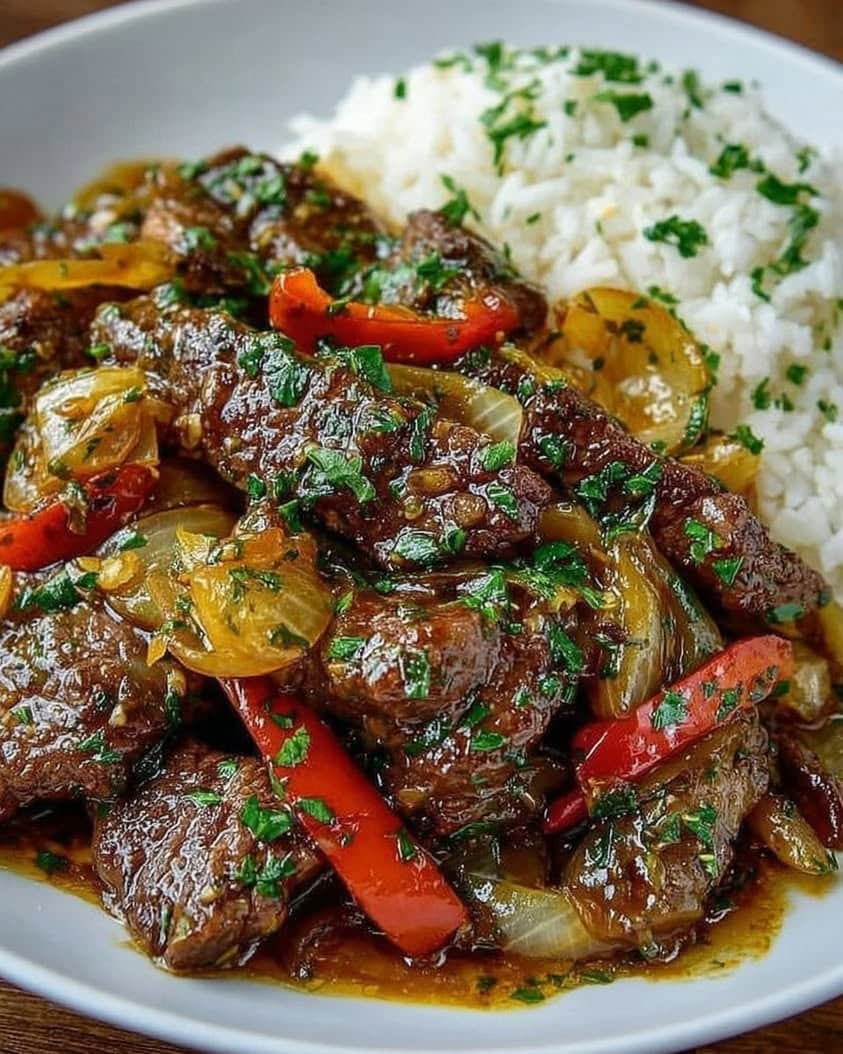
Chinese Pepper Steak with Onions: Tender beef & crisp onions in a savory Chinese pepper steak sauce. A quick, flavorful stir-fry that’s better than takeout!
Craving the savory, satisfying flavors of your favorite Chinese restaurant but want to enjoy it from the comfort of your own kitchen? This classic Chinese pepper steak recipe delivers an incredible homemade version that rivals any takeout. Furthermore, it combines tender strips of beef with sweet, crisp onions in a rich, glossy sauce that is both savory and slightly peppery. Ultimately, this dish brings the authentic taste of a Chinese stir-fry to your dinner table with minimal effort and maximum flavor.
The magic of this Chinese pepper steak lies in its perfect balance of textures and tastes. You get the melt-in-your-mouth beef contrasting beautifully with the firm, slightly caramelized onions. Meanwhile, the sauce clings to every ingredient, creating a symphony of umami, sweetness, and a gentle heat that tingles the palate. Importantly, this recipe is designed for the home cook, using accessible ingredients and straightforward techniques to achieve a professional-quality result. Consequently, you can create a restaurant-worthy meal on a busy weeknight.
Imagine slicing into a piece of flawlessly seared steak, its juices mingling with the dark, aromatic sauce. The onions provide a subtle sweetness that cuts through the richness, making each bite complex and utterly addictive. This Chinese pepper steak is not just a meal; it is a experience that will have your family asking for seconds. Additionally, it is incredibly versatile, pairing wonderfully with steamed rice, noodles, or even a simple side of steamed vegetables for a complete and healthy dinner.
Quick Recipe Highlights
- Flavor Profile: This Chinese pepper steak boasts a deeply savory and umami-rich base from soy sauce, complemented by a subtle sweetness and a distinct black pepper kick. The result is a complex sauce that is neither too salty nor too sweet, but perfectly balanced to enhance the natural flavor of the beef and onions.
- Texture: The success of this dish hinges on texture. The beef should be incredibly tender and juicy, while the onions retain a pleasant crisp-tender bite. The sauce should be glossy and slightly thick, coating each component without being gloopy or starchy.
- Aroma: As this Chinese pepper steak sizzles in the wok, it releases an irresistible aroma. The initial scent of searing beef gives way to the pungent, spicy notes of fresh black pepper and the sweet, alluring fragrance of cooking onions, creating a mouthwatering preview of the meal to come.
- Visual Appeal: This is a visually stunning dish with great color contrast. The deep brown of the seared beef and the dark sauce make the green of the onions pop. The glossy sheen on the sauce makes the entire dish look vibrant and professionally prepared.
- Skill Level Needed: This recipe is perfect for beginners looking to master a fundamental Chinese cooking technique. The primary skill involved is stir-frying, which requires organization and a watchful eye rather than advanced culinary expertise. With a bit of prep, anyone can achieve excellent results.
- Special Equipment: A large wok or a very large, heavy-bottomed skillet is highly recommended for this Chinese pepper steak. The wide, sloping sides of a wok are ideal for stir-frying as they allow for even, high-heat cooking and easy tossing of the ingredients. A good sharp knife is also essential for slicing the beef thinly.
Recipe Overview
- Difficulty Level: This Chinese pepper steak recipe is classified as easy because it involves straightforward techniques like slicing, marinating, and stir-frying. The steps are sequential and logical, with no complicated procedures. However, success depends on proper preparation and working quickly over high heat, which is a skill easily acquired with a single attempt.
- Category: This dish falls squarely into the main course category for a family dinner. It is a protein-centric meal that is hearty and satisfying. Furthermore, it can be categorized as a quick and easy dinner, a healthy stir-fry, and a fantastic option for weekly meal prep due to its excellent reheating qualities.
- Cuisine: This is a classic American-Chinese dish, representing a style of cuisine that adapted traditional Chinese flavors for Western pantries and palates. It embodies the core principles of Chinese stir-frying—high heat, quick cooking, and balanced sauces—while utilizing ingredients commonly found in American supermarkets.
- Cost: Preparing this Chinese pepper steak at home is significantly more cost-effective than ordering takeout. A single restaurant portion can cost as much as the entire homemade batch which serves four. The most significant expense is the beef, but using flank steak or sirloin keeps it budget-friendly, while the other ingredients like onions, soy sauce, and spices are very inexpensive staples.
- Season: This is a fantastic year-round recipe. During colder months, its warm, savory, and hearty nature provides comfort. In the warmer seasons, it is a light yet satisfying option that does not require hours of oven use, keeping your kitchen cool. It truly is a versatile dish for any season.
- Occasion: This Chinese pepper steak is perfect for busy weeknights when you need a fast, delicious, and healthy meal. It is also impressive enough for casual weekend entertaining, allowing you to spend time with guests rather than slaving in the kitchen. It is a reliable go-to for any informal gathering.
Why You’ll Love This Chinese Pepper Steak
First and foremost, the taste and texture of this Chinese pepper steak are utterly captivating. The beef becomes exceptionally tender through a simple marinating process, practically melting in your mouth. Conversely, the onions soften just enough while retaining a delightful crispness that provides a satisfying contrast. The sauce is the true star, delivering a powerful umami punch with a warm, peppery finish that lingers pleasantly. Each component works in harmony, creating a multi-dimensional eating experience that is far superior to the often-gloopy versions found in many takeout containers.
From a convenience standpoint, this recipe is a lifesaver. The total time from start to finish is around thirty-five minutes, making it faster than waiting for delivery on a busy night. Moreover, the ingredient list is composed of pantry staples and fresh items easily found at any local grocery store. The cooking process itself is active but brief, requiring only a single wok or skillet. Consequently, cleanup is a breeze, leaving you with more time to relax and enjoy your meal rather than facing a mountain of dirty pots and pans.
Nutritionally, this homemade Chinese pepper steak is a much healthier alternative to restaurant versions. You have complete control over the amount and quality of oil, sodium, and sugar used. By using low-sodium soy sauce and controlling the cornstarch, you can create a dish that is lower in calories and fat without sacrificing any flavor. The dish is packed with lean protein from the beef, and the onions contribute valuable vitamins and antioxidants. It is a balanced meal that supports a healthy lifestyle when served with brown rice and extra vegetables.
This dish also holds significant social and entertaining value. Serving a homemade Chinese pepper steak feels special and impressive, showcasing your cooking skills. It is a communal dish that encourages sharing, ideally served family-style in the center of the table. The vibrant colors and aromatic steam rising from the platter create an inviting and festive atmosphere. It is a guaranteed conversation starter and a meal that will make your guests feel truly cared for.
Finally, the cost-effectiveness and accessibility of this recipe cannot be overstated. For the price of two takeout orders, you can feed a family of four with this delicious Chinese pepper steak. The recipe is also highly adaptable to what you have on hand; for instance, you can easily add bell peppers, mushrooms, or broccoli. This flexibility makes it a valuable addition to your weekly rotation, helping you create delicious, budget-friendly meals that everyone will love.
Historical Background and Cultural Significance
The story of Chinese pepper steak is deeply intertwined with the history of Chinese immigration to the United States. In the mid-19th and early 20th centuries, Chinese immigrants, particularly in California, began opening restaurants. To appeal to American customers who were unfamiliar with traditional Chinese flavors, chefs ingeniously adapted their recipes. They used locally available ingredients like beef, which was more common in the American diet than in many parts of China, and created dishes with sweeter, thicker sauces. Chinese pepper steak emerged from this culinary fusion, becoming a staple on what we now know as the American-Chinese restaurant menu.
Culturally, dishes like Chinese pepper steak played a vital role in bridging two very different food traditions. They served as a gateway, introducing Americans to the concepts of stir-frying and the use of soy sauce and ginger. For many Americans, these adapted dishes were their first exposure to any form of Chinese cuisine. Consequently, Chinese pepper steak and its counterparts hold a significant place in the American culinary landscape, representing adaptation, entrepreneurship, and the evolution of immigrant food cultures. They are a testament to how food can transcend cultural barriers.
The recipe for Chinese pepper steak has evolved considerably since its inception. Originally, it might have been simpler, but over time, the technique of velveting the beef—marinating it in cornstarch and oil—became standard practice in restaurant kitchens to achieve that signature tender texture. The sauce also became more refined, moving beyond just soy sauce and pepper to include a balance of savory, sweet, and aromatic elements. This evolution was driven by competition among restaurants and a growing American sophistication about Asian flavors, leading to the well-balanced, complex dish we enjoy today.
Regional variations of Chinese pepper steak also exist across the United States. For example, in some areas, you will find it includes green bell peppers and tomatoes, adding color and a different flavor dimension. In other regions, the sauce might be darker and richer, or lighter and more broth-like. Some versions emphasize the black pepper heat, while others are milder. These variations reflect local tastes and ingredient availability, demonstrating the dish’s incredible flexibility. Regardless of the region, the core elements of tender beef, onions, and a savory, peppery sauce remain constant, unifying this beloved dish across the country.
Ingredient Deep Dive
Flank steak is the ideal cut for this Chinese pepper steak recipe. Historically, butchers often categorized this lean, flavorful cut as a lesser grade, but its popularity in international cuisines, particularly in stir-fries and fajitas, has rightfully elevated its status. Nutritionally, flank steak is an excellent source of lean protein, iron, and vitamin B12, which is crucial for energy production. When selecting flank steak, look for a piece with a bright red color and fine, tight grain with minimal fat marbling. For storage, keep it in its original packaging in the coldest part of your refrigerator for up to three days, or freeze it for several months. If flank steak is unavailable, skirt steak or sirloin steak make fantastic substitutes.
Onions are a fundamental vegetable in cuisines worldwide, valued for thousands of years for both their culinary and purported medicinal properties. In this Chinese pepper steak, yellow onions are typically used for their robust flavor and ability to hold their texture during high-heat cooking. They are a great source of vitamin C, B vitamins, and potent antioxidants like quercetin. Choose onions that are firm, heavy for their size, and have dry, papery skins with no soft spots. Store them in a cool, dark, well-ventilated place—not in the plastic bag from the store. For a milder flavor, you can substitute sweet onions like Vidalia, or for a stronger bite, red onions can be used, though they will alter the dish’s color.
Soy sauce is the umami backbone of the sauce in this Chinese pepper steak. This fermented condiment originated in China over 2,500 years ago and remains a cornerstone of Asian cooking. It is made from soybeans, wheat, salt, and a fermenting culture. From a nutritional standpoint, soy sauce is high in sodium, but it also contains antioxidants and small amounts of protein. For a healthier option, always opt for a low-sodium variety. Store soy sauce in a cool, dark cupboard. For a gluten-free alternative, tamari is an excellent substitute, offering a similar flavor profile without the wheat. Alternatively, coconut aminos can provide a sweeter, soy-free option.
Freshly ground black pepper is not just a background note in this dish; it is a featured player. Black pepper, often called the “king of spices,” has a long history of use in both cooking and traditional medicine, originating from India. It contains piperine, a compound that gives it its pungency and may enhance nutrient absorption. For the best flavor, always grind whole peppercorns yourself just before using, as pre-ground pepper quickly loses its potency and aromatic oils. Store peppercorns in a sealed container away from light and heat. There is no true substitute for black pepper’s unique heat, but in a pinch, a very small amount of white pepper could be used for a different, slightly earthier heat.
Common Mistakes to Avoid
- Cutting the Meat Incorrectly: One of the most common errors is slicing the beef with the grain. This results in tough, chewy strips no matter how short you cook them. Always identify the direction of the muscle fibers and slice perpendicularly across the grain. This severs the long muscle fibers, guaranteeing a tender bite in your Chinese pepper steak.
- Overcrowding the Wok: Adding all the beef to the wok at once is a surefire way to steam the meat instead of searing it. The pan temperature drops drastically, and the beef releases its juices, leading to a gray, boiled texture. Cook the beef in small, manageable batches to maintain high heat and achieve a proper, flavorful sear.
- Using Pre-Ground Black Pepper: The flavor of pre-ground black pepper is muted and dusty compared to freshly ground. For a Chinese pepper steak where the pepper is a star ingredient, this makes a significant difference. Invest in a good pepper mill and grind the peppercorns fresh for the most vibrant and aromatic spice flavor.
- Skipping the Beef Marination: The marination step is not just for flavor; the cornstarch and oil create a protective layer on the beef that helps it stay juicy during high-heat cooking. Skipping this step, or marinating for too short a time, can lead to dry, tough meat. Twenty minutes is the minimum for effective velveting.
- Overcooking the Onions: Onions should be stir-fried until they are crisp-tender and slightly caramelized but still have a bit of bite. If you cook them until they are completely soft and translucent, they will become mushy and lose their textural appeal in the final dish. Their slight crunch provides a necessary contrast to the tender beef.
- Creating a Lumpy Sauce: Adding cornstarch directly to the liquid ingredients will result in unpleasant lumps. Always create a slurry by mixing the cornstarch with a small amount of cold water or broth first. This creates a smooth paste that can then be stirred into the hot sauce, where it will thicken evenly and beautifully.
- Using the Wrong Cut of Beef: While this recipe is forgiving, using a very lean and tender cut like filet mignon is unnecessary and can be a waste. Conversely, using a tough, slow-cooking cut like chuck roast will not work. Stick with flank, sirloin, or skirt steak for the perfect balance of flavor, texture, and value.
- Not Prepping All Ingredients Before Cooking: Stir-frying is a fast process with no time to pause and chop an ingredient you forgot. This is called “mise en place.” Having your beef marinated, sauce mixed, and vegetables chopped and ready to go is absolutely critical for a smooth and successful cooking experience.
Essential Techniques
Slicing Meat Against the Grain is the single most important technique for ensuring tender beef in your Chinese pepper steak. The “grain” refers to the long muscle fibers visible running through the meat. Cutting across these fibers, perpendicularly, shortens them dramatically. Consequently, when you bite into the cooked steak, your teeth don’t have to struggle against long, tough strands, resulting in a much more tender mouthfeel. To master this, lay the steak on your cutting board and identify the direction of the fibers. Then, using a sharp knife, slice across these lines into thin, uniform strips. A common pitfall is misidentifying the grain, so take a moment to observe the meat carefully before you begin cutting.
The Velveting Technique, achieved through marinating the beef with cornstarch and oil, is a restaurant secret for incredibly tender meat. The cornstarch forms a delicate coating on the outside of each piece of beef. When introduced to high heat, this coating gelatinizes and seals in the meat’s natural juices. Simultaneously, the oil helps prevent the pieces from sticking together and contributes to a silky texture. To master it, ensure your cornstarch and soy sauce are well combined into a smooth paste before adding the beef. A common mistake is using too much cornstarch, which can make the sauce overly thick and gloopy. The visual cue for success is a light, even coating on the beef that isn’t pasty.
Stir-Frying over High Heat is the engine of this recipe. This method cooks food quickly, preserving its color, texture, and nutrients. The intense heat creates a flavorful sear on the beef and caramelizes the onions without making them waterlogged. To master it, ensure your wok or skillet is screaming hot before you add the oil—a drop of water should sizzle and evaporate instantly. Then, keep the ingredients moving constantly by tossing and stirring them. The most common pitfall is a pan that is not hot enough, leading to steaming instead of searing. The visual cues for success are a loud sizzle upon adding ingredients and the development of a slight browned crust on the beef and onions.
Creating a Slurry for the Sauce is essential for achieving a glossy, professionally thickened sauce without lumps. Cornstarch needs to be dispersed in a cold liquid before being exposed to heat to activate its thickening properties smoothly. If you add cornstarch directly to a hot liquid, the outside granules will instantly gelatinize and form lumps that are impossible to dissolve. To master this, simply mix the measured cornstarch with an equal amount of cold water or broth in a small bowl, stirring until it forms a smooth, milky liquid. Then, while the sauce in the wok is simmering, stir in the slurry. You will see the sauce thicken almost immediately into a beautiful, clingy consistency.
Pro Tips for Perfect Chinese Pepper Steak
Partially freeze your flank steak for about 30 minutes before slicing. This firms up the meat, making it much easier to cut into thin, uniform strips against the grain. A sharper, cleaner cut results in more tender beef after cooking.
Use a neutral oil with a high smoke point for stir-frying. Avocado oil, peanut oil, or canola oil are excellent choices. They can withstand the intense heat required for stir-frying without burning and imparting a bitter flavor to your dish.
Let your wok or skillet get properly hot before adding anything. You should see wisps of smoke rising from the oil before you add the first batch of beef. This initial sear is crucial for locking in juices and developing flavor.
Do not stir the beef immediately after adding it to the wok. Let it sear for about 60-90 seconds on one side to develop a flavorful brown crust. Then, toss and continue cooking. This technique, known as “wok hay,” adds a smoky, charred essence.
Taste your sauce mixture before adding it to the wok. This is your last chance to adjust the balance of salty, sweet, and peppery flavors. Remember that the flavors will concentrate slightly as the sauce reduces and thickens.
Add a teaspoon of sesame oil to the finished dish just before serving. Drizzle it over the top and give it one final toss. The sesame oil is not for cooking but for finishing, as heat destroys its delicate nutty aroma.
If you prefer a saucier Chinese pepper steak, increase the broth in the sauce recipe by a quarter cup. You may need to add a tiny bit more cornstarch to the slurry to compensate and maintain the desired thickness.
Variations and Adaptations
Regional variations of this classic dish are abundant. For a Cantonese-inspired twist, add sliced bell peppers and pineapple chunks for a sweeter profile. A Szechuan version would incorporate dried red chilies and a teaspoon of Szechuan peppercorns for their characteristic numbing mala spice. In some American diners, you might find Chinese pepper steak served with a side of tomato gravy, a unique fusion worth exploring. These regional takes demonstrate the recipe’s incredible versatility and its ability to absorb local flavors while maintaining its core identity.
Seasonal adaptations can keep this recipe exciting all year long. In the spring, add fresh asparagus spears or snap peas for a bright, green crunch. During summer, toss in ripe cherry tomatoes that will burst and create a slightly jammy element in the sauce. For a hearty autumn version, incorporate sliced mushrooms, which add a deep, earthy umami flavor that complements the beef beautifully. In winter, root vegetables like thinly sliced carrots or baby turnips can be stir-fried along with the onions for extra heartiness and nutrition.
Dietary modifications are straightforward and effective. For a gluten-free Chinese pepper steak, simply use tamari or coconut aminos instead of regular soy sauce. To make it low-carb or keto-friendly, serve it over cauliflower rice instead of traditional white rice and ensure there is no sugar added to the sauce. For a paleo version, use coconut aminos and replace the cornstarch with arrowroot powder or tapioca starch for thickening. These simple swaps ensure that everyone can enjoy this delicious dish regardless of dietary restrictions.
Flavor variations allow you to customize the dish to your personal taste. If you love garlic, add several minced cloves along with the ginger. For a touch of sweetness, a tablespoon of hoisin sauce can be mixed into the sauce. If you enjoy heat, a spoonful of chili-garlic paste or a drizzle of chili oil will provide a pleasant kick. For a more complex umami depth, a teaspoon of oyster sauce works wonders. Experimenting with these additions helps you create a signature Chinese pepper steak that is uniquely yours.
Serving and Presentation Guide
Plating your Chinese pepper steak beautifully enhances the dining experience. For a family-style meal, transfer the entire contents of the wok to a large, shallow serving platter or a traditional Chinese bowl. Alternatively, for individual servings, place a mound of fluffy white rice in the center of each plate and spoon the pepper steak and sauce over the top, allowing it to cascade down the sides. This method showcases the vibrant colors and glossy sauce. Using white or light-colored plates provides a striking contrast that makes the deep browns and greens of the dish truly pop.
Garnishing adds a final touch of freshness and color. A simple sprinkle of thinly sliced green onions or fresh cilantro leaves provides a bright, herbal note that cuts through the richness. For a bit of color and a mild peppery flavor, scatter some microgreens over the top. Toasted sesame seeds are another classic garnish, adding a subtle nutty flavor and a pleasing visual texture. A final drizzle of chili oil not only adds heat but also creates beautiful red swirls in the sauce, signaling its flavor depth to your guests.
Traditional accompaniments are simple and effective. Steamed jasmine rice is the classic and perfect partner, as its mild flavor and sticky texture are ideal for soaking up the delicious sauce. For a lighter option, serve with steamed brown rice or quinoa. Alternatively, thin rice noodles or chow mein noodles make a fantastic base, turning the dish into a complete noodle bowl. A simple side of steamed or stir-fried leafy greens, like bok choy or gai lan, adds balance and completes the meal with a fresh, vegetable component.
Wine and Beverage Pairing
Selecting the right wine can elevate your Chinese pepper steak experience. A medium-bodied red wine with low tannins and good acidity is an excellent choice. Pinot Noir is a classic pairing; its red fruit flavors and earthy notes complement the savory beef and peppery sauce without overwhelming the dish. Alternatively, a fruity Zinfandel can stand up to the bold flavors, especially if your version has a bit of heat. For white wine lovers, an off-dry Riesling or Gewürztraminer is perfect. Their slight sweetness and aromatic profile beautifully balance the saltiness and spice, while their acidity cleanses the palate between bites.
Non-alcoholic alternatives provide refreshing and thoughtful options for all guests. A lightly sweetened jasmine iced tea is a traditional and fantastic pairing, its floral notes harmonizing with the dish’s aromatics. Sparkling water with a squeeze of lime or a slice of ginger helps cleanse the palate and cut through the richness. For a more substantial beverage, a tangy tamarind drink or a sweet-and-sour lemonade can provide a contrasting flavor that highlights the umami of the steak. These drinks offer complexity and refreshment without the alcohol.
While not traditional pairings for this dish, certain coffees and teas can work surprisingly well after the meal. A dark roast coffee with low acidity can be a satisfying finish, its bitter notes contrasting with the memory of the savory sauce. For tea, a robust Pu-erh or Oolong tea would be an authentic Chinese choice to sip after dinner, aiding digestion. The key is to wait until after the meal, as the strong flavors of coffee and some teas can clash with the delicate balance of the stir-fry during the dining experience itself.
Storage and Shelf Life
Proper storage is key to enjoying your Chinese pepper steak leftovers. Allow the dish to cool completely to room temperature before storing, but do not leave it out for more than two hours to prevent bacterial growth. Transfer the cooled steak and sauce to an airtight container. Glass containers are ideal as they do not absorb odors or stains. Store the rice separately from the pepper steak to prevent it from becoming soggy. When stored correctly in the refrigerator, your Chinese pepper steak will remain fresh and safe to eat for up to three to four days.
Recognizing signs of spoilage is crucial for food safety. Before reheating, always inspect and smell the leftovers. If you notice any off odors, a slimy texture on the beef or onions, or any signs of mold, discard the entire dish immediately. Additionally, if the sauce has separated in an unusual way or developed bubbles, it is best to err on the side of caution and not consume it. Proper cooling and refrigeration are your best defenses against spoilage, ensuring your delicious meal remains safe for later enjoyment.
Reheating instructions are simple but important for preserving texture. The best method is to reheat the pepper steak in a wok or skillet over medium heat. Add a splash of water or beef broth to loosen the sauce and prevent it from becoming too thick or sticky. Stir frequently until piping hot throughout. You can also use a microwave, though this may soften the vegetables further. Place the pepper steak in a microwave-safe dish, cover with a damp paper towel to retain moisture, and heat in 60-second intervals, stirring in between, until thoroughly heated.
Make Ahead Strategies
Advanced preparation can make assembling your Chinese pepper steak incredibly fast. You can slice the beef and prepare the marinade up to 24 hours in advance. Combine them in a zip-top bag or an airtight container and store it in the refrigerator. This extended marinating time often results in even more tender and flavorful beef. Similarly, you can chop the onions and mix the sauce ingredients (except the cornstarch slurry) a day ahead. Store the vegetables and sauce separately in the fridge. When you are ready to cook, everything is prepped, and you can have dinner on the table in under 15 minutes.
Understanding the quality impact of make-ahead steps is important. Marinating the beef for longer than 30 minutes is beneficial and enhances tenderness. However, pre-cutting the onions is generally fine, though they may lose a tiny bit of their crispness over 24 hours. The sauce mixture can be prepared ahead without issue. The one component you should not prepare in advance is the cornstarch slurry; the cornstarch will settle and become difficult to remix, potentially leading to a lumpy sauce. Always mix your slurry fresh, just before you are ready to thicken the sauce in the wok.
For the best results when cooking pre-prepped ingredients, bring the marinated beef and the sauce mixture out of the refrigerator about 15-20 minutes before you plan to cook. This takes the chill off and helps the wok return to high heat more quickly after adding the cold ingredients. Have your cornstarch and water measured and ready to mix into a slurry. With all your components organized, the actual cooking process becomes a swift, seamless, and stress-free operation, allowing you to achieve perfect restaurant-quality results with minimal active effort on a busy weeknight.
Scaling Instructions
Halving this Chinese pepper steak recipe is straightforward for smaller households. Simply divide all the ingredients by two. Use a medium skillet instead of a large wok, as the smaller quantity of food will cook more evenly in a appropriately sized pan. The cooking times will remain roughly the same since you are still cooking over high heat, but keep a close eye on the beef and onions as they will cook slightly faster due to the smaller batch size. This is a perfect way to enjoy a fresh, homemade stir-fry without having excessive leftovers.
Doubling or tripling the recipe for a crowd requires some adjustments. Do not attempt to cook a double batch in a single wok; the pan will be too crowded, and the ingredients will steam. Instead, cook the beef in three or four separate batches to ensure proper searing. You may need to add a small amount of additional oil between batches. You can cook all the beef, set it aside, and then cook all the onions in the same way. When making the sauce, you can mix a double batch in a bowl, but thicken it in the wok in two stages for better control over the consistency.
Consider equipment and timing when scaling up. For a large group, you might need to use two woks or skillets simultaneously to manage the volume. Keep the cooked batches warm in a low oven (around 200°F or 95°C) on a sheet pan while you finish the rest. Remember that the prep time will increase linearly with the quantity, so give yourself plenty of time for slicing the larger amount of beef and vegetables. Planning ahead ensures that your scaled-up Chinese pepper steak feast is a success, with every batch as tender and flavorful as the first.
Nutritional Deep Dive
From a macronutrient perspective, this Chinese pepper steak is a well-balanced meal, especially when served with rice and vegetables. The flank steak provides a high-quality source of complete protein, essential for muscle repair and satiety. The onions contribute complex carbohydrates and a small amount of dietary fiber. The fat content is primarily from the cooking oil and the natural marbling in the beef, which can be controlled by using a lean cut and moderating the oil. The sauce adds minimal carbohydrates, mostly from the small amount of sugar and the cornstarch used for thickening. This macro profile supports sustained energy release.
The micronutrient profile of this dish is impressive. Beef is an excellent source of heme iron, which is highly absorbable and crucial for preventing anemia, as well as zinc for immune function and B vitamins for energy metabolism. Onions are rich in vitamin C, which aids iron absorption from the beef, and contain quercetin, a powerful antioxidant with anti-inflammatory properties. The ginger and garlic used in the sauce also contribute beneficial compounds like allicin and gingerol, which have been studied for their potential health-boosting effects. Together, these ingredients create a nutrient-dense meal.
For those managing their weight, this Chinese pepper steak can be an excellent choice. The high protein content promotes feelings of fullness, which can help reduce overall calorie intake. To make it even more weight-loss friendly, be mindful of the oil used for stir-frying—a non-stick wok can reduce the needed amount. Serve the dish with a larger portion of non-starchy vegetables, such as steamed broccoli or a side salad, and a controlled portion of brown rice. This approach increases volume and fiber for fewer calories, making a satisfying and diet-friendly meal that doesn’t feel like a deprivation.
Dietary Adaptations
For a Gluten-Free adaptation, the only ingredient of concern is the soy sauce. Simply replace it with an equal amount of tamari (ensure it’s labeled gluten-free, as some brands contain wheat) or coconut aminos. The cornstarch is naturally gluten-free. All other ingredients—beef, onions, garlic, ginger, and pepper—are inherently free from gluten. This simple swap allows those with celiac disease or gluten sensitivity to enjoy this flavorful Chinese pepper steak without any compromise on taste or texture.
Creating a Dairy-Free version of this recipe is exceptionally easy, as the traditional recipe contains no dairy products whatsoever. No substitutions are needed. The marinade and sauce rely on soy sauce, broth, and spices, all of which are naturally dairy-free. Always double-check the label on your beef broth if using store-bought, but most are dairy-free. This makes Chinese pepper steak a fantastic and safe option for those avoiding dairy due to allergies, intolerances, or dietary preference.
A Low-Carb or Keto adaptation focuses on modifying the sauce and accompaniments. Replace the cornstarch with a keto-friendly thickener like xanthan gum or glucomannan powder; use only a very small amount, as these are powerful thickeners. Omit the sugar entirely or use a granulated keto-friendly sweetener like erythritol. Most importantly, serve the pepper steak over cauliflower rice or zucchini noodles instead of traditional rice. With these changes, the dish becomes a high-protein, high-fat, and very low-carb meal that fits perfectly into a ketogenic lifestyle.
Troubleshooting Guide
If your beef turns out tough, the issue likely stems from slicing or cooking. First, confirm you sliced the flank steak against the grain. If you did, the problem may be overcooking. Stir-fried beef cooks in just a few minutes; prolonged cooking makes it tough. For future attempts, ensure your wok is extremely hot before adding the beef to sear it quickly, and do not cook it for more than 2-3 minutes total. You can also try tenderizing the sliced beef with the back of your knife or a meat mallet before marinating.
When the sauce lacks depth or tastes flat, it is often a matter of balance. If it is too salty, a pinch of sugar or a teaspoon of rice vinegar can help balance it. If it is too sweet, a splash of additional soy sauce or a bit more black pepper can bring it back. A
Print
Chinese Pepper Steak with Onions
Description
A savory and quick stir-fry featuring tender strips of steak, crisp bell peppers, and sweet onions in a rich, umami-packed sauce.
Ingredients
For the Crust:
- 1 lb flank steak, thinly sliced against the grain
- 1 large onion, sliced
- 1 green bell pepper, sliced
- 1 red bell pepper, sliced
- 3 cloves garlic, minced
- 1 tbsp ginger, grated
- 3 tbsp soy sauce
- 1 tbsp oyster sauce
- 1 tsp cornstarch
- 2 tbsp vegetable oil
- 1/2 cup beef broth
- 1 tsp black pepper
- 1 tsp sesame oil
Instructions
1. Prepare the Crust:
- In a bowl, toss the sliced steak with soy sauce, cornstarch, and black pepper. Let marinate for 10 minutes.
- Heat vegetable oil in a large wok or skillet over high heat. Add the steak and stir-fry until browned, about 2-3 minutes. Remove and set aside.
- In the same wok, add onions and bell peppers. Stir-fry for 3-4 minutes until slightly tender.
- Add garlic and ginger, stir for 30 seconds until fragrant.
- Return the steak to the wok. Pour in beef broth and oyster sauce. Stir well and cook for 2 minutes until the sauce thickens.
- Drizzle with sesame oil, toss to combine, and serve immediately over rice.
Notes
You can customize the seasonings to taste.

I’m Shaykee—born in Morocco, seasoned across continents. From airplane galleys to home kitchens, I share the flavors and stories that shaped my journey.