
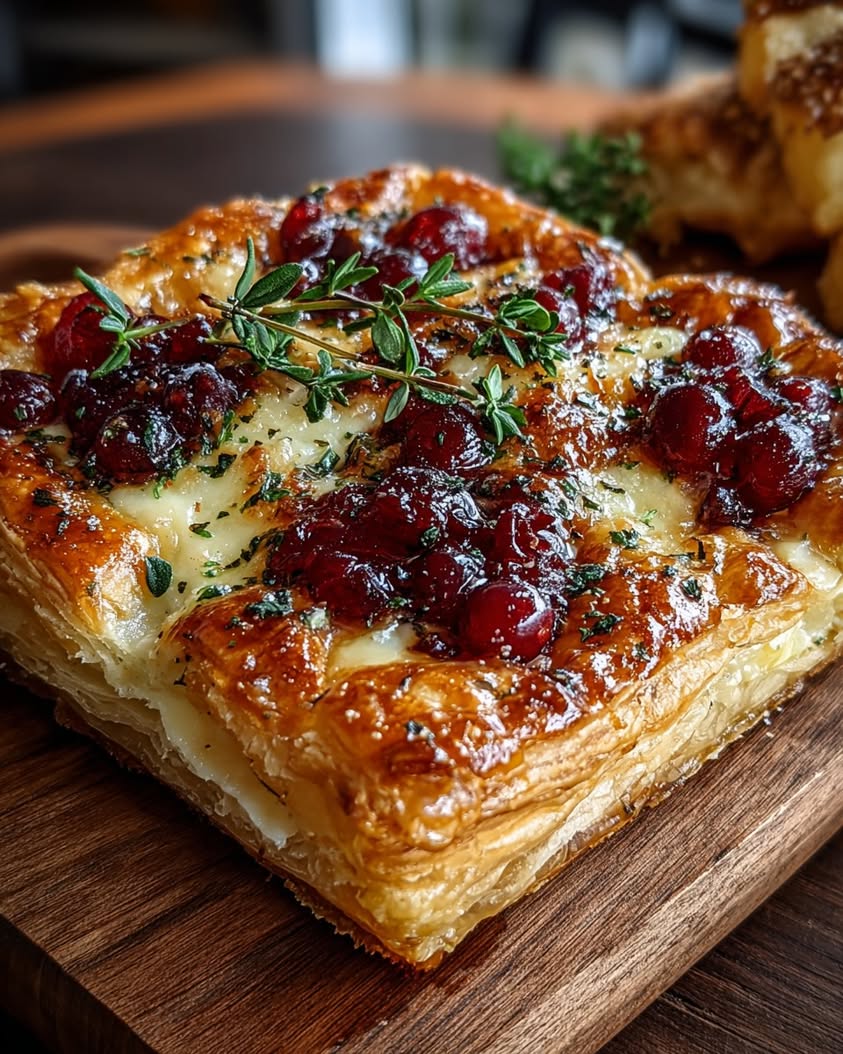
Cranberry Brie Tart with Thyme: A Festive Sweet and Savory Masterpiece
This stunning Cranberry Brie Tart with Thyme combines creamy brie and tart cranberries in a buttery crust for an unforgettable holiday experience. Imagine pulling this beautiful creation from your oven, its golden crust cradling a molten center of rich cheese and vibrant red berries. The aroma alone will have your guests gathering in the kitchen, eagerly anticipating that first glorious bite. This recipe delivers restaurant-quality elegance with surprisingly simple home kitchen techniques.
Furthermore, this Cranberry Brie Tart recipe masterfully balances sweet and savory elements in every single layer. The flaky, buttery pastry provides a perfect textural contrast to the velvety brie, while the cranberries offer a bright, tangy counterpoint. Fresh thyme adds an earthy, aromatic note that ties all the flavors together harmoniously. Consequently, this dish feels both sophisticated and comforting, making it ideal for everything from casual family gatherings to formal holiday parties.
Ultimately, this Cranberry Brie Tart stands out because it delivers maximum visual impact with minimal fuss. You will appreciate how the simple ingredient list transforms into something truly spectacular. The deep ruby cranberries glisten against the golden-brown cheese, creating a festive color palette that celebrates the season. Whether you serve it as an appetizer, a light lunch, or part of a grand holiday buffet, this tart guarantees compliments and recipe requests.
Quick Recipe Highlights
- Flavor Profile: This Cranberry Brie Tart features a sophisticated sweet and savory balance. The rich, creamy brie beautifully contrasts with the bright, tart cranberry compote, while fresh thyme adds an earthy, aromatic depth that elevates the entire flavor experience.
- Texture: You will experience a delightful textural journey from the flaky, buttery crust to the luxuriously soft, melted brie. The cranberries provide occasional juicy bursts, creating a perfect mouthfeel that keeps each bite interesting and satisfying.
- Aroma: As this Cranberry Brie Tart bakes, your kitchen will fill with the comforting scent of buttery pastry melding with the earthy fragrance of thyme. The sweet-tart aroma of bubbling cranberries completes this irresistible olfactory symphony.
- Visual Appeal: This tart presents a stunning visual contrast with its golden-brown crust, creamy white brie, and vibrant ruby-red cranberries. The fresh thyme sprigs add a touch of green elegance, making it a centerpiece-worthy dish.
- Skill Level Needed: This Cranberry Brie Tart recipe requires only basic kitchen skills like rolling pastry and simple stovetop simmering. Even novice cooks can achieve impressive results, as the recipe provides clear, step-by-step guidance for success.
- Special Equipment: You need just a standard tart pan with a removable bottom for easy serving. A rolling pin helps achieve an even crust, though you can use a wine bottle in a pinch. A medium saucepan completes the essential tool list.
Recipe Overview
- Difficulty Level: We classify this Cranberry Brie Tart as easy because it utilizes store-bought puff pastry, significantly reducing preparation complexity. The filling requires simple stovetop cooking rather than intricate techniques. Additionally, the assembly process involves straightforward layering that even kitchen beginners can master confidently.
- Category: This versatile Cranberry Brie Tart fits multiple meal categories beautifully. It shines as an elegant holiday appetizer that welcomes guests with impressive flavors. Alternatively, it serves wonderfully as a light lunch or brunch centerpiece when paired with a simple green salad.
- Cuisine: This Cranberry Brie Tart draws inspiration from French culinary traditions, where fruit and cheese pairings have long been celebrated. The combination specifically echoes classic flavor profiles from the Burgundy region, while incorporating accessible American ingredients for home cooks.
- Cost: Creating this impressive Cranberry Brie Tart remains surprisingly budget-friendly. Using store-bought puff pastry keeps costs manageable while delivering professional results. Seasonal cranberries offer excellent value during autumn and winter months. Furthermore, a little brie goes a long way flavor-wise, making this an economical choice for entertaining.
- Season: This Cranberry Brie Tart truly embodies the flavors of fall and winter. Fresh cranberries reach their peak during these cooler months, ensuring the best flavor and texture. The warm, comforting nature of baked cheese dishes particularly suits holiday gatherings and chilly weather occasions.
- Occasion: This stunning tart elevates any special event from Thanksgiving and Christmas dinners to New Year’s Eve parties. It also makes an excellent contribution to potlucks and office gatherings where you want to impress without excessive stress. For intimate dinners, it creates a memorable starter that sparks conversation.
Why You’ll Love This Cranberry Brie Tart
You will adore this Cranberry Brie Tart first for its extraordinary taste and texture combination. The moment you slice through the flaky crust into the molten brie and tart cranberries, your senses will delight in the contrast. Each bite delivers creamy, tangy, buttery, and herbal notes that dance across your palate. Meanwhile, the visual appeal of the ruby red cranberries against the golden pastry makes this dish as beautiful as it is delicious. This harmonious balance of elements creates a truly memorable eating experience that feels both luxurious and comforting simultaneously.
The convenience factor of this Cranberry Brie Tart recipe will genuinely impress you. With just twenty minutes of active preparation, you can create something that looks and tastes professionally crafted. Using store-bought puff pastry eliminates the stress of making dough from scratch while guaranteeing excellent results. Additionally, you can prepare components ahead of time, then simply assemble and bake before serving. This make-ahead flexibility makes holiday entertaining significantly less stressful, allowing you to enjoy your own party rather than being stuck in the kitchen.
Nutritionally, this Cranberry Brie Tart offers some surprising benefits alongside its indulgent qualities. Cranberries provide valuable antioxidants and vitamin C, while brie delivers protein and calcium. Using whole-berry cranberry sauce instead of jellied versions maintains more fiber and natural fruit compounds. When enjoyed in moderation as part of a balanced meal, this tart contributes meaningful nutrients alongside its spectacular flavor profile. The portion-controlled nature of tart servings also helps with mindful eating during often-overindulgent holiday seasons.
For social gatherings, this Cranberry Brie Tart performs magnificently as both conversation starter and crowd-pleaser. Its stunning appearance immediately draws attention and compliments, making you feel like a culinary rock star. The combination of familiar flavors presented in an elegant format appeals to diverse palates, from adventurous foodies to more conservative eaters. As a centerpiece on your holiday table or buffet spread, it creates a focal point that embodies the festive spirit. Furthermore, it serves beautifully at room temperature, freeing you from last-minute heating stress when guests arrive.
The cost-effectiveness of this impressive Cranberry Brie Tart makes it accessible for various budgets and occasions. Compared to expensive store-bought appetizers or restaurant dishes, creating this tart at home delivers exceptional value. A single tart generously serves eight people as an appetizer, costing significantly less per person than pre-made alternatives. The ingredients remain readily available in most supermarkets year-round, with seasonal cranberry sales making it even more economical during the holidays. This accessibility means you can enjoy gourmet flavors without gourmet prices.
Historical Background and Cultural Significance
The combination of cheese and fruit in pastry has deep roots in European culinary history, particularly in France where both brie and tart pastry have centuries-old traditions. Brie cheese originated in the Seine-et-Marne region of France, earning the nickname “King of Cheeses” after its popularity at the Congress of Vienna in 1815. Meanwhile, combining fruit with cheese likely began as a practical preservation method, with the natural acidity in fruits like cranberries helping to cut through the richness of fatty cheeses. This Cranberry Brie Tart represents a modern interpretation of these ancient flavor pairings, bridging Old World techniques with New World ingredients.
Culturally, the Cranberry Brie Tart embodies the evolution of holiday entertaining in America, where traditional European techniques merge with native ingredients. Cranberries stand as one of North America’s few commercially cultivated native fruits, with Native American communities using them for centuries both as food and medicine. The incorporation of this indigenous berry into a French-inspired pastry illustrates how culinary traditions adapt and evolve through cultural exchange. Today, this fusion dish represents contemporary American holiday cuisine at its best – honoring tradition while embracing innovation and accessibility.
The recipe’s evolution reflects broader trends in home cooking over recent decades. As store-bought puff pastry became widely available, elaborate tart-making transformed from professional bakery territory to accessible home kitchen projects. The specific combination of cranberries and brie gained popularity in the 1980s and 1990s as American palates became more adventurous with cheese varieties. Food magazines and television cooking shows helped disseminate these flavor combinations, transforming them from restaurant exclusives to home kitchen staples. This Cranberry Brie Tart represents the culmination of this democratization of gourmet cooking.
Regional variations of this concept abound, demonstrating its versatility across different culinary traditions. In some areas, cooks might use camembert instead of brie for a stronger flavor profile. Some versions incorporate nuts like pecans or walnuts for additional texture. Other interpretations might feature different fruit preserves alongside or instead of cranberries, such as fig jam or apricot preserves. The thyme represents just one herbal possibility, with rosemary, sage, or even lavender appearing in alternative recipes. This adaptability ensures the basic concept of a cheese and fruit tart remains relevant across diverse tastes and ingredient availability.
Ingredient Deep Dive
Brie cheese forms the creamy heart of this tart, with origins dating back to 8th century France where it was famously presented to Charlemagne. This soft-ripened cheese develops its characteristic edible rind through specific mold cultivation, creating a protective barrier that allows the interior to mature into a luscious, spreadable texture. Nutritionally, brie provides substantial protein, calcium, and phosphorus, though its fat content makes moderation advisable. When selecting brie for your Cranberry Brie Tart, choose a wheel that feels slightly springy to the touch and shows no signs of ammonia odor. For optimal results, bring brie to room temperature before baking to ensure perfect melting consistency.
Fresh cranberries contribute the vibrant tartness that balances this dish’s richness, with these native North American berries having been used by Indigenous peoples for food, medicine, and dye long before European settlement. These ruby gems pack impressive nutritional benefits, including proanthocyanidins that help prevent urinary tract infections and substantial vitamin C and fiber content. When selecting cranberries for your tart, look for firm, brightly colored berries that bounce when dropped – a sign of freshness. You can store fresh cranberries in the refrigerator for several weeks or freeze them for up to a year without compromising quality.
Puff pastry provides the flaky, buttery foundation that makes this tart so irresistible, with its invention credited to French pastry chef Marie-Antoine Carême in the 17th century. This laminated dough creates hundreds of delicate layers through repeated folding and rolling with butter, resulting in dramatic rise and flakiness when baked. While homemade puff pastry requires significant effort, high-quality store-bought versions deliver excellent results with convenience. When working with puff pastry for your Cranberry Brie Tart, keep it chilled until moments before use to maintain proper layering. For best results, thaw frozen puff pastry overnight in the refrigerator rather than at room temperature.
Fresh thyme contributes the aromatic earthiness that elevates this tart from simple to sublime, with this Mediterranean herb boasting a history of culinary and medicinal use dating back to ancient Egypt. Thyme contains thymol, a compound with antimicrobial properties, along with various antioxidants and vitamins A and C. When selecting thyme for your Cranberry Brie Tart, look for vibrant green sprigs without yellowing or dry spots. The delicate leaves release their flavor best when added toward the end of cooking, making them perfect for sprinkling over the tart before baking. If fresh thyme isn’t available, use one-third the amount of dried thyme, though the flavor will be less bright.
Common Mistakes to Avoid
- Using cold brie straight from the refrigerator represents a frequent error. Cold cheese won’t melt properly during the relatively short baking time, resulting in uneven texture. Instead, always bring your brie to room temperature for at least thirty minutes before assembling your tart.
- Overworking the puff pastry compromises its flaky texture. When pressing the pastry into your tart pan, handle it minimally and avoid stretching it thin. Furthermore, don’t reroll scraps excessively, as this damages the delicate layers that create puff pastry’s characteristic rise.
- Skipping the blind baking step leads to soggy bottoms. The initial brief baking of the empty shell ensures a crisp foundation that can support the moist filling. Without this step, the pastry absorbs liquid from the cheese and cranberries, becoming unpleasantly doughy.
- Spreading cranberry sauce too thickly creates excessive moisture. A thin, even layer allows the tart cranberry flavor to complement rather than overwhelm the other elements. Excess sauce also makes the finished tart difficult to slice cleanly.
- Neglecting to score the brie rind prevents proper melting. Making shallow cuts in a crosshatch pattern on the rind helps the cheese melt evenly and integrate with the other components. Without scoring, the rind can resist melting, creating textural inconsistencies.
- Overbaking the tart dries out the cheese and darkens the pastry excessively. Since puff pastry and brie both cook relatively quickly, watch carefully during the final minutes. The perfect Cranberry Brie Tart emerges golden brown with visibly melted cheese.
- Using canned jellied cranberry sauce instead of whole-berry versions sacrifices texture and flavor. The gelatinous consistency of jellied sauce doesn’t provide the pleasant burst of whole berries. Additionally, whole-berry sauce typically contains less sugar and more authentic fruit flavor.
- Slicing the tart immediately after removing it from the oven causes messy portions. Allowing five to ten minutes of resting time lets the cheese set slightly, enabling cleaner cuts that maintain their structural integrity on the serving plate.
Essential Techniques
Blind baking forms the foundation of a perfectly crisp tart crust. This technique involves partially baking the pastry shell before adding fillings, creating a barrier that prevents sogginess. To master blind baking, line your pastry with parchment paper and fill with pie weights, dried beans, or rice to maintain the shell’s shape during baking. Bake until the edges just begin to golden but the center remains pale. The key visual cue for success is a set pastry surface that no longer looks raw or shiny. Common pitfalls include using insufficient weights, which allows the pastry to puff up unevenly, or overbaking at this stage, which can cause excessive browning during the final bake.
Proper cheese preparation ensures your brie melts into a luxurious layer rather than remaining chunky. The essential technique involves bringing chilled brie to room temperature and scoring the rind in a crosshatch pattern. Scoring means making shallow cuts about a quarter-inch deep in a diamond pattern across the surface. This process allows heat to penetrate evenly and helps the cheese spread smoothly as it melts. The visual cue for proper scoring is a uniform pattern that covers the entire surface without cutting completely through the cheese. A common mistake involves cutting too deeply, which causes the brie to ooze excessively rather than melting into an even layer.
Filling distribution requires careful attention to create balanced flavors in every bite. The technique involves spreading cranberry sauce in a thin, even layer, leaving a small border around the edges to prevent bubbling over. Then arrange the scored brie precisely over the cranberry layer, ensuring coverage without excessive overlapping. The visual cue for proper filling distribution is visible cranberry peeking through the scored patterns in the brie. Common pitfalls include spreading cranberry sauce too thickly, which makes the tart soggy, or placing brie pieces too close to the edges, which can cause cheese to melt over the crust.
Pro Tips for Perfect Cranberry Brie Tart
Chill your assembled tart for fifteen minutes before baking. This extra step helps the puff pastry maintain its structure and rise more dramatically in the oven. The cold butter in the pastry creates steam between the layers when it hits the hot oven, resulting in a flakier, more professional texture.
Create a flavor-enhanced crust by brushing the pastry with Dijon mustard before adding other ingredients. This French technique adds subtle complexity that complements both the cheese and fruit. The mustard flavor mellows during baking, leaving behind a sophisticated background note that elevates the entire dish.
Add texture contrast by sprinkling chopped toasted pecans or walnuts between the cranberry and brie layers. The nuts provide crunch that contrasts beautifully with the creamy cheese and soft pastry. Toasting the nuts first maximizes their flavor and ensures they remain crisp during baking.
Elevate your cranberry sauce with a splash of orange liqueur or fresh orange zest. The citrus notes brighten the tart berries and complement the earthy thyme beautifully. If using liqueur, add it while the sauce is cooling to preserve its flavor without excessive alcohol content.
Prevent a soggy bottom by placing your tart pan on a preheated baking sheet. The direct bottom heat helps crisp the pastry more effectively than oven air circulation alone. This simple trick ensures your crust remains flaky and golden rather than becoming damp from the filling.
Create individual portions by using mini tart pans or muffin tins. Smaller tarts bake faster and offer convenient serving sizes for parties. Reduce the baking time by approximately five to seven minutes when making individual Cranberry Brie Tarts.
Enhance the herbal notes by infusing honey with thyme and lightly drizzling it over the baked tart. Warm the honey gently with several thyme sprigs, then strain before using. This final touch adds shine, subtle sweetness, and an extra layer of aromatic complexity.
Variations and Adaptations
Regional variations of this concept showcase how different culinary traditions interpret the cheese and fruit combination. In Provençal style, replace cranberries with herbes de Provence-infused fig jam and add niçoise olives for a savory twist. For a German influence, use quark cheese instead of brie and lingonberries instead of cranberries, finishing with a sprinkle of cinnamon sugar. Southern American adaptations might feature pimento cheese spread beneath the cranberry layer and a cornmeal-enhanced crust. Mediterranean versions could incorporate feta crumbles alongside the brie and substitute thyme with oregano or mint. Each regional interpretation maintains the essential sweet-savory balance while reflecting local ingredient preferences.
Seasonal adaptations allow you to enjoy this tart concept throughout the year with appropriate ingredient substitutions. During spring, substitute cranberries with rhubarb compote and add fresh strawberries after baking for vibrant color. Summer versions might feature sliced peaches or nectarines with basil instead of thyme, complemented by a lighter goat cheese alongside the brie. Autumn adaptations could incorporate caramelized apples or pears with a sprinkle of nutmeg and walnuts. Even within cranberry season, consider combining fresh cranberries with other winter fruits like pomegranate arils or diced persimmon for added complexity. These seasonal variations keep the recipe exciting while taking advantage of peak freshness.
Dietary modifications make this tart accessible to various eating preferences without sacrificing flavor. For gluten-free needs, use certified gluten-free puff pastry or a pressed crust made from almond flour and butter. Dairy-free adaptations replace brie with high-quality vegan camembert-style cheese, now available from several specialty brands. Lower-carb versions might feature a fathead dough crust using almond flour and mozzarella, with sugar-free cranberry sauce sweetened with monk fruit or erythritol. For paleo compliance, create a crust from tapioca and almond flours and use honey-sweetened cranberry sauce. Each adaptation requires slight technique adjustments but maintains the essential flavor profile that makes this tart so appealing.
Serving and Presentation Guide
Plating techniques significantly impact how guests perceive your Cranberry Brie Tart. For elegant individual servings, use a sharp knife dipped in hot water between cuts to create clean slices. Wipe the blade clean after each cut to prevent cheese smears on the crust edge. Place each slice slightly off-center on warmed plates for visual interest, with the pointed end facing outward. If serving as an appetizer, cut the tart into smaller wedges or squares that can be easily handled without utensils. For buffet service, present the whole tart on a decorative board or cake stand with a dedicated serving knife, allowing guests to admire the beautiful presentation before cutting.
Garnishing ideas elevate your tart from homemade to professional presentation. Fresh herb sprigs like thyme, rosemary, or sage provide color contrast and hint at the flavors within. Edible flowers such as nasturtiums or pansies add sophisticated beauty for special occasions. For textural contrast, sprinkle lightly toasted pine nuts or pumpkin seeds around the plate. A dusting of powdered sugar or drizzle of balsamic reduction creates an attractive plate design while adding flavor complexity. During the holidays, small cranberry clusters and citrus zest twists reinforce the seasonal theme. Remember that garnishes should complement rather than overwhelm the star ingredients.
Traditional accompaniments balance the rich flavors of the Cranberry Brie Tart. A simple mixed green salad with a sharp vinaigrette cuts through the richness beautifully. For heartier meals, serve alongside roasted vegetables like Brussels sprouts or caramelized root vegetables. Charcuterie elements like prosciutto or salami provide savory counterpoints when serving as an appetizer. crusty bread or artisan crackers help guests enjoy every last bit of the delicious filling. For brunch service, pair with scrambled eggs or a frittata for protein balance. Consider your overall menu and choose accompaniments that provide contrast in flavor, texture, and temperature to create a harmonious dining experience.
Wine and Beverage Pairing
Wine pairings for Cranberry Brie Tart should complement both the creamy cheese and tart fruit elements. A dry Riesling or Gewürztraminer provides enough acidity to cut through the richness while echoing the fruit notes. For red wine lovers, a light Pinot Noir with its cherry notes and soft tannins won’t overwhelm the delicate flavors. Sparkling options like Champagne or Prosecco offer celebratory effervescence that cleanses the palate between bites. For a truly perfect pairing, try a French Rosé from Provence with its dry, crisp character and subtle berry notes. Always consider serving temperature carefully – white and sparkling wines should be thoroughly chilled but not ice-cold, while reds should be slightly cooler than room temperature.
Non-alcoholic alternatives can be just as sophisticated as wine pairings. Sparkling apple cider provides similar effervescence to Champagne with complementary fruit notes. For something more complex, try a cranberry-rosemary spritzer made with muddled fresh rosemary, cranberry juice, and club soda. Iced hibiscus tea offers beautiful color and tartness that mirrors the cranberry component. For warmer occasions, a thyme-infused lemonade provides herbal notes that echo the seasoning in the tart. During colder months, mulled cranberry juice with warming spices like cinnamon and star anise creates a cozy pairing. Each non-alcoholic option should balance sweetness and acidity to complement rather than compete with the tart’s flavors.
Storage and Shelf Life
Storage methods for leftover Cranberry Brie Tart maintain quality and food safety. Cool the tart completely to room temperature within two hours of baking, then transfer to an airtight container or wrap tightly in plastic wrap. Refrigerate promptly, where the tart will keep for up to three days. For longer storage, freeze individual slices on a parchment-lined baking sheet before transferring to freezer bags, where they’ll maintain quality for up to two months. Never leave the tart at room temperature for extended periods, as the dairy content makes it susceptible to bacterial growth. When storing, place parchment between layers if stacking slices to prevent them from sticking together.
Reheating instructions vary depending on your desired texture outcome. For warm, melty cheese similar to fresh-baked, place individual slices on a baking sheet in a 350°F oven for 8-10 minutes until heated through. For a crisper crust, use an air fryer at 325°F for 4-5 minutes. Microwave reheating is not recommended as it makes the pastry soggy and can cause the cheese to separate. If reheating from frozen, add 3-5 minutes to the oven time, but avoid overheating as this can make the cranberries bitter. For best results, always reheat until the internal temperature reaches 165°F to ensure food safety while maintaining optimal texture.
Make Ahead Strategies
Prep timeline options provide flexibility for busy entertainers. You can prepare the cranberry sauce up to five days in advance and store it refrigerated in an airtight container. The pastry can be fitted into the tart pan, covered tightly with plastic wrap, and refrigerated for up to 24 hours before baking. For fullest make-ahead convenience, assemble the complete tart (except egg wash) and freeze unbaked for up to one month. When ready to serve, bake directly from frozen, adding 5-7 minutes to the baking time. For same-day preparation, complete all components in the morning, then assemble and bake just before your event. Each approach maintains quality while reducing last-minute kitchen time.
Storage between steps requires attention to temperature and moisture control. Keep refrigerated components sealed to prevent drying out or absorbing other flavors. If making the cranberry sauce ahead, cool it completely before refrigeration to prevent condensation that could make your pastry soggy. When storing an assembled but unbaked tart, wrap it tightly in multiple layers of plastic wrap to prevent freezer burn. For partial preparation, keep components separate until final assembly to maintain optimal textures. If preparing the pastry shell ahead, let it come to room temperature for 10-15 minutes before adding fillings to prevent cracking. Proper staging ensures each element performs perfectly in the final bake.
Scaling Instructions
Halving the recipe works beautifully for smaller gatherings or testing the concept. Use a 6-inch tart pan or create a free-form galette on a baking sheet. Reduce all ingredients by exactly half, though you might use slightly more than half the brie for better coverage. Baking time decreases by approximately 5-7 minutes – watch for the same visual cues of golden pastry and bubbling cheese. When making a smaller tart, consider using the leftover cranberry sauce as an accompaniment for roasted meats or as a spread for sandwiches. The halved recipe yields 3-4 generous servings or 6-8 petite appetizer portions, perfect for intimate dinners.
Doubling or tripling the recipe requires some adjustments for consistent results. Use multiple tart pans rather than one large pan, as an oversized tart becomes difficult to slice and serve. Position the pans on multiple oven racks and rotate them halfway through baking for even cooking. When multiplying the cranberry sauce, increase simmering time slightly as larger volumes take longer to reduce. For cheese preparation, score all brie wheels using the same crosshatch pattern for uniform melting. If making for a very large event, consider baking in batches to ensure each tart reaches the table at optimal temperature and texture. Scaling up works perfectly for parties of 16-24 people.
Nutritional Deep Dive
Macro breakdown of the Cranberry Brie Tart reveals a balanced profile typical of celebratory foods. Each serving provides approximately 320 calories, with 45% from fats (primarily from the pastry and cheese), 40% from carbohydrates (mainly the crust and cranberry sweetness), and 15% from protein (largely from the brie). The specific numbers vary based on ingredient brands and exact portions, but the overall distribution supports the rich, satisfying nature of this dish. While not a low-calorie option, the tart provides substantial satisfaction in reasonable portions, potentially reducing the tendency to overindulge in less nutrient-dense holiday foods. The combination of protein, fat, and carbohydrates also provides sustained energy rather than a simple sugar spike.
Micronutrient analysis shows interesting benefits alongside the indulgent qualities. Cranberries contribute significant vitamin C, vitamin E, and manganese, along with unique phytonutrients like proanthocyanidins. Brie provides substantial calcium, phosphorus, and vitamin B12, supporting bone health and energy metabolism. The butter in the pastry offers vitamin A in readily absorbable form. While not a health food, the tart does deliver meaningful nutrients alongside its celebratory flavors. The key to nutritional benefit lies in portion control and balancing with lighter sides like green salads or vegetable crudités. When enjoyed mindfully as part of a varied diet, this tart contributes to both pleasure and nutrition.
Dietary Adaptations
Gluten-free adaptation requires replacing traditional puff pastry with a suitable alternative. Several brands now offer reliable gluten-free puff pastry that behaves similarly to wheat-based versions. Alternatively, create a press-in crust using almond flour, gluten-free all-purpose flour blend, and cold butter. For the almond flour crust, combine 1½ cups almond flour, ¼ cup gluten-free flour blend, ¼ teaspoon salt, and 4 tablespoons cold cubed butter in a food processor until crumbly. Add one egg yolk and pulse until the dough comes together. Press into the tart pan and blind bake at 375°F for 12-15 minutes before adding fillings. The result will be more shortbread-like than flaky but equally delicious.
Dairy-free adaptation replaces brie with high-quality vegan alternatives now available from several specialty brands. Look for vegan camembert-style cheeses that melt well, often made from cashews or almonds. For the pastry, use vegan puff pastry (many store-bought versions are accidentally vegan) or make your own with vegetable shortening instead of butter. When using vegan cheese, you may need to increase baking temperature slightly to achieve proper melting, as plant-based cheeses often require more heat to become creamy. The flavor profile will differ somewhat from traditional brie but maintains the essential sweet-savory balance that makes this tart so appealing to diverse palates.
Troubleshooting Guide
Texture issues commonly involve soggy bottoms or uneven cheese melting. For soggy pastry, ensure proper blind baking with adequate weights and consider brushing the baked shell with beaten egg white before adding fillings to create a moisture barrier. For uneven cheese melting, always bring brie to room temperature and score the rind deeply enough without cutting through the cheese. If your cheese still isn’t melting properly, your oven temperature might be inaccurate – use an oven thermometer to verify. For future attempts, try placing the tart lower in the oven where bottom heat can better crisp the pastry while the cheese melts evenly from top heat.
Flavor balance problems typically involve excessive sweetness or overwhelming thyme. If your tart turns out too sweet, reduce the sugar in the cranberry sauce by 25% next time or add a teaspoon of lemon juice to brighten the flavors. If the thyme dominates, remember that dried thyme is more potent than fresh – use one-third the amount if substituting. For overall flavor enhancement, a pinch of salt in the cranberry sauce can heighten all the elements without making it taste salty. If the brie flavor seems too mild, try using a triple cream brie or adding a sprinkle of grated parmesan between the cranberry and brie layers for added complexity.
Recipe Success Stories
Community feedback consistently highlights how this Cranberry Brie Tart becomes a holiday tradition after just one trial. Many home cooks report receiving more compliments on this dish than any other in their repertoire, with guests often assuming it came from a professional bakery. Several readers have shared stories of being asked to bring this tart to multiple events throughout the holiday season, with some even creating smaller versions as edible gifts for neighbors and hostesses. The consistent theme in these success stories is how such an impressive-looking dish requires surprisingly minimal effort, making cooks feel more confident in their entertaining abilities. This combination of spectacular results and accessible technique seems to be the recipe’s winning formula.
Variation successes demonstrate the recipe’s adaptability to different tastes and ingredient availability. One cook substituted blue cheese for half the brie and added caramelized onions for a more savory version that became her book club’s favorite. Another used phyllo dough instead of puff pastry for a lighter, crispier texture that accommodated gluten-sensitive guests. Several bakers have created beautiful holiday patterns by arranging additional cranberries in shapes like Christmas trees or stars on top before baking. These creative adaptations show how the basic recipe serves as a springboard for personal expression while maintaining its essential character. The most successful variations seem to honor the sweet-savory balance while introducing new elements.
Frequently Asked Questions
Can I use frozen cranberries instead of fresh? Yes, frozen cranberries work perfectly in this recipe. Use them directly from frozen without thawing, as they’ll hold their shape better during the brief cooking process. You may need to increase the simmering time by 2-3 minutes since frozen berries release more liquid initially. The flavor results are nearly identical to fresh cranberries, making this a great year-round option.
What can I substitute for brie if I can’t find it? Camembert makes the most direct substitute with similar texture and flavor profile. For a stronger flavor, try triple cream brie or even a mild blue cheese. If you need a non-soft cheese alternative, fresh mozzarella combined with a tablespoon of cream cheese can approximate the creamy texture, though the flavor will be different.
Can I make this tart ahead and reheat it? While best served fresh, you can bake the tart up to 4 hours ahead and reheat at 325°F for 8-10 minutes before serving. The texture will be slightly less crisp but still delicious. For best make-ahead results, prepare components separately and assemble just before baking.
Why did my pastry shrink during blind baking? Pastry shrinkage typically occurs from overworking the dough or insufficient chilling. Always handle puff pastry minimally and chill the shaped crust for 15-30 minutes before baking. Using proper pie weights and not stretching the dough when placing it in the pan also prevents shrinkage.
Can I use canned cranberry sauce? Whole-berry canned cranberry sauce works in a pinch, though homemade provides superior flavor and texture. Avoid jellied cranberry sauce as its consistency doesn’t work well in this application. If using canned, look for varieties with lower sugar content to maintain the sweet-tart balance.
How do I prevent the cheese from leaking over the edges? Leave a ½-inch border between the brie and the pastry edge to allow for spreading during baking. Properly chilled pastry before baking also helps contain the cheese. If some leakage occurs, simply trim any overflow after baking for neat presentation.
Can I make individual mini tarts? Absolutely! Use a muffin tin or individual tart pans and reduce the baking time to 15-20 minutes. The mini versions make perfect party appetizers and allow for creative variations like different cheeses in each tart.
Why is my tart bottom soggy even after A savory-sweet tart featuring creamy brie and tart cranberries, accented with fresh thyme and a flaky puff pastry crust. You can customize the seasonings to taste.
PrintCranberry Brie Tart with Thyme
Description
Ingredients
For the Crust:
Instructions
1. Prepare the Crust:
Notes

I’m Shaykee—born in Morocco, seasoned across continents. From airplane galleys to home kitchens, I share the flavors and stories that shaped my journey.