
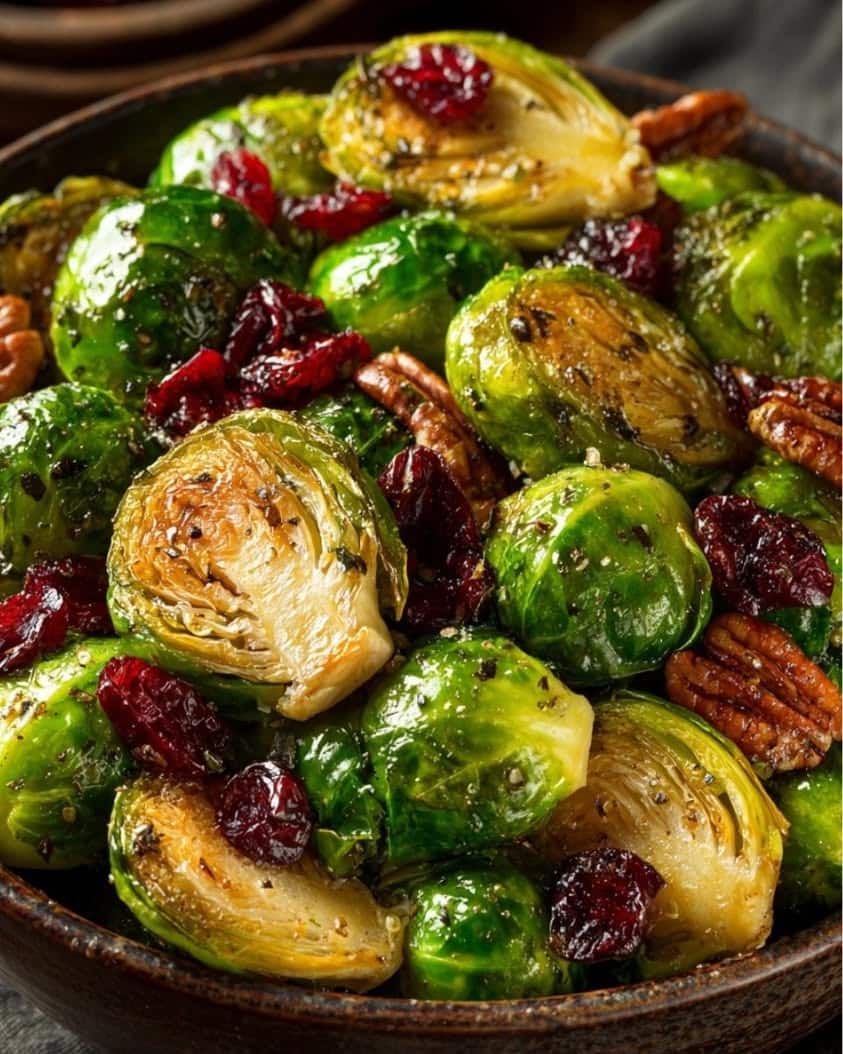
Cranberry Pecan Brussels Sprouts: The Ultimate Sweet and Savory Holiday Side Dish
These Cranberry Pecan Brussels Sprouts will completely transform your perception of this humble vegetable. Imagine tender, caramelized Brussels sprouts roasted to perfection, then tossed with sweet dried cranberries and crunchy toasted pecans. This dish delivers an incredible symphony of flavors and textures that will have everyone asking for seconds. Furthermore, it brings a festive pop of color to your holiday table with its beautiful green, red, and brown hues.
This recipe stands out as the perfect easy holiday side dish because it requires minimal hands-on effort. You simply toss the ingredients and let the oven do the work. Consequently, you free up valuable stovetop space for other meal components. The result is a sophisticated, crowd-pleasing vegetable dish that tastes far more complex than its simple preparation suggests. Ultimately, it solves the perennial problem of how to make a vegetable side that feels special enough for a celebration.
Every bite of these Cranberry Pecan Brussels Sprouts offers a delightful contrast. You get the savory, slightly bitter notes from the roasted sprouts balanced by the tart sweetness of the cranberries. Meanwhile, the buttery pecans add a rich, crunchy element that ties everything together. This combination creates a memorable eating experience that complements rich holiday mains like turkey or ham beautifully. Moreover, the dish is naturally gluten-free and can easily be adapted for various dietary preferences.
Quick Recipe Highlights
- Flavor Profile: These Cranberry Pecan Brussels Sprouts deliver a masterful balance of savory, sweet, and nutty notes. The roasted sprouts develop a deep, caramelized flavor that pairs wonderfully with the tart cranberries. Additionally, the pecans contribute a rich, buttery taste that enhances every bite.
- Texture: This dish offers a fantastic textural experience with crisp-tender sprouts, chewy dried cranberries, and crunchy toasted pecans. The roasting process creates delightful crispy edges on the Brussels sprouts while keeping the interiors soft. Consequently, each forkful provides a satisfying contrast that keeps your palate engaged.
- Aroma: As these Cranberry Pecan Brussels Sprouts roast, your kitchen will fill with an irresistible fragrance. You will notice the earthy scent of roasting Brussels sprouts mingling with the sweet aroma of caramelizing cranberries. Furthermore, the toasting pecans release a warm, nutty perfume that signals a truly special dish is coming.
- Visual Appeal: This holiday side dish presents beautifully with its vibrant color palette of deep green sprouts, ruby red cranberries, and golden brown pecans. The glossy, caramelized surface of the vegetables catches the light attractively. Therefore, it adds both visual interest and festive cheer to your dinner table arrangement.
- Skill Level Needed: This recipe requires only basic kitchen skills like chopping and tossing ingredients. Even novice cooks can achieve excellent results by following the simple roasting instructions. Essentially, if you can operate an oven and a baking sheet, you can master this impressive side dish.
- Special Equipment: You need only a standard baking sheet and basic kitchen tools for this recipe. A good chef’s knife helps with trimming the Brussels sprouts efficiently. Otherwise, no specialized equipment is necessary, making this an accessible dish for any home cook.
Recipe Overview
- Difficulty Level: We classify these Cranberry Pecan Brussels Sprouts as easy because the technique involves straightforward roasting. The most complex step is properly preparing the Brussels sprouts by trimming and halving them. Essentially, the oven does most of the work while you attend to other holiday meal preparations. This approach makes it ideal for cooks of all experience levels during busy entertaining seasons.
- Category: This recipe falls squarely into the side dish category, specifically vegetable sides for special occasions. It complements protein-centric main courses like roasted turkey, baked ham, or prime rib exceptionally well. Moreover, it works beautifully as part of a holiday buffet or formal plated dinner service.
- Cuisine: While Brussels sprouts have European origins, this preparation reflects modern American holiday cooking traditions. The combination with cranberries and pecans draws inspiration from classic Thanksgiving flavor profiles. Consequently, it represents a contemporary twist on familiar seasonal ingredients that have become staples in North American festive meals.
- Cost: This holiday side dish offers excellent value, using affordable Brussels sprouts as the base ingredient. Dried cranberries and pecans represent the premium components, but you use them in moderate quantities. Overall, it delivers restaurant-quality presentation and flavor at a fraction of the cost of store-bought prepared sides.
- Season: This recipe shines during the fall and winter holidays when Brussels sprouts are at their peak sweetness. The warming, festive flavors perfectly complement cooler weather dining. Additionally, the ingredients align perfectly with traditional Thanksgiving and Christmas meal planning.
- Occasion: These Cranberry Pecan Brussels Sprouts elevate everyday dinners, but they truly excel at holiday gatherings. They bring special occasion appeal to Thanksgiving, Christmas, Easter, and festive potlucks. Furthermore, they make an impressive contribution to Friendsgiving celebrations and holiday office parties.
Why You’ll Love This Recipe
The taste and texture appeal of these Cranberry Pecan Brussels Sprouts cannot be overstated. Each component contributes something unique to create a harmonious flavor experience. The roasting process transforms the Brussels sprouts, caramelizing their natural sugars and mellowing any bitterness. Meanwhile, the cranberries provide bursts of sweet-tart flavor that cut through the richness. The pecans then add their distinctive crunch and buttery notes, creating a satisfying mouthfeel. This combination ensures that every bite offers complexity and interest that will delight your guests.
Convenience and preparation benefits make this recipe a holiday lifesaver. You can assemble the dish in just fifteen minutes of active prep time before letting the oven take over. This frees you to focus on other meal components or spend time with your guests. The simple tossing method means minimal cleanup compared to more complicated side dishes. Additionally, the ingredients hold up well if you need to prep them slightly in advance. This flexibility makes holiday meal timing significantly less stressful.
Nutritional advantages add to the appeal of this holiday side dish. Brussels sprouts deliver impressive amounts of Vitamin K, Vitamin C, and fiber in each serving. They also contain antioxidants and compounds that support healthy inflammation response. The pecans contribute heart-healthy fats, protein, and additional fiber. Meanwhile, dried cranberries offer antioxidants and a natural sweetness that reduces the need for added sugars. Consequently, this dish provides both indulgence and nourishment during treat-heavy holiday seasons.
Social and entertaining value positions these Cranberry Pecan Brussels Sprouts as a guaranteed crowd-pleaser. The beautiful presentation immediately signals that this is a special occasion dish. The familiar yet elevated flavors appeal to both adventurous and traditional palates. Moreover, the recipe scales easily to accommodate larger gatherings without compromising quality. This reliability gives you confidence when cooking for important events. The dish frequently becomes the surprise hit of holiday meals, sparking conversations and recipe requests.
Cost-effectiveness and accessibility make this recipe practical for regular rotation. Brussels sprouts remain affordable throughout the fall and winter months. While pecans and dried cranberries cost more, you use them strategically as accent ingredients. Most components are readily available at standard supermarkets, eliminating the need for special shopping trips. Compared to pre-made holiday sides from gourmet stores, this homemade version delivers superior flavor at a fraction of the price. This value proposition makes it easy to justify serving this impressive dish throughout the season.
Historical Background and Cultural Significance
The origin story of Brussels sprouts dates back to ancient Rome, but they gained their name from their cultivation near Brussels, Belgium, in the 16th century. They arrived in North America with French settlers in the 18th century but remained relatively uncommon until recent decades. Meanwhile, cranberries hold deep significance for Native American communities, who used them both as food and medicine long before European colonization. The combination of these ingredients with pecans, a native North American nut, represents a truly transatlantic culinary conversation that reflects modern globalized food traditions.
Cultural importance of this dish connects to broader holiday traditions, particularly Thanksgiving. The inclusion of cranberries directly references the traditional cranberry sauce served alongside turkey. Similarly, pecans frequently appear in holiday baking and stuffing recipes. By incorporating these familiar festive flavors with Brussels sprouts, the recipe creates a sense of nostalgic comfort while offering something new. This balancing act between tradition and innovation characterizes contemporary holiday cooking, where families seek both continuity and novelty in their celebratory meals.
Evolution of the recipe reflects changing attitudes toward vegetable preparation. For generations, Brussels sprouts suffered from a reputation as a bitter, overcooked vegetable that many people disliked. The roasting technique popularized in recent years revolutionized their preparation, highlighting their natural sweetness and creating appealing texture. This modern approach, combined with complementary ingredients like cranberries and nuts, has transformed Brussels sprouts from a dreaded side to a celebrated dish. This shift exemplifies how cooking methods can dramatically alter our perception of ingredients.
Regional variations of this concept appear across different culinary traditions. In the American South, you might find Brussels sprouts prepared with pecans and a touch of maple syrup. New England versions sometimes incorporate cranberries in fresh rather than dried form. Mediterranean-inspired interpretations might use pine nuts instead of pecans and currants instead of cranberries. Meanwhile, vegetarian and vegan adaptations have embraced this flavor combination, often adding nutritional yeast or vegan bacon for depth. This versatility demonstrates how a successful flavor profile can adapt to different regional ingredients and dietary preferences.
Ingredient Deep Dive
Brussels sprouts form the foundation of this holiday side dish, offering both substance and nutrition. These miniature cabbages belong to the Brassica family, sharing lineage with kale, broccoli, and cauliflower. They developed their name from their association with Brussels, Belgium, where they became popular in the 16th century. Nutritionally, they deliver impressive amounts of Vitamin K, Vitamin C, and folate while being low in calories. When selecting Brussels sprouts, look for firm, bright green heads without yellowing leaves or significant blemishes. Store them unwashed in your refrigerator’s crisper drawer, where they will keep for about a week. For best results, choose sprouts of similar size to ensure even cooking.
Dried cranberries contribute the sweet-tart element that makes these Cranberry Pecan Brussels Sprouts so memorable. Unlike fresh cranberries, which are intensely tart, dried cranberries typically have added sweeteners that balance their natural acidity. Historically, cranberries were one of the few fruits native to North America that early colonists incorporated into their cooking. They provide antioxidants called proanthocyanidins, which support urinary tract health. When purchasing dried cranberries, check the ingredient list for added sugars if that concerns you. Store them in a cool, dark place in an airtight container. As a substitution, you could use dried cherries, chopped dried apricots, or even golden raisins for a different flavor profile.
Pecans deliver the satisfying crunch and rich flavor that completes this dish. These native North American nuts have been foraged and cultivated for centuries, with commercial production centered in the southern United States. They contain heart-healthy monounsaturated fats and various minerals including manganese and copper. Their buttery texture and flavor make them ideal for both sweet and savory applications. When selecting pecans, look for plump, uniform pieces without dark spots or signs of oiliness, which indicates aging. Store them in an airtight container in the refrigerator or freezer to prevent rancidity. For substitutions, walnuts offer a similar texture with a slightly more bitter note, while toasted almonds would provide a different but complementary crunch.
Olive oil serves as the cooking medium that facilitates roasting and helps develop flavor. Extra virgin olive oil brings its own fruity, peppery notes that enhance the other ingredients. Olive oil cultivation dates back thousands of years to Mediterranean civilizations, where it became a dietary staple. It contains monounsaturated fats and antioxidants that offer various health benefits. When making this recipe, use a good quality extra virgin olive oil for the best flavor. As alternatives, avocado oil works well for its high smoke point, while melted butter would add rich flavor for non-vegan versions. Proper storage in a cool, dark place protects olive oil from oxidation.
Seasonings like salt, pepper, and optional maple syrup complete the flavor profile of these Cranberry Pecan Brussels Sprouts. Salt enhances natural flavors while pepper adds subtle heat and complexity. Maple syrup, if using, contributes another layer of sweetness that complements the cranberries and balances the sprouts’ slight bitterness. Pure maple syrup comes from the sap of maple trees, a tradition originating with Indigenous peoples of North America. When selecting maple syrup, choose grade A for its lighter flavor that won’t overpower the dish. For alternatives, honey or brown sugar can provide similar sweetening effects. Proper seasoning adjustment throughout the cooking process ensures a perfectly balanced final dish.
Common Mistakes to Avoid
- Overcrowding the baking sheet prevents proper browning and creates steamed rather than roasted sprouts. Always ensure your Brussels sprouts have space between them on the pan. Otherwise, they release too much moisture and fail to develop those desirable caramelized edges.
- Using stale pecans that have lost their freshness can introduce off-flavors to your dish. Always taste your nuts before adding them to ensure they haven’t turned rancid. Furthermore, toasting them separately guarantees optimal flavor and crunch.
- Neglecting to trim the Brussels sprouts properly results in uneven cooking and tough stems. Take time to remove any discolored outer leaves and slice off the dry stem ends. Additionally, cutting larger sprouts in half ensures they cook through at the same rate as smaller ones.
- Adding the cranberries too early causes them to burn and become bitter in the high oven heat. Always incorporate them after the Brussels sprouts have mostly cooked. This timing preserves their chewy texture and bright flavor.
- Underseasoning is a common issue that leaves the dish tasting flat. Remember that vegetables need generous seasoning to shine. Season in layers, starting with the oiled sprouts before roasting and adjusting again before serving.
- Skipping the pecans’ toasting step diminishes their flavor and texture impact. Toasting nuts transforms them, deepening their taste and improving their crunch. This simple extra step makes a significant difference in the final dish.
- Using the wrong oven temperature can sabotage your results. Too low, and the sprouts steam rather than roast; too high, and they burn outside before cooking inside. The recommended temperature provides the ideal balance for caramelization.
- Not drying the Brussels sprouts after washing leaves excess moisture that inhibits browning. Always pat them thoroughly dry with kitchen towels before oiling and seasoning. This step ensures proper roasting rather than steaming.
- Forgetting to toss the sprouts halfway through cooking leads to uneven browning. Use a thin spatula to gently turn and redistribute them on the baking sheet. This simple action ensures all sides develop beautiful color.
- Serving the dish immediately from the oven misses the opportunity for flavors to meld. Letting it rest for five minutes allows the ingredients to integrate properly. This brief waiting period improves both flavor and serving temperature.
Essential Techniques
Proper trimming and halving of Brussels sprouts ensures even cooking and optimal texture. Begin by removing any loose or discolored outer leaves, which can taste bitter and cook unevenly. Then slice off the dry stem end, being careful not to remove too much and cause the leaves to separate completely. For larger sprouts, cut them in half vertically through the stem end; smaller ones can remain whole. This technique creates more surface area for browning while ensuring the dense cores cook through. The visual cue for proper preparation is uniform pieces with flat cut sides that will make contact with the baking sheet.
Even oil coating is crucial for achieving properly roasted Brussels sprouts with caramelized surfaces. Place your prepared sprouts in a large bowl and drizzle with oil, then use your hands to toss thoroughly until every piece glistens. The oil acts as both a cooking medium and flavor conductor, helping the seasonings adhere and promoting browning. Avoid adding too much oil, which can make the sprouts greasy rather than crisp. The perfect coating leaves each sprout lightly filmed without pooling oil in the bottom of the bowl. This technique ensures maximum surface contact for the Maillard reaction that creates complex roasted flavors.
Toasting pecans separately elevates their flavor and texture contribution to the final dish. Spread raw pecan pieces in a single layer on a dry baking sheet and toast at 350°F for 5-8 minutes until fragrant. Watch carefully during the last few minutes as nuts can burn quickly. The toasting process drives off moisture and transforms the nuts’ oils, creating a deeper, richer flavor and crisper texture. The visual cues include slight darkening and a shiny appearance as the oils surface. Always toast nuts separately rather than with the sprouts to prevent burning from different cooking times.
Strategic ingredient addition timing preserves each component’s ideal texture and flavor. Roast the Brussels sprouts first until nearly tender and nicely browned before adding the more delicate cranberries and pre-toasted pecans. This staggered approach prevents the cranberries from burning and the pecans from becoming bitter from extended high heat. The technique recognizes that different ingredients have different optimal cooking times and temperature tolerances. The visual cue for adding the remaining ingredients is when the sprouts have developed golden brown spots and yield slightly to knife pressure at their thickest part.
Pro Tips for Perfect Cranberry Pecan Brussels Sprouts
Select similarly sized Brussels sprouts to ensure even cooking throughout the dish. When shopping, look for sprouts that are roughly the same diameter, preferably on the smaller to medium side. Larger sprouts often have denser cores that require longer cooking times. If you have varying sizes, cut the larger ones into quarters and halve the medium ones while leaving the smallest whole. This adjustment guarantees that all pieces reach perfect tenderness simultaneously without some becoming mushy while others remain undercooked.
Preheat your baking sheet in the oven for extra crispy results. Place your empty baking sheet in the oven as it preheats so it’s hot when you add the oiled sprouts. The immediate contact with a hot surface jumpstarts the browning process on the cut sides of the sprouts. This restaurant technique creates superior caramelization and texture compared to starting with a room temperature pan. Use oven mitts when handling the hot sheet, and work quickly but safely when arranging the sprouts.
Resist the urge to stir the sprouts too frequently during roasting. Let them cook undisturbed for the first 15-20 minutes to develop those desirable browned, crispy edges. Constant stirring prevents proper caramelization by interrupting contact with the hot pan surface. Instead, give them one good toss halfway through the cooking time to ensure even browning on multiple sides. This approach yields the ideal combination of tender interiors and crispy exteriors that makes roasted vegetables so appealing.
Add a splash of acidity at the end to brighten all the flavors. Just before serving, consider drizzling with a teaspoon of balsamic vinegar or a squeeze of fresh lemon juice. The acidity cuts through the richness of the oil and nuts while enhancing the natural sweetness of the roasted sprouts and cranberries. This simple finishing touch elevates the dish from very good to exceptional by providing another layer of flavor complexity. Taste after adding to ensure the balance suits your preference.
Toast extra pecans to have on hand for garnish and adjusting texture. While the recipe specifies a certain amount, toasting a slightly larger quantity gives you flexibility. You can reserve some to sprinkle over the top just before serving for maximum visual impact and crunch contrast. Extra toasted nuts also allow guests to add more according to their preference. Store any leftover toasted pecans in an airtight container for future salads or snacks.
Consider roasting the Brussels sprouts with aromatics for added depth. Toss a few unpeeled garlic cloves or shallot slices with the sprouts before roasting. These aromatics mellow and sweeten during cooking, then you can either leave them in for serving or mash them into the dressing. This technique builds additional flavor layers without complicating the preparation process. The roasted garlic becomes spreadable and subtly perfumes the entire dish.
Variations and Adaptations
Regional variations allow you to tailor these Cranberry Pecan Brussels Sprouts to different culinary traditions. A Southern adaptation might include a drizzle of maple syrup and crumbled bacon for sweetness and smokiness. Mediterranean-inspired versions could feature toasted pine nuts instead of pecans and dried currants rather than cranberries. For an Asian twist, toss the roasted sprouts with a sesame-soy glaze and garnish with toasted sesame seeds. Latin American flavors might incorporate a sprinkle of chili powder and lime juice for heat and acidity. These regional adaptations demonstrate the versatility of the basic roasting technique while honoring different flavor profiles.
Seasonal adaptations keep this dish exciting throughout the year while using peak ingredients. During summer, consider adding fresh cherries instead of dried cranberries and toasted almonds instead of pecans. Spring versions might incorporate fresh peas and mint along with the roasted sprouts for a brighter profile. Autumn adaptations could include roasted cubed squash or sweet potatoes alongside the Brussels sprouts. Winter variations might feature pomegranate arils instead of cranberries for their jewel-like appearance and burst of flavor. These seasonal twists ensure the dish never feels repetitive while celebrating the best of each season’s produce.
Dietary modifications make these Cranberry Pecan Brussels Sprouts accessible to various eating preferences. For vegan versions, ensure you’re using vegan-friendly dried cranberries without honey coating. AIP (Autoimmune Protocol) adaptations might use coconut oil instead of olive oil and omit nightshade-based seasonings. Low-carb and keto versions can reduce the number of cranberries or use sugar-free dried cranberries. For nut allergies, substitute toasted pumpkin or sunflower seeds for the pecans. These thoughtful modifications ensure everyone can enjoy this festive side dish regardless of dietary restrictions.
Flavor variations let you customize the taste profile to complement different main courses. For serving with poultry, enhance the herb notes with fresh thyme or rosemary during roasting. When pairing with pork, add a touch of apple cider vinegar and mustard to the dressing. For beef dinners, incorporate roasted mushrooms and a dash of Worcestershire sauce. Seafood meals might benefit from lemon zest and fresh dweed in the final toss. These flavor adjustments create harmonious pairings that elevate the entire meal experience.
Texture modifications allow you to emphasize different mouthfeel elements according to preference. For extra crispiness, roast the sprouts at a slightly higher temperature for less time. For softer textures, cover with foil during part of the cooking time to steam slightly. Adding crispy fried shallots or garlic chips at the end provides another crunch dimension. Incorporating crumbled goat cheese or feta adds creamy contrast to the roasted vegetables. These texture variations keep the dish interesting across multiple servings and occasions.
Presentation alternatives offer creative ways to serve these Cranberry Pecan Brussels Sprouts for different settings. For family-style serving, transfer to a beautiful platter and garnish with fresh herbs. Individual portions can be arranged in small bowls or on salad plates for formal dinners. For buffet service, keep the dish warm in a chafing dish with the pecans and cranberries sprinkled on top. Deconstructed versions might feature the components arranged separately for a modern plating approach. These presentation options adapt the dish to various entertaining scenarios while maintaining its visual appeal.
Serving and Presentation Guide
Plating techniques significantly impact how guests perceive these Cranberry Pecan Brussels Sprouts. For family-style service, choose a shallow, wide bowl or platter that allows the ingredients to spread in an attractive layer. Arrange the sprouts with their cut sides facing up to showcase the caramelized surfaces. Strategically scatter the cranberries and pecans throughout rather than dumping them on top, ensuring each serving gets balanced components. If including garnishes, place them deliberately rather than randomly sprinkling. This thoughtful arrangement makes the dish look professionally prepared while highlighting its beautiful colors and textures.
Garnishing ideas enhance both visual appeal and flavor complexity. Fresh herb sprigs like parsley, thyme, or rosemary add color and fragrance that complement the roasted notes. For special occasions, pomegranate arils provide brilliant red jewels that echo the cranberry flavor. Microgreens or delicate lettuce leaves introduce a fresh, green element that contrasts the roasted vegetables. For non-vegetarian versions, crispy pancetta or bacon bits contribute savory crunch and saltiness. Edible flowers like nasturtiums or pansies create stunning visual impact for holiday meals. These garnishes should complement rather than overwhelm the dish’s existing flavors and textures.
Traditional accompaniments for these Cranberry Pecan Brussels Sprouts include classic holiday proteins and starches. Roasted turkey or baked ham make perfect partners, with the sprouts’ brightness cutting through the richness. Mashed potatoes or sweet potatoes provide comforting starch that balances the vegetables’ texture. Stuffing or dressing shares similar herb notes that create flavor harmony across the meal. Cranberry sauce echoes the fruit element in the sprouts while providing additional tanginess. Gravy can be drizzled sparingly over everything or served on the side according to preference. These traditional pairings create a cohesive holiday meal experience.
Modern serving suggestions expand beyond traditional holiday meals to everyday dining. Serve alongside roasted chicken or pork chops for weeknight dinners that feel special. Add to grain bowls with quinoa or farro for a complete vegetarian meal. Use as a topping for flatbreads or pizzas with goat cheese for a creative lunch option. Incorporate into breakfast or brunch menus alongside eggs and potatoes. Stuff into sandwiches or wraps with turkey and cranberry sauce for seasonal lunches. These contemporary applications demonstrate the dish’s versatility beyond holiday celebrations.
Temperature considerations affect both food safety and eating experience. Serve these Cranberry Pecan Brussels Sprouts warm rather than piping hot to allow the flavors to fully express themselves. If preparing ahead, reheat gently to avoid overcooking the sprouts while warming through properly. For buffet service, use chafing dishes or slow cookers to maintain safe temperatures above 140°F. Room temperature serving works for shorter periods but isn’t recommended beyond two hours for food safety. These temperature guidelines ensure optimal taste and texture while maintaining safety standards.
Portion control tips help balance holiday meals where multiple dishes compete for attention. As a side dish, plan for approximately 1 cup per person when serving 4-6 other dishes. For meals with fewer options, increase to 1½ cups per serving. When the sprouts serve as a main component for vegetarian meals, allocate 2-3 cups per person. For buffet service, estimate that 1½ times the normal amount will be consumed as guests often take larger portions. These portion guidelines prevent waste while ensuring everyone receives adequate servings.
Wine and Beverage Pairing
Wine pairings should complement the sweet, savory, and nutty elements of these Cranberry Pecan Brussels Sprouts. A crisp, acidic white wine like Sauvignon Blanc cuts through the richness while echoing the dish’s brightness. For red wine lovers, a light Pinot Noir with its cherry notes harmonizes with the cranberries without overwhelming the vegetables. Off-dry Riesling provides slight sweetness that mirrors the cranberry element while balancing any bitterness. Sparkling wines like Prosecco or Cava offer cleansing bubbles that refresh the palate between bites. These wine selections enhance rather than compete with the complex flavor profile of the dish.
Non-alcoholic alternatives provide sophisticated options for all guests regardless of drinking preferences. Sparkling apple cider offers autumnal flavors that complement the dish’s sweet and savory notes. Cranberry juice spritzers made with club soda and a squeeze of lime echo the cranberry component while providing refreshment. Herbal teas like peppermint or chamomile served iced make elegant accompaniments that don’t overwhelm the food. Craft ginger ale with its real ginger flavor provides spice that contrasts the dish’s sweetness. These non-alcoholic options ensure every guest enjoys thoughtful beverage pairings.
Coffee and tea pairings work particularly well for holiday brunches or late-afternoon meals. Medium-roast coffee with its balanced acidity and subtle nutty notes complements the toasted pecans beautifully. Chai tea’s warm spices like cinnamon and cardamom echo holiday flavors while standing up to the dish’s robustness. Green tea provides a clean, slightly bitter counterpoint that highlights the sprouts’ caramelized sweetness. Earl Grey’s bergamot notes offer citrusy brightness that cuts through the dish’s richness. These warm beverages create cozy pairings for cooler weather meals.
Temperature considerations for beverages ensure they complement the dining experience properly. White wines and sparkling options should be well-chilled but not ice-cold to allow their aromas to develop. Red wines served slightly below room temperature prevent alcohol from overpowering the food. Non-alcoholic sparkling drinks benefit from thorough chilling to provide refreshing contrast. Coffee and tea should be served at their ideal drinking temperatures rather than scalding hot. These temperature guidelines maximize both beverage enjoyment and food pairing harmony.
Serving suggestions for beverages include presentation details that enhance the overall experience. Consider garnishing wine glasses with seasonal elements like cranberries or rosemary sprigs for festive touch. Use attractive pitchers or dispensers for non-alcoholic options to make them feel special. Offer both regular and decaffeinated coffee and tea options for evening meals. Provide appropriate glassware that complements your table setting while being functional. These serving details contribute to a cohesive, thoughtful dining experience that guests will remember.
Storage and Shelf Life
Storage methods for leftover Cranberry Pecan Brussels Sprouts maintain quality and ensure food safety. Transfer cooled leftovers to an airtight container within two hours of cooking to prevent bacterial growth. Glass containers work well as they don’t absorb odors and allow easy visibility of contents. Separate very large batches into smaller containers to promote rapid cooling throughout. Label containers with the date to track freshness accurately. These proper storage practices preserve both safety and eating quality for future enjoyment.
Temperature requirements dictate refrigeration for leftovers rather than room temperature storage. Always refrigerate at 40°F or below, placing containers in the main body of the refrigerator rather than the door where temperatures fluctuate. For longer storage, freezing works reasonably well, though the texture of the Brussels sprouts will soften upon thawing. Never leave the dish at room temperature for more than two hours total, including initial cooling and subsequent serving time. These temperature guidelines prevent foodborne illness while maintaining quality.
Container recommendations impact how well the leftovers maintain their texture and flavor. Airtight plastic or glass containers with secure lids prevent odor transfer and moisture loss. For freezing, use freezer-specific containers or heavy-duty freezer bags with air pressed out. Avoid storing in the original baking dish covered with foil or plastic wrap, as this provides inadequate protection. Glass containers with locking lids offer the best visibility and protection for refrigerated leftovers. Proper container selection significantly extends the enjoyable life of your leftovers.
Signs of spoilage include off odors, visible mold, slimy texture, or significant discoloration. Freshly cooked Cranberry Pecan Brussels Sprouts should have a pleasant, slightly sweet aroma from roasting. Any sour, alcoholic, or otherwise unpleasant smells indicate spoilage. The sprouts should maintain their structure rather than becoming mushy or slimy. Normal color changes include slight darkening, but significant browning or black spots suggest deterioration. When in doubt, follow the principle: when in doubt, throw it out, as food safety outweighs potential waste concerns.
Reheating instructions help restore the dish’s appeal while maintaining food safety. For best results, reheat in an oven or toaster oven at 350°F until warmed through, which helps restore some crispness. Microwave reheating works quickly but creates steam that softens textures; use a paper towel to absorb excess moisture. Always reheat to an internal temperature of 165°F as measured with a food thermometer. Consider refreshing with additional toasted pecans or cranberries after reheating to restore textural contrast. These reheating methods balance convenience with quality restoration.
Freezing guidelines allow longer preservation with some texture compromise. Freeze cooled leftovers in airtight containers or freezer bags for up to three months. The Brussels sprouts will become softer upon thawing but remain flavorful. Consider slightly undercooking the sprouts if planning to freeze, as they will cook further during reheating. Thaw overnight in the refrigerator before reheating rather than at room temperature. For best results, use frozen leftovers in soups, casseroles, or blended preparations where texture matters less. These freezing approaches extend usability while managing expectations about quality changes.
Make Ahead Strategies
Prep timeline options provide flexibility for busy holiday schedules. You can wash, trim, and halve the Brussels sprouts up to two days in advance; store them in a sealed container with paper towels to absorb moisture. Toast the pecans up to one week ahead and keep them at room temperature in an airtight container. Measure the dried cranberries and other seasonings the day before to streamline final preparation. The complete dish can be assembled and refrigerated for up to 24 hours before baking, though the sprouts may darken slightly. These timeline options distribute the work load leading up to your event.
Storage between steps maintains ingredient quality during advanced preparation. Keep prepped Brussels sprouts in the refrigerator in a bowl covered with damp paper towels or in a produce bag. Store toasted nuts in airtight containers at cool room temperature away from light to prevent rancidity. Pre-measured dry ingredients can be combined in small containers or bags. If assembling the entire dish ahead, cover tightly with plastic wrap pressed directly against the surface to minimize oxidation. These storage methods preserve freshness and flavor during the make-ahead period.
Quality impact assessment helps manage expectations for make-ahead versions. Brussels sprouts may darken slightly at cut edges when prepped in advance, which doesn’t affect flavor but may slightly impact appearance. Toasted nuts maintain their flavor well but may lose some crispness over days; briefly re-toasting restores texture. The cranberries suffer no quality loss from advance preparation. Fully assembled and refrigerated dishes may require slightly longer cooking times and might not brown quite as deeply. Understanding these minor impacts helps you decide which make-ahead approaches work for your standards.
Assembly tips for make-ahead preparation optimize the final result. When assembling completely ahead, layer the ingredients with the sprouts on bottom and cranberries/nuts on top to prevent sogginess. Add a teaspoon of lemon juice to the sprouts to help minimize discoloration during storage. Use a glass or ceramic baking dish rather than metal if refrigerating the assembled dish, as acidic ingredients can react with metal. Let the refrigerated dish sit at room temperature for 20-30 minutes before baking to promote more even heating. These assembly considerations improve the outcome of make-ahead preparation.
Reheating guidelines for fully prepared make-ahead dishes ensure proper food safety and quality. If baking a refrigerated assembled dish, add 5-10 minutes to the cooking time and check for doneness. For previously cooked leftovers, reheat in a single layer on a baking sheet to restore some crispness rather than in a dense pile. Stir halfway through reheating to ensure even warming throughout. Always check that the internal temperature reaches 165°F for food safety. These reheating methods deliver the best possible results from make-ahead preparations.
Fresh element additions after make-ahead preparation restore vibrancy to the finished dish. Even if you’ve included cranberries before baking, adding a small handful of fresh ones after cooking provides brighter flavor and color contrast. Similarly, reserve some toasted pecans to sprinkle over the top just before serving for maximum crunch impact. Fresh herb garnishes added at service introduce brightness that cooked herbs lose. A final drizzle of high-quality olive oil or a squeeze of citrus just before serving enhances aromas and flavors. These fresh additions compensate for any quality loss during make-ahead preparation.

I’m Shaykee—born in Morocco, seasoned across continents. From airplane galleys to home kitchens, I share the flavors and stories that shaped my journey.