
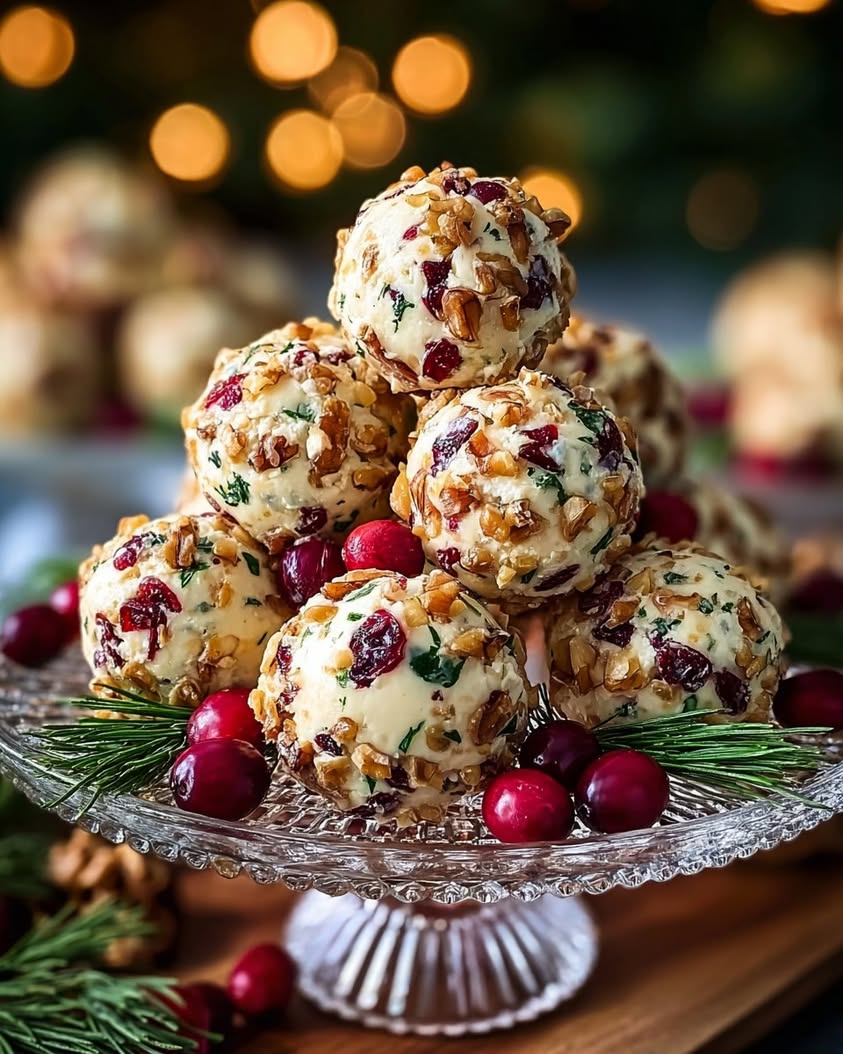
Cranberry Walnut Cheese Balls: Your New Go-To Holiday Appetizer
Imagine a holiday table filled with vibrant dishes, but one appetizer consistently steals the show. These creamy, festive Cranberry Walnut Cheese Balls are that standout dish. They combine rich, tangy cream cheese with the sweet-tart punch of dried cranberries and the earthy crunch of walnuts. Consequently, every bite delivers a perfect harmony of textures and flavors that will have your guests coming back for more. This recipe is not just food; it is an experience that embodies the warmth and joy of the season.
Furthermore, this easy holiday appetizer requires absolutely no cooking, making it a lifesaver during the busy festive period. You simply mix, shape, and chill. In fact, you can prepare these cheese balls days in advance, allowing the flavors to meld beautifully. Ultimately, this is the perfect party food for any gathering, from an intimate family dinner to a large Christmas cocktail party. Your guests will rave about this stunning and delicious centerpiece for your appetizer spread.
The visual appeal of these Cranberry Walnut Cheese Balls is undeniable. Their snowy white interior, speckled with red cranberries, rolled in a rustic coating of more cranberries and walnuts, creates a festive look that screams celebration. They are as beautiful as they are tasty. Moreover, this recipe is incredibly versatile. You can easily adjust the ingredients to suit different dietary needs or personal preferences. For instance, you can use different nuts or dried fruits. Therefore, this recipe is a reliable foundation for endless culinary creativity.
Quick Recipe Highlights
- Flavor Profile: These cheese balls offer a masterful balance of flavors. The rich, tangy cream cheese base is perfectly complemented by the sweet and tart dried cranberries. Meanwhile, the toasted walnuts add a deep, earthy, and slightly bitter note that rounds out the entire experience, creating a complex and satisfying taste.
- Texture: The texture is a delightful play of contrasts. You get the smooth, creamy, and spreadable consistency of the cheese mixture. This is interrupted by the pleasant chewiness of the cranberries and the satisfying, crunchy bite of the chopped walnuts. Ultimately, this combination makes for a very interesting and enjoyable mouthfeel.
- Aroma: The aroma is subtle yet inviting. The primary scent is the fresh, milky fragrance of high-quality cream cheese. This is enhanced by the warm, toasty notes from the walnuts and a faint, fruity sweetness from the cranberries. The overall scent is creamy, nutty, and mildly sweet.
- Visual Appeal: These cheese balls are a feast for the eyes. The bright red cranberries and the deep brown walnuts create a beautiful, confetti-like coating against the white cheese background. This color combination is inherently festive, making them look like a gourmet treat you would find in a specialty shop.
- Skill Level Needed: This recipe is perfect for absolute beginners. There are no advanced techniques required; it is a simple process of mixing ingredients in a bowl and shaping them with your hands. Consequently, even someone who has never cooked before can achieve perfect results with this easy party food.
- Special Equipment: You need almost no special equipment. A standard mixing bowl, a sturdy spoon or spatula, and some plastic wrap are all that is required. A hand mixer can make the mixing process quicker and easier, but it is not at all necessary for success.
Recipe Overview
- Difficulty Level: This recipe is classified as easy because it involves no cooking, baking, or complex techniques. The steps are straightforward: softening cheese, mixing ingredients, and shaping balls. There is no risk of undercooking or overcooking. Therefore, it is an almost foolproof recipe that guarantees success for cooks of all levels, making it a very accessible holiday appetizer.
- Category: This dish falls squarely into the appetizer and snack category. It is designed to be served at the beginning of a meal or as a part of a larger party spread. It is also a fantastic addition to a charcuterie board. Its rich and flavorful profile makes it an ideal starter to wake up the palate before the main course.
- Cuisine: While the cheese ball is a classic American party food, the flavors here are versatile. The use of cream cheese is a staple in American dips and spreads. However, the combination of nuts and fruit has roots in many European culinary traditions. Ultimately, it is a modern American classic perfect for contemporary holiday entertaining.
- Cost: This is a very cost-effective recipe to prepare. Cream cheese is an inexpensive dairy product, and dried cranberries and walnuts are affordable, especially when purchased in bulk. The entire recipe uses common pantry staples. Therefore, you can create an impressive and gourmet-looking appetizer for a fraction of the cost of store-bought equivalents.
- Season: This recipe is perfectly suited for the fall and winter seasons, particularly around the holidays. The ingredients evoke a sense of warmth and celebration. The cranberries are a quintessential winter fruit, and the rich, creamy texture is comforting in colder weather. It is the ultimate Christmas appetizer but can be enjoyed from October through February.
- Occasion: These cheese balls are perfect for any festive occasion. They are a natural fit for Christmas Eve dinners, Thanksgiving feasts, and New Year’s Eve parties. They also work wonderfully for potlucks, office parties, and casual game-day gatherings. Essentially, any event that calls for easy, crowd-pleasing food is the right occasion for this recipe.
Why You’ll Love This Recipe
You will adore the incredible taste and texture of these Cranberry Walnut Cheese Balls. The moment you take a bite, your palate is greeted by the luxurious, creamy base of the cheese. Immediately following, you experience the burst of sweet and tart flavor from the cranberries. Finally, the crunchy, earthy walnuts provide a satisfying finish. This symphony of flavors and textures is both sophisticated and comforting. It is a combination that appeals to both adults and children, making it a universally loved dish for your holiday table.
The convenience factor of this easy holiday appetizer cannot be overstated. During the hectic holiday season, time is your most precious commodity. This recipe gives you an impressive dish without demanding hours in the kitchen. There is no need to preheat an oven or dirty multiple pans. You simply mix a few ingredients together and let the refrigerator do the rest of the work. This simplicity is a gift, allowing you to focus on your guests and other meal preparations.
From a nutritional standpoint, this party food offers some surprising benefits. Walnuts are a fantastic source of omega-3 fatty acids, which are great for heart and brain health. Cranberries are packed with antioxidants and vitamin C. While cream cheese is indulgent, using it in moderation as part of an appetizer allows for a balanced approach to holiday eating. You can feel good about serving a treat that has some hidden nutritional value alongside its incredible flavor.
The social and entertaining value of this dish is immense. A beautifully presented cheese ball acts as a centerpiece that encourages gathering and conversation. It is a shareable, interactive food that people can enjoy while mingling. Placing it on a board with crackers, bread, and fresh fruit creates an inviting snack station. This setup becomes a natural hub for party guests. Consequently, it not only feeds people but also enhances the overall festive atmosphere of your event.
Finally, the cost-effectiveness and accessibility of this recipe are major wins. The ingredients are easy to find at any grocery store and are relatively inexpensive, especially when compared to pre-made gourmet appetizers. You can create a dish that looks and tastes luxurious without a luxurious price tag. Furthermore, because the recipe is so simple, you do not need any special culinary skills or equipment. This accessibility ensures that anyone can create a show-stopping holiday appetizer with ease and confidence.
Historical Background and Cultural Significance
The origin of the cheese ball is deeply rooted in American culinary history, particularly from the mid-20th century. During the 1940s and 1950s, processed cream cheese became widely available and affordable for the average household. Hostesses were constantly looking for elegant yet simple dishes to serve at parties and bridge clubs. Consequently, the cheese ball emerged as a perfect solution. It was a way to transform simple, shelf-stable ingredients into a sophisticated-looking centerpiece for any entertaining spread. These early versions often featured sharp cheddar cheese and nuts.
The cultural importance of the cheese ball is tied to its role in American entertaining. It symbolizes hospitality, celebration, and communal eating. For decades, it has been a staple at holiday parties, family gatherings, and potlucks across the country. Its presence on a table signals a festive occasion. The act of guests gathering around a cheese ball, spreading it on crackers, and chatting is a classic social ritual. Therefore, it is more than just a recipe; it is a piece of American social fabric that represents warmth and generosity.
The evolution of the cheese ball recipe has been remarkable. The basic concept of cheese mixed with binders and coated in nuts has remained constant. However, the flavor profiles have expanded dramatically from the simple cheddar and pecan version. Modern recipes, like this Cranberry Walnut Cheese Ball, incorporate a wider range of ingredients such as dried fruits, fresh herbs, spices, and different types of cheeses. This evolution reflects broader culinary trends towards more complex flavors and visually appealing, Instagram-worthy dishes. The classic appetizer has been updated for the contemporary palate.
Regional variations of the cheese ball abound throughout the United States. In the South, you might find a pimento cheese ball, while on the West Coast, versions with sun-dried tomatoes and basil are popular. In the Midwest, a simple beef and cheese ball is a common find. The Cranberry Walnut variation has a particularly strong association with the Northeast and holiday seasons, where cranberries are a major agricultural product. This adaptability is a testament to the recipe’s foundational strength. It provides a perfect canvas for incorporating local and seasonal flavors.
Ingredient Deep Dive
Let us start with cream cheese, the foundation of our cheese balls. Culturally, cream cheese was popularized in the United States by brands like Philadelphia in the late 19th century. It quickly became a staple for desserts and spreads due to its mild flavor and smooth, spreadable texture. Nutritionally, it provides protein and calcium, though it is also high in fat. When selecting cream cheese, always choose the brick-style, full-fat version for the best texture and flavor. For storage, keep it refrigerated and use it by the expiration date. For a substitution, you can use Neufchâtel cheese for a slightly lower fat content, but avoid whipped or tub-style cream cheese as they contain more air and water.
Next, consider the dried cranberries. Historically, cranberries are one of North America’s native fruits, used by Indigenous peoples for food and medicine long before the first Thanksgiving. Their bright, tart flavor is iconic in American holiday cooking. Nutritionally, they are a good source of fiber, vitamin C, and various antioxidants. When purchasing dried cranberries, check the label, as many brands add significant sugar; you can often find unsweetened or fruit-juice-sweetened varieties. They store for months in a cool, dark pantry. For a substitution, dried cherries would be the closest match, offering a similar sweet-tart profile, or you could use chopped dried apricots for a different flavor.
Finally, we have the walnuts. Walnuts are one of the oldest tree foods, cultivated for thousands of years and revered in many ancient cultures for their brain-like shape. They were traded along the Silk Road and have been a valued ingredient globally. Nutritionally, they are a powerhouse, providing a significant amount of plant-based omega-3 fatty acids, which are excellent for heart and cognitive health. They are also a good source of protein and minerals like manganese. For the best flavor, always buy raw walnuts and toast them yourself just before using. Store walnuts in an airtight container in the refrigerator or freezer to prevent their oils from going rancid. For a substitution, pecans are an excellent alternative, offering a similar buttery, rich flavor and crunchy texture.
Common Mistakes to Avoid
- Using Cold Cream Cheese: One of the most common errors is trying to mix the ingredients with cold, hard cream cheese. This results in a lumpy, difficult-to-mix base that will not hold the cranberries and walnuts properly. Always ensure your cream cheese has softened at room temperature for at least 30-60 minutes before you begin.
- Skipping the Toasting Step for Walnuts: Using raw walnuts is a missed opportunity for flavor. Raw nuts can taste somewhat bland and grassy. Toasting the walnuts in a dry skillet for a few minutes unlocks their deep, earthy, and aromatic oils. This simple step dramatically enhances the overall flavor profile of your cheese balls.
- Overmixing the Cheese: While you want the ingredients to be well incorporated, overmixing the cream cheese can cause it to become too soft and greasy. This happens when the fat in the cheese breaks down from too much agitation. Mix just until everything is combined for the best, creamiest texture.
- Not Chilling Before Shaping: If you try to shape the cheese mixture immediately after mixing, it will be too soft and sticky. It is much harder to form into neat balls. Always chill the mixed base for about 20-30 minutes first. This firms it up, making the shaping process clean and easy.
- Forgetting to Season: Cream cheese and the other ingredients need a flavor boost. Forgetting to add a pinch of salt can make the entire cheese ball taste flat. Even a small amount of salt is crucial for balancing the sweetness of the cranberries and the richness of the cheese and nuts.
- Using a Blender or Food Processor: While it might seem like a time-saver, using a blender or food processor to mix the ingredients can quickly overwork the cheese. It will become thin and almost liquid. For the perfect texture, stick to mixing by hand with a spatula or using a hand mixer on low speed.
- Rushing the Final Chill: The final chilling period after the cheese balls are shaped and coated is not optional. This step allows the balls to firm up completely, making them easy to slice and spread. Serving them too soon will result in a messy presentation. Patience here is key to a perfect result.
Essential Techniques
Softening cream cheese correctly is the first essential technique. The goal is to get the cheese to a cool room temperature where it is pliable but not warm or oily. Leaving the sealed brick on your counter for 30 to 60 minutes is the best method. Do not try to microwave it, as this can create hot spots that melt the cheese unevenly and ruin its emulsion. Properly softened cheese will blend smoothly with other ingredients, creating a lump-free, creamy base that is perfect for holding your mix-ins.
Toasting nuts is a simple technique that elevates the entire dish. Place raw walnut pieces in a single layer in a dry skillet over medium heat. Cook them for 3-5 minutes, stirring frequently, until they become fragrant and take on a slightly darker color. The visual cue for success is a golden-brown hue and a rich, nutty aroma. The common pitfall is walking away, as they can burn in seconds. Toasting deepens the flavor of the walnuts, making them more complex and crunchy, which provides a wonderful contrast to the creamy cheese.
The mixing technique is crucial for texture. Use a sturdy spatula or a hand mixer on low speed to combine the softened cream cheese with the other ingredients. The key is to mix just until everything is uniformly distributed. Overmixing is the primary pitfall here; it incorporates too much air and can cause the fat to separate, leading to a greasy texture. The visual cue for success is a homogenous mixture where the cranberries and walnuts are evenly scattered. Stop as soon as you achieve this for the best possible consistency.
Pro Tips for Perfect Cranberry Walnut Cheese Balls
For an extra flavor dimension, add a tablespoon of maple syrup or honey to the cheese mixture. This will enhance the natural sweetness of the cranberries and complement the earthy walnuts beautifully.
Use a small ice cream scoop to portion the cheese mixture before rolling it into balls. This ensures that your cheese balls are uniform in size, which looks more professional and ensures even chilling.
Get creative with your coating. While the classic cranberry and walnut mix is perfect, you can also roll the balls in chopped parsley, toasted pecans, or even everything bagel seasoning for a savory twist.
For a smoother rolling process, lightly dampen your hands with water before shaping the cheese balls. This prevents the sticky mixture from clinging to your palms.
If you are making a large batch, consider creating one large, impressive cheese ball wreath. Simply form the mixture into a log and connect the ends on a serving platter, then decorate with rosemary sprigs for a festive holiday look.
Always taste your mixture before chilling. This is your chance to adjust the seasoning. You might want to add a little more black pepper or a pinch of garlic powder for complexity.
Let the cheese balls sit at room temperature for 15-20 minutes before serving. This allows them to soften slightly, making them easier to spread onto crackers or slices of baguette.
Variations and Adaptations
For regional variations, you can take this basic recipe in countless directions. A Southern-inspired version might include chopped pecans and a bit of bourbon mixed into the cheese. A Mediterranean twist could feature chopped sun-dried tomatoes, kalamata olives, and basil, rolled in pine nuts. For a spicy kick, a Southwest variation with green chiles, cumin, and a coating of crushed pepitas would be delicious. These adaptations show how the cheese ball can be tailored to reflect different culinary traditions and local tastes.
Seasonal adaptations are easy and fun. In the spring, try a version with lemon zest and fresh chives, rolled in chopped pistachios. For summer, incorporate finely chopped apricots and mint, using macadamia nuts for the coating. In the fall, a blend with a pinch of pumpkin pie spice and a coating of candied pecans would be wonderful. This flexibility allows you to serve a cheese ball that feels fresh and appropriate for any time of year, not just the winter holidays.
Dietary modifications are straightforward. For a gluten-free option, simply ensure you serve the cheese ball with gluten-free crackers or vegetable crudités. To make it vegetarian, it already is, just double-check that your cheese is made with microbial rennet. For a lower-fat version, use Neufchâtel cheese or a blend of cream cheese and Greek yogurt. For a nut-free version, replace the walnuts with roasted sunflower seeds or pumpkin seeds for the crunch. This recipe is highly adaptable to meet various dietary needs without sacrificing flavor.
Serving and Presentation Guide
Plating techniques can elevate your cheese balls from simple to stunning. Instead of just placing them on a plain plate, consider a rustic wooden board, a sleek slate slab, or a colorful ceramic platter. Arrange the cheese balls with some space between them to create visual interest. You can also place a small knife next to each ball for easy serving. Using different levels and textures on your serving platter makes the entire presentation more dynamic and appealing to your guests.
Garnishing ideas extend beyond the coating. After placing the cheese balls on your serving dish, tuck in a few fresh rosemary sprigs or thyme branches to add a touch of green and a fresh aroma. You can also scatter a few extra whole cranberries and walnut halves around the plate for a decorative effect. A light drizzle of honey over the top just before serving adds a beautiful gloss and a hint of extra sweetness. These small touches make the dish look professionally crafted.
Traditional accompaniments include a variety of crackers, from plain water crackers to more flavorful options like rosemary or sea salt crackers. Sliced baguette, either plain or lightly toasted, is another classic choice. For a healthier option, provide an array of fresh vegetable crudités such as carrot sticks, cucumber slices, celery, and bell pepper strips. The contrast between the creamy, rich cheese and the crisp, fresh vegetables is delightful and offers your guests a choice.
Wine and Beverage Pairing
Wine pairings for this dish should complement its creamy, tangy, and slightly sweet profile. A crisp, off-dry white wine like a Riesling or Gewürztraminer is an excellent choice. The slight sweetness in these wines balances the tartness of the cranberries and cuts through the richness of the cheese. Alternatively, a sparkling wine like Prosecco or Cava provides a refreshing contrast with its bubbles and acidity. For red wine lovers, a light-bodied, low-tannin Pinot Noir will not overpower the delicate flavors of the cheese ball.
Non-alcoholic alternatives can be just as sophisticated. A sparkling apple cider offers the same festive fizz as champagne with a sweet apple flavor that pairs wonderfully. Iced tea, especially a slightly sweetened black tea with a hint of lemon, provides a refreshing counterpoint. For a more unique option, a cranberry and rosemary spritzer made with club soda, a splash of cranberry juice, and a rosemary sprig garnish mirrors the flavors in the cheese ball itself.
Coffee and tea pairings work well, especially for daytime gatherings. A medium-roast coffee with low acidity complements the nutty and creamy elements without bitterness. For tea, an Earl Grey with its bergamot notes can cut through the richness nicely, or a simple chamomile tea provides a calming, floral balance. Serve these beverages hot to create a cozy, comforting experience that contrasts with the cool, creamy texture of the cheese balls.
Storage and Shelf Life
Proper storage is key to maintaining the quality and safety of your cheese balls. After shaping and coating them, wrap each cheese ball tightly in plastic wrap. Then, place them in an airtight container. This double layer of protection prevents them from absorbing other odors from your refrigerator and also keeps them from drying out. Always store them in the main body of the refrigerator, not in the door, where the temperature is most consistent and cold.
The shelf life of homemade cheese balls is typically 3 to 5 days when stored correctly in the refrigerator. The primary signs of spoilage to look for are an off or sour smell, a slimy texture on the surface, or any visible mold growth. If you see any of these signs, you must discard the cheese ball immediately. Because this recipe contains dairy, it is perishable, and it is always better to err on the side of caution when it comes to food safety.
Freezing is a great option for longer-term storage. To freeze, form and coat the cheese balls, then place them on a baking sheet lined with parchment paper. Freeze them until solid, which usually takes about 2 hours. Once frozen, transfer them to a heavy-duty freezer bag or an airtight freezer container. They can be stored like this for up to 2 months. To serve, thaw them overnight in the refrigerator. The texture may be slightly less creamy after freezing, but the flavor will still be excellent.
Make Ahead Strategies
This recipe is a dream for make-ahead preparation. You can prepare the entire cheese ball up to 3 days in advance. In fact, making it ahead often improves the flavor, as it gives the ingredients time to meld together. Simply follow the recipe through to the end, including the final coating. Wrap the finished cheese balls tightly in plastic wrap and store them in the refrigerator. This is the ultimate strategy for stress-free holiday entertaining.
For an even more advanced timeline, you can prepare the base mixture and store it separately from the coating. Mix the cream cheese, cranberries, and chopped walnuts together, then place this mixture in an airtight container. Store your coating mixture in a separate bag. This method allows you to prepare the components up to 5 days ahead. When you are ready to serve, simply shape the chilled base into balls and roll them in the coating. This keeps the coating extra fresh and crunchy.
If you need to prepare elements even further in advance, you can toast the walnuts and store them at room temperature in an airtight container for up to two weeks. You can also purchase pre-toasted walnuts to save time. The dried cranberries have a very long shelf life, so you can keep those in your pantry for months. By breaking down the recipe into its components, you can spread the work out over several days, making your party day much more relaxed and enjoyable.
Scaling Instructions
Halving this recipe is very straightforward. Simply divide all the ingredient quantities by two. For example, use one 4-ounce block of cream cheese, a quarter cup of cranberries, and a quarter cup of walnuts. The mixing and shaping process remains exactly the same. This is perfect for a small, intimate dinner for two or three people. The chilling times may be slightly shorter due to the smaller mass, but it is still best to follow the recommended times for the best texture.
Doubling or tripling the recipe is equally simple for feeding a crowd. Multiply all the ingredients by your desired factor. The main consideration when scaling up is the mixing process. If you are making a very large batch, it might be easier to use a stand mixer with the paddle attachment to ensure even mixing without overworking your arms. Also, make sure you have enough space in your refrigerator for all the cheese balls to chill without being squished. You may need to use multiple trays or plates.
When scaling the recipe, equipment adjustments are rarely needed, as no special equipment is required to begin with. However, for a very large batch, you might want to use a larger mixing bowl. Timing modifications are also minimal; the prep time will increase slightly with the volume of ingredients, but not significantly. The chilling times remain the same regardless of batch size. Storage considerations are the main logistical point; ensure you have enough airtight containers or plastic wrap to store all your delicious creations.
Nutritional Deep Dive
From a macronutrient perspective, this dish provides a balance of fats, proteins, and carbohydrates. The primary macronutrient is fat, coming from the cream cheese and walnuts. This fat content is what gives the cheese balls their rich, creamy mouthfeel and helps keep you satiated. The protein comes from both the cream cheese and the walnuts, contributing to muscle maintenance and repair. The carbohydrates are primarily from the dried cranberries, providing a quick source of energy and dietary fiber.
The micronutrient analysis reveals some valuable vitamins and minerals. Walnuts are an excellent source of manganese and copper, which are important for bone health and energy production. They also provide a good amount of magnesium and phosphorus. Cranberries contribute vitamin C, vitamin E, and vitamin K. Cream cheese adds a significant amount of calcium and vitamin A. While this is an indulgent appetizer, it does offer more nutritional complexity than many other party foods.
Health benefits are present, particularly from the walnuts and cranberries. The omega-3 fatty acids in walnuts are known to support heart health by reducing inflammation and improving cholesterol levels. The antioxidants in cranberries, called proanthocyanidins, are famous for supporting urinary tract health and may also benefit the cardiovascular system. Enjoying this cheese ball as part of a balanced diet allows you to indulge while still getting some functional health benefits from the whole food ingredients.
Dietary Adaptations
For a gluten-free version, this recipe is naturally gluten-free as written. The only potential source of gluten would be in the serving accompaniments. Therefore, simply ensure that you serve your cheese balls with gluten-free crackers, gluten-free bread, or vegetable crudités. Many popular cracker brands now offer excellent gluten-free options made from seeds, rice, or corn. This is one of the easiest adaptations to make this dish safe for those with celiac disease or gluten sensitivity.
Creating a dairy-free or vegan version requires a few smart substitutions. Replace the cream cheese with a high-quality, firm vegan cream cheese alternative. Many brands made from cashews or almonds work very well. Be sure to also check that your dried cranberries are vegan, as some are processed with animal-derived sugar. The walnuts remain the same. The process is identical: soften the vegan cream cheese, mix in the other ingredients, and chill. The result is a plant-based appetizer that everyone can enjoy.
For a low-carb or keto adaptation, the main adjustment is with the cranberries. Dried cranberries are high in sugar and carbohydrates. You can substitute them with a lower-carb dried fruit like chopped, unsweetened dried apricots in moderation, or even use a small amount of sugar-free dried cranberries if you can find them. Alternatively, you could use finely chopped olives or sun-dried tomatoes for a savory twist. Serve with low-carb vegetable dippers like cucumber, celery, and bell peppers instead of crackers.
Troubleshooting Guide
If your cheese mixture is too soft and won’t hold its shape, the issue is likely that the cream cheese was too warm or was overmixed. The solution is to chill the mixture for a longer period, at least 45-60 minutes, before attempting to shape it. If it is still too soft, you can gently knead in a tablespoon of finely grated Parmesan cheese, which will absorb some moisture and help firm up the mixture without altering the flavor significantly.
If the flavor seems flat or bland, you probably forgot the salt. Even a small amount is crucial for balancing the other flavors. To fix this, you can try mixing in a quarter teaspoon of salt and a squeeze of fresh lemon juice to brighten it up. Taste and adjust. If the mixture is already shaped, you can often save it by rolling the outside in a coating that has added seasoning, like a mix of nuts, salt, and a little black pepper.
If your coating is not sticking to the cheese balls, the surface of the cheese mixture might be too dry or too cold. To fix this, let the shaped balls sit at room temperature for just a few minutes to become slightly tacky. You can also very lightly dampen the outside of the ball with water or a tiny bit of cream cheese smeared on your hands before rolling it in the coating. This creates a sticky surface that the nuts and cranberries will adhere to.
Recipe Success Stories
Community feedback on this recipe has been overwhelmingly positive. Many home cooks report that it has become a non-negotiable part of their holiday tradition. One reader shared that her family now requests a double batch every Thanksgiving because her nieces and nephews devour it. Another mentioned that she brought it to her office potluck and received three requests for the recipe before she even finished setting it down. These stories highlight how this simple dish can become a beloved staple.
Variation successes from readers are always inspiring. One creative cook added a tablespoon of orange zest to the mixture, which she said brightened the entire flavor profile beautifully. Another substituted half the walnuts with chopped pistachios for a green and red Christmas color scheme. A third reader, who needed a nut-free version, used a combination of toasted pumpkin seeds and rolled oats for the coating and said it was a huge hit. These adaptations show the recipe’s wonderful flexibility.
Reader suggestions have also helped improve the recipe over time. One common tip is to add a small amount of finely minced shallot for a subtle savory depth. Another is to use a combination of dried cranberries and dried cherries for a more complex fruit flavor. Several readers have suggested serving it with apple slices as well as crackers, which provides a lovely fresh, sweet contrast. Incorporating these community-driven ideas can make your version of the recipe even more special and tailored to your taste.
Frequently Asked Questions
Can I use fresh cranberries instead of dried? No, I do not recommend using fresh cranberries in this particular recipe. Fresh cranberries have a very high water content and are extremely tart, which would make the cheese mixture watery and unpleasantly sour. Dried cranberries provide the right balance of sweetness, tartness, and chewy texture without adding excess moisture.
How long can the cheese balls sit out at a party? For food safety, you should not leave dairy-based appetizers like this at room temperature for more than two hours. If your party is longer than that, it is best to keep the cheese balls in the refrigerator and put out a smaller portion at a time, refreshing it as needed.
Can I make one large cheese ball instead of two smaller ones? Absolutely. The recipe can easily be shaped into one large cheese ball. Just note that a single large ball will need a slightly longer initial chilling time before shaping (about 45 minutes) to ensure it is firm enough to handle. The final chill time should also be at least 2 hours.
My cream cheese is too hard, can I soften it in the microwave? You can, but you must be very careful. Remove the cheese from its foil wrapper, place it on a microwave-safe plate, and heat it on the defrost setting or low power in 15-second intervals. Check it after each interval. It should be soft but still cool to the touch, not warm or melted.
What are the best crackers to serve with this? Buttery, neutral crackers like Ritz, Club, or water crackers work very well because they do not overpower the flavor of the cheese ball. For a healthier option, whole grain or seed crackers are excellent. Avoid crackers with very strong flavors, like black pepper or blue cheese, as they can clash.
Can I add other ingredients to the mix? Certainly. This recipe is a fantastic base for creativity. Some popular additions include finely chopped scallions, crumbled cooked bacon, a dash of Worcestershire sauce, or fresh herbs like chives or dill. Just be sure that any add-ins are finely chopped and not too wet.
Why did my cheese ball become greasy? A greasy texture is almost always caused by overmixing. When you overwork cream cheese, the emulsion breaks, and the fat separates out. To avoid this, mix the ingredients only until they are just combined. Using a hand mixer can contribute to this if you use too high a speed or mix for too long.
Can I freeze the cheese balls after they are made? Yes, you can freeze them for up to 2 months. Wrap them very tightly in plastic wrap and then place them in a freezer bag. Thaw them overnight in the refrigerator before serving. The texture may be slightly less creamy after freezing, but the flavor will still be great.
Is it necessary to toast the walnuts?
I’m Shaykee—born in Morocco, seasoned across continents. From airplane galleys to home kitchens, I share the flavors and stories that shaped my journey.