
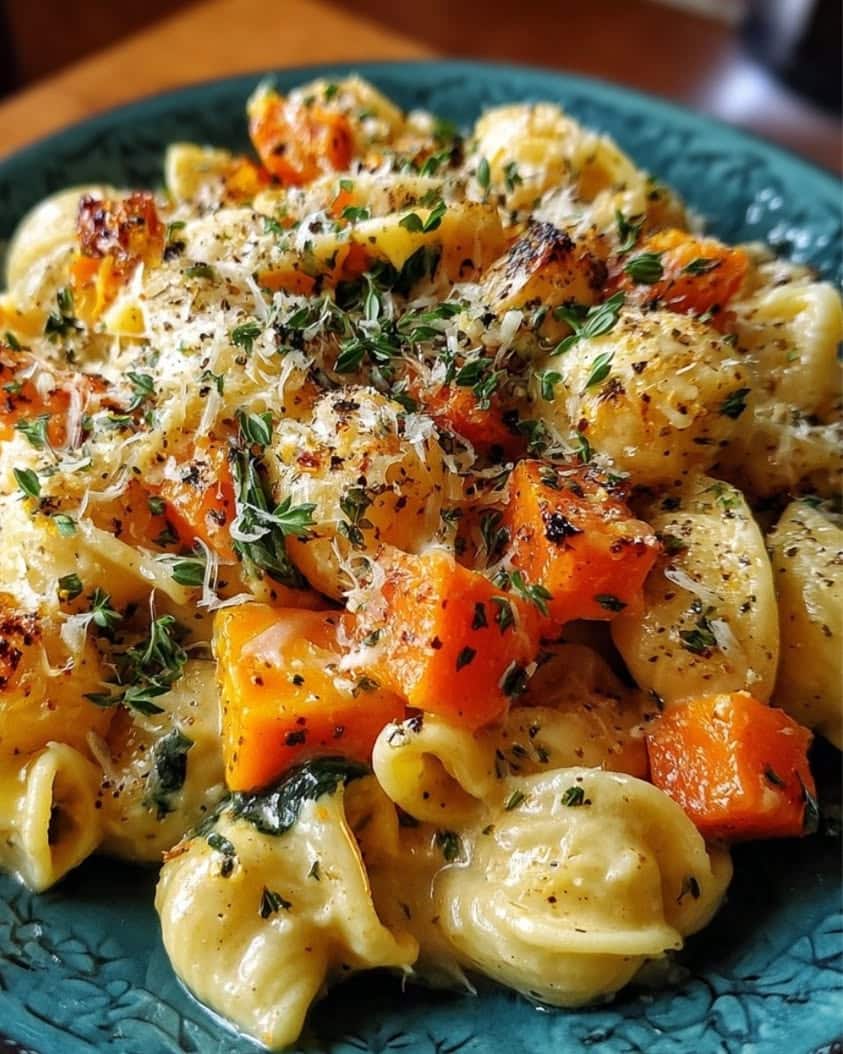
Crockpot Mac and Sweet Potato, Butternut Squash, Carrot with Cheddar, Gouda & Maple Brown Butter Sage Drizzle: The Ultimate Fall Comfort Food
Imagine the coziest, most comforting bowl of mac and cheese you can think of, then elevate it with the natural sweetness of autumn’s best produce and a drizzle that will make your taste buds sing. This crockpot mac and sweet potato, butternut squash, carrot with cheddar, gouda & maple brown butter sage drizzle recipe is exactly that. It transforms a classic weeknight favorite into a spectacular centerpiece dish perfect for gatherings or a luxurious family dinner. The slow cooker does most of the work, melding the flavors into a creamy, dreamy masterpiece while you relax.
Furthermore, this dish is a celebration of texture and depth. Tender elbow pasta bathes in a luxuriously creamy sauce made from two complementary cheeses. Meanwhile, sweet potato, butternut squash, and carrot cubes soften into perfect, sweet bites that punctuate every forkful. The crowning glory, however, is the maple brown butter sage drizzle. This simple yet transformative sauce adds notes of toasty nuttiness, earthy herbaceousness, and a whisper of maple sweetness that ties the entire dish together. Ultimately, it’s a symphony of fall flavors in one unforgettable pot.
This recipe is also a fantastic way to sneak extra vegetables into a beloved comfort food. The vegetables cook down and meld seamlessly with the cheese sauce, making them irresistible to even the pickiest eaters. The result is a meal that feels indulgent yet is packed with more nutritional value than your standard macaroni and cheese. Let’s dive into why this crockpot mac and cheese recipe deserves a permanent spot in your fall and winter rotation.
Quick Recipe Highlights
- Flavor Profile: This dish masterfully balances rich, savory cheese with the natural sweetness of root vegetables. The sharp cheddar provides a familiar tang, while the gouda adds a smooth, slightly smoky depth. Finally, the maple brown butter sage drizzle introduces a sophisticated, aromatic finish with hints of caramel and earth.
- Texture: Expect ultimate creaminess from the cheese sauce enveloping al dente pasta. The sweet potato, butternut squash, and carrot pieces become meltingly tender but retain just enough structure to provide a pleasant contrast. The drizzle adds a final layer of luxurious, silky richness.
- Aroma: As it cooks, your kitchen will fill with the comforting scent of melting cheese and cooking vegetables. When you add the brown butter sage drizzle, the aroma transforms with the nutty, toasty fragrance of browned butter and the warm, piney scent of fresh sage.
- Visual Appeal: This dish is a feast for the eyes with its vibrant orange hues from the vegetables and cheese sauce, punctuated by flecks of green sage and the deep amber gloss of the maple brown butter. It’s rustic, hearty, and incredibly inviting.
- Skill Level Needed: This is an accessible recipe for most home cooks. The techniques involve simple vegetable chopping, making a roux, and preparing a brown butter sauce. The crockpot method is forgiving and simplifies the cooking process significantly.
- Special Equipment: You will need a 6-quart or larger slow cooker. Additionally, a good chef’s knife and cutting board for prepping vegetables, and a medium saucepan for making the cheese sauce and the brown butter drizzle are essential.
Recipe Overview
- Difficulty Level: We rate this recipe as “Easy.” While it involves a few steps like making a roux-based cheese sauce and browning butter, the crockpot does the heavy lifting of cooking and melding the flavors. The instructions are straightforward, and the process is broken down into manageable stages. Even a novice cook can achieve impressive results with careful reading.
- Category: This dish is the ultimate comfort food main course. It’s hearty enough to stand alone but also works beautifully as a decadent side dish for holiday meals like Thanksgiving or a cozy Sunday supper. It fits perfectly into the categories of vegetarian mains and slow cooker dinners.
- Cuisine: This recipe is a creative fusion of American comfort food (macaroni and cheese) with influences from seasonal, farm-to-table cooking. The use of sage and brown butter nods to classic Italian and French techniques, while the maple syrup is a North American touch, creating a modern, seasonal dish.
- Cost: This is a moderately priced recipe. Ingredients like pasta, milk, and flour are pantry staples. The cost comes from the cheese blocks, fresh vegetables, and pure maple syrup. However, it yields a large number of servings, making it cost-effective for feeding a crowd compared to dining out.
- Season: This is quintessential fall and winter fare. It features seasonal produce like sweet potatoes, butternut squash, and carrots that are at their peak sweetness and affordability during the cooler months. The warm, rich flavors are perfectly suited for chilly weather.
- Occasion: It’s ideal for casual family dinners, potlucks, Friendsgiving, holiday side dishes, or any cozy gathering where you want to serve a crowd-pleasing, minimal-fuss meal. It brings a “wow” factor without requiring last-minute kitchen stress.
Why You’ll Love This Recipe
First and foremost, the taste and texture combination is utterly divine. Each bite delivers a complex journey starting with the familiar, creamy comfort of mac and cheese, followed by the sweet, earthy pop of roasted vegetables. The finale is the sophisticated, aromatic kiss of the maple brown butter sage drizzle, which elevates the entire dish from homestyle to gourmet. This layering of flavors ensures that no single note overpowers another; instead, they harmonize beautifully. Consequently, you get a meal that feels special and restaurant-worthy, yet it’s made in your own kitchen with love and relatively simple ingredients.
Secondly, the convenience factor of using a crockpot cannot be overstated. After the initial prep of chopping vegetables and making the cheese sauce, you simply combine everything in the slow cooker and let time work its magic. This hands-off approach frees you up to tackle other tasks, relax, or entertain guests. Moreover, slow cooking allows the flavors to develop deeply and evenly, resulting in a more integrated and delicious final product than stovetop versions. The crockpot also keeps the meal warm for serving, making it perfect for flexible dining times.
From a nutritional standpoint, this recipe offers a significant upgrade over traditional mac and cheese. By incorporating a generous amount of sweet potato, butternut squash, and carrots, you’re adding a powerhouse of vitamins A and C, fiber, and antioxidants. These vegetables naturally sweeten the dish, potentially allowing you to use less salt. Additionally, using real cheese provides protein and calcium. Therefore, you can feel good about serving a comfort food that also contributes valuable nutrients to your diet, making it a smarter choice for regular meals.
Furthermore, this dish has tremendous social and entertaining value. It’s a guaranteed crowd-pleaser that appeals to both adults and children. Its stunning presentation makes it a fantastic centerpiece for a buffet or holiday table. Because it’s prepared in advance and stays warm in the crockpot, you can be a present host rather than a stressed cook. Guests will be impressed by the unique flavor profile and the thoughtful combination of ingredients, sparking conversation and recipe requests.
Finally, it is remarkably cost-effective and accessible. While gourmet ingredients like specific cheeses and pure maple syrup are used, they are balanced by affordable staples like pasta, milk, and in-season vegetables. The recipe yields a large quantity, providing leftovers for lunches or another dinner, which stretches your food budget. Most ingredients are readily available at any standard grocery store. Ultimately, this crockpot mac and cheese with sweet vegetables delivers exceptional flavor and satisfaction without requiring expensive or hard-to-find components.
Historical Background and Cultural Significance
The story of macaroni and cheese begins far from the American dinner table. Its earliest known origins trace back to Italy in the 13th century, with a recipe for “de lasanis” appearing in a medieval cookbook. However, the dish we recognize today was popularized in France. The French version, “macaroni à la royale,” involved pasta and cheese baked together. Thomas Jefferson famously encountered this dish in Paris and later served it at a state dinner in 1802 after his presidency, helping to introduce it to American cuisine. His chef, James Hemings, likely perfected the recipe, which eventually evolved into a beloved American comfort food staple.
In American culture, macaroni and cheese holds a place of deep significance, particularly in Southern and soul food traditions. During the Great Depression, boxed mac and cheese became an affordable, filling meal for families. Conversely, from-scratch versions remained a celebratory dish for holidays and church suppers in Black communities, often enriched with extra ingredients. This recipe, with its addition of sweet vegetables and a brown butter drizzle, represents a modern evolution—a bridge between that rich, homemade tradition and contemporary tastes that emphasize seasonal produce and layered flavors.
The evolution of this specific recipe reflects broader food trends of the 21st century. There’s a growing desire to “healthify” comfort foods by adding vegetables and using whole ingredients. The incorporation of sweet potato, butternut squash, and carrot aligns with the farm-to-table movement and the goal of increasing vegetable consumption. Simultaneously, the maple brown butter sage drizzle showcases a popular chef technique—browning butter to enhance its flavor—being adapted for home kitchens. This fusion creates a dish that is both nostalgic and novel.
Regional variations of mac and cheese abound across the United States. In the South, it’s often baked with a crispy, buttery breadcrumb topping. In the Northeast, a stovetop, creamier version is common. Some regions add meat like lobster or bacon. This crockpot version with root vegetables and a sweet-savory drizzle could be seen as a Pacific Northwest or modern rustic interpretation, highlighting seasonal, earthy ingredients. It demonstrates how a classic dish can continuously adapt to local ingredients and changing palates while maintaining its core identity as a creamy, cheesy, beloved comfort food.
Ingredient Deep Dive
Elbow Macaroni: This pasta shape is the classic choice for mac and cheese due to its small, tubular structure that perfectly captures and holds creamy sauce. Originating from Italy, its curved shape provides ample surface area for cheese to cling to. For best results, use a standard semolina pasta; avoid “quick-cook” or whole wheat varieties here as they can become mushy or alter the texture in the slow cooker. You’ll add it uncooked, and it will absorb liquid from the sauce as it cooks, becoming perfectly al dente.
Sweet Potato, Butternut Squash, and Carrot: This trio forms the vegetable backbone of the dish, contributing natural sweetness, vibrant color, and essential nutrients. Sweet potatoes, native to Central and South America, are rich in beta-carotene. Butternut squash, a winter squash, adds a nutty sweetness. Carrots provide earthy depth. Cut them into uniform ½-inch cubes to ensure even cooking. You can find pre-cubed butternut squash in most grocery stores to save time. Their natural sugars caramelize slightly during cooking, deepening the overall flavor profile.
Sharp Cheddar Cheese: Cheddar, originating from the English village of Cheddar, is the quintessential mac and cheese cheese for its excellent melting properties and bold, tangy flavor. Sharp cheddar has been aged longer, resulting in a more pronounced taste that stands up to the sweet vegetables. Always buy a block and grate it yourself. Pre-shredded cheese contains anti-caking agents like cellulose that can prevent smooth melting, leading to a grainy sauce. The cheddar provides the classic flavor foundation.
Gouda Cheese: Gouda is a Dutch cheese known for its creamy, buttery texture and mild, slightly sweet flavor. When melted, it contributes incredible silkiness to the sauce. Using a combination of cheddar and gouda creates a more complex flavor than cheddar alone. Smoked gouda can be used for an extra layer of depth. Like the cheddar, purchase a block and grate it fresh. The gouda’s smooth-melting quality is key to achieving the luxuriously creamy sauce that defines this dish.
Maple Syrup: Pure maple syrup is the only acceptable choice for the drizzle. A natural product made by boiling sap from maple trees, primarily in North America, it adds a distinct, nuanced sweetness that refined sugar cannot replicate. Its flavor notes of caramel and wood complement the brown butter and sage perfectly. Grade A Amber Color and Rich Taste is ideal. Avoid pancake syrup, which is made with corn syrup and artificial flavors. The maple syrup adds the final, unifying note of autumnal sweetness.
Fresh Sage: Sage is a perennial herb with soft, gray-green leaves and a warm, slightly peppery flavor with hints of eucalyptus and lemon. It’s a classic pairing with brown butter and winter squash. Fresh sage is crucial here; dried sage lacks the vibrant aroma and can taste dusty. When fried in the brown butter, the sage leaves become crisp and fragrant, infusing the fat with their essential oils and providing a textural garnish. It’s the aromatic soul of the finishing drizzle.
Common Mistakes to Avoid
- Using Pre-Shredded Cheese: This is the most common pitfall. Pre-shredded cheese contains stabilizers like potato starch or cellulose to prevent clumping. These additives inhibit smooth melting and can leave your sauce grainy or oily. Always take the extra minute to grate blocks of cheddar and gouda by hand for a perfectly velvety sauce.
- Overcooking the Pasta: Since the pasta cooks directly in the slow cooker with the sauce, it continues to absorb liquid. If you cook it on high for too long, it can become mushy and bloated. Follow the recommended cook time and check for doneness towards the end. The pasta should be al dente—tender but with a slight bite.
- Inconsistent Vegetable Sizes: Chopping the sweet potato, squash, and carrot into uneven pieces leads to uneven cooking. Some pieces will be undercooked and hard while others turn to mush. Aim for uniform ½-inch cubes to ensure they all become tender at the same rate, providing a consistent texture throughout the dish.
- Not Browning the Butter Enough (or Burning It): The maple brown butter sage drizzle relies on the nutty flavor of properly browned butter. If you pull it off the heat too soon, you miss the flavor. If you leave it too long, it burns and turns bitter. Cook over medium heat, swirling constantly, until the milk solids turn a deep golden brown and smell nutty.
- Adding the Sage at the Wrong Time: If you add the fresh sage leaves to the butter at the beginning, they can burn and become bitter. Instead, add them once the butter is browned and immediately removed from heat. The residual heat will crisp them perfectly and infuse the butter without scorching the delicate herb.
- Using the Wrong Type of Maple Syrup: Pancake syrup or “table syrup” is not a substitute for pure maple syrup. These are primarily corn syrup with artificial maple flavoring and will impart a cloying, artificial taste. Invest in real, pure maple syrup for its authentic, complex sweetness that complements the other ingredients.
- Overcrowding the Slow Cooker: Using a crockpot that’s too small can prevent even cooking and heat distribution. Ensure you use a 6-quart or larger model. The ingredients should fill it no more than ¾ full to allow for proper circulation of heat and steam, which cooks everything evenly.
- Forgetting to Stir in the Drizzle: The maple brown butter sage drizzle is meant as a finishing sauce. If you stir it entirely into the main pot, its distinct flavor gets lost. Instead, drizzle it over individual servings or over the top of the whole dish just before serving to preserve its aromatic impact and visual appeal.
- Neglecting to Season in Layers: Seasoning only at the end results in a bland dish. Remember to season the vegetable layer with a pinch of salt and pepper before adding the pasta and sauce. Also, taste the cheese sauce for seasoning before combining everything. Building layers of seasoning ensures depth of flavor in every component.
Essential Techniques
Making a Roux: A roux is a cooked mixture of equal parts fat (butter) and flour, used to thicken sauces. For this cheese sauce, melting the butter and whisking in the flour cooks out the raw flour taste. You must cook it for at least 1-2 minutes until it’s bubbly and fragrant. This step is crucial; an undercooked roux can leave a pasty flavor in your final sauce. Whisk constantly to prevent burning. A perfectly made roux is the foundation for a smooth, lump-free cheese sauce.
Creating a Béchamel (White Sauce): After your roux is ready, you slowly whisk in warm milk. The key is to add the milk gradually while whisking vigorously to incorporate it smoothly with the roux, preventing lumps. Then, you cook the mixture, stirring frequently, until it thickens enough to coat the back of a spoon. This thickened milk sauce, called a béchamel, is the perfect base for melting cheese. It should be silky and thick before you turn off the heat and add the cheese.
Melting Cheese into a Sauce: Once your béchamel is ready, remove it from the heat. Adding cheese to a boiling sauce can cause it to break, becoming oily and grainy. Off the heat, stir in your grated cheddar and gouda until fully melted and smooth. The residual heat is sufficient. If the sauce needs to be warmer to melt all the cheese, return it to very low heat briefly. This gentle method preserves the cheese’s creamy texture and emulsified state.
Browning Butter: Browning butter, or “beurre noisette,” transforms it from a simple fat into a complex, nutty ingredient. Cut the butter into pieces for even melting. Cook in a light-colored saucepan over medium heat so you can see the color change. Swirl the pan frequently. The butter will foam, then the foam will subside, and milk solids at the bottom will turn golden brown. Immediately remove from heat and transfer to a bowl to stop cooking. This technique unlocks a deep, toasty flavor essential for the drizzle.
Pro Tips for Perfect Crockpot Mac and Cheese with Sweet Vegetables
First, warm your milk slightly before adding it to the roux. Adding cold milk to a hot roux can shock the mixture and make it harder to achieve a smooth sauce. Simply heat the milk in the microwave or a separate saucepan until just warm to the touch. This helps it incorporate seamlessly, leading to a lump-free béchamel.
For the creamiest result, use whole milk or even half-and-half for the cheese sauce. The higher fat content creates a richer, more luxurious base that coats the pasta beautifully. Lower-fat milks can make the sauce taste thin and may not emulsify as well with the cheese, potentially leading to separation.
When preparing your vegetables, aim for precision. Use a sharp knife and take your time to cut the sweet potato, butternut squash, and carrot into neat, ½-inch cubes. Uniform pieces are not just about aesthetics; they ensure every bite has the same perfect texture and that all the vegetables finish cooking simultaneously.
Do not lift the lid of the slow cooker during the first 2.5 hours of cooking. Every time you open the lid, you release a significant amount of heat and steam, which can increase the total cooking time by 15-20 minutes. Trust the process and only check towards the end of the suggested cook time to test the pasta for doneness.
For the brown butter, use a light-colored saucepan. This allows you to clearly see the milk solids changing color from yellow to golden brown, preventing you from burning it. A dark pan makes it nearly impossible to monitor this visual cue, which is your primary indicator of doneness.
Prepare the maple brown butter sage drizzle just before serving. While you can make it slightly ahead, it’s best when fresh and warm. The sage leaves will be crisper, and the aromatic qualities will be at their peak, providing the maximum flavor impact when drizzled over the hot mac and cheese.
If you have leftovers, reheat them gently in a saucepan over low heat with a small splash of milk or cream. The microwave can cause the pasta to become rubbery and the sauce to separate. Stirring over low heat helps reconstitute the creamy texture of the sauce for a near-perfect second serving.
Variations and Adaptations
Regional Variations: To give this dish a Southern twist, mix 1 cup of panko breadcrumbs with 3 tablespoons of melted butter and a pinch of paprika. Sprinkle this over the top of the mac and cheese for the last 30 minutes of cooking (with the lid off) to create a crispy, golden topping. For a Northeastern seafood-inspired version, fold in 1-2 cups of cooked lobster meat or lump crabmeat during the last 15 minutes of cooking.
Seasonal Adaptations: In spring, swap the root vegetables for 2 cups of chopped asparagus and 1 cup of fresh peas, adding them in the last 30 minutes of cook time to retain their bright color and crisp-tender bite. For summer, use zucchini, yellow squash, and roasted red peppers. In deep winter, add 1 cup of chopped kale or spinach during the last 10 minutes for a pop of green and added nutrients.
Dietary Modifications: For a gluten-free version, use your favorite gluten-free elbow pasta (like those made from brown rice or corn) and substitute the all-purpose flour in the roux with an equal amount of a 1:1 gluten-free flour blend. Ensure your cheeses are certified gluten-free. To make it vegetarian, simply confirm your cheeses use microbial rennet, which they typically do.
Flavor Variations: Incorporate 1 teaspoon of smoked paprika or a pinch of cayenne pepper into the cheese sauce for a subtle smoky heat. For an herbal note, add 1 tablespoon of fresh chopped thyme or rosemary to the vegetable layer. You could also substitute the sage in the drizzle with fresh thyme sprigs for a different aromatic profile.
Texture Modifications: If you prefer a baked mac and cheese texture, after the slow cooker cycle is complete, transfer the mixture to a greased baking dish. Top with buttered breadcrumbs and broil for 2-3 minutes until golden and crispy. For an extra creamy version, stir in 4 ounces of room-temperature cream cheese along with the cheddar and gouda.
Presentation Alternatives: Serve individual portions in hollowed-out small roasted acorn or delicata squash halves for a stunning, edible bowl presentation. For a more elegant appetizer, spoon the mac and cheese into small ramekins, top with the drizzle and a single crisp sage leaf, and serve as a rich starter for a dinner party.
Serving and Presentation Guide
Plating Techniques: For family-style serving, transfer the entire contents of the crockpot to a large, shallow serving bowl or keep it warm in the cooker itself. Use a large spoon to create gentle waves and peaks in the surface, which will catch the drizzle beautifully. For individual plates, use a large ice cream scoop or a measuring cup to create neat, rounded mounds in the center of warm, shallow bowls.
Garnishing Ideas: The maple brown butter sage drizzle is the primary garnish. Drizzle it in a zigzag pattern over the top. Reserve a few of the crisp fried sage leaves from the butter to place on top. Additional garnishes could include a light sprinkle of freshly cracked black pepper, a few flakes of Maldon sea salt, or a tiny sprinkle of finely grated nutmeg over the cheese sauce to enhance its warmth.
Traditional Accompaniments: This rich dish pairs wonderfully with simple, fresh, or acidic sides to cut through the creaminess. A classic green salad with a sharp vinaigrette is perfect. Roasted Brussels sprouts with balsamic glaze or a simple sauté of garlicky greens like kale or Swiss chard also provide a flavorful and textural contrast that complements the main dish.
Modern Serving Suggestions: For a contemporary twist, serve smaller portions as a side to a simply prepared protein like a pan-seared chicken breast, roasted pork tenderloin, or seared scallops. The sweet and savory notes of the mac and cheese act as a sophisticated sauce or starch component, elevating an entire plate. It also makes an excellent filling for stuffed peppers or a topping for a shepherd’s pie-style dish.
Temperature Considerations: This dish is best served piping hot. The cheese sauce will be at its creamiest, and the drizzle will be fluid and aromatic. If serving buffet-style, keep the crockpot on the “warm” setting. If the dish sits and the sauce thickens too much, stir in a small splash of warm milk or cream to loosen it back to the desired consistency.
Portion Control Tips: This is a decadent dish, so a standard serving is about 1 to 1.5 cups per person. Using a measuring cup as a scoop ensures even portions, especially important if serving a crowd. Remember that the vegetables add volume and nutrients, making a slightly smaller portion feel very satisfying. Always offer seconds rather than over-serving initially.
Wine and Beverage Pairing
Wine Pairings: The rich cheese and sweet vegetables call for a wine with good acidity to cleanse the palate. A crisp, unoaked Chardonnay works wonderfully, as its apple and citrus notes contrast the creaminess. Alternatively, a dry Riesling with its stone fruit flavors and bright acidity can handle the sweetness and fat. For red wine lovers, a light-bodied Pinot Noir with its red fruit and earthy notes complements the dish without overpowering it.
Non-Alcoholic Alternatives: Sparkling apple cider is a fantastic match, offering effervescence and tart apple flavors that cut through richness. For a warmer option, try a lightly sweetened ginger tea or a turmeric-ginger latte; the spice provides a refreshing counterpoint. A simple glass of cold, crisp apple juice or a lemon-ginger kombucha also provides the necessary acidity and refreshment alongside this hearty meal.
Coffee/Tea Pairings: After the meal, a cup of coffee or tea can be a perfect finish. A medium-roast coffee with notes of nut or caramel will echo the brown butter flavors. For tea, consider a smoky Lapsang Souchong, which pairs with the gouda, or a spiced chai tea whose warm spices like cinnamon and cardamom complement the fall vegetable profile beautifully.
Temperature Considerations: Serve white wines well-chilled (45-50°F) and red wines slightly cool (55-60°F). Chilled beverages are generally more refreshing against this warm, rich dish. For non-alcoholic options, serve sparkling cider cold and teas hot. The contrast in temperature between a cold, crisp drink and the hot, creamy pasta enhances the dining experience.
Serving Suggestions: Always offer water on the table. The fat and salt in the dish will make guests thirsty. For a festive touch, create a signature mocktail like a sage-infused lemonade or a maple-spiced soda to serve alongside, tying in the recipe’s core flavors in beverage form and making the meal feel even more special.
Storage and Shelf Life
Storage Methods: Allow the mac and cheese to cool completely to room temperature before storing, but do not leave it out for more than 2 hours to prevent bacterial growth. Transfer leftovers to an airtight container. You can store the entire batch in one large container or portion it into individual servings for easy reheating. Store the maple brown butter sage drizzle separately in a small jar or container.
Temperature Requirements: Both the main dish and the drizzle must be stored in the refrigerator at 40°F or below. The mac and cheese will keep for 3-4 days. The drizzle, due to its high butter content, can solidify in the fridge but will re-liquify when gently warmed. It is best used within 5 days.
Container Recommendations: Glass containers with tight-sealing lids are ideal as they don’t absorb odors and are easy to clean. If using plastic, ensure it is BPA-free and designed for food storage. For the drizzle, a small glass jar like a mason jar is perfect. Avoid storing in the crockpot insert in the fridge, as the stoneware can take too long to cool the food down safely.
Signs of Spoilage: Discard the mac and cheese if you notice an off or sour smell, significant discoloration (like dark or green mold spots), or if the sauce has separated irreversibly and developed an unpleasant texture. If the drizzle develops mold, an off odor, or a rancid taste, it should be thrown away immediately.
Reheating Instructions: The best method is on the stovetop. Place desired portion in a saucepan over low to medium-low heat. Add a tablespoon or two of milk or cream per cup of pasta. Stir gently and frequently until heated through. The microwave can be used in a pinch: place in a microwave-safe dish, cover with a damp paper towel, and heat in 60-second intervals, stirring between each, to avoid rubbery pasta.
Freezing Guidelines: This dish can be frozen, but with caution. The dairy-based sauce may separate slightly upon thawing. Cool completely, then transfer to a freezer-safe container, leaving ½-inch headspace. It will keep for up to 2 months. Thaw overnight in the refrigerator before reheating using the stovetop method, adding extra milk as needed to reconstitute the sauce. The texture of the vegetables may become slightly softer after freezing.
Make Ahead Strategies
Prep Timeline: You can prep almost the entire dish 1-2 days in advance. The day before, chop all the vegetables (sweet potato, squash, carrot) and store them together in an airtight container or zip-top bag in the refrigerator. Grate both cheeses and store them separately in the fridge. You can even make the cheese sauce a day ahead; cool it completely, cover the surface with plastic wrap to prevent a skin, and refrigerate.
Storage Between Steps: Keep prepped ingredients in separate, labeled containers. The vegetables can be combined. The cheese sauce should be stored alone. The uncooked pasta can be kept in its box or in a sealed container. This modular approach lets you assemble the crockpot quickly on the day of cooking, streamlining the process significantly.
Quality Impact Assessment: Pre-chopping vegetables has no negative impact. Making the cheese sauce ahead can actually improve the flavor as it allows the ingredients to meld. Grate the cheese fresh for the best melt, but pre-grated from a block is acceptable if stored properly. Do not cook the pasta ahead, as it will overcook in the slow cooker.
Assembly Tips: On cooking day, take the chilled cheese sauce out of the fridge about 30 minutes before starting to take the chill off. Layer the raw vegetables in the crockpot, pour the sauce over, then add the dry pasta and broth. Stir to combine. You may need to add 1-2 minutes to the cook time if starting with cold sauce, but the difference is minimal.
Reheating Guidelines: If you fully cook the dish a day ahead, reheat it gently in the oven. Transfer to a baking dish, cover with foil, and bake at 325°F until heated through (about 30-40 minutes), stirring once halfway. Add a splash of milk before reheating to keep it creamy. The stovetop method is also effective for reheating a full batch.
Fresh Element Additions: Regardless of make-ahead steps, always prepare the maple brown butter sage drizzle fresh, just before serving. This ensures the sage is crisp, the butter’s nutty flavor is pronounced, and the aromatic quality is at its peak, providing the perfect finishing touch to your pre-prepared masterpiece.
Scaling Instructions
Halving the Recipe: To serve 4, simply divide all ingredient quantities by two. Use a 4-quart slow cooker instead of a 6-quart. The cook time may be slightly reduced; start checking for doneness at the 2.5-hour mark on low. The sauce may thicken more quickly due to the smaller volume, so be prepared to add an extra ¼ cup of broth or milk if it looks too dry during cooking.
Doubling or Tripling: For a large crowd, you can double the recipe. Use a very large slow cooker (7-8 quarts) or divide the batch between two standard 6-quart cookers. Do not overfill a single pot beyond ¾ capacity. Cook times will increase; plan for an additional 30-60 minutes on low. Stir the contents gently once halfway through cooking to ensure even heat distribution, especially in a very full pot.
Equipment Adjustments: Scaling up requires matching your equipment to the batch size. For a double batch, two slow cookers are often safer than one enormous one. Ensure your saucepan for the cheese sauce is large enough to hold double the quantity; a 3-quart saucepan is recommended for a double batch. You may need to make the cheese sauce in two separate batches to avoid overflowing.
Timing Modifications: When scaling, the core cooking time per the original recipe is a guide, not an absolute. The larger the volume, the longer it takes for the center to reach temperature. Always use the visual and textural cues (tender vegetables, al dente pasta) as your primary doneness indicators, not just the clock. Start checking 30 minutes before the expected finish time.
Storage Considerations: A larger batch means more potential leftovers. Plan your storage containers
Print
Crockpot Mac and Sweet Potato, Butternut Squash, Carrot with Cheddar, Gouda & Maple Brown Butter Sage Drizzle
Description
A creamy, comforting slow-cooker mac and cheese loaded with roasted sweet vegetables, two cheeses, and a sweet-savory maple brown butter sage drizzle.
Ingredients
For the Crust:
- 1 lb elbow macaroni, uncooked
- 1 medium sweet potato, peeled and diced
- 1 cup butternut squash, peeled and diced
- 1 large carrot, peeled and diced
- 2 cups shredded sharp cheddar cheese
- 1 cup shredded gouda cheese
- 4 cups whole milk
- 1 cup heavy cream
- 3 tbsp unsalted butter
- 3 tbsp all-purpose flour
- 1 tsp garlic powder
- 1 tsp smoked paprika
- Salt and black pepper to taste
- For the drizzle: 4 tbsp unsalted butter, 8 fresh sage leaves, 2 tbsp pure maple syrup
Instructions
1. Prepare the Crust:
- In a large bowl, toss the sweet potato, butternut squash, and carrot with 1 tbsp olive oil, salt, and pepper. Roast at 400°F for 20 minutes until tender.
- In a medium saucepan, melt 3 tbsp butter over medium heat. Whisk in flour and cook for 1 minute. Gradually whisk in milk and cream until smooth. Stir in garlic powder, smoked paprika, salt, and pepper. Cook until slightly thickened.
- Grease a 6-quart crockpot. Layer half the uncooked macaroni, half the roasted vegetables, and half of both cheeses. Repeat layers. Pour the cream sauce evenly over the top.
- Cover and cook on LOW for 3-4 hours, stirring once halfway, until pasta is tender and cheese is melted.
- For the drizzle: In a small skillet, melt 4 tbsp butter over medium heat. Add sage leaves and cook until butter turns golden brown and sage is crisp. Remove from heat, stir in maple syrup. Drizzle over mac and cheese before serving.
Notes
You can customize the seasonings to taste.

I’m Shaykee—born in Morocco, seasoned across continents. From airplane galleys to home kitchens, I share the flavors and stories that shaped my journey.