
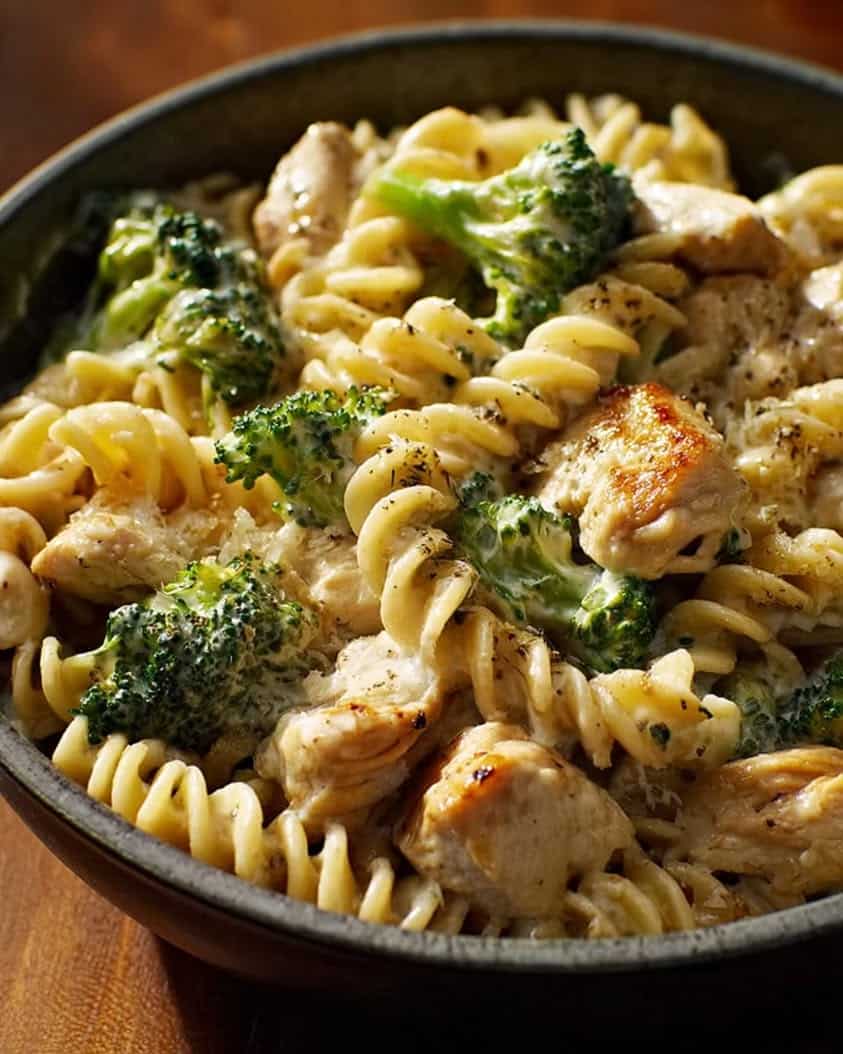
Garlic Cream Chicken Pasta with Broccoli: A Rich and Comforting One-Pan Wonder
Imagine a steaming bowl of perfectly cooked pasta, tender chicken, and crisp broccoli all enveloped in a luxuriously creamy garlic sauce. This garlic cream chicken pasta with broccoli delivers that exact experience, transforming simple ingredients into a restaurant-quality meal right in your own kitchen. Moreover, it’s a complete one-pan dinner that comes together in about thirty minutes, making it the ultimate solution for busy weeknights when you crave something deeply satisfying without the fuss. The aroma of garlic sautéing in butter is simply irresistible, promising a meal that comforts the soul and delights the palate.
This recipe masterfully balances rich, savory flavors with fresh, vibrant vegetables. The creamy garlic sauce, infused with Parmesan and herbs, clings to every strand of pasta and piece of chicken. Meanwhile, the broccoli adds a welcome pop of color and a satisfying crunch that cuts through the richness. Consequently, every forkful is a harmonious blend of textures and tastes. Ultimately, this garlic cream chicken pasta is more than just a quick meal; it’s a dependable family favorite that feels special enough for company yet easy enough for any ordinary Tuesday.
Quick Recipe Highlights
- Flavor Profile: This dish features a deeply savory and aromatic base from the sautéed garlic, which is then rounded out by the rich, tangy cream and salty, nutty Parmesan cheese. The black pepper and optional herbs add a final layer of warmth and complexity that makes the sauce incredibly moreish.
- Texture: You get a wonderful contrast in every bite: the al dente pasta offers a pleasing chew, the pan-seared chicken is juicy and tender, and the broccoli florets provide a fresh, crisp-tender crunch that prevents the dish from feeling too heavy.
- Aroma: The cooking process begins with the foundational scent of garlic softening in butter, which is arguably one of the best smells in any kitchen. This is followed by the savory notes of browning chicken and finally the creamy, cheesy fragrance of the finished sauce.
- Visual Appeal: The presentation is vibrant with the white and yellow creamy sauce coating the pasta, speckled with green broccoli florets and golden-brown pieces of chicken. It’s a colorful and inviting plate that promises a hearty, homemade meal.
- Skill Level Needed: This is a beginner-friendly recipe that relies on fundamental techniques like sautéing and simmering. As long as you can cook pasta and brown chicken without burning the garlic, you can absolutely master this creamy garlic chicken pasta.
- Special Equipment: You only need a large skillet or sauté pan with high sides (a 12-inch pan is ideal) and a pot for boiling pasta. A sturdy wooden spoon or spatula for stirring is essential, but no fancy gadgets are required.
Recipe Overview
- Difficulty Level: We rate this garlic cream chicken pasta as “Easy” because it uses straightforward, accessible techniques. The steps are sequential and logical: cook the pasta, brown the chicken, make the sauce, and combine. There’s no complicated knife work or advanced culinary skills required, making it perfect for novice cooks building confidence.
- Category: This recipe falls squarely into the “Quick and Easy Dinner” and “One-Pan Meal” categories. It’s also a fantastic “Family-Friendly” option because it’s creamy, cheesy, and incorporates vegetables in a delicious way that even picky eaters often enjoy.
- Cuisine: While inspired by Italian-American pasta dishes like Alfredo, this is a modern, fusion-style weeknight recipe. It takes the creamy, garlicky sauce concept and streamlines it for speed, incorporating broccoli and chicken for a complete protein-and-vegetable meal in one bowl.
- Cost: This is a very cost-effective meal. Chicken breast, pasta, broccoli, and basic pantry staples like garlic, butter, and flour form the base. Cream and Parmesan are the pricier items, but a little goes a long way. You can easily feed a family of four for less than the cost of takeout.
- Season: This creamy garlic chicken pasta is truly a year-round dish. It’s comforting and hearty in the fall and winter, yet the fresh broccoli and bright flavors keep it feeling appropriate for spring and summer evenings, especially when served with a light salad.
- Occasion: It’s the quintessential weeknight dinner savior, but it’s also elegant enough for a casual Friday night date night at home. You can easily double the recipe for potlucks or casual gatherings, as it’s always a crowd-pleaser.
Why You’ll Love This Recipe
First and foremost, the taste and texture of this garlic cream chicken pasta are utterly irresistible. The sauce is the star—creamy without being overly heavy, powerfully garlicky, and rich with Parmesan cheese. Each component absorbs this flavor: the pasta soaks it up, the chicken is seared in it, and the broccoli gets coated in it. The result is a cohesive dish where every element sings in harmony. Furthermore, the contrast between the tender chicken, al dente pasta, and crisp broccoli ensures that each bite is interesting and satisfying, never monotonous.
From a convenience standpoint, this recipe is a weeknight hero. With a total time of just thirty minutes from start to finish, it competes with delivery times but delivers far superior flavor and quality. The one-pan method (plus a pot for pasta) means cleanup is remarkably simple. You’re not juggling multiple pans and creating a mountain of dishes. Additionally, the process is linear and easy to follow, reducing stress after a long day. You can have a wholesome, homemade dinner on the table with minimal active effort, which is a huge win for any busy household.
Nutritionally, this dish offers a good balance. It provides lean protein from the chicken, complex carbohydrates from the pasta for energy, and a solid serving of vegetables from the broccoli. Broccoli is a nutritional powerhouse, packed with vitamins C and K, fiber, and antioxidants. By integrating it directly into the main dish, you’re ensuring your family gets their greens in the most delicious way possible. You can also easily tweak the recipe to use whole-wheat pasta or add more broccoli to boost the fiber content even further.
This garlic cream chicken pasta also holds significant social and entertaining value. It’s a universally appealing dish that suits both adults and children. When you have unexpected guests or need to bring a dish to share, this recipe scales beautifully and travels well. The creamy, comforting nature of the food makes people feel cared for and happy. It’s a conversation starter that seems more elaborate than it actually is, allowing you to spend time with your guests instead of being stuck in the kitchen all evening.
Finally, the cost-effectiveness and accessibility of this meal cannot be overstated. The ingredients are common, affordable, and available at any standard grocery store. You likely have many of them in your pantry and freezer already. Compared to ordering similar pasta dishes from a restaurant or even buying pre-made sauces, cooking this at home saves a substantial amount of money. You gain complete control over the quality of ingredients, the salt content, and the freshness, all while keeping your food budget in check. It’s a smart, delicious choice for your wallet and your well-being.
Historical Background and Cultural Significance
The story of creamy pasta sauces, like the one in this garlic cream chicken pasta, is deeply intertwined with Italian culinary history, though with some important American twists. Classic Italian Alfredo sauce, originating in early 20th century Rome, was famously just butter, Parmigiano-Reggiano, and pasta water—no cream. The ultra-rich, creamy version we know today is largely an Italian-American creation, adapting to the different ingredients and tastes found in the United States. This evolution showcases how immigrants adapted their traditional recipes, leading to new, beloved dishes that define a fusion cuisine.
Culturally, pasta with creamy sauces represents comfort and indulgence in American home cooking. Dishes like fettuccine Alfredo became staples of “special occasion” dining at home and in Italian-American restaurants. Adding chicken and broccoli to create a complete meal-in-a-bowl is a practical, modern development that speaks to the desire for convenient, all-in-one dinners. This garlic cream chicken pasta recipe sits firmly in this tradition, taking the comforting essence of a creamy sauce and making it a viable, quick option for daily life, thus democratizing a once-fancy dish.
The recipe’s evolution is also a tale of convenience and efficiency. The original, labor-intensive methods gave way to simpler techniques suitable for home cooks with less time. The use of heavy cream to create a stable, quick sauce instead of relying solely on the emulsion of cheese and starchy water is a key adaptation. Furthermore, the inclusion of pan-seared chicken and steamed broccoli transforms a side dish or first course into a hearty main event, reflecting the modern preference for protein-centric, vegetable-inclusive plates without needing multiple separate recipes.
Regional variations of this concept abound. In the American Midwest, you might find it made with a roux for extra thickness. In health-conscious areas, substitutions like Greek yogurt or cauliflower puree might replace some of the cream. The basic formula—pasta + creamy sauce + protein + veg—is incredibly versatile. This particular version with garlic, chicken, and broccoli has become a standard in its own right, a testament to the perfect flavor and texture combination it offers. It’s a contemporary classic born from tradition and shaped by the needs of modern home cooks.
Ingredient Deep Dive
Chicken Breast: Boneless, skinless chicken breast is the lean protein anchor of this dish. A staple in modern kitchens due to its versatility and mild flavor, it’s an excellent source of high-quality protein and essential B vitamins. For the best results in your garlic cream chicken pasta, look for plump, evenly sized breasts. To ensure juicy, tender chicken, pound the thicker ends to an even thickness before cooking. This guarantees uniform cooking, preventing the thin ends from drying out while the thick center cooks through. You can substitute with chicken thighs for a richer, more forgiving cut, or use pre-cooked rotisserie chicken to save time.
Broccoli: This cruciferous vegetable adds color, texture, and a major nutritional boost. Broccoli is rich in vitamins C and K, folate, fiber, and potent antioxidants like sulforaphane. For the best texture in your pasta, choose broccoli with tight, dark green florets and firm stalks. Avoid any with yellowing buds or limp stems. To prepare, cut the florets into bite-sized pieces for even cooking. You can use the peeled and sliced stalk as well for zero waste. For a variation, try broccolini or cauliflower. Briefly boiling or steaming it before adding to the sauce ensures it’s perfectly crisp-tender and bright green.
Garlic: The undisputed flavor king of this recipe, garlic provides the foundational aromatic punch. Historically used for both culinary and medicinal purposes, it contains allicin, a compound with noted health benefits. Fresh garlic is non-negotiable for the best flavor in this creamy garlic chicken pasta. Use a garlic press or mince finely with a knife for the most even distribution. Avoid pre-minced jarred garlic, as it often has a muted, sometimes bitter flavor. For a milder taste, you can reduce the quantity, but for true garlic lovers, the six cloves are essential. Sautéing it gently in butter unlocks its sweet, nutty depth without any harsh raw bite.
Heavy Cream & Parmesan: This duo creates the luxurious, cohesive sauce. Heavy cream (or whipping cream) provides the rich, velvety base that thickens beautifully when simmered. Parmesan cheese, specifically freshly grated Parmigiano-Reggiano or a good quality domestic Parmesan, adds salty, umami depth and helps thicken the sauce. The pre-grated cheese in tubs often contains anti-caking agents that can make your sauce grainy. Always grate your own for a smooth, silky result. For a lighter version, you can use half-and-half, but the sauce will be thinner. For dairy-free adaptations, full-fat canned coconut milk and nutritional yeast can be used as substitutes, though the flavor profile will change.
Pasta (Fettuccine or Linguine): The vehicle that carries the glorious sauce. Long, flat noodles like fettuccine or linguine are ideal because their broad surface area holds the creamy garlic sauce perfectly. The choice of pasta is crucial for the texture of the final dish. Cook it in well-salted water until just al dente—it will continue to cook slightly in the hot sauce. Reserve a cup of the starchy pasta water before draining; this liquid gold is key to adjusting the sauce consistency at the end, helping it cling to the noodles. You can use other shapes like penne or farfalle, but the experience will be slightly different.
Common Mistakes to Avoid
- Overcooking the Garlic: Adding garlic to scorching hot butter will cause it to burn in seconds, resulting in a bitter, acrid flavor that ruins the entire sauce. Always sauté garlic over medium or medium-low heat just until it becomes fragrant, which usually takes about 30-60 seconds.
- Using Pre-Grated Parmesan: Pre-grated cheese contains cellulose to prevent clumping, which prevents it from melting smoothly into your sauce. Consequently, you may end up with a grainy, separated texture instead of a velvety cream sauce. Always take the extra minute to grate a block of Parmesan cheese fresh.
- Overcrowding the Pan with Chicken: If you add all the chicken pieces at once to a pan that’s too small, they will steam instead of sear. You won’t get those beautiful golden-brown bits that add so much flavor. Cook the chicken in batches if necessary to ensure each piece has contact with the hot pan.
- Skipping the Pasta Water: The starchy water left from boiling your pasta is a magical ingredient. It helps loosen the sauce to the perfect consistency and helps it emulsify and cling to the noodles. Always reserve at least half a cup before you drain the pasta.
- Overcooking the Broccoli: Mushy, gray broccoli is unappetizing and loses its nutritional value. To preserve its vibrant color and crisp-tender bite, cook it only until just fork-tender, either by blanching it separately or adding it to the sauce at the very end of cooking.
- Adding Cold Cream to a Hot Pan: Pouring cold heavy cream directly into a very hot skillet can sometimes cause it to curdle or separate. To prevent this, let the cream sit out for 10-15 minutes to take the chill off, or add it and immediately reduce the heat to a gentle simmer.
- Not Seasoning in Layers: Seasoning only at the end results in a bland dish. Season the chicken with salt and pepper before cooking, salt the pasta water generously, and then taste and adjust the seasoning of the finished sauce. This builds depth of flavor at every stage.
- Using the Wrong Pan: A small skillet will make it difficult to combine all the ingredients at the end. A large, deep skillet or sauté pan (12-inch is ideal) gives you plenty of room to sear the chicken and then toss everything together comfortably.
Essential Techniques
Searing Chicken: Searing is the process of cooking the chicken over medium-high heat to create a flavorful, caramelized crust. This technique, known as the Maillard reaction, creates complex flavor compounds that form the foundation of your sauce. To master it, ensure your chicken pieces are dry (pat them with a paper towel) and your pan is properly preheated. Don’t move the chicken around immediately; let it develop that golden-brown sear for a few minutes before flipping. The visual cue for success is a deep golden color and the chicken releasing easily from the pan when it’s ready to turn.
Building a Cream Sauce: Unlike a roux-based sauce, this garlic cream sauce relies on reduction and emulsion. After sautéing the garlic, the cream is added and simmered gently. This simmering reduces the cream slightly, concentrating its flavor and thickening it naturally. The final addition of grated Parmesan cheese and pasta water creates a smooth, emulsified sauce that coats the back of a spoon. The key is to keep the heat at a low simmer after adding the cheese to prevent it from breaking or becoming oily. Stir constantly until the cheese is fully melted and incorporated.
Cooking Pasta to Al Dente: “Al dente” means “to the tooth” in Italian, describing pasta that is tender but still offers a slight resistance when bitten. This texture is crucial because the pasta will continue to cook and absorb sauce when combined in the skillet. To achieve it, cook the pasta in a large pot of generously salted boiling water for 1-2 minutes less than the package instructions suggest. Start tasting a minute or so before the recommended time. The perfect al dente pasta will have a firm center without being hard or chalky.
Blanching Broccoli: Blanching is a quick-cook method that preserves the vibrant green color and crisp texture of vegetables. It involves briefly boiling the broccoli florets and then immediately shocking them in ice water to halt the cooking process. This technique ensures your broccoli stays bright and perfectly tender-crisp in the final dish, rather than becoming mushy and dull. For this recipe, you can blanch the broccoli separately or add it to the pasta water during the last 2-3 minutes of cooking, then scoop it out with a slotted spoon before draining the pasta.
Pro Tips for Perfect Garlic Cream Chicken Pasta
First, bring your heavy cream to room temperature for about 15 minutes before you start cooking. This simple step helps it incorporate smoothly into the hot pan without the risk of curdling, ensuring a silky sauce every time.
Second, don’t discard the fond—those browned bits stuck to the pan after searing the chicken. When you add the garlic and butter, use your spoon to scrape up all those flavorful bits; they will dissolve into your sauce, adding incredible depth.
Third, reserve more pasta water than you think you’ll need—at least one full cup. You can always add it gradually to achieve your desired sauce consistency, but you can’t add what you don’t have.
Fourth, for the most luxurious texture, finish the dish with a final tablespoon of cold butter stirred in off the heat. This French technique, called “monter au beurre,” gives the sauce an extra glossy sheen and rich mouthfeel.
Fifth, let the cooked chicken rest for a few minutes after slicing before adding it back to the sauce. This allows the juices to redistribute, guaranteeing every piece stays moist and tender in the final pasta.
Sixth, if you’re using dried herbs like oregano or thyme, add them when you sauté the garlic so their flavors can bloom in the fat. Conversely, add fresh herbs like parsley or basil at the very end to preserve their bright color and flavor.
Seventh, always taste and season your dish right before serving. The saltiness of Parmesan can vary, so you may need an extra pinch of salt or a crack of black pepper to make all the flavors pop.
Eighth, serve the pasta immediately in warmed bowls. Creamy pasta dishes like this one are at their absolute best when served hot and fresh from the pan, as the sauce will continue to thicken as it sits.
Variations and Adaptations
Regional Variations: For a touch of Italian-American restaurant style, add a splash of white wine to the pan after sautéing the garlic, letting it reduce by half before adding the cream. In a French-inspired twist, stir in a tablespoon of Dijon mustard along with the cream for a subtle tang. A Southern U.S. variation might include crispy pan-fried bacon or pancetta crumbled on top for a smoky contrast to the creamy garlic sauce.
Seasonal Adaptations: In spring, swap the broccoli for fresh asparagus spears or green peas. During summer, incorporate sun-dried tomatoes and fresh spinach. For a cozy fall version, use roasted butternut squash cubes and sage. In winter, try it with kale or Brussels sprout halves, adjusting their cooking time accordingly to ensure they become tender.
Dietary Modifications: For a gluten-free garlic cream chicken pasta, use your favorite gluten-free pasta and ensure your thickener (like a 1:1 gluten-free flour blend) is certified GF. To make it dairy-free, use olive oil instead of butter, and create the sauce with full-fat canned coconut milk and nutritional yeast instead of cream and Parmesan.
Flavor Variations: Introduce different flavor profiles easily. Add a pinch of red pepper flakes with the garlic for heat. Stir in a couple of tablespoons of prepared pesto at the end for an herby twist. For a mushroom lover’s version, sauté sliced cremini mushrooms after the chicken and before the garlic.
Texture Modifications: For a thicker, gravy-like sauce, make a quick roux with the butter and a tablespoon of flour after cooking the garlic, then whisk in the cream. For a lighter, broth-based sauce, replace half the cream with chicken broth. To add crunch, top the finished dish with toasted breadcrumbs or pine nuts.
Presentation Alternatives: Serve the pasta family-style in a large, warm serving bowl garnished with extra Parmesan and herbs. For individual plating, use tongs to twirl the pasta into nests in the center of each plate, arranging the chicken and broccoli around it. For a deconstructed look, plate the creamy garlic sauce first, then top with the pasta, chicken, and broccoli separately.
Serving and Presentation Guide
Plating this garlic cream chicken pasta beautifully enhances the dining experience. For a classic family-style presentation, transfer everything to a large, shallow serving bowl or a pre-warmed skillet. Use tongs to lift and twist the pasta, creating height and visual interest. Arrange the chicken pieces and broccoli florets evenly on top so every serving gets a good mix. This approach feels generous and inviting, perfect for casual dinners with loved ones.
Garnishing is the final touch that elevates the dish from home-cooked to restaurant-worthy. A generous sprinkle of freshly grated Parmesan cheese is essential. Then, add a vibrant contrast with finely chopped fresh parsley, basil, or chives. A final grind of black pepper not only adds flavor but also visual speckles. For a touch of color and subtle heat, a light dusting of paprika or a few red pepper flakes works wonderfully.
Traditional accompaniments for a rich pasta dish like this are simple and light. A crisp green salad with a sharp vinaigrette (like lemon or red wine vinegar) cuts through the creaminess perfectly. Garlic bread or a crusty baguette is non-negotiable for sopping up every last bit of sauce. For a more substantial meal, start with a light soup such as a minestrone or a simple tomato basil.
Modern serving suggestions might include a side of roasted cherry tomatoes or a lemony arugula salad. For a low-carb option, serve the creamy garlic chicken and broccoli over zucchini noodles or cauliflower rice instead of pasta. Remember to consider temperature: serve the pasta immediately on warmed plates or in a pre-heated bowl to keep it hot throughout the meal. Portion control is easy with a kitchen scale or a measuring cup; a good rule of thumb is about one cup of cooked pasta per person, balanced with plenty of chicken and broccoli.
Wine and Beverage Pairing
Wine pairings for this garlic cream chicken pasta should complement its rich, creamy, and garlicky profile without overpowering it. A crisp, acidic white wine like Pinot Grigio or Sauvignon Blanc is a classic choice. Their bright acidity cuts through the richness of the sauce beautifully. Alternatively, a light-bodied Chardonnay, especially one without heavy oak, can match the creaminess while offering a clean finish. For red wine lovers, a light Pinot Noir with its low tannins and red fruit notes can work surprisingly well, as it won’t clash with the dairy.
For non-alcoholic alternatives, consider beverages that offer a refreshing counterpoint. Sparkling water with a squeeze of lemon or lime provides palate-cleansing bubbles. Iced herbal tea, such as mint or lemon verbena, is another excellent choice. A rich, creamy pasta dish also pairs wonderfully with a tart cherry or pomegranate spritzer. The key is to avoid overly sweet drinks, which can make the dish taste heavier.
While not traditional, certain coffees or teas can be lovely after the meal. A light roast coffee or an espresso after dinner can help cut through the residual richness. For tea, a cup of peppermint or ginger tea can aid digestion and provide a clean, refreshing finish to the meal. Serve these warm, after the main course, as a comforting conclusion.
Temperature considerations are vital. White wines should be served well-chilled, between 45-50°F. Red wines like Pinot Noir are best served slightly cooler than room temperature, around 55°F. Non-alcoholic sparkling drinks should be ice-cold. Always serve water alongside any beverage to keep guests hydrated and to cleanse the palate between bites of the flavorful, creamy pasta.
Storage and Shelf Life
Proper storage is key to enjoying leftovers of your garlic cream chicken pasta. Allow the pasta to cool completely before transferring it to an airtight container. Do not leave it at room temperature for more than two hours. Stored correctly in the refrigerator, it will keep for 3-4 days. The sauce may thicken significantly as it chills due to the starches in the pasta absorbing moisture.
When reheating, add a splash of milk, cream, or broth to loosen the sauce back to a creamy consistency. Reheat gently on the stovetop over medium-low heat, stirring frequently, until piping hot throughout. You can also reheat single portions in the microwave, covered, stirring every 30 seconds to ensure even heating. Avoid boiling the sauce when reheating, as this can cause the dairy to separate.
This pasta can be frozen, though with some textural caveats. The cream sauce may separate slightly upon thawing, and the broccoli can become mushy. For best freezing results, freeze in airtight containers or heavy-duty freezer bags for up to 2 months. Thaw overnight in the refrigerator before reheating gently on the stove, adding fresh liquid to reconstitute the sauce. For optimal quality, consider freezing just the creamy garlic chicken component and cooking fresh pasta when ready to serve.
Make Ahead Strategies
You can efficiently break this recipe into components for a stress-free dinner. The day before, chop the broccoli, mince the garlic, cube the chicken, and grate the Parmesan cheese. Store each component separately in airtight containers in the refrigerator. The chicken can even be seasoned at this stage. This “mise en place” reduces your active prep time to just a few minutes when you’re ready to cook.
For a more advanced make-ahead plan, you can fully prepare the creamy garlic sauce and the cooked chicken. Store them together in one container in the fridge for up to two days. When ready to serve, cook fresh pasta and broccoli, then gently reheat the sauce and chicken in a large skillet. Combine everything, using pasta water to bring the sauce back to life. This method preserves the best texture for the pasta and vegetables while still offering the convenience of a pre-made main component.
Scaling Instructions
Halving this garlic cream chicken pasta recipe is straightforward for one or two people. Simply divide all ingredient quantities by two. Use a medium-sized skillet (10-inch) to ensure the chicken still sears properly. The cook times will remain roughly the same, though you may need slightly less time to reduce the sauce. This is a perfect way to enjoy a cozy dinner without excessive leftovers.
Doubling or tripling the recipe for a crowd requires minor adjustments. Use your largest pot or Dutch oven, or cook in batches to avoid overcrowding when searing the chicken. You may need to increase the sauce reduction time by a few minutes to reach the desired thickness. When boiling pasta, do so in two separate pots or in batches to prevent sticking and ensure even cooking. Consider setting up a “pasta bar” where guests can serve themselves, keeping the sauce, pasta, and toppings warm in separate dishes.
Nutritional Deep Dive
A serving of this garlic cream chicken pasta provides a balanced mix of macronutrients. It offers a substantial amount of high-quality protein from the chicken, essential for muscle repair and satiety. The pasta contributes complex carbohydrates, which are the body’s primary energy source. The heavy cream and Parmesan provide fats, including some saturated fat, which carry flavor and contribute to a feeling of fullness. The broccoli adds crucial fiber, vitamins, and minerals with minimal calories.
Micronutrient-wise, this dish is a good source of several key vitamins and minerals. Broccoli delivers a huge dose of Vitamin C, Vitamin K, folate, and potassium. Chicken breast provides B vitamins, particularly niacin and B6, which are vital for energy metabolism. Parmesan cheese adds calcium for bone health. Using whole-grain pasta would further increase the fiber, B vitamin, and mineral content significantly.
For those managing their diet, portion control is the easiest lever to pull. A standard serving is about 1.5 to 2 cups of the finished dish. To reduce calories and fat, you can use half-and-half instead of heavy cream, increase the ratio of broccoli to pasta, or use a smaller amount of a very flavorful aged Parmesan so you need less. Remember, the inclusion of a whole vegetable like broccoli inherently boosts the nutritional profile compared to a plain cream sauce pasta.
Dietary Adaptations
Gluten-Free: Use certified gluten-free pasta (brown rice, quinoa, or chickpea blends work well). Ensure your chicken broth (if used) is gluten-free. The rest of the ingredients are naturally gluten-free, making this an easy adaptation for your creamy garlic chicken pasta.
Dairy-Free: Substitute the butter with olive oil or vegan butter. For the sauce, use full-fat canned coconut milk instead of heavy cream. Replace Parmesan with a combination of nutritional yeast for cheesiness and a pinch of salt. The result will be different but still rich and delicious.
Low-Carb/Keto: Omit the pasta entirely. Serve the creamy garlic chicken and broccoli over cauliflower rice, zucchini noodles (zoodles), or shirataki noodles. Ensure any thickener used is keto-friendly, like xanthan gum, instead of flour.
Paleo: Follow the keto adaptations for the base. Use ghee instead of butter, and create a sauce with coconut milk and arrowroot powder for thickening. Omit the cheese or use a paleo-friendly “Parmesan” made from nuts and nutritional yeast.
Troubleshooting Guide
Sauce is Too Thin: If your garlic cream sauce hasn’t thickened enough, let it simmer uncovered for a few more minutes to reduce and concentrate. Alternatively, create a quick slurry by mixing a teaspoon of cornstarch with a tablespoon of cold water, then whisk it into the simmering sauce. It will thicken almost immediately.
Sauce is Too Thick: This is an easy fix! Simply whisk in reserved pasta water, a few tablespoons at a time, until the sauce reaches your desired consistency. You can also use additional warm broth, milk, or cream. The starchy pasta water is ideal as it helps the sauce cling to the noodles.
Sauce Breaks or Separates: If your sauce looks grainy or oily, it may have gotten too hot, causing the emulsion to break. Immediately remove it from the heat. Try whisking in a splash of cold cream or a tablespoon of cold butter. If that doesn’t work, you can use an immersion blender to re-emulsify it quickly.
Chicken is Dry: Overcooked chicken breast becomes tough. Next time, use an instant-read thermometer and remove the chicken from the pan when it reaches 155-160°F; it will carry over to a safe 165°F as it rests. For the current batch, slice it thinly and mix it into the sauce, which can help mask some dryness.
Dish Tastes Bland: This is almost always a seasoning issue. Season in layers: salt the chicken, salt the pasta water, and season the sauce. At the end, taste and adjust with salt, pepper, and a squeeze of fresh lemon juice to brighten flavors. The acidity can make all the difference.
Frequently Asked Questions
Can I use milk instead of heavy cream? You can, but the sauce will be much thinner and less rich. For a better result with milk, make a roux with the butter and a tablespoon of flour after cooking the garlic, then whisk in the milk. This will create a thicker, more stable sauce.
How can I make this recipe ahead of time? You can prep all ingredients (chop, mince, grate) up to a day in advance. For fully making ahead, prepare the sauce and chicken, store separately, and combine with freshly cooked pasta and broccoli when ready to serve for the best texture.
What can I use instead of broccoli? Many vegetables work well! Try asparagus, spinach, sun-dried tomatoes, peas, mushrooms, or roasted red peppers. Adjust the cooking time based on the vegetable’s tenderness to avoid overcooking.
Can I freeze leftovers? Yes, but the texture of the cream sauce and pasta may change slightly upon thawing. It’s best to freeze in an airtight container for up to 2 months. Thaw in the fridge overnight and reheat gently with added liquid.
Why is my sauce grainy? Graininess usually comes from using pre-grated Parmesan cheese, which contains anti-caking agents. It can also happen if the sauce gets too hot after adding the cheese. Always grate your own cheese and add it off the heat or over very low heat.
How do I prevent the garlic from burning? Use medium or medium-low heat when sautéing the garlic. Add it to the butter and cook just until fragrant, about 30-60 seconds, stirring constantly. Remove from the heat
Print
Garlic Cream Chicken Pasta with Broccoli
Description
A creamy, garlic-infused pasta dish with tender chicken and fresh broccoli, perfect for a comforting weeknight dinner.
Ingredients
For the Crust:
- 8 oz fettuccine pasta
- 1 lb boneless, skinless chicken breasts, cubed
- 2 cups broccoli florets
- 4 cloves garlic, minced
- 1 cup heavy cream
- 1/2 cup grated Parmesan cheese
- 2 tbsp olive oil
- 1 tsp dried Italian seasoning
- Salt and black pepper to taste
- Fresh parsley for garnish
Instructions
1. Prepare the Crust:
- Cook the fettuccine according to package instructions until al dente, adding broccoli florets during the last 3 minutes of cooking. Drain and set aside.
- Heat olive oil in a large skillet over medium-high heat. Season chicken with salt, pepper, and Italian seasoning, then cook until golden and cooked through, about 6-8 minutes. Remove chicken and set aside.
- In the same skillet, add minced garlic and sauté for 1 minute until fragrant. Pour in heavy cream and bring to a simmer, stirring occasionally.
- Stir in Parmesan cheese until melted and the sauce thickens slightly. Return cooked chicken, pasta, and broccoli to the skillet, tossing to coat everything in the creamy sauce.
- Garnish with fresh parsley and serve immediately.
Notes
You can customize the seasonings to taste.

I’m Shaykee—born in Morocco, seasoned across continents. From airplane galleys to home kitchens, I share the flavors and stories that shaped my journey.