
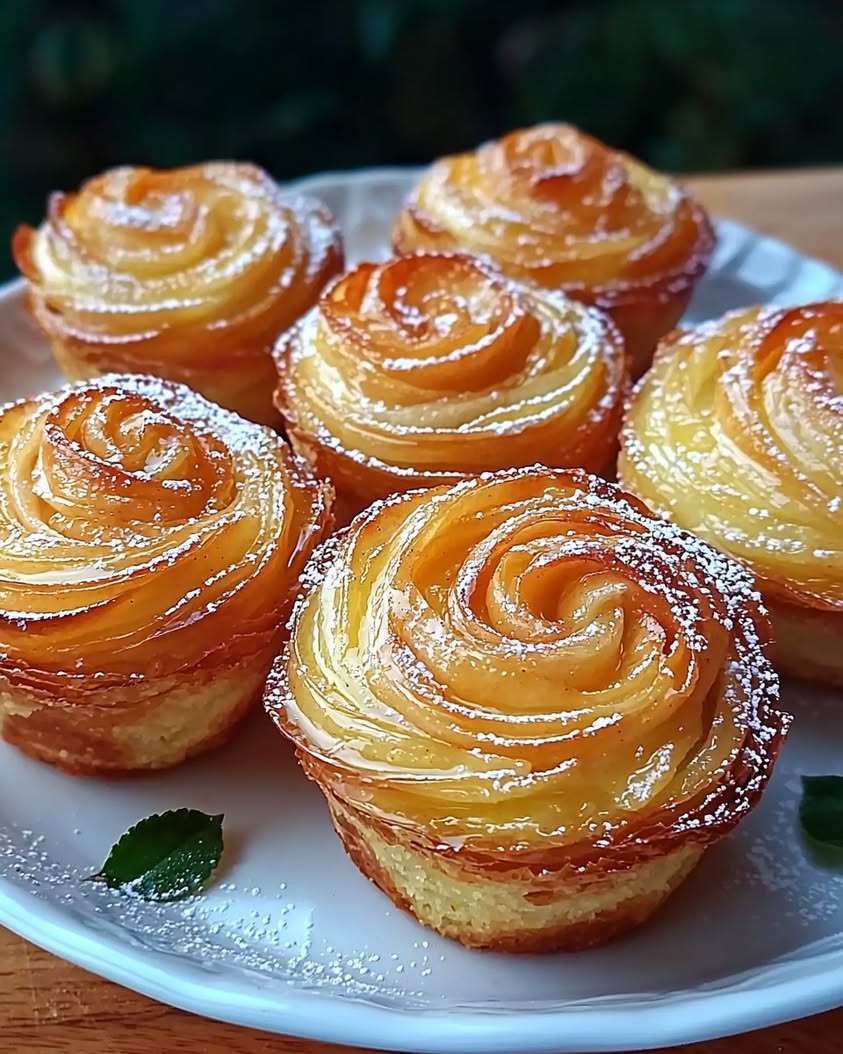
Peach Pie Cruffins: The Ultimate Flaky Pastry Hybrid
Imagine the flaky, buttery layers of a perfect croissant meeting the sweet, spiced heart of a classic peach pie. This dream becomes reality with our Peach Pie Cruffins recipe. Essentially, these are a heavenly hybrid dessert that combines the best elements of two beloved pastries. Consequently, you get a portable, muffin-shaped treat with a tender, laminated interior and a filling that bursts with summer flavor. The result is nothing short of magical for any baking enthusiast.
The process creates a stunning visual and textural experience. As the cruffins bake, the dough puffs up dramatically, creating delicate, paper-thin layers. Meanwhile, the peach pie filling caramelizes slightly at the edges, creating sticky, fragrant pockets of fruit. When you pull one apart, steam escapes, carrying the aroma of cinnamon, butter, and ripe peaches. Ultimately, this recipe is a showstopper, perfect for impressing guests at a brunch or satisfying a sophisticated sweet tooth.
Mastering this recipe provides immense satisfaction. While it requires some patience, the techniques are approachable for a confident home baker. The journey from simple ingredients to an elegant, professional-looking pastry is incredibly rewarding. Furthermore, the final product tastes like it came from a high-end bakery. Let’s dive into creating these exquisite Peach Pie Cruffins, a testament to the joy of creative baking.
Quick Recipe Highlights
- Flavor Profile: These cruffins deliver a beautiful harmony of sweet, juicy peaches and warm, comforting spices like cinnamon and nutmeg. The buttery, slightly salty pastry dough provides the perfect rich base, creating a balanced and complex taste that is neither too sweet nor too plain.
- Texture: Experience a magnificent contrast in every bite. The exterior is shatteringly crisp and sugary, while the interior reveals hundreds of soft, feathery layers. The peach filling adds juicy, tender fruit pieces, ensuring the pastry never feels dry.
- Aroma: While baking, your kitchen will fill with the irresistible scents of brown butter, caramelizing sugar, and sweet stone fruit. Hints of vanilla and spice round out the fragrance, making the wait almost unbearable.
- Visual Appeal: These pastries are golden-brown masterpieces with a sparkling sugar crust. When torn open, they reveal a stunning spiral of peach filling woven through countless delicate, buttery layers, making them incredibly photogenic.
- Skill Level Needed: This recipe is ideal for bakers who have some experience with yeast doughs or laminated pastries. It requires attention to detail and patience for folding and chilling, but the steps are clearly explained for success.
- Special Equipment: A stand mixer with a dough hook attachment is highly recommended for developing the dough. Additionally, you will need a rolling pin, a sharp knife or bench scraper, a standard 12-cup muffin tin, and pastry brushes for egg wash and butter.
Recipe Overview
- Difficulty Level: We classify these Peach Pie Cruffins as intermediate due to the lamination process. Lamination, which involves folding butter into dough to create layers, requires precise temperature control and a few rounds of rolling and chilling. However, with careful following of instructions, even ambitious beginners can achieve excellent results. The payoff in flavor and texture is well worth the effort.
- Category: This recipe firmly belongs in the pastry and dessert category. It is perfect for a special weekend breakfast, an elegant brunch offering, or a decadent afternoon treat with coffee. They also make a spectacular dessert when served warm with a scoop of vanilla ice cream.
- Cuisine: The cruffin is a modern pastry innovation with roots in French and American baking traditions. The croissant technique is classically French, while the muffin shape and pie-style fruit filling are staples of American home baking. This fusion creates a uniquely delicious contemporary treat.
- Cost: Making cruffins at home is surprisingly cost-effective compared to buying them from a boutique bakery. The main expenses are high-quality butter, fresh peaches (or good-quality canned in off-season), and flour. Overall, the ingredients for eight substantial pastries cost less than purchasing two or three from a cafe.
- Season: While you can make these year-round using frozen or canned peaches, they are truly spectacular in peak summer. That is when peaches are at their juiciest, sweetest, and most fragrant. This recipe captures the essence of the season in a portable, flaky package.
- Occasion: These are versatile for many events. They are ideal for summer picnics, bridal or baby showers, holiday brunches, or as a thoughtful homemade gift. Their impressive appearance makes them suitable for celebrations, while their comforting flavor is perfect for a cozy family weekend.
Why You’ll Love This Recipe
First and foremost, the taste and texture are utterly divine. Each bite delivers a symphony of sensations: the initial crunch of the sugar-crusted top, the yielding pull of the flaky layers, and the sweet burst of spiced peach. The butter-rich dough melts in your mouth, while the fruit filling provides a bright, tangy contrast. This combination is deeply satisfying and far more interesting than a standard muffin or pastry. Moreover, the aroma alone is enough to make this recipe a household favorite.
From a convenience perspective, this recipe is brilliantly structured. You can break down the work over two days, making it manageable for a home cook. For instance, prepare the dough and filling one day, then shape, proof, and bake the next morning for a fresh, warm breakfast. The components are also freezer-friendly, allowing you to bake a few cruffins at a time. Consequently, you can enjoy a seemingly complex bakery treat any day of the week with a little planning.
Regarding nutritional advantages, homemade pastries put you in control. You can adjust the sugar level in the filling to suit your preference and use high-quality, real ingredients without preservatives. Peaches provide Vitamin C, fiber, and antioxidants. While certainly a treat, making your own allows for mindful indulgence, and you can even incorporate whole wheat pastry flour into the dough for added fiber.
The social and entertaining value of these cruffins is exceptionally high. Presenting a basket of warm, homemade Peach Pie Cruffins to friends or family creates an instant feeling of generosity and care. They spark conversation and admiration, making you look like a pastry chef. They are a guaranteed centerpiece for any gathering, encouraging people to gather in the kitchen and enjoy them straight from the oven.
Finally, this recipe is cost-effective and accessible. As mentioned, the ingredient list is simple. You likely have many staples like flour, sugar, and spices already in your pantry. By investing a little time instead of money, you create a product that rivals expensive bakery offerings. This accessibility empowers you to master a beautiful skill and enjoy gourmet-quality pastries without the gourmet price tag.
Historical Background and Cultural Significance
The cruffin’s origin story is a modern tale of culinary innovation. Specifically, this hybrid pastry is widely credited to Kate Reid of Lune Croissanterie in Melbourne, Australia, around 2013. Reid, an aerospace engineer turned pastry chef, applied scientific precision to pastry creation. Her goal was to maximize the coveted crispy exterior surface area of a croissant. By baking the laminated dough in a muffin tin, she created a pastry with more crust and a unique shape, thus the “croissant-muffin” or cruffin was born. Its popularity exploded through social media, inspiring bakers worldwide.
Culturally, the cruffin represents the contemporary food movement that celebrates fusion and experimentation. It breaks from strict tradition, taking a classic French technique and repackaging it in a novel, shareable form. In many ways, it reflects our fast-paced, visual food culture where uniqueness and “Instagrammability” are valued. However, at its heart, it still relies on the timeless, skilled craft of laminating dough, connecting the modern baker to centuries of pastry tradition.
The evolution of the cruffin recipe has been rapid and creative. While the original was often filled with creams and custards after baking, savory and fruit-filled versions soon emerged. The Peach Pie Cruffin is a natural progression, marrying the American classic of fruit pie with the European croissant form. This evolution shows how recipes travel and adapt, absorbing local flavors and ingredients. Today, cruffins are a canvas for seasonal produce and creative flavor combinations, from lemon curd to chocolate hazelnut.
Regional variations now abound. In different parts of the world, bakers incorporate local ingredients. For example, a cruffin in Japan might feature matcha and red bean, while one in the American South might use pecans and bourbon. The peach version is particularly beloved in peach-growing regions like Georgia and South Carolina, where it becomes a celebration of local agriculture. This adaptability ensures the cruffin’s place as a dynamic and enduring pastry in the global baking repertoire.
Ingredient Deep Dive
Starting with bread flour, this high-protein flour is crucial for structure. The extra gluten forms a strong, elastic network that can trap steam and withstand the rigorous rolling and folding of lamination. This strength is what allows the dough to rise dramatically and hold those distinct, separate layers. For best results, use a reputable brand and store flour in a cool, dry place. If you must substitute, use all-purpose flour, but be aware the layers may be slightly less defined.
Unsalted butter is the star for flavor and lamination. European-style butter, with a higher fat content, is ideal because it creates more distinct layers and richer taste. The butter must be cold yet pliable for encasing in the dough. Historically, butter’s quality has always defined fine pastry. For storage, keep butter tightly wrapped in the fridge. There is no true substitute for butter in laminated dough; alternatives will not produce the same flaky texture.
Fresh peaches bring seasonal magic. Cultivated for thousands of years, peaches symbolize longevity and immortality in Chinese culture. Nutritionally, they are rich in vitamins A and C, potassium, and fiber. When selecting peaches, look for fruits that are fragrant and yield slightly to gentle pressure. To store, keep unripe peaches at room temperature and refrigerate ripe ones for a few days. For a substitute, high-quality canned peaches in juice (well-drained) or frozen peach slices work well off-season.
Granulated and brown sugar play dual roles. White sugar sweetens the dough, while brown sugar in the filling adds moisture and deep molasses notes that complement the peaches. Sugar’s history is tied to trade and colonialism, but in baking, it’s essential for tenderness, browning, and fermentation food for yeast. Store sugar in airtight containers to prevent clumping. For a deeper flavor, you can use all brown sugar in the filling, or for a less refined option, try coconut sugar.
Whole milk and eggs contribute richness and structure. The milk hydrates the dough and promotes browning, while the egg in the dough adds protein for structure and fat for tenderness. The egg wash gives the baked cruffins their beautiful golden sheen. These dairy and animal products have been baking staples for centuries. For a dairy-free version, full-fat canned coconut milk can replace regular milk, and a plant-based milk with a touch of vinegar can work for the dough.
Common Mistakes to Avoid
- Using warm butter for the laminate: This is the most critical error. If the butter block is too soft, it will ooze out during rolling and mix into the dough, destroying the separate layers. Always ensure the butter is cold but pliable—it should bend without cracking or melting.
- Rushing the chilling steps: Patience is key. If the dough becomes too warm and the butter softens, you must chill it. Skipping or shortening the rest periods leads to tough dough, poor rise, and butter leakage. Respect the fridge time for perfect layers.
- Over-flouring the work surface: While you need some flour to prevent sticking, excessive flour gets worked into the dough edges during folding, drying them out and sealing the layers. This prevents them from rising properly. Use a light hand and a bench scraper.
- Overfilling the cruffins: It’s tempting to add extra peach filling, but too much will leak out during baking, burn on the pan, and make the dough soggy. Use the recommended amount and ensure the filling is not too watery.
- Using overly juicy peaches: Fresh peaches vary in water content. If your filling is too wet, it will steam the layers instead of letting them get crisp. Thicken very juicy fillings with a bit more cornstarch or cook it down briefly beforehand.
- Underproofing before baking: After shaping, the cruffins need a final rise (proof) until they are noticeably puffy. Baking them too soon results in dense, doughy interiors with poor oven spring. Wait for them to look and feel airy.
- Baking at the wrong temperature: An oven that isn’t hot enough won’t create the initial steam burst needed for the “lift,” leading to sad, flat pastries. Conversely, an oven that’s too hot will brown the outside before the inside is fully baked. Use an oven thermometer.
- Not using the muffin tin correctly: For the classic cruffin shape with a wide top, you must generously butter the entire cup, including the top rim. This allows the dough to climb and puff outwards as it bakes.
Essential Techniques
Creating the butter block is your first essential technique. Cut cold butter into tablespoons and pound them together into a flat square using a rolling pin. The goal is a cohesive, pliable sheet that is evenly cold. This block will be enveloped by the dough. The importance lies in having an even layer of fat that will steam during baking, pushing the dough layers apart. The common pitfall is letting the butter get too warm or uneven. Success looks like a smooth, cool rectangle that bends without breaking.
Laminating the dough is the core process. This refers to the series of folds—typically a letter fold or book fold—that create the hundreds of layers. After enclosing the butter block, you roll the dough out into a long rectangle and fold it in thirds. You then chill, roll, and fold again. This technique is important because each fold multiplies the layers. The key is to roll evenly and maintain straight edges. A visual cue for success is seeing no butter breaking through the dough surface during rolling.
Shaping the cruffins is a unique step. After the final chill, you roll the dough into a large rectangle, spread the filling, and roll it into a tight log. Then, you cut the log lengthwise and twist the two halves together before coiling them into the muffin tin. This technique is important for integrating the filling beautifully and creating the signature spiral. The common pitfall is cutting unevenly or twisting too loosely. Success results in a stable, well-defined spiral that holds its shape in the tin.
Applying the egg wash properly is a final touch with big impact. Whisk an egg with a little milk or water until completely smooth. Brush it gently but thoroughly over the shaped, proofed cruffins just before baking. This technique is important for achieving that deep, glossy, golden-brown finish. The common mistake is using a globby, uneven wash or brushing so hard you deflate the dough. The visual cue is a thin, even, shiny coating that isn’t pooling in the crevices.
Pro Tips for Perfect Peach Pie Cruffins
Chill your tools. Briefly place your rolling pin and even your mixing bowl in the freezer before starting. This helps keep the dough cool during the lamination process, especially in a warm kitchen.
Use a ruler. Precision matters in laminating. Measuring your dough rectangle during each roll ensures even thickness and proper folding, leading to consistent, beautiful layers.
Rest your filling. After mixing the peach filling, let it sit for 15 minutes. This allows the sugar to draw out some juice and the cornstarch to begin thickening, preventing a soggy bottom.
Score the top. Just before baking, use a very sharp knife to make a shallow slash on the top of each proofed cruffin. This gives the steam a controlled escape route and encourages an even rise.
Start with a steam burst. For maximum oven spring, toss a few ice cubes into the bottom of your hot oven when you put the cruffins in. The steam helps the layers puff before setting.
Rotate the pan. Halfway through baking, rotate your muffin tin 180 degrees. This ensures even browning, as most ovens have hot spots that can cause uneven color.
Immediately remove from tin. Let the baked cruffins rest in the pan for only 5 minutes, then carefully transfer them to a wire rack. This stops the cooking and prevents the bottoms from steaming and becoming soggy.
Finish with flavor. While still warm, brush the tops with a simple peach glaze or a light syrup, then roll in coarse sugar for an extra crunch and professional finish.
Variations and Adaptations
For regional variations, consider a Southern twist by adding a tablespoon of bourbon to the peach filling and sprinkling the tops with chopped pecans before baking. A Mediterranean version could use figs and honey with a touch of orange zest. These adaptations honor local ingredients and flavor profiles, making the recipe your own.
Seasonal adaptations are endless. In fall, replace peaches with spiced apple or pear filling. For winter, try a cranberry-orange or gingerbread-spiced version. Spring welcomes berry medleys like strawberry-rhubarb. Using frozen fruit is perfectly acceptable, just ensure you adjust the cornstarch to account for extra liquid released during thawing.
Dietary modifications are straightforward. For a gluten-free version, use a high-quality 1:1 gluten-free flour blend designed for yeast baking. For vegan cruffins, use plant-based butter and milk, and replace the egg in the dough with a flax egg. The egg wash can be replaced with plant milk or a maple syrup glaze.
Flavor variations can explore different spices. Cardamom or ginger pair wonderfully with peaches. Alternatively, infuse the butter with vanilla bean or Earl Grey tea before making the butter block for a subtle, sophisticated background note. A almond paste swirl added with the peaches creates a marvelous marzipan flavor.
Texture modifications can cater to preferences. For a crunchier top, sprinkle with pearl sugar or sliced almonds before baking. For a softer, more brioche-like interior, you can add an extra egg yolk to the dough. If you prefer a less flaky, more tender crumb, reduce the number of laminating folds from three to two.
Presentation alternatives offer creative freedom. Instead of a muffin tin, you can shape the filled log into a large spiral on a baking sheet for a “cruffin cake.” For individual servings, cut the log into pinwheels and bake them flat on a parchment-lined sheet for peach pie danishes. The same dough and filling can also be braided for a stunning centerpiece.
Serving and Presentation Guide
Plating techniques should highlight the cruffin’s beautiful interior. Always serve them whole on individual plates or a communal board, but provide a knife so guests can cut them open to reveal the spiral. Placing them on a simple, neutral-colored plate or a piece of parchment paper makes the golden color pop. For a rustic look, serve them in a lined basket or on a wooden slab.
Garnishing ideas should be simple and complementary. A dusting of powdered sugar adds elegance. A fresh mint leaf or a thin slice of fresh peach placed beside the cruffin on the plate enhances the visual appeal. A dollop of lightly sweetened whipped cream or crème fraîche on the side is both a garnish and an accompaniment.
Traditional accompaniments include vanilla ice cream, transforming the cruffin into a decadent dessert. For brunch, pair with freshly whipped cream or a side of Greek yogurt. A simple fruit salad with berries balances the richness. Coffee, both hot and iced, is the classic beverage partner, cutting through the butteriness.
Modern serving suggestions might include a drizzle of salted caramel or honey over the top. For a restaurant-style presentation, place a quenelle of peach compote or lemon curd on the plate. Serving them slightly deconstructed—with the filling partly scooped out and placed artistically around the pastry—creates a contemporary, chef-inspired look.
Temperature considerations are key. Peach Pie Cruffins are best served warm, about 20-30 minutes after baking, when the layers are still crisp and the filling is soft. If serving later, reheat in a 300°F oven for 5-8 minutes to restore texture. They can be enjoyed at room temperature but will lose some of their flaky contrast.
Portion control tips are helpful given their richness. One cruffin is a substantial serving. For a larger gathering, consider cutting them in half or even into quarters to allow guests to sample other items. Mini cruffins, made in a mini-muffin tin, are perfect for buffets or parties where smaller bites are preferred.
Wine and Beverage Pairing
Wine pairings should complement the sweet fruit and buttery pastry. A late-harvest Riesling or Gewürztraminer with their notes of apricot and peach mirror the filling’s flavor. A sparkling Moscato d’Asti provides a refreshing, bubbly contrast. For a richer option, a lightly oaked Chardonnay can stand up to the butter. Avoid overly dry or tannic wines, as they will clash with the sweetness.
Non-alcoholic alternatives are abundant. Iced peach tea or a peach-flavored sparkling water echoes the main ingredient. A vanilla cream soda mimics the dessert’s creamy, sweet aspects. For a sophisticated option, a ginger beer provides a spicy kick that cuts through the richness beautifully. Freshly squeezed orange juice also pairs well, especially for brunch.
Coffee and tea pairings are classic. A medium-roast coffee with low acidity balances the pastry without overpowering it. A cappuccino’s frothy milk complements the buttery layers. For tea, choose a black tea like Earl Grey, whose bergamot notes are lovely with peach, or a fragrant herbal tea such as peach or chamomile for a caffeine-free option.
Temperature considerations for beverages depend on the serving time. For a warm morning cruffin, serve hot coffee or tea. For an afternoon or dessert serving, iced coffee, cold brew, or iced tea are refreshing. Chilled wines and sparkling waters should be served cold but not ice-cold, to allow their flavors to emerge alongside the pastry.
Serving suggestions involve presentation. Serve coffee in a large mug to allow for dipping. Pour sparkling wines into flute glasses to celebrate the occasion. For non-alcoholic options, use pretty glasses with ice and a garnish—a peach slice for iced tea or a cinnamon stick for apple cider. The right glassware elevates the entire experience.
Storage and Shelf Life
Storage methods depend on timing. For same-day consumption, store cooled cruffins in a single layer on a plate at room temperature, loosely covered with a clean kitchen towel. This preserves the crust’s texture for a few hours. Never store them in an airtight container while still warm, as condensation will make them soggy.
Temperature requirements are specific. For longer storage, room temperature is best for up to 24 hours. For 2-3 days, refrigeration is necessary due to the dairy and fruit filling. However, refrigeration will soften the flaky layers. Therefore, the best long-term storage is in the freezer, where they can last for up to 2 months with minimal quality loss.
Container recommendations vary. Use a paper bag for short-term room temp storage to allow airflow. For the fridge, place them in a single layer in an airtight container, separated by parchment paper. For freezing, wrap each cruffin individually in plastic wrap, then place them all in a heavy-duty freezer bag, squeezing out all air.
Signs of spoilage include an off or sour smell, visible mold (often fuzzy green or white spots), or an excessively soggy, mushy texture. If the peach filling was undercooked or too wet, it can ferment. When in doubt, especially after several days, it is safest to discard the pastry.
Reheating instructions are crucial for restoring texture. To reheat a room-temperature or refrigerated cruffin, place it on a baking sheet in a 350°F oven for 5-10 minutes until warm and crisp. For a frozen cruffin, do not thaw. Bake directly from frozen at 325°F for 15-20 minutes. Avoid the microwave, as it will turn the layers rubbery and soggy.
Freezing guidelines focus on proper technique. Freeze cruffins on the day they are baked, after they have cooled completely. Flash-freeze them on a baking sheet for one hour before wrapping to prevent them from sticking together. This individual freezing step ensures you can remove and bake one at a time as needed.
Make Ahead Strategies
Prep timeline can be spread over two days for manageable baking. On Day 1, prepare the dough through the final lamination folds, then wrap it tightly and refrigerate overnight. Also, prepare the peach filling and store it in an airtight container in the fridge. On Day 2, remove the dough, let it soften slightly, then proceed with rolling, filling, shaping, proofing, and baking. This breaks up the work perfectly.
Storage between steps is all about temperature control. The dough can rest in the fridge for up to 48 hours after mixing or between folds. You can also freeze the fully laminated dough block for up to a month; thaw overnight in the refrigerator before using. The filling can be made up to 3 days ahead. Keeping components cold is the secret to successful lamination.
Quality impact assessment shows that a slow, cold rise in the fridge actually improves flavor. The extended fermentation allows the yeast to develop more complex tastes. The filled, shaped cruffins can also complete their final proof slowly in the fridge overnight. Simply take the muffin tin from the fridge, let it sit at room temperature for 30 minutes, then bake. This “cold proof” yields excellent flavor and structure.
Assembly tips for make-ahead involve timing. If you shape the cruffins the night before, cover the muffin tin tightly with plastic wrap and refrigerate. The next morning, they may have already completed their proof in the fridge. If not, let them sit at room temperature until puffy. This method is ideal for fresh-baked breakfast with minimal morning effort.
Reheating guidelines for make-ahead batches are simple. If you bake a full batch ahead, let them cool completely, then freeze. Reheat from frozen as directed. For a partial batch, store baked cruffins at room temperature and reheat in the oven to restore crispness. The make-ahead approach guarantees a fresh-tasting pastry anytime.
Fresh element additions should be considered. If making components days ahead, add a squeeze of fresh lemon juice to the peach filling just before assembly to brighten the flavor. You can also brush the baked cruffins with a fresh peach glaze (peach jam thinned with water) after reheating to add a glossy, fruity top note that tastes freshly made.
Scaling Instructions
Halving the recipe is straightforward for a smaller batch. Precisely halve all ingredient weights using a kitchen scale for accuracy. The process remains identical, but you will end up with a smaller dough rectangle. A half-recipe fits perfectly in a standard 6-cup muffin tin. The baking time may be reduced by 2-3 minutes, so start checking for doneness early.
Doubling or tripling the recipe requires planning. Use a large stand mixer or mix in batches. You may need to divide the dough into two pieces for the lamination process to manage size. Ensure you have enough refrigerator space for the larger dough mass to chill properly. Baking may require multiple oven racks and rotating pans halfway through for even heat.
Equipment adjustments are necessary when scaling. For a double batch, you will need two muffin tins or bake in consecutive batches. Ensure your rolling surface is large enough to accommodate the bigger dough sheet. A larger, heavier rolling pin can make handling big dough batches easier. Always have extra parchment paper and flour on hand.
Timing modifications are minimal when scaling up or down. The laminating and chilling times remain the same regardless of batch size, as the dough thickness is consistent. The final proofing time may vary slightly—a larger batch in a cool kitchen might take longer to proof. The baking time is primarily affected by the size of the individual cruffins, not the quantity in the oven.
Storage considerations change with scale. A large batch means you’ll likely freeze more. Portion and wrap cruffins individually before freezing for easy grab-and-bake convenience. If giving them as gifts, scale up and bake in batches, freezing the extras until needed. Label all frozen items with the date and contents.
Nutritional Deep Dive
Macro breakdown for one cruffin is approximate but informative. Expect a balance of carbohydrates from the flour, sugar, and fruit, fats from the butter and egg, and a modest amount of protein from the flour and dairy. This is an energy-dense food, providing sustained calories perfect for a special occasion or active day. The specific balance makes it a treat rather than an everyday food.
Micronutrient analysis reveals contributions from the peaches, including Vitamin A for vision and immune function, Vitamin C for skin health, and potassium for heart function. The egg provides choline for brain health. Using whole milk adds calcium and Vitamin D. While not a health food, the recipe does incorporate nutrient-dense ingredients within a indulgent framework.
Health benefits are linked to mindful consumption and ingredient quality. Homemade versions avoid trans fats and excessive preservatives found in some commercial pastries. The satisfaction from a truly delicious, high-quality treat can support a positive relationship with food, preventing feelings of deprivation. Enjoying such pastries as part of a balanced diet is a key principle of sustainable healthy eating.
Dietary considerations are important for those monitoring intake. This recipe contains gluten, dairy, eggs, and refined sugar. Individuals with allergies or intolerances to these ingredients should refer to the dietary adaptations section for modification ideas. For those counting carbohydrates or fats, this is a high-value treat to be savored in moderation.
Portion analysis shows one cruffin is a complete serving. Due to its richness, most people find one satisfying. Cutting a cruffin in half to share is an excellent strategy for calorie control while still enjoying the experience. Pairing a half with a protein-rich side, like Greek yogurt, can create a more balanced meal.
Weight management tips involve integration, not exclusion. Schedule peach cruffin enjoyment for a day when you can be active. Eat mindfully, savoring each bite at a table without distraction. Balance the rest of your day’s meals with lean proteins, vegetables, and whole grains. This approach allows you to enjoy special foods without derailing health goals.
Dietary Adaptations
For a gluten-free version, use a 1:1 gluten-free flour blend that contains xanthan gum. Brands like Bob’s Red Mill or Cup4Cup work well. Be gentle when mixing and laminating, as GF dough can be more fragile. You may need slightly more chilling time. The results will be slightly more tender and crumbly than wheat-based dough but still delicious.
Dairy-free adaptations replace butter with a high-fat, firm plant-based butter like Miyoko’s or Earth Balance sticks. Replace whole milk with a full-fat, neutral-flavored plant milk such as oat or soy milk. Ensure the margarine is very cold for lamination. The flavor will differ slightly, but the layers can still be successful with careful temperature control.
Vegan cruffins combine the dairy-free substitutions with an egg replacement. For the dough, use a “flax egg” (1 tbsp ground flaxseed mixed with 3 tbsp water per egg). For the egg wash, use plant milk brushed on, then sprinkle with sugar. The filling is naturally vegan if you use a plant-based butter. The rise may be slightly less, but the flavor will be great.
Low-carb and keto adaptations require significant changes. Replace the flour with a mix of almond flour and coconut flour, and use a sugar substitute like erythritol or allulose. The lamination technique is nearly impossible to replicate perfectly without gluten, so expect a more dense, scone-like texture. Increase the peach flavor using a sugar-free peach extract or concentrate in the filling.
Paleo adaptations also use grain-free flours like almond and tapioca starch. Use ghee or coconut oil instead of butter, and a natural sweetener like honey or maple syrup in the filling. The dough will not laminate in the traditional sense but can be layered roughly for a similar effect. This version is best treated as a inspired treat rather than a duplicate.
Low-FODMAP adaptation focuses on the peaches. Use canned peaches in juice, as the canning process reduces fructans, and limit the portion to a 1/4 cup of peaches per cruffin. Replace the wheat flour with a gluten-free, low-FODMAP flour blend and use lactose-free milk. The small serving size helps manage FODMAP intake while allowing enjoyment.
Troubleshooting Guide
If your dough is tough and chewy, the gluten was likely overdeveloped. This happens from over-kneading or using too much flour during rolling. Next time, mix just until the dough comes together, and use a light hand with flour on the surface. For now, ensure long, adequate chilling to relax the gluten before baking.
If butter leaks out during baking, the dough became too warm, or the butter wasn’t properly enclosed. The layers may still be decent. Place a baking sheet on the rack below to catch drips. Next time, chill the dough thoroughly between folds and ensure the seams are well-sealed when you first enclose the butter block.
If the cruffins are dense and didn’t rise, the yeast may have been old or killed by too-hot liquid. Alternatively, the dough may have been under-proofed. For future bakes, always proof yeast in liquid that’s warm, not hot, to the touch. Allow the shaped cruffins to proof until they look and feel noticeably puffy and airy.
If the filling is soggy or leaked everywhere, the peaches were too watery or you overfilled. Thicken very juicy fillings with an extra teaspoon of cornstarch
Print
Peach Pie Cruffins
Description
A delightful fusion of croissant and muffin, these cruffins are filled with sweet peach pie filling and topped with a cinnamon sugar glaze for a perfect breakfast or dessert treat.
Ingredients
For the Crust:
- 2 sheets puff pastry, thawed
- 1 cup peach pie filling, chopped
- 1/2 cup granulated sugar
- 1 tablespoon ground cinnamon
- 1/4 cup unsalted butter, melted
- 1 cup powdered sugar
- 2 tablespoons milk
- 1 teaspoon vanilla extract
Instructions
1. Prepare the Crust:
- Preheat oven to 375°F (190°C) and grease a muffin tin.
- Roll out puff pastry sheets and cut each into 6 rectangles. Spread a spoonful of peach pie filling along each rectangle, then roll up tightly from the long side.
- Cut each roll in half crosswise and place cut-side up in muffin tin. Brush with melted butter and bake for 20-25 minutes until golden.
- Mix granulated sugar and cinnamon in a bowl. While cruffins are warm, roll them in the cinnamon sugar mixture.
- Whisk powdered sugar, milk, and vanilla to make glaze. Drizzle over cooled cruffins before serving.
Notes
You can customize the seasonings to taste.

I’m Shaykee—born in Morocco, seasoned across continents. From airplane galleys to home kitchens, I share the flavors and stories that shaped my journey.