
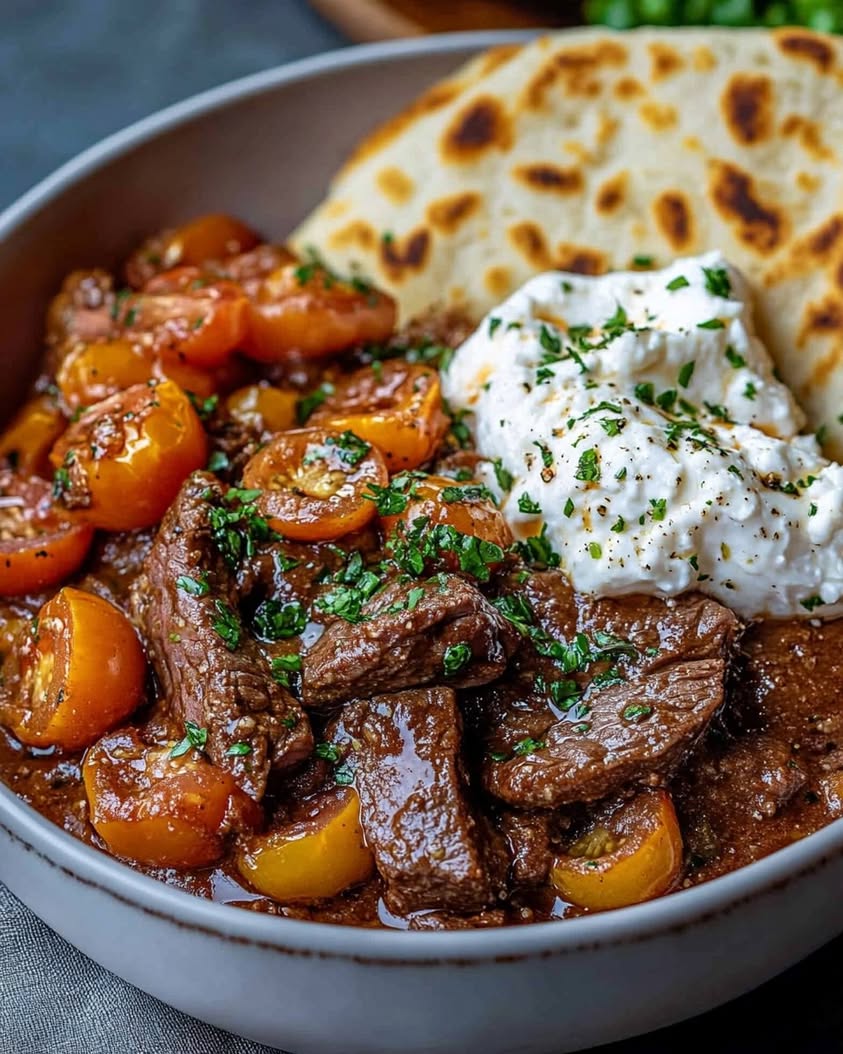
Silky Roast Beef & Creamy Burrata Salad with Heirloom Tomatoes and Balsamic Glaze: A Stunning, Elegant Meal Ready in Minutes!
Imagine a dish that looks like it came from a high-end restaurant but requires almost zero cooking. This silky roast beef and creamy burrata salad with heirloom tomatoes and balsamic glaze is exactly that. It is a masterpiece of contrasting textures and vibrant flavors that comes together in a flash. Furthermore, it is perfect for those warm evenings when you want something impressive yet refreshingly simple.
The star of this show is the luxurious combination of tender, thinly sliced roast beef and the decadent creaminess of fresh burrata cheese. Paired with sweet, juicy heirloom tomatoes and a drizzle of rich balsamic glaze, every bite is a symphony. Consequently, this salad is not just a meal; it is an experience that feels indulgent and light at the same time.
Ultimately, this recipe proves that gourmet dining does not require hours in the kitchen. With a few quality ingredients and minimal effort, you can create a centerpiece dish that will wow your family and guests. This silky roast beef and creamy burrata salad is your ticket to effortless elegance.
Quick Recipe Highlights
- Flavor Profile: This salad delivers a sophisticated balance. The savory, umami-rich roast beef pairs perfectly with the sweet acidity of heirloom tomatoes. Meanwhile, the balsamic glaze adds a tangy sweetness that ties everything together.
- Texture: You will experience a delightful contrast in every forkful. The silky, tender roast beef meets the luscious, creamy burst of burrata. Additionally, the firm yet juicy tomatoes provide a satisfying bite.
- Aroma: The aroma is fresh and inviting. First, you will notice the earthy scent of high-quality beef. Next, the sweet fragrance of ripe tomatoes and the sharp, tangy note of balsamic vinegar complete the sensory experience.
- Visual Appeal: This dish is a feast for the eyes. The deep red of the beef, the white and yellow of the burrata, and the rainbow of heirloom tomato colors create a stunning plate. Finally, the dark balsamic glaze adds artistic drizzles.
- Skill Level Needed: This is a beginner-friendly recipe. It requires no actual cooking, just simple assembly and a good eye for presentation. Therefore, anyone can achieve restaurant-quality results.
- Special Equipment: You need only a sharp knife for slicing and a serving platter. A mandoline can help achieve paper-thin beef slices, but it is optional. Consequently, cleanup is incredibly easy.
Recipe Overview
- Difficulty Level: This recipe is rated easy because it involves no heat application or complex techniques. The primary skills are simple knife work and artistic plating. As a result, it is accessible to cooks of all levels.
- Category: This dish fits multiple categories beautifully. It is a substantial main course salad, a stunning appetizer, or a luxurious side dish. Moreover, it works for lunch, dinner, or special occasions.
- Cuisine: The recipe draws inspiration from modern Italian-American cuisine, celebrating fresh, high-quality ingredients. It takes the classic Caprese salad and elevates it with the addition of premium roast beef.
- Cost: While burrata and high-quality roast beef are premium items, this recipe uses them efficiently. You can feed four people a luxurious meal for less than the cost of one restaurant entrée. Therefore, it is a cost-effective way to dine in style.
- Season: This salad shines in late summer when heirloom tomatoes are at their peak sweetness and flavor. However, it can be made year-round with greenhouse tomatoes or other seasonal produce.
- Occasion: It is perfect for date nights, dinner parties, or a special weekend family meal. It also makes an impressive contribution to a potluck or picnic, as it travels well when assembled just before serving.
Why You’ll Love This Recipe
First and foremost, the taste and texture appeal is undeniable. The silky roast beef provides a savory, protein-rich base that feels indulgent. Paired with the cool, creamy burrata, each bite is a luxurious contrast. The heirloom tomatoes burst with natural sweetness, cutting through the richness. Finally, the balsamic glaze adds a complex, tangy-sweet note that elevates every component. This combination is sophisticated yet deeply satisfying, making it a dish you will crave repeatedly.
Next, consider the convenience and preparation benefits. This entire elegant meal comes together in about fifteen minutes with zero cooking. It is the ultimate solution for busy weeknights or last-minute entertaining. You simply arrange beautiful ingredients on a platter. Consequently, you spend less time in the kitchen and more time enjoying the company of your guests. It is proof that impressive food does not have to be complicated.
Furthermore, the recipe offers notable nutritional advantages. Roast beef is an excellent source of high-quality protein, iron, and B vitamins. Heirloom tomatoes are packed with vitamins A and C, potassium, and the antioxidant lycopene. Burrata provides calcium and protein, though it is higher in fat. By using a reduced balsamic glaze, you add flavor without excessive sugar or sodium. Altogether, this creates a balanced meal that fuels your body beautifully.
Additionally, the social and entertaining value is immense. Presenting this stunning platter at the table creates an instant “wow” factor. It encourages sharing and conversation, making the meal more interactive and enjoyable. Guests will feel treated to a restaurant-quality experience in the comfort of your home. Therefore, it builds wonderful memories around the dinner table with minimal stress for the host.
Finally, the cost-effectiveness and accessibility are key benefits. While the ingredients sound fancy, they are readily available at most well-stocked grocery stores. Compared to dining out, preparing this silky roast beef and creamy burrata salad at home saves significant money. You control the quality and portion size. Moreover, the recipe is easily adaptable based on what is fresh and available, making it a versatile staple in your repertoire.
Historical Background and Cultural Significance
The origins of this dish are rooted in the fusion of Italian antipasto traditions and modern gourmet salad culture. Antipasto, meaning “before the meal,” often features cured meats and fresh cheeses. Specifically, the combination of tomatoes and mozzarella is iconic in the form of Insalata Caprese. This salad, symbolizing the colors of the Italian flag, is a celebration of fresh, simple ingredients. The addition of roast beef is a contemporary twist, adding a hearty, savory element that transforms the plate into a main course.
Culturally, the dish represents a shift towards “assembled” gourmet meals. In today’s fast-paced world, there is a high value placed on recipes that deliver maximum flavor with minimal cooking. This silky roast beef and creamy burrata salad perfectly encapsulates that desire. It honors the Italian philosophy of using a few exceptional ingredients. Simultaneously, it caters to the modern need for quick, beautiful, and satisfying food that feels special.
The evolution of the recipe is tied directly to ingredient availability. Burrata cheese, once a rare find outside of Italy, is now common in supermarkets worldwide. Similarly, high-quality, thinly sliced roast beef from the deli counter has become a convenient staple. The popularity of heirloom tomatoes has also soared, with gardeners and farmers markets offering stunning varieties. Consequently, what was once a chef’s secret is now an accessible home cook’s dream.
Regional variations of this concept abound. In France, one might find a similar plate with thinly sliced *jambon de Paris* and a Dijon vinaigrette. Across the American South, it could be adapted with country ham and a pepper jelly glaze. The core idea remains: pairing luxurious, ready-to-eat proteins with fresh cheese and produce. This flexibility is a testament to the recipe’s solid foundation and its appeal across different culinary traditions.
Ingredient Deep Dive
Let us start with the silky roast beef. High-quality deli-sliced roast beef is the savory anchor of this salad. Ideally, choose a rare or medium-rare roast beef from the service counter, not pre-packaged. This ensures better flavor and a more tender texture. Look for beef with minimal additives or seasoning. From a nutritional standpoint, it is a fantastic source of complete protein, iron, and zinc. Store it in the coldest part of your refrigerator and use it within three days of purchase for the best quality and food safety.
Next, consider the creamy burrata. Burrata is a fresh Italian cheese made from mozzarella and cream. The outer shell is solid mozzarella, while the inside contains stracciatella and cream, giving it an irresistibly soft, creamy texture. Its name comes from the Italian word “burro,” meaning butter. Nutritionally, it provides calcium and protein but is richer in fat than standard mozzarella. Always buy burrata as fresh as possible and consume it by the “use by” date. For the best experience, let it come to room temperature for about 20 minutes before serving to maximize its creamy texture.
Now, examine the heirloom tomatoes. Heirloom tomatoes are open-pollinated varieties passed down through generations. They are prized for their superior flavor, vibrant colors, and unique shapes compared to standard hybrid tomatoes. Culturally, they represent a movement towards preserving biodiversity and taste in our food supply. They are rich in vitamins A and C, potassium, and the antioxidant lycopene. Select tomatoes that are heavy for their size, fragrant, and free of bruises. Never refrigerate them, as cold temperatures degrade their texture and flavor. Store them stem-side down on your counter.
Finally, analyze the balsamic glaze. True traditional balsamic vinegar, Aceto Balsamico Tradizionale, is aged for years and is incredibly expensive. For this recipe, a good-quality commercial balsamic glaze or reduction is perfect. It is made by simmering balsamic vinegar with a little sugar until it thickens into a syrup. This process concentrates the flavor, creating a sweet-tart complement to the rich ingredients. While it adds sugars, a little goes a long way in terms of impact. You can find it in the vinegar or salad dressing aisle. Store it in a cool, dark pantry after opening.
Common Mistakes to Avoid
- Using Cold Ingredients Straight from the Fridge: Serving burrata and tomatoes ice-cold mutes their flavors and makes the burrata firm. Always let them sit at room temperature for 20-30 minutes before assembling. This simple step dramatically improves the taste and texture of the entire dish.
- Choosing Low-Quality, Pre-Packaged Roast Beef: The thin, sometimes dry roast beef found in sealed packages lacks the tenderness and flavor needed. Instead, always ask for fresh-sliced roast beef at the deli counter. Specify that you want it sliced thin, but not shaved, for the best texture.
- Overcomplicating the Dressing: The beauty of this salad is in the purity of the ingredients. Avoid drenching it in a heavy vinaigrette. The balsamic glaze, along with the natural juices from the tomatoes and a drizzle of good olive oil, is all you need. Additional dressing can overwhelm the delicate flavors.
- Slicing Tomatoes Too Early: If you slice tomatoes hours in advance, they lose moisture and become watery. For the best texture and presentation, slice your heirloom tomatoes just before you are ready to assemble the platter. This keeps them firm and juicy.
- Not Seasoning Each Layer: Seasoning is crucial. Do not forget to sprinkle a little flaky sea salt and freshly cracked black pepper on the tomatoes and the roast beef as you layer them. Seasoning each component individually ensures every bite is perfectly balanced.
- Using a Dull Knife to Slice: A dull knife will crush your delicate tomatoes and tear the tender roast beef. Use a sharp chef’s knife or serrated tomato knife for clean, beautiful slices. This makes a significant difference in the final presentation.
- Skipping the Fresh Basil: Fresh basil is not just a garnish; it is a vital flavor component that adds a bright, aromatic note. Tear the leaves by hand instead of cutting them with a knife to prevent bruising and blackening.
- Arranging the Burrata Incorrectly: Placing the whole ball of burrata in the center makes it hard to serve. For easier sharing and a more elegant look, tear the burrata into large, rustic pieces and scatter them across the platter.
Essential Techniques
The first essential technique is proper ingredient temperature management. Allowing the burrata and tomatoes to come to room temperature is non-negotiable. Cold burrata loses its luxurious, creamy texture and becomes firm. Cold tomatoes have muted flavor. By letting them warm up slightly, you allow their natural flavors and textures to shine. This simple step transforms the dish from good to exceptional. The visual cue for success is a burrata that looks soft and yields easily to a spoon.
Another key technique is artistic but effortless plating. Start with a large, flat platter or a wide, shallow bowl. Arrange the tomato slices and roast beef in overlapping, alternating layers rather than in separate piles. This creates visual interest and makes serving easier. Scatter the torn burrata pieces throughout. The goal is to create a composition that looks abundant and inviting. Finally, drizzle the balsamic glaze in a loose, zigzag pattern across the entire platter for a professional finish.
Mastering the tear for both basil and burrata is also important. Tearing fresh basil by hand releases its aromatic oils more effectively than cutting, which can bruise the leaves. Similarly, tearing the burrata into pieces with your hands creates beautiful, rustic edges that catch the glaze and olive oil. Using a knife on the burrata can make it look too uniform and can smear the creamy interior. The tactile approach yields a more authentic and visually appealing result.
Pro Tips for Perfect Silky Roast Beef and Creamy Burrata Salad
First, invest in a high-quality extra virgin olive oil for drizzling at the end. A fruity, peppery oil will add another layer of flavor that complements the other ingredients perfectly.
For an extra flavor boost, lightly dress the arugula base with a squeeze of lemon juice and a pinch of salt before adding the other components. This wakes up the greens.
If your balsamic glaze is very thick, warm the bottle in a cup of hot water for a minute. This will make it easier to drizzle in thin, elegant lines.
Add a textural contrast by sprinkling toasted pine nuts or walnuts over the finished salad. The crunch provides a wonderful counterpoint to the creamy and silky elements.
For the most vibrant color, use a mix of heirloom tomato varieties. Combine red, yellow, orange, and even purple tomatoes for a visually stunning platter.
If you cannot find burrata, fresh mozzarella (mozzarella di bufala is ideal) is a excellent substitute. The flavor profile remains similar, though you will miss the creamy center.
Let the assembled platter sit for five minutes before serving. This allows the flavors to meld slightly and the tomatoes to release some of their juices, creating a light, natural dressing.
Variations and Adaptations
For regional variations, consider the ingredients local to your area. In the Pacific Northwest, you might add smoked salmon instead of roast beef. In the South, substitute with thinly sliced country ham and a peach glaze. A Mediterranean version could feature grilled lamb strips and a mint-infused yogurt drizzle. These adaptations keep the spirit of the recipe while reflecting local tastes and available produce. Consequently, the dish becomes a canvas for your regional culinary identity.
Seasonal adaptations are straightforward. In peak summer, use heirloom tomatoes and fresh basil. For fall, try roasted squash or beets with the roast beef and a sage-infused oil. During winter, use roasted cherry tomatoes and add segments of citrus like blood orange. In spring, incorporate blanched asparagus tips and fresh peas. The core formula of protein, creamy cheese, and a sweet-acidic element remains flexible. Therefore, you can enjoy this salad concept all year round.
Dietary modifications are easy to implement. For a gluten-free version, ensure your balsamic glaze is certified gluten-free. To make it dairy-free, substitute the burrata with a creamy vegan cashew or almond “cheese.” For a lower-carb or keto adaptation, simply increase the amount of roast beef and reduce the quantity of tomatoes slightly. A paleo version would omit the cheese and add more vegetables like sliced avocado. The recipe is wonderfully adaptable to most dietary needs.
Serving and Presentation Guide
Plating techniques make all the difference. Use a large, white or neutral-colored platter to let the vibrant colors of the ingredients pop. Start with a bed of fresh arugula or baby greens for height and color contrast. Then, artfully arrange the tomato and roast beef slices, allowing them to overlap and cascade. Scatter the torn burrata throughout, ensuring every serving will get a piece. Finally, drizzle the balsamic glaze and extra virgin olive oil in a loose, criss-cross pattern. The result should look abundant, not messy.
Garnishing is the final touch. Beyond the torn basil, consider adding microgreens for an elegant finish. A sprinkle of flaky sea salt, like Maldon, just before serving adds a delightful crunch and bursts of salinity. Freshly cracked black pepper is essential. For a touch of color, edible flowers like nasturtiums or borage are stunning. Remember, garnishes should be edible and complement the flavor profile, not just sit on the plate for looks.
Consider traditional and modern accompaniments. Crusty bread or grilled ciabatta is a classic side to soak up the delicious juices and glaze. For a lighter meal, serve it alone as a main course salad. To turn it into a more substantial feast, add a side of roasted potatoes or a simple pasta. For a wine pairing, a light-bodied red like Pinot Noir or a crisp white like Sauvignon Blanc works beautifully. Ultimately, let the occasion guide your serving style.
Wine and Beverage Pairing
For wine pairings, you have excellent options. A light-bodied, fruity red wine like Pinot Noir or Beaujolais complements the savory beef without overpowering the delicate burrata and tomatoes. Alternatively, a dry rosé with its bright acidity and berry notes is a fantastic summer choice. If you prefer white wine, a crisp Sauvignon Blanc or Pinot Grigio with high acidity will cut through the richness of the cheese and balance the sweet glaze. The key is to choose wines with good acidity to refresh the palate between bites.
Non-alcoholic alternatives can be just as sophisticated. Sparkling water with a twist of lemon or lime is always refreshing. For a more crafted option, try a virgin basil lemonade, which echoes the herbal notes in the salad. Iced hibiscus tea offers a tart, cranberry-like flavor that pairs wonderfully with the balsamic. Even a simple, high-quality ginger beer provides a spicy kick that cleanses the palate. The goal is to offer a beverage that contrasts and complements the dish’s rich and tangy flavors.
Storage and Shelf Life
This salad is best enjoyed immediately after assembly. However, you can store components separately for quick assembly later. Keep the sliced roast beef in an airtight container in the refrigerator for up to three days. Store whole heirloom tomatoes at room temperature and slice them just before serving. Keep the burrata in its liquid in the fridge until ready to use. The balsamic glaze can be stored at room temperature. If you have leftovers, they will keep for a day, but the tomatoes will release water and the burrata will lose its perfect texture.
Signs of spoilage are important to recognize. If the roast beef develops a sour smell, a slimy texture, or an off-color, discard it immediately. Burrata that smells overly sour or ammoniated should not be consumed. Mold on tomatoes is a clear sign to throw them away. Because this dish uses fresh, perishable ingredients, always err on the side of caution. Do not attempt to freeze any assembled part of this salad, as freezing will ruin the texture of the tomatoes, beef, and cheese completely.
Make Ahead Strategies
You can efficiently prep this recipe in stages. The day before, purchase your ingredients. Up to a few hours before serving, wash and dry your greens, and wash the tomatoes. Keep everything refrigerated except the tomatoes. About 30 minutes before your guests arrive, take the burrata out of the fridge to come to room temperature. Slice the tomatoes and arrange the platter components, but do not assemble. Cover the sliced tomatoes loosely with plastic wrap. Then, just before serving, quickly assemble the platter, tear the burrata and basil, and add the final drizzles.
This staged approach ensures every element is at its peak. The tomatoes will not get watery, the beef stays fresh, and the burrata achieves its ideal creamy texture. Having everything prepped and ready also reduces last-minute stress. You can enjoy your own party instead of being stuck in the kitchen. This make-ahead strategy is the secret to serving a seemingly effortless gourmet meal.
Scaling Instructions
Scaling this recipe is very straightforward due to its assembly-style nature. For a romantic dinner for two, simply halve all the ingredient quantities. Use one ball of burrata, one large heirloom tomato, and 6-8 ounces of roast beef. The preparation time remains the same. For a large party, you can easily double or triple the recipe. The key is to use multiple platters instead of one overcrowded one. This keeps the presentation elegant and makes serving easier. Arrange platters in different areas to avoid congestion.
When scaling up, consider your equipment. Ensure you have enough large platters or serving boards. You may also need to work in batches if your refrigerator space is limited for prepped components. Timing does not need to change significantly; the assembly time will simply increase proportionally. Enlist help for final assembly to get the food to the table quickly. Storing leftovers is less ideal for large batches, so try to estimate portions accurately to ensure freshness and minimize waste.
Nutritional Deep Dive
This salad offers a well-rounded macronutrient profile. The roast beef provides a substantial amount of high-quality, complete protein essential for muscle repair and satiety. The burrata contributes additional protein along with healthy fats, which aid in the absorption of fat-soluble vitamins from the tomatoes. The heirloom tomatoes and any greens used provide complex carbohydrates and fiber. The balsamic glaze adds a small amount of simple sugars. Overall, the meal is balanced, providing sustained energy without a heavy, bloated feeling.
Micronutrient analysis reveals a wealth of vitamins and minerals. The roast beef is an excellent source of heme iron, which is easily absorbed by the body, and B vitamins like B12 and niacin. Heirloom tomatoes are packed with vitamin C, potassium, and the antioxidant lycopene, which is linked to heart health. Burrata provides a good dose of calcium for bone health. The fresh basil adds vitamin K and additional antioxidants. Together, these ingredients create a nutrient-dense meal that supports overall wellness.
Dietary Adaptations
For a gluten-free version, this recipe is naturally compliant. Simply confirm that your balsamic glaze does not contain any gluten-containing additives or thickeners. Most commercial glazes are safe, but always check the label if you have celiac disease or a severe sensitivity.
To create a dairy-free adaptation, replace the burrata with a vegan alternative. Many stores now carry excellent vegan mozzarella-style cheeses made from cashews or almonds. Alternatively, a large, ripe avocado sliced or scooped can provide a similar creamy, rich texture and healthy fats.
For a vegan version, omit the roast beef and burrata entirely. Instead, use marinated and grilled portobello mushroom slices or seasoned chickpeas for protein. Combine with the vegan cheese substitute mentioned above. The balsamic glaze and tomatoes remain, creating a delicious plant-based centerpiece.
Troubleshooting Guide
If your salad seems bland, the issue is likely underseasoning. Remember to season each component with salt and pepper as you build the platter. The natural juices from the tomatoes need salt to brighten their flavor. The roast beef can also benefit from a light seasoning. Additionally, ensure you are using a high-quality, flavorful extra virgin olive oil for drizzling. A bland oil will not contribute any taste.
If the burrata is too firm and not creamy, it was likely too cold when served. Always allow burrata to sit at room temperature for 20-30 minutes after removing it from the refrigerator. This allows the fats to soften and the interior to become luxuriously creamy. If you are in a hurry, you can gently place the sealed container in a bowl of warm (not hot) water for a few minutes.
If the platter becomes watery, the tomatoes were probably sliced too far in advance. Tomatoes release liquid as they sit cut. To prevent this, slice your tomatoes just before assembly. If you are prepping ahead, keep the tomato slices on a plate lined with a paper towel to absorb excess moisture. Also, avoid adding salt to the tomatoes until the last moment, as salt draws out water.
Recipe Success Stories
Community feedback on this recipe consistently highlights its “wow” factor versus effort ratio. Many home cooks report using it for first-date dinners with great success, noting that it feels special without causing kitchen anxiety. Others have adapted it for bridal showers and summer parties, often receiving requests for the recipe. The common theme is surprise that something so simple can look and taste so elegant.
Readers have shared wonderful variations. One substituted the beef for high-quality smoked turkey after Thanksgiving. Another used peaches and nectarines alongside tomatoes during their peak season. A creative cook added grilled corn and a chili-lime oil for a Southwestern twist. These adaptations show the recipe’s fantastic flexibility. They prove that once you understand the core formula, you can innovate based on what you love and what is fresh.
Frequently Asked Questions
Can I use regular tomatoes instead of heirloom? Yes, you can. Use the best ripe tomatoes you can find, such as vine-ripened or beefsteak tomatoes. Heirlooms are preferred for their superior flavor and color variety, but a ripe, in-season regular tomato will still be delicious.
Where can I find balsamic glaze? Look in the vinegar aisle, salad dressing aisle, or near the olive oils in your grocery store. It is often labeled “balsamic glaze” or “balsamic reduction.” You can also make your own by simmering one cup of balsamic vinegar with two tablespoons of honey or sugar until reduced by half.
How do I slice the roast beef thin enough? The easiest method is to ask the deli counter to slice it for you. Request it “shaved” or “thinly sliced for a salad.” If you have a whole piece, partially freeze it for 30 minutes to firm it up, then use a very sharp knife to slice it as thinly as possible.
What can I use instead of burrata? Fresh mozzarella (especially mozzarella di bufala) is the closest substitute. Fresh ricotta salata, crumbled feta, or even large-curd fresh ricotta can work in a pinch, though the texture and experience will be different.
Is this salad served cold or room temperature? Room temperature is ideal. The ingredients should not be cold from the fridge. Allowing everything to warm up slightly maximizes flavor and texture, especially for the burrata and tomatoes.
Can I add other vegetables? Absolutely. Sliced cucumbers, roasted bell peppers, marinated artichoke hearts, or thinly sliced red onion are all excellent additions. Just be mindful of not overcrowding the platter and overshadowing the main ingredients.
How far in advance can I assemble this? It is best assembled just before serving, ideally within 15 minutes. You can prep all components ahead of time and keep them separate. Then, assemble the platter right as your guests are sitting down.
What kind of roast beef is best? Choose a lean, high-quality cut like top round or eye of round, cooked rare to medium-rare. Avoid seasoned or “au jus” varieties, as their added flavors can clash with the other components.
Can I make this keto-friendly? Yes. The roast beef and burrata are already keto-friendly. Simply be mindful of the balsamic glaze, as it contains sugar. Use it very sparingly, or look for a sugar-free balsamic reduction. You can also increase the ratio of beef to tomatoes slightly.
What should I do with leftovers? Store components separately if possible. Combined leftovers can be stored in an airtight container for up to a day. The tomatoes will make everything watery, so it is best enjoyed fresh.
Additional Resources
If you loved this silky roast beef and creamy burrata salad, explore other recipes that celebrate simple, high-quality ingredients. A classic Insalata Caprese is the obvious next step. For a warmer take, try a recipe for roasted tomatoes with burrata and garlic bread. If you want to use similar techniques, a platter of prosciutto, melon, and mozzarella offers a different sweet and savory combination. Mastering the art of the composed salad platter will give you endless options for easy entertaining.
For technique guides, look into tutorials on how to select the best heirloom tomatoes or how to make your own balsamic reduction. Learning proper knife skills for slicing will improve all your cooking. Understanding the basics of wine pairing can also enhance your meal planning. Investing in a few beautiful serving platters in different sizes will make presenting dishes like this even more enjoyable. Finally, follow local farmers markets to discover the freshest seasonal produce for your culinary creations.
PrintSilky Roast Beef and Burrata Salad with Heirloom Tomatoes & Balsamic Glaze
Description
A luxurious salad featuring tender roast beef, creamy burrata, vibrant heirloom tomatoes, and a drizzle of balsamic glaze for a perfect balance of flavors and textures.
Ingredients
For the Crust:
- 1 lb thinly sliced roast beef
- 8 oz burrata cheese
- 4 large heirloom tomatoes, sliced
- 4 cups mixed greens
- 1/4 cup extra virgin olive oil
- 2 tbsp balsamic glaze
- 1/4 cup fresh basil leaves
- Salt and black pepper to taste
- 1 tbsp red wine vinegar
Instructions
1. Prepare the Crust:
- Arrange mixed greens on a large platter.
- Layer sliced heirloom tomatoes and roast beef over the greens.
- Place burrata cheese in the center and gently tear it open.
- Drizzle with olive oil and red wine vinegar, then season with salt and pepper.
- Garnish with fresh basil leaves and drizzle balsamic glaze over the top.
- Serve immediately, tossing gently if desired.
Notes
You can customize the seasonings to taste.

I’m Shaykee—born in Morocco, seasoned across continents. From airplane galleys to home kitchens, I share the flavors and stories that shaped my journey.